
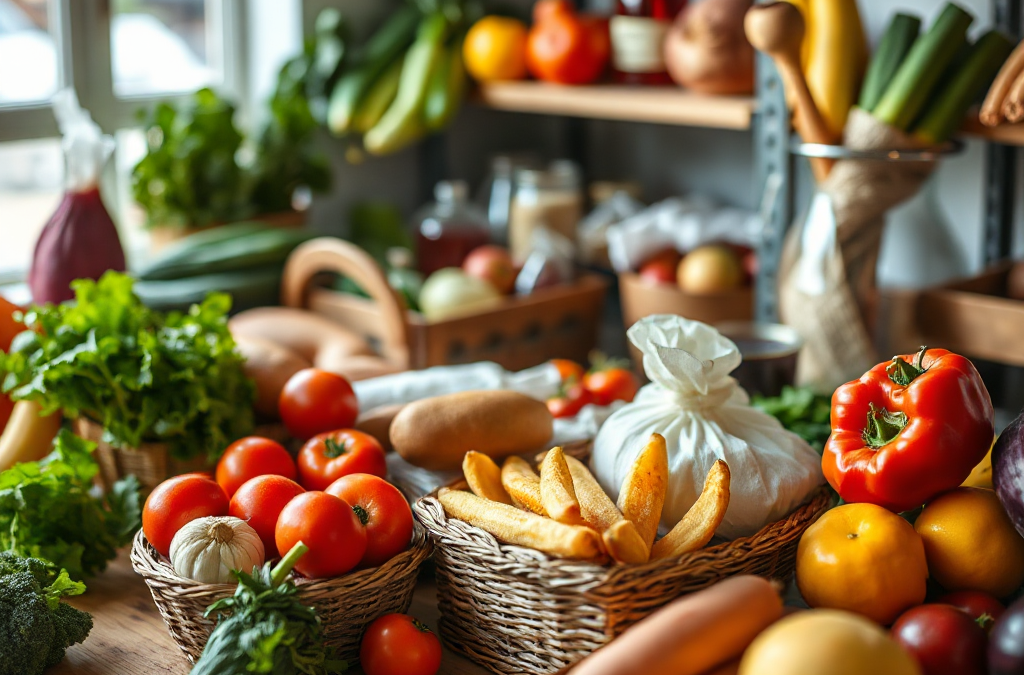
If organic food does not fit your budget, prioritize the foods you buy most often, compare unit prices, choose seasonal or frozen options, and use conventional foods selectively rather than trying to replace everything at once. Organic prices may reflect certification, labor, supply, packaging, and distribution costs, but a higher label price does not automatically make every item the better purchase. Build meals around affordable staples such as beans, lentils, oats, brown rice, potatoes, and frozen vegetables, then reserve organic spending for foods where it matters most to your household. Store brands, bulk bins, farmers’ markets, sales, and reduced-price sections can lower costs, while careful washing and safe storage reduce waste.
Separate Organic Priorities From Food-Budget Pressure
When organic groceries strain the household budget, the first useful move is to stop treating the organic label as an all-or-nothing requirement. A realistic food plan must protect the basics first: enough food, adequate protein, useful sources of fiber and micronutrients, and meals that the household can prepare and eat consistently. Spending every available dollar on certified products can leave less money for variety, fresh ingredients, or staple foods.
Organic food can cost more because of certification expenses, farming practices, smaller production volumes, labor, transportation, packaging, and retailer markups. Those costs vary by product and store, so a blanket assumption that every organic item is worth the premium is weak budgeting. An organic bag of dried beans may fit comfortably into a meal plan, while organic berries purchased out of season may consume a disproportionate share of the weekly budget.

A better approach is to rank purchases by household value. Consider how often a food is eaten, how much of it is consumed, whether an affordable organic version exists, and whether buying a larger package would create waste. Foods eaten daily or used as the foundation of several meals may deserve priority. Foods bought occasionally, used in small quantities, or available frozen may be easier to purchase conventionally without disrupting the overall plan.
Personal circumstances also matter. A shopper may choose organic because of environmental preferences, farming values, taste, or concern about pesticide exposure. Those goals are legitimate, but they should be balanced against rent, utilities, medication, transportation, and total food needs. Organic certification is not a guarantee that a product is more nutritious, fresher, or lower in sugar and sodium. Comparing the whole product and the total meal is more useful than comparing labels alone.
Use a simple three-level priority system:
- Keep organic when affordable: foods your household eats frequently and products with a manageable price difference.
- Buy conventional when practical: items that are expensive in organic form, peeled before eating, or available at a much lower unit price.
- Change the format: choose frozen, canned, dried, store-brand, or seasonal versions when quality and convenience remain acceptable.
The common mistake is assuming that a mixed cart represents failure. A mixed cart can be the most responsible option when it preserves food security and reduces financial stress. The goal is not label purity; it is a nutritious, sustainable pattern that the budget can support month after month.
Choose Affordable Foods and Shopping Formats
Price comparisons work best when they use unit cost rather than package price. A small organic package can look inexpensive while costing considerably more per ounce, pound, or serving than a larger alternative. Check the shelf label when available, and compare equivalent forms: fresh with fresh, drained canned weight with drained canned weight, and edible portions rather than packaging size.
Affordable organic shopping often begins with foods that store well. Dried lentils, beans, oats, brown rice, whole-grain pasta, potatoes, carrots, onions, and some frozen vegetables can anchor meals without requiring frequent premium purchases. Frozen produce is usually picked and processed for storage soon after harvest, and it can be practical when fresh organic produce would spoil before it is used. Canned tomatoes, beans, and vegetables can also be useful; compare sodium levels and rinse beans when that suits the recipe.
Seasonality changes the calculation. Organic apples, cabbage, squash, or root vegetables may be more attainable during their local harvest than delicate produce shipped from far away. Farmers’ markets can offer good value near closing time, but prices and availability vary, so shoppers should not assume every market is cheaper. A community-supported agriculture box may reduce the per-item cost for a household that cooks regularly, yet it can be poor value if unfamiliar vegetables go unused.
Store brands, bulk bins, discount grocers, and food cooperatives may offer lower prices, but inspect the package size, freshness, and return policy before buying more. Buying in bulk makes sense only when the food is eaten before quality declines. A large bag of organic flour is not a bargain if it becomes rancid or attracts pests. Storage containers, freezer space, and cooking time are part of the real cost.
Try comparing one category at a time rather than rebuilding the entire cart. For example, price three versions of oats, two forms of beans, and several vegetable formats. If the organic option is only slightly more expensive and used often, keep it. If the difference is substantial, redirect the savings toward another nutrient-dense food. This approach is more reliable than chasing weekly promotions that encourage unnecessary purchases.
Buying only organic packaged foods can also mislead the budget. A conventional bag of dried beans and a large portion of vegetables may create a more nourishing meal than an expensive organic snack product. Organic cookies, chips, and sweetened drinks still need to be evaluated by ingredients, portion, and price. The label does not remove the need for ordinary nutrition and value judgments.
Build a Flexible Organic-First Meal Plan
A budget-friendly meal plan should begin with meals, not isolated products. Choose a few inexpensive foundations, add vegetables and fruit in the forms you can afford, and use organic ingredients where they have the greatest practical value. A pot of lentil soup, for instance, can include organic onions and carrots when priced well, conventional canned tomatoes when the difference is large, and frozen spinach for convenience.
Planning around overlapping ingredients reduces both cost and waste. A bag of brown rice can accompany beans one night, become a bowl with roasted vegetables the next day, and support a stir-fry later in the week. Eggs, plain yogurt, tofu, canned fish, beans, and lentils offer different protein options, though individual nutrition needs and dietary restrictions vary. Meals built from staple ingredients usually cost less than assembling every component from specialty organic products.
Use a short shopping sequence:
- Review what is already in the pantry, refrigerator, and freezer.
- Select two or three main proteins and several low-cost carbohydrates.
- Choose produce based on season, price, shelf life, and intended meals.
- Assign organic priority to a limited number of foods before shopping.
- Set a spending ceiling and leave room for staple replacements or unexpected needs.
The plan should include substitutions. If organic broccoli is expensive, frozen broccoli, cabbage, green beans, or another suitable vegetable may work in the same meal. If fresh berries exceed the budget, apples, bananas, oranges, or frozen fruit can provide a different combination of taste, texture, and nutrients. Substitution is not nutritionally identical in every detail, but it is usually more useful than abandoning a meal plan because one ingredient is unavailable.
Batch cooking can lower the cost per serving, but only when the household will eat the leftovers. Prepare a quantity that fits the family’s schedule and freezer space. A person who works irregular hours may waste more food from a large batch than from several quick meals. Ready-to-eat organic foods can be convenient but often carry a higher labor and packaging premium; a simpler meal may offer better value when time allows.
Use the budget-friendly organic food plan as a decision aid, not a rigid rulebook. If a planned item is unavailable or overpriced, substitute within the same meal role. The frequent failure point is creating an aspirational menu that depends on expensive ingredients, complicated preparation, and perfect adherence. A workable plan should survive a busy evening and an imperfect shopping trip.
Avoid Waste and Review What Actually Works
Food waste can erase the savings from careful price shopping. Produce is especially vulnerable when shoppers buy based on an ideal menu instead of the meals they realistically prepare. Before purchasing, estimate how many servings a household will use and choose durable produce for the later part of the week. Wash or cut foods only when it supports actual use; extra handling can shorten the life of some items.
Storage should match the food. Keep dry goods sealed and dated, freeze bread or extra portions when appropriate, and place foods that need to be used soon where they are visible. A “use first” container in the refrigerator can turn leftover vegetables into omelets, grain bowls, soups, or pasta sauces. Safe handling still matters: discard food that shows clear spoilage, and do not rely on smell alone for every safety decision.
Track spending for two or three shopping cycles instead of judging the strategy after one receipt. Record the product, package size, unit cost, whether it was organic, and whether it was eaten. A more expensive item may be reasonable if it replaces several smaller purchases and is fully used. A cheaper item may be wasteful if it sits untouched. The useful measure is cost per consumed serving, not just cost per package.
Notice signs that the approach is working: staple foods remain available, meals contain enough variety, the grocery total is predictable, and fewer items are discarded. Signs it is failing include repeated emergency takeout, skipped meals, unused specialty products, or a plan that requires more cooking time than the household has. When those problems appear, simplify the menu before cutting essential foods.
Do not let safety concerns create unnecessary panic. Washing fresh produce under running water can remove dirt and some surface residue, but it does not make every item equivalent to certified organic food, and soap should not be used on produce. Organic and conventional foods both require sensible handling. People with specific medical, allergy, pregnancy, or occupational concerns should discuss individualized questions with a qualified clinician rather than making broad assumptions from a label.
For more practical planning ideas, review what to do if organic food doesn’t fit your budget alongside your actual receipts. The best adjustment may be changing stores, buying fewer varieties, selecting frozen produce, or assigning organic priority to only a handful of regularly eaten foods. Reassess whenever household size, income, schedule, or food preferences change.
For practical information about organic certification, food handling, nutrition, and household food planning, consult the USDA, FDA, and university extension services. These sources can clarify labeling and safety questions without turning a grocery decision into an all-or-nothing health claim.
Frequently Asked Questions
Do I need to buy every item organic?
No. A mixed cart can be a sensible choice when it protects the overall food budget and keeps nutritious staples available. Prioritize foods your household eats frequently and compare actual unit prices.
Are frozen organic vegetables worth buying?
They may be worthwhile when fresh produce is costly or likely to spoil. Compare the price per usable serving, check for added sauces or salt, and buy only an amount your freezer and meal schedule can handle.
Which organic foods are often easier to budget for?
Dried beans, lentils, oats, rice, potatoes, carrots, onions, and some seasonal produce may be more manageable than delicate or out-of-season items. Prices vary by region and retailer, so check unit cost rather than relying on a fixed list.
Does conventional produce still have nutritional value?
Yes. Conventional fruits and vegetables can contribute useful fiber, vitamins, minerals, and other compounds. Organic certification describes production standards; it does not make conventional produce nutritionally empty.
How can I stop organic groceries from causing waste?
Plan meals before shopping, select produce with different shelf lives, freeze suitable foods, and measure success by what gets eaten. Avoid bulk purchases unless the household will use them before quality declines.
Conclusion
A limited grocery budget does not require abandoning organic preferences, but it does require choosing where those preferences deliver practical value. Protect the household’s total food supply first, then compare unit prices and assign organic priority to frequently eaten foods, affordable staples, and products that fit your storage and cooking routine. Seasonal produce, frozen vegetables, dried legumes, store brands, bulk options, and planned substitutions can reduce the premium without making meals monotonous. Review receipts and discarded food after several shopping trips, because cost per eaten serving reveals more than the shelf price. If the plan causes skipped meals, emergency purchases, or repeated waste, simplify it. A flexible mix of organic and conventional foods can be both financially responsible and nutritionally sound.
Huge Discount on the Best Certified Organic Nutrient Dense Supplement!