
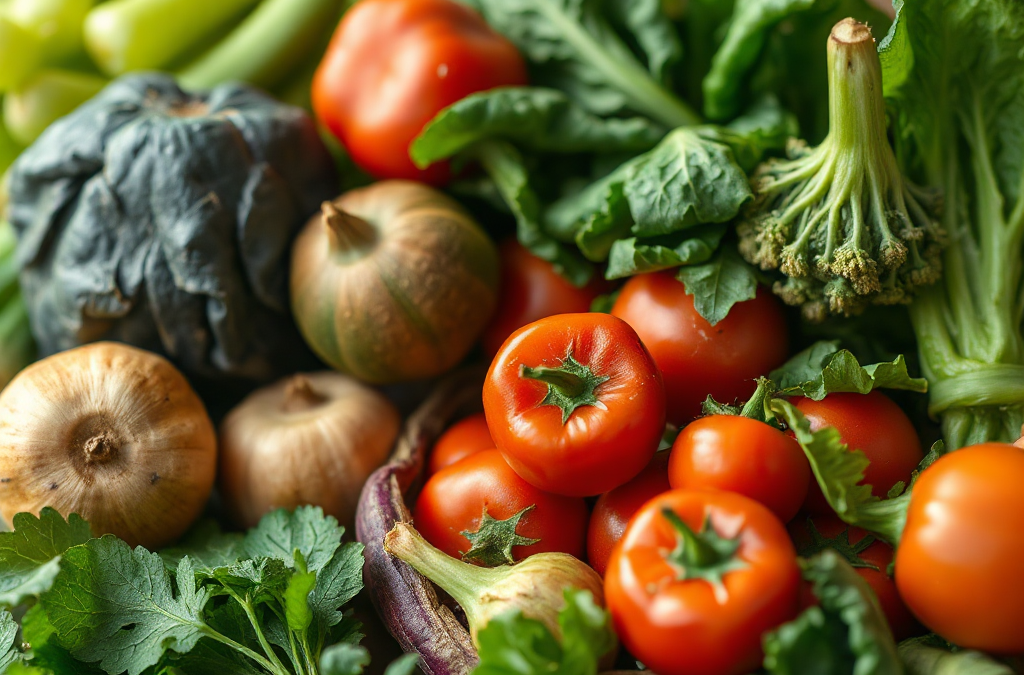
The misconceptions about the taste of organic vegetables usually come from confusing farming method with freshness, variety, growing conditions, and preparation. Organic vegetables are not automatically sweeter, stronger, or more flavorful, and they are not inherently bland; flavor depends heavily on harvest maturity, storage time, soil, weather, cultivar, and cooking. A recently picked organic carrot may taste more aromatic than a stored conventional carrot, while an older organic tomato can seem disappointing. Compare vegetables at similar freshness, eat some raw and some cooked, and judge each variety separately rather than treating organic certification as a taste guarantee.
Why Organic Certification Does Not Predict Flavor
Organic certification describes production standards, not a required taste profile. It addresses how crops are grown and which inputs may be used under the applicable organic rules; it does not promise that a pepper will be sweeter, that spinach will have a stronger aroma, or that every carrot will taste better than its conventional counterpart. Treating the label as a flavor guarantee is the first major misconception.
Flavor develops through several interacting features. A vegetable’s cultivar determines much of its sugar, acidity, bitterness, aroma, and texture. Temperature, sunlight, water availability, soil conditions, harvest maturity, and time in storage then shape how those traits are expressed. Organic and conventional growers may use different production practices, but vegetables from both systems can be excellent or disappointing depending on those other variables.

Consider two tomatoes sold on the same day. A fully ripe, locally harvested tomato may taste fragrant and balanced, while a tomato harvested earlier for long-distance transport may have firmer flesh and less aroma, regardless of its certification. The useful comparison is not simply organic versus conventional. It is organic versus conventional at a similar stage of ripeness, from a similar variety, with comparable time since harvest.
Another weak assumption says organic vegetables must taste “earthy.” Soil contact is not the same as soil flavor. A well-washed beet may have a mineral-like character because of its natural compounds, while an organic cucumber can taste mild and crisp. If a vegetable tastes muddy, sour, fermented, or unusually bitter, washing, age, damage, or improper storage deserves attention before the production label is blamed.
Readers comparing products through the misconceptions about the taste of organic vegetables should separate certification from sensory evidence. Ask whether the item is ripe, firm without being dried out, free of bruising, and appropriate for the intended use. Those checks usually offer more insight into flavor than the word organic alone.
Freshness, Variety, and Growing Conditions
Freshness often explains perceived taste differences more convincingly than the organic label. After harvest, vegetables may lose moisture, aroma, crispness, or sweetness during handling and storage. Leafy greens can become limp; carrots may lose their snap; green beans can develop a dull texture. A farm-stand organic vegetable may taste vivid because it traveled a short distance, while a supermarket organic vegetable may have spent longer in distribution.
That comparison does not mean every local item is superior. A local crop picked too early, exposed to heat, or held too long can taste worse than a carefully handled vegetable from farther away. Packaging can protect some produce from moisture loss, whereas an uncovered display may cause other items to wilt. The relevant question is how the vegetable was handled from harvest to kitchen.
Variety creates another source of confusion. “Carrot” covers sweet snack varieties, dense storage types, and smaller young roots with different textures. “Tomato” may mean a high-water slicing tomato, a dense paste tomato, or an intensely aromatic heirloom. A shopper who dislikes one variety may incorrectly conclude that all organic versions taste the same. The same problem appears with lettuce, squash, apples, peppers, and potatoes.
Growing conditions affect flavor without producing a simple organic-versus-conventional rule. Water stress, heat, cool nights, sunlight, and harvest timing can alter concentration and texture. For example, a watery cucumber may reflect excessive water or a naturally mild cultivar, not a failure of organic farming. A bitter leafy green may be influenced by plant maturity and heat. These traits can occur in either production system.
When buying for flavor, prioritize produce that matches the season and your cooking plan. Ask a market seller when an item was picked and whether it is intended for immediate eating or storage. At a store, choose intact vegetables with appropriate firmness, fresh-looking leaves, and no signs of dehydration. If a particular organic variety repeatedly disappoints, switch cultivars or suppliers before rejecting the entire category.
Common Taste Comparisons That Mislead Shoppers
Many taste judgments are shaped by expectation. Someone expecting organic vegetables to be dramatically more flavorful may interpret an ordinary carrot as a failure. Someone expecting them to taste strange may notice bitterness or soil-like notes more intensely. Blind comparisons, when practical, reduce the influence of packaging, price, and assumptions.
Price also distorts perception. A higher price may signal quality to one shopper and create resentment in another. Neither reaction measures flavor. Organic produce may cost more because of certification, labor, distribution, scale, or market structure, but price alone cannot tell you whether the item is ripe or enjoyable. Taste should be assessed separately from the financial decision.
Preparation changes the comparison even more. Raw broccoli, steamed broccoli, and roasted broccoli do not present the same flavor. Roasting reduces water and encourages browning, which can make natural sweetness more noticeable. Steaming preserves moisture but can produce a sulfurous smell if the vegetable is overcooked. A raw organic beet may seem intense, while roasting makes it softer and sweeter. Comparing one vegetable raw with another cooked does not test production method fairly.
Seasoning can either clarify or conceal differences. Salt can make sweetness and aroma easier to perceive, while heavy sauces may cover subtle flavor. A simple tasting with a small amount of oil, salt, or acid is more informative than judging vegetables only in a strongly seasoned casserole. Texture matters too: crispness and juiciness influence whether food is described as fresh and flavorful.
A practical home comparison uses two similar samples. Choose the same vegetable and, if possible, a similar variety and size. Taste a small portion raw, then prepare equal portions with the same heat, time, and seasoning. Record aroma, sweetness, bitterness, firmness, and aftertaste without assigning a quality verdict immediately. The common mistake is turning one disappointing purchase into a universal claim about organic vegetables.
How to Judge and Improve Vegetable Flavor
The most reliable approach is to evaluate the entire path from purchase to plate. Start with the vegetable’s condition, then consider storage, preparation, and personal preference. A simple checklist keeps the decision grounded:
- Check firmness, crispness, aroma, color, bruising, and signs of drying.
- Choose a variety suited to the dish rather than assuming all types taste alike.
- Store produce according to its needs and avoid leaving delicate items warm for long periods.
- Use leafy greens and tender vegetables promptly; reserve sturdy roots for longer storage.
- Compare equal portions prepared with the same method before judging flavor.
Storage can rescue or ruin a good purchase. Refrigeration generally slows deterioration for many vegetables, but some produce loses quality when chilled or kept too long. Excess moisture can encourage decay, while dry air can wilt leafy items. Keep vegetables clean and dry as appropriate, avoid sealing items that need ventilation, and separate damaged pieces from sound produce. Washing immediately may be convenient, but storing wet produce can shorten its usable life.
Cooking should match the vegetable’s structure. Roast dense roots when you want concentrated flavor and tender edges. Steam delicate greens briefly when retaining a fresh character matters. Sauté watery vegetables over enough heat to avoid simmering them in released liquid. If a vegetable tastes bitter, try a shorter cooking time, remove tough mature portions, or pair it with a modest amount of fat and acidity. Those adjustments do not make every item appealing, but they distinguish a preparation problem from an ingredient problem.
Do not use taste as proof of nutritional superiority. A stronger flavor does not automatically mean higher nutrient content, and a mild vegetable is not nutritionally empty. Organic and conventional produce can both contribute useful fiber, vitamins, minerals, and plant compounds within an overall eating pattern. People choosing organic may value production practices, environmental priorities, or personal preferences; flavor should be tested on its own terms.
If taste is the deciding factor, build a small personal list of dependable varieties and sellers. Note which tomatoes work for salads, which potatoes roast well, and which greens remain pleasant after cooking. This approach is more precise than assuming certification determines flavor and connects naturally with the misconceptions about the taste of organic vegetables that often affect shopping decisions.
What Shoppers Should Expect From Organic Vegetables
Organic vegetables should be expected to show normal agricultural variation, not a single signature taste. Some will be sweet, aromatic, crisp, bitter, earthy, or mild because vegetables naturally differ. Organic production can coexist with excellent flavor, but the label alone cannot compensate for poor harvest timing, extended storage, an unsuitable variety, or careless cooking.
A realistic priority order is freshness and condition first, variety and season second, storage and preparation third, and certification as a separate purchasing value. A shopper focused mainly on taste may find a seasonal farm source more useful than paying a premium for a familiar item that has traveled far. A shopper focused on production methods may still choose organic even when sensory differences are subtle. Neither decision requires exaggerating what the label can deliver.
When a purchase disappoints, diagnose before generalizing. A bland tomato may need more ripening; a limp lettuce may have lost moisture; a tough bean may be old; a bitter kale leaf may be mature or overcooked. Try a different source, variety, or preparation once. If the same problem persists, change the product rather than forcing a preference.
That measured approach also prevents the opposite misconception: assuming organic vegetables cannot taste good because one package was dull. Sensory quality is a chain, and a weak link anywhere from cultivar selection to kitchen heat can dominate the final result. Readers researching the misconceptions about the taste of organic vegetables will get better answers by comparing conditions rather than labels in isolation.
For additional context, consult USDA information on organic standards, university extension guidance on selecting and storing fresh produce, and consumer food-safety resources that explain handling and storage. These sources are more useful than claims that assign one universal flavor to every certified vegetable.
Frequently Asked Questions
Do organic vegetables taste better than conventional vegetables?
Not automatically. Freshness, cultivar, harvest maturity, storage, and preparation often have a larger effect on flavor than production label.
Why do some organic vegetables taste stronger?
A stronger taste may reflect variety, maturity, growing conditions, or shorter time since harvest. It should not be attributed to organic certification alone.
Are organic vegetables bland?
No. Organic vegetables can be mild or intensely flavored, just like conventional vegetables. Blandness may result from an early harvest, long storage, or a naturally mild cultivar.
Does cooking change the taste comparison?
Yes. Roasting concentrates flavor and encourages browning, while steaming preserves moisture. Compare equal samples prepared the same way.
What should I check when organic produce tastes disappointing?
Check ripeness, firmness, aroma, storage time, bruising, variety, and cooking method. Try a fresher source or different cultivar before judging all organic produce.
Conclusion
Organic certification can matter for production preferences, but it does not function as a flavor guarantee. The strongest taste clues are usually freshness, cultivar, harvest maturity, storage, and cooking technique. A fair comparison uses similar varieties, equal preparation, and realistic expectations rather than price or packaging as a shortcut. Choose vegetables in good condition, buy seasonal items when possible, store them appropriately, and adjust the cooking method to their texture. When a vegetable disappoints, investigate the specific cause before rejecting organic produce as a whole. That habit produces better meals and a more accurate understanding of what organic labeling can—and cannot—tell you about taste.
Huge Discount on the Best Certified Organic Nutrient Dense Supplement!

Related Content
- Challenges of Maintaining an Organic Diet: Balancing Cost, Availability, and Nutritional Needs
- The Ultimate Guide to Organic Super Greens: 10 Powerful Tips for 2025
- Best Local Organic Soup Kitchens in Kraemer, Louisiana 70371
- Why Organic Raw Food Works Better
- 10 Powerhouse nutrient rich organic snacks to Energize Your 2025 Diet