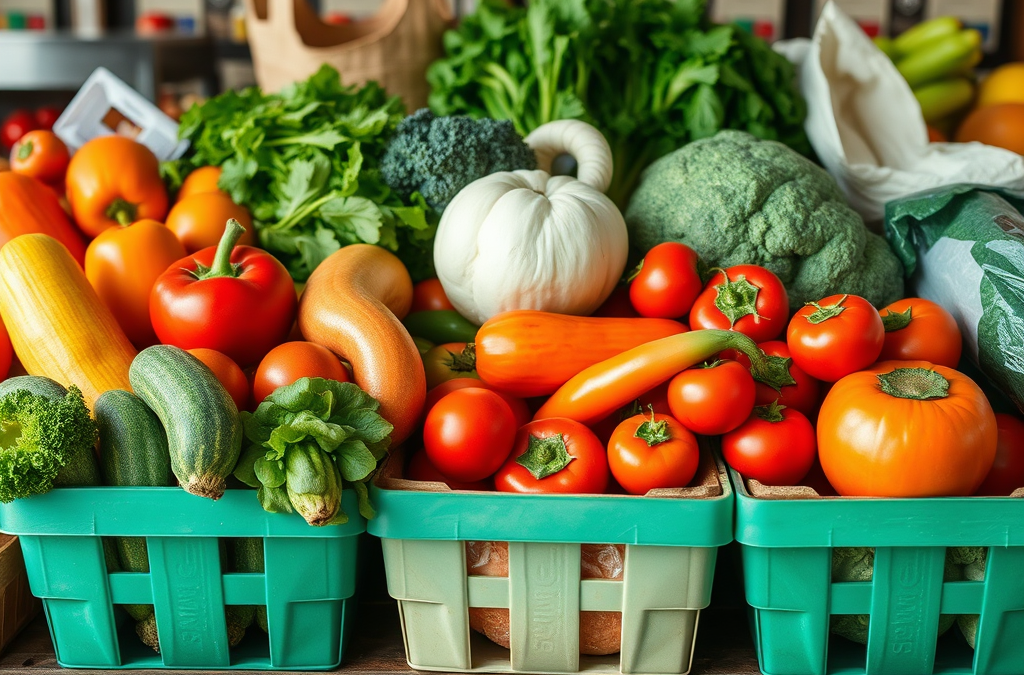
The importance of choosing local organic produce lies in combining shorter supply chains with certified organic farming practices, seasonal freshness, and stronger support for nearby growers. Local purchases may reduce the time between harvest and consumption, while organic standards restrict certain synthetic inputs and require documented production methods. The choice does not automatically mean every item has a lower environmental impact or higher nutrient content; transportation distance, storage, packaging, price, and farming scale also matter. Compare certifications, harvest timing, growing methods, and food safety practices rather than relying on the word “local” alone. A practical approach is to buy seasonal staples from trusted nearby farms and use certified organic retailers for items unavailable locally.
What Local Organic Produce Actually Offers
Local organic produce combines two separate ideas that should be evaluated independently: where food is grown and how it is produced. “Local” usually describes geographic proximity or a regional supply chain, while “organic” refers to farming and handling standards verified through an applicable certification system. A nearby farm is not necessarily organic, and certified organic produce may have been transported from another region. Checking both claims prevents a common purchasing mistake: treating local and organic as interchangeable.
The strongest case for buying nearby organic fruits and vegetables is the connection between production practices and accountability. A local grower may be easier to contact about soil management, pest control, harvest dates, irrigation, and post-harvest handling. Certified organic labeling adds a formal standard, but a direct conversation can still clarify details that a package label cannot, such as whether a farm uses reusable crates or how quickly greens move from field to market.

Organic production may reduce exposure to certain approved and prohibited synthetic inputs, but it does not mean produce is pesticide-free. Organic growers can use permitted pesticides, and all produce should be handled safely. Washing under running water, separating produce from raw animal foods, and refrigerating items that require chilling remain sensible practices. Organic status also does not guarantee superior taste, nutrient levels, or environmental performance in every comparison.
Consider a weekly purchase of lettuce, tomatoes, apples, and carrots. A local organic farm may offer greens harvested recently and explain its growing methods, while a supermarket may provide certified organic apples during a season when local supply is limited. Combining both sources can be more realistic than insisting that every item meet one standard. The useful question is not whether one label solves every concern, but which combination of distance, certification, freshness, price, and trust fits the specific item.
Freshness, Seasonality, And Food Quality
Shorter supply chains can improve the practical quality of produce because harvest timing and storage conditions strongly influence texture and eating experience. Leafy greens picked close to sale may retain crispness better than greens that spend extended periods in transport and distribution. A ripe local peach can have a different flavor from a variety selected to tolerate long shipping. Those differences do not prove that local food is always more nutritious, but they can make fresh produce easier to enjoy and use regularly.
Seasonality matters more than distance alone. A crop harvested in its natural regional season may reach consumers quickly, whereas a greenhouse crop or stored item may involve energy-intensive production or prolonged refrigeration. Buying seasonal vegetables such as squash, greens, beans, or root crops can also reduce reliance on heavily packaged convenience products. The tradeoff is availability: local farms may have a narrow selection during winter, drought, excessive rain, or transition periods between crops.
Freshness is not simply a matter of appearance. Look for firm stems, unbroken skin, vibrant but natural color, and leaves without excessive wilting or slime. Ask when the item was harvested when that information is available. A blemished tomato from yesterday may be a better kitchen choice than an unblemished tomato that has spent much longer in storage. Plan to use delicate items first and preserve surplus through freezing, drying, or cooking rather than buying more than the household can consume.
Food quality also depends on variety and handling. A local organic grower may prioritize flavor-oriented varieties, but inconsistent refrigeration or rough transport can still shorten shelf life. Conversely, a distant certified organic supplier may have highly controlled distribution. The practical test is whether the produce remains appealing long enough to be eaten. If it repeatedly spoils before use, reduce the quantity, change the storage method, or select sturdier seasonal options such as cabbage, carrots, apples, or winter squash.
Environmental And Community Tradeoffs
Choosing nearby organic produce can keep more spending within a regional food economy and help farms retain direct relationships with customers. Farm stands, cooperatives, and community-supported agriculture programs may give growers more control over pricing and feedback than conventional wholesale channels. That relationship can make production practices more visible and may encourage continued cultivation of diverse seasonal crops. The effect depends on the farm’s business model and the amount purchased, so a single market visit should not be treated as proof of broad economic impact.
Environmental effects are more complicated than mileage. A delivery route, refrigeration requirement, packaging choice, crop yield, irrigation demand, and production method all influence the footprint of food. Driving a long distance alone to buy a small bag of vegetables may undermine the advantage of proximity. Grouping purchases with errands, using a neighborhood market, or arranging a community pickup makes the local option more efficient. Minimal packaging can be useful, but loose produce still requires proper handling and cleaning at home.
Organic methods may contribute to soil and ecological goals through restrictions on certain inputs and requirements associated with certified production, but organic farming is not a single technique. Farms differ in crop rotation, compost use, water management, pest control, tillage, and habitat practices. A small local farm using careful soil-building methods may provide valuable stewardship even when it is not certified, while certification offers a clearer formal benchmark. Ask specific questions instead of assuming that either scale or label tells the entire story.
Cost and access are legitimate constraints. Local organic produce may cost more because farms operate at smaller scale, harvest by hand, or lack the distribution efficiencies of large suppliers. Buying only premium berries can strain a budget, while seasonal greens, potatoes, onions, beans, and apples may offer better value. A sensible priority order is to purchase what the household will eat, favor seasonal availability, compare unit prices, and then consider certification and distance. This approach supports better decisions without turning food shopping into a moral test.
How To Choose Wisely At Markets And Stores
A reliable buying method starts with the item rather than the slogan. Identify which produce is in season locally, estimate how quickly it will be eaten, and decide whether certification matters for that purchase. At a farmers market, ask where the food was grown, whether the farm is certified organic or follows another stated practice, when it was harvested, and how it has been kept cool. At a store, check the organic certification information, country or region of origin, package condition, and use-by guidance where provided.
Do not assume that a farmers market automatically means local or organic. Some markets allow resold produce, and vendors may use different definitions of regional sourcing. Clear signage and direct answers are useful signals; vague claims about being “natural” or “chemical-free” do not establish a production standard. Similarly, an organic label answers questions about regulated production practices but not necessarily harvest freshness, labor conditions, packaging, or transportation distance.
Use a simple comparison when two options compete:
- Freshness: Which item was harvested or stocked more recently?
- Production: Is there recognized organic certification or a transparent explanation of farming methods?
- Use: Will the household eat it before quality declines?
- Value: Does the price fit the budget after accounting for waste?
- Logistics: Can the purchase be collected without an inefficient separate trip?
A weekly routine can make the choice easier. Buy two or three seasonal staples locally, add certified organic items that are unavailable nearby, and adjust quantities after observing waste. Keep delicate greens and berries visible in the refrigerator, store ethylene-sensitive items appropriately, and prepare surplus promptly. Signs the approach is working include fewer discarded vegetables, more meals built around seasonal ingredients, and a clear understanding of where food comes from. Signs it needs adjustment include repeated spoilage, unexplained labeling, or spending that displaces other nutritious foods.
Readers comparing broader purchasing decisions may also benefit from reviewing the importance of choosing local organic produce alongside guidance on the importance of choosing local organic produce. The goal is not to create a perfect basket. It is to make each purchase more transparent, usable, and proportionate to the household’s priorities.
Making The Choice Work For Real Households
The best approach changes with household size, cooking habits, location, and season. A person cooking for one may prefer small quantities of high-turnover greens and buy frozen organic vegetables when local bunches are too large. A family may save money by purchasing durable local crops in larger quantities and using them across soups, grain bowls, and roasted meals. People with limited mobility may reasonably prioritize a nearby store or delivery service over a distant farm stand, even when the latter offers a stronger local connection.
Meal planning should follow actual storage life rather than an idealized market haul. Use tender greens, herbs, and berries early in the week; reserve cabbage, carrots, apples, and squash for later meals. If a farm box includes unfamiliar vegetables, find a simple preparation before accepting a larger share. Otherwise, novelty can become waste. Freezing chopped peppers, blanching greens, or cooking tomatoes before they soften can extend value, although preservation changes texture and may require time, equipment, or freezer space.
Health value comes primarily from eating a varied pattern of fruits, vegetables, legumes, whole grains, and other nutritious foods. Local organic purchasing can support that pattern when freshness, flavor, and trust make produce more appealing. It should not displace affordable options that a household can reliably eat. People managing allergies, medically prescribed diets, or food insecurity may need individualized guidance from a qualified professional rather than a general shopping rule.
Prioritize transparency and consumption over perfection. Ask enough questions to distinguish local origin from organic certification, compare the likely shelf life, and buy an amount that matches the next several meals. That method respects environmental and community goals while acknowledging price, access, weather, and supply limitations.
Frequently Asked Questions
Is local produce always organic?
No. Local describes where food is grown or sold, while organic refers to regulated production standards. Check the vendor’s certification or ask about farming practices.
Does local organic produce contain more nutrients?
Freshness and storage can affect quality, but local or organic status does not guarantee higher nutrient levels. Variety, harvest timing, handling, and storage also matter.
Is buying local better for the environment?
It may reduce some transport or packaging impacts, but the result depends on production methods, refrigeration, yield, delivery routes, and how far the shopper travels.
How can shoppers verify organic claims?
Look for recognized organic certification information on labels or ask the grower whether the farm is certified. Terms such as “natural” do not establish organic status.
What local organic produce is usually good for a budget?
Seasonal staples such as carrots, cabbage, onions, potatoes, apples, greens, and squash may offer better value than delicate specialty items, especially when purchased in usable quantities.
Conclusion
Choosing nearby certified organic produce can connect freshness, transparent farming practices, and regional economic support, but the strongest decision depends on the individual item and household constraints. Verify the production claim, ask about harvest timing, compare seasonal availability, and consider packaging and travel rather than judging by distance alone. Buy quantities that fit your meals, use delicate items first, and preserve surplus before quality falls. When local supply is limited or too costly, combining regional purchases with certified organic store options is a reasonable alternative. The practical measure of success is a basket that is trustworthy, affordable, eaten rather than wasted, and broad enough to support a varied diet.
Huge Discount on the Best Certified Organic Nutrient Dense Supplement!

Further Reading
Authoritative Sources
- Local Food Systems: Clarifying Current Research
content.ces.ncsu.eduThis publication discusses the environmental, economic, health, and community benefits that local food systems provide to communities.
- The Importance of Buying Locally Grown Produce
sustainableagriculture.ecoBuying local produce supports these environmentally friendly practices, which typically include reduced pesticide use, crop rotation, and ...
- Benefits of Eating Local Produce
taylorboysproduce.comBy choosing local, you're prioritizing high-quality, freshly harvested produce that tastes better, carries more nutrients, and supports the environment and the ...
- What Makes Local Farm Food a Healthier Choice?
mmfarmstead.comThe nutritional advantages of locally grown and raised food aren't just anecdotal—they're backed by science and observable in the vibrant colors ...