
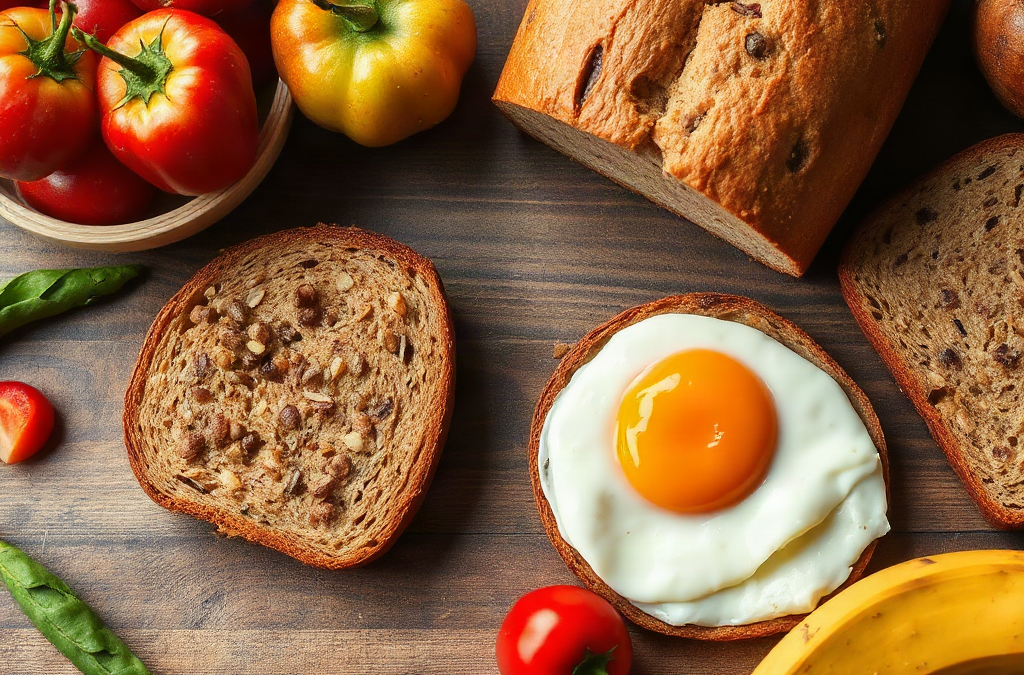
Organic breakfast ideas for busy mornings work best when they combine a prepared whole grain or bread, a protein-rich food, and fruit or vegetables in a format that takes under five minutes to assemble. Overnight oats, yogurt jars, egg wraps, chia pudding, freezer oatmeal cups, and nut-butter toast provide practical starting points. Choose certified organic versions of the ingredients that matter to you, but do not let the label replace checks for added sugar, fiber, protein, and portion fit. Batch preparation, safe refrigeration, and portable containers make these breakfasts more dependable than relying on packaged snack bars or skipping the meal.
What Makes a Fast Breakfast Satisfying?
A useful weekday breakfast needs more than speed: it should be easy to assemble, comfortable to eat, and substantial enough for the time between breakfast and the next planned meal. A practical formula is to combine a source of protein with a fiber-containing carbohydrate and produce. Examples include plain yogurt with oats and berries, eggs with whole-grain toast and spinach, or nut butter with a banana and seeded bread.

Protein and fiber generally slow the pace of digestion compared with a breakfast built mainly from refined starch or added sugar. Fat from nuts, seeds, yogurt, avocado, or eggs can add staying power and flavor. Individual needs differ, however. A smaller breakfast may suit someone eating again within two hours, while a commuter facing a long morning may need a larger portion or an additional item such as fruit, milk, or a hard-cooked egg.
The organic label describes how an agricultural product was produced under applicable standards; it does not automatically indicate that a cereal is high in fiber, a yogurt is low in added sugar, or a breakfast sandwich has a balanced nutrient profile. Compare the ingredient list and Nutrition Facts panel as well as the organic claim. Plain organic rolled oats, for example, offer more control over sweetness than an organic instant oatmeal packet containing several sweeteners.
Texture and portability also affect whether a plan works. A jar of thick overnight oats travels more reliably than a full bowl of cereal and milk. Toast is convenient at home but may become soggy when packed with wet toppings. For a portable version, carry sliced fruit separately and spread nut or seed butter directly on the bread to create a moisture barrier.
A common failure is choosing a breakfast that looks convenient but requires too many morning decisions. If fruit must be washed, seeds measured, yogurt located, and a container found while everyone is leaving, the meal is unlikely to become routine. Group the ingredients together in the refrigerator or pantry and keep two complete options available. Success looks like eating a satisfying breakfast without disrupting the departure schedule; repeated hunger soon afterward, unfinished portions, or frequent convenience-store stops indicate that the combination or serving size needs adjustment.
Eight Organic Breakfast Options for Rushed Mornings
The fastest options use familiar ingredients in formats that can be assembled in roughly five minutes or prepared earlier. Organic choices can be used throughout each meal or reserved for the foods a household buys most often. Availability, budget, dietary needs, and taste should guide that decision rather than an all-or-nothing rule.
- Overnight oats: Mix organic rolled oats with milk or fortified plant beverage, plain yogurt, chia seeds, and frozen berries. Refrigerate overnight and adjust the liquid in the morning if the mixture is too thick.
- Yogurt and oat jar: Layer plain organic yogurt with oats, chopped fruit, and walnuts. Keeping crunchy toppings separate prevents them from softening.
- Egg and spinach wrap: Fill a whole-grain tortilla with a reheated cooked egg, organic baby spinach, and grated cheese. Fully cooked frozen egg portions make assembly faster.
- Nut-butter banana toast: Spread organic peanut or almond butter on whole-grain toast and add banana slices. Seed butter is a practical alternative where nut allergies are a concern.
- Chia breakfast pudding: Stir chia seeds into milk, refrigerate until thickened, and serve with fruit. Anyone unaccustomed to a high-fiber breakfast may prefer to begin with a modest portion.
- Freezer oatmeal cup: Freeze cooked organic oats in individual portions, then reheat one with milk and add pumpkin seeds, cinnamon, or fruit.
- Cottage cheese fruit bowl: Combine cottage cheese with pears, peaches, or berries and a spoonful of oats or seeds. Check flavored products for added sugars.
- Portable breakfast box: Pack a hard-cooked egg, whole-grain crackers, fruit, and cucumber slices. Use an insulated bag with a cold pack when the box will not be refrigerated promptly.
These meals are templates rather than fixed recipes. Someone who dislikes sweet breakfasts can use oats as a savory base with egg and spinach. A person avoiding dairy can choose a fortified plant beverage or yogurt alternative, but products vary considerably in protein and added sugar. Compare labels instead of assuming that every substitute is nutritionally equivalent to dairy.
Convenience bars and bottled smoothies can fill occasional gaps, yet they often cost more per serving and may be less filling than a meal that requires chewing. A bar paired with plain yogurt or fruit is usually more complete than a bar alone. Similarly, a homemade smoothie becomes more substantial when it includes yogurt, milk, silken tofu, nut butter, or seeds rather than only juice and fruit.
The weak assumption is that variety must mean preparing a different recipe every day. Rotating two cold choices and two warm choices is usually more manageable. Select options that share ingredients—for example, berries, oats, yogurt, and seeds—so food is used before it spoils and the shopping list stays short.
How Can You Prepare Breakfast Ahead?
A 30- to 45-minute preparation session can remove most weekday breakfast work without requiring five identical meals. Focus on components that hold well: cook oats, hard-cook eggs, wash sturdy fruit, portion dry toppings, and assemble two or three refrigerated jars. Leave quick finishing steps, such as toasting bread or slicing a banana, for the morning.
Start by matching preparation to the household schedule. Overnight oats and chia pudding suit mornings when no reheating is possible. Frozen egg wraps or oatmeal portions work better when a microwave or toaster oven is available. Breakfast boxes are useful for commuting, but perishable foods such as eggs, yogurt, and cottage cheese need refrigeration or an insulated container with adequate cold packs.
| Preparation task | Morning action | Best use case |
|---|---|---|
| Assemble oat or yogurt jars | Add crunchy topping | Grab-and-go commute |
| Freeze cooked oatmeal portions | Reheat with a little liquid | Warm breakfast with minimal cleanup |
| Cook egg fillings | Reheat and add to a wrap | Savory, protein-containing meal |
| Portion fruit, crackers, and seeds | Add a chilled protein food | Flexible breakfast box |
Use shallow containers for foods that need to cool and refrigerate prepared items promptly. Mark containers with the preparation date, and follow conservative storage guidance for cooked eggs, dairy foods, cut produce, and leftovers. Discard food with an unusual odor, visible mold, damaged packaging, or signs that it has remained warm for an unsafe period. When storage safety is uncertain, official food-safety guidance is more reliable than judging by appearance alone.
Freezing is helpful, but not every breakfast component responds equally well. Cooked oats, muffins, breads, and many egg wraps generally freeze more successfully than yogurt, watery raw vegetables, or fully assembled toast. Freeze portions separately before placing them together in a larger container so one serving can be removed at a time. Thaw refrigerated items safely rather than leaving perishable food on the counter overnight.
The most common preparation mistake is making too much of an unfamiliar recipe. Five jars of a breakfast nobody enjoys create waste, not convenience. Test one portion first, note whether the texture changes after refrigeration, and scale up only after it works. A functioning system should leave little morning cleanup, use prepared food within a reasonable period, and reduce skipped breakfasts. If containers accumulate uneaten, simplify the recipe or prepare fewer servings.
Which Organic Breakfast Products Are Worth Buying?
Organic purchasing is most useful when it reflects foods you eat regularly and a budget you can maintain. Begin with staple ingredients that serve multiple breakfasts, such as rolled oats, eggs, milk or yogurt, seasonal fruit, whole-grain bread, peanut butter, and seeds. Buying every specialty breakfast product with an organic claim can raise costs without improving convenience or the overall composition of the meal.
For packaged foods, read beyond the front panel. Look at the serving size, added sugars, fiber, protein, sodium, ingredient list, and any allergen statement relevant to your household. An organic granola can still be dense in added sweeteners and oils, while plain organic oatmeal allows sweetness and portion size to be adjusted at home. Organic frozen fruit may be a practical alternative to fresh berries because it is washed, available year-round, and less likely to spoil before use.
Certification wording matters. In the United States, the USDA organic seal and regulated organic labeling indicate compliance with federal organic standards. Terms such as “natural,” “farm fresh,” or package colors associated with nature do not mean the same thing. Shoppers outside the United States should look for the recognized certification system used in their country. Certification does not remove the need to handle eggs, dairy products, prepared grains, or cut fruit safely.
Budget tradeoffs are easier to manage by comparing cost per usable serving rather than package price. A larger tub of plain yogurt may cost less per breakfast than individual cups, provided it will be finished before spoilage. Bulk oats are often economical, while single-serving organic packets charge for portioning and flavoring. Frozen fruit can reduce waste, but fresh seasonal fruit may be less expensive when locally abundant.
Prioritize three checks at the store: whether the product fits the intended breakfast, whether its ingredient and nutrient profile suits the eater, and whether the package size can be used safely. A low-cost item that nobody likes is not a bargain, and a highly processed organic pastry is not nutritionally interchangeable with oats, fruit, and eggs. If the organic version strains the food budget, a balanced breakfast made from suitable conventional staples remains a practical choice; organic status should not become a reason to skip produce or rely on an incomplete meal.
Frequently Asked Questions
What is the quickest organic breakfast to make?
Whole-grain toast with organic nut or seed butter and a banana takes only a few minutes. Plain yogurt with oats and frozen berries is similarly fast and requires no cooking.
Can overnight oats be eaten without heating?
Yes. Rolled oats soften while refrigerated in milk, a fortified plant beverage, or yogurt. Keep the mixture chilled, use a clean container, and add more liquid if the texture becomes too dense.
Does an organic label mean a breakfast food is healthier?
No. Organic labeling addresses production standards, not whether a product is high in fiber, low in added sugar, or appropriate for an individual diet. Check the ingredient list and Nutrition Facts panel.
How can I keep a portable breakfast cold?
Pack yogurt, eggs, cottage cheese, or other perishable foods in an insulated lunch bag with sufficient cold packs. Refrigerate the meal on arrival when possible and follow official food-safety guidance if it becomes warm.
What can replace eggs in a quick breakfast?
Depending on dietary needs, try plain yogurt, cottage cheese, tofu, beans, nut or seed butter, or a higher-protein fortified plant product. Compare labels because protein content varies widely among substitutes.
Conclusion
A dependable breakfast routine comes from reducing morning choices while keeping the meal satisfying and safe. Choose two or three combinations built around protein, a fiber-containing staple, and fruit or vegetables, then stock ingredients that overlap across those meals. Prepare only the components that store well, label refrigerated items, and use insulated containers for perishable food on the move.
Treat organic certification as one purchasing factor rather than a shortcut for judging nutritional quality. Plain staples often provide better flexibility than sweetened single-serving products, and frozen produce can control both preparation time and waste. Test one portion before batch-making a new recipe, then adjust serving size, texture, and portability based on what actually gets eaten. The most useful next step is to select one cold breakfast and one warm breakfast, buy their shared ingredients, and prepare the first servings before the busiest morning arrives.