
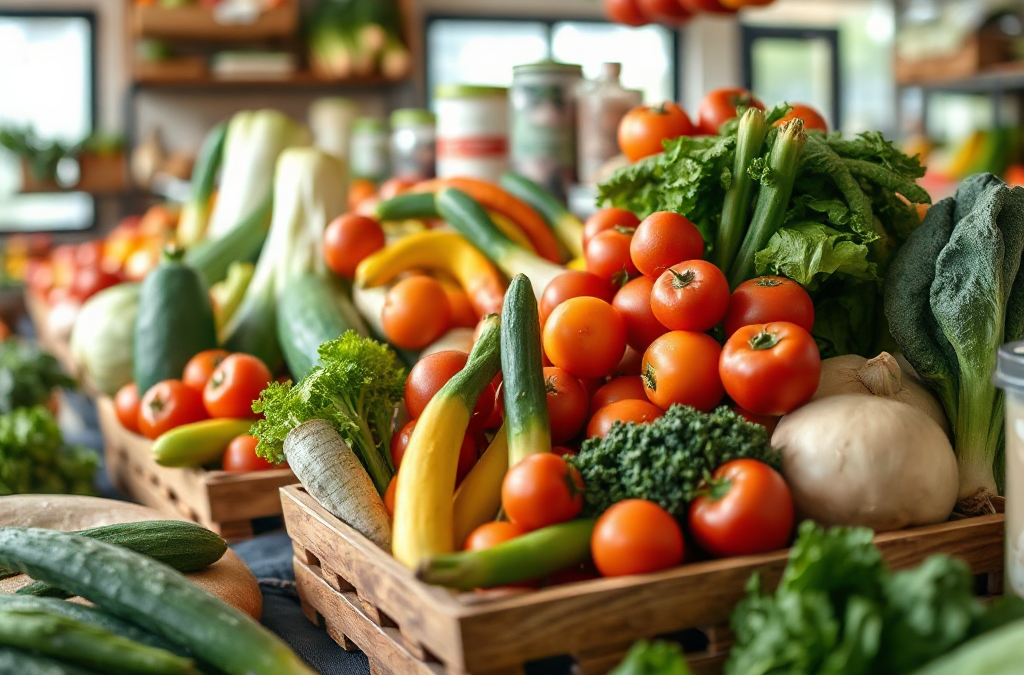
What Matters Most When Choosing Organic Vegetables
Choosing organic vegetables becomes more useful when the decision reflects your eating pattern instead of a blanket rule. The strongest everyday approach is to buy vegetables you will actually use, select a broad range of colors and plant types, and spend extra on organic produce when the price fits your budget and the item appears frequently on your plate. A bag of organic spinach that wilts unused contributes less to nutrition than conventionally grown carrots that become part of several meals.
Organic certification describes how a crop is produced and handled under applicable standards; it does not mean that every organic vegetable contains more vitamins or minerals. Nutrient content varies with plant variety, soil, maturity, storage, and cooking. A fresh organic tomato and a ripe conventional tomato may have broadly similar nutritional value, while either can be a better choice than a highly processed side dish when it replaces it in a meal. The practical benefit of organic buying may instead relate to farming practices and personal preferences about pesticide use.
Nutrition quality also depends on the role a vegetable plays in the meal. Leafy greens contribute folate, vitamin K, and carotenoids; orange vegetables provide carotenoid compounds; potatoes and winter squash supply carbohydrate and potassium; beans and peas add fiber and plant protein. No single label substitutes for variety. Pairing vegetables with beans, eggs, fish, tofu, whole grains, or dairy can make a meal more satisfying than serving a large pile of one vegetable alone.
Use a simple priority test before placing an item in your cart:
- Will it be eaten within the storage period?
- Does it add a nutrient or texture that the rest of the basket lacks?
- Is the organic price reasonable for the amount your household uses?
- Would frozen, seasonal, or conventional produce make the meal more practical?

A common mistake is assuming that “organic” answers every food-quality question. It does not address freshness, sanitation, portion balance, or whether the product is being consumed. Those factors should remain part of the decision.
For broader context on building a plant-rich eating pattern, see Choosing organic vegetables for everyday nutrition as a related planning reference.
Which Vegetables Deserve Priority
The best organic vegetables to prioritize are the ones that combine frequent use, meaningful nutrient variety, and a reasonable chance of being eaten before they deteriorate. Dark leafy greens, broccoli, cabbage, carrots, bell peppers, tomatoes, onions, mushrooms, and frozen peas are useful examples because they fit different meals and preparation methods. Priorities should follow your menu, not a rigid ranking of produce.
Leafy greens are valuable but perishable. If you make salads or add greens to eggs, soups, or grain bowls several times a week, organic spinach or kale may justify a higher price. If greens regularly spoil in the refrigerator, frozen spinach can be a better purchase. Frozen vegetables are usually blanched before freezing, so their texture may be softer, but they remain practical for cooked dishes and reduce waste.
Cruciferous vegetables such as broccoli, cauliflower, Brussels sprouts, and cabbage provide fiber and plant compounds while offering substantial variation in texture. Broccoli florets work in stir-fries, roasted trays, and pasta; cabbage often lasts longer and can serve as a slaw, soup ingredient, or sautéed side. Choosing cabbage when broccoli is expensive is not a nutritional failure. It is a sensible substitution that preserves vegetable variety.
Color is a useful shopping shortcut because pigments often signal different plant compounds. Orange carrots and sweet potatoes, red peppers and tomatoes, purple cabbage, and green beans can diversify the basket. Color alone is not a complete measure of quality, though. A pale onion, white cauliflower, or mushroom still contributes useful nutrients and can make other foods easier to eat regularly.
Consider household constraints. Someone cooking for one may benefit from prewashed greens, small quantities, or frozen blends, while a family may save money by buying whole heads of cabbage, large carrot bags, or seasonal squash. Precut produce costs more per serving but may prevent takeout or unused ingredients when preparation time is limited. Compare the price of usable portions rather than the sticker price alone.
Weak assumptions often create unnecessary spending. Some shoppers focus on a narrow list of heavily discussed vegetables and neglect affordable staples such as onions, cabbage, frozen peas, and potatoes. A varied basket that supports five realistic meals is usually more valuable than a premium basket built around aspirational purchases.
Fresh, Frozen, Seasonal, Or Conventional
Fresh organic vegetables are a good choice when they are in season, stored well, and likely to be used quickly. Seasonal supply can improve flavor and price, although availability differs by region. A farmers market may offer excellent freshness, while a supermarket may provide more predictable labeling and year-round access. Neither setting automatically guarantees better nutrition or value.
Frozen vegetables deserve a regular place in everyday nutrition. Freezing can preserve produce soon after harvest, and the format makes it easier to keep vegetables available without committing to immediate use. Frozen broccoli, peas, corn, spinach, and mixed vegetables work well in soups, curries, omelets, and grain dishes. Check the ingredient list for plain vegetables when you want control over added sauces, salt, or fats.
Conventional produce can be a reasonable alternative when organic prices would reduce the total amount or variety you buy. Washing under running water and rubbing firm produce can remove dirt and some surface residue, but washing does not make damaged or spoiled food safe. Do not use soap or household cleaners on vegetables. Removing outer leaves, peeling selected items, or choosing frozen produce may change texture and nutrient retention, so use the method that supports regular consumption.
Price comparisons should be made by serving and waste. A costly container of delicate organic berries is not directly comparable with a long-lasting head of organic cabbage, even if both are sold by weight. Likewise, a conventional vegetable that gets eaten may offer more practical nutritional value than an organic equivalent left unused because the price caused the shopper to ration it.
Use this decision sequence at the store:
- Choose two or three vegetables that will anchor planned meals.
- Add one leafy green, one colorful vegetable, and one durable or frozen option.
- Compare organic and conventional prices for the items you eat most often.
- Buy the format that fits your cooking schedule and storage space.
- Reduce the quantity if spoilage is likely.
The common failure mode is treating fresh organic produce as inherently superior to frozen or conventional alternatives. The more useful comparison is between realistic options: what retains acceptable quality, fits the budget, and reaches the plate.
Shopping, Storage, And Preparation Decisions
Proper handling protects the value of an organic vegetable purchase. Bring produce home promptly, refrigerate items that require chilling, and separate foods that release ethylene gas from those that deteriorate quickly when exposed to it. Leafy greens generally last longer when dry and loosely stored, while carrots and celery benefit from conditions that limit moisture loss. Storage instructions vary, so the label and produce type should guide the method.
Plan vegetables around their perishability. Use tender greens, herbs, and cut produce first; schedule sturdy cabbage, carrots, onions, winter squash, and potatoes for later meals. Keep a visible “use next” area in the refrigerator. That small adjustment can reveal what needs cooking before the next shopping trip and prevent a common mistake: purchasing more fresh produce to compensate for food that was never organized for use.
Preparation affects enjoyment and nutrient retention. Steaming, microwaving with a small amount of water, sautéing, roasting, and eating some vegetables raw all have a place. Long boiling can move water-soluble nutrients into the cooking water, but that is less consequential when the liquid becomes part of a soup. Roasting concentrates flavor and may make cabbage, carrots, or cauliflower appealing to someone who rejects them raw. Cooking tomatoes with a modest amount of oil changes texture and makes them useful in sauces, although no single preparation should dominate the entire diet.
Build meals with a practical formula: a vegetable, a protein-rich food, and a source of energy such as whole grains, beans, potatoes, or another staple. For example, roasted organic carrots and broccoli can accompany lentils and brown rice; frozen spinach can be folded into a bean-and-tomato stew; cabbage can stretch a tofu stir-fry. These combinations make vegetables part of a complete meal rather than an afterthought.
Be cautious with packaged “organic” vegetable products. Organic chips, sweetened vegetable drinks, and heavily salted frozen entrées may carry the label while offering a different nutritional profile from whole vegetables. Read the ingredient list and nutrition panel when the product is processed. The label does not remove the need to consider sodium, added sugar, fiber, and portion size.
Readers using organic vegetable shopping guidance should track what actually gets eaten for two weeks. Success looks like fewer spoiled items, more varied meals, and a basket that remains affordable—not a refrigerator filled with premium produce.
Common Mistakes And A Sustainable Routine
A sustainable routine begins with a small rotation rather than an ambitious produce list. Choose several dependable vegetables for the week, then add one unfamiliar item if you have a specific way to cook it. This approach creates repetition without monotony and makes it easier to notice which organic purchases provide genuine value for your household.
Common mistakes include buying only salad vegetables, equating higher price with higher nutrition, ignoring frozen options, and failing to account for preparation time. A person who works late may use frozen broccoli and canned beans more consistently than delicate greens and complicated recipes. Someone who enjoys weekend cooking may benefit from whole vegetables bought in season. The better choice depends on use, not identity or food ideology.
Budget pressure deserves direct attention. Prioritize organic versions of vegetables you eat frequently, buy seasonal quantities, compare store brands, and use frozen produce to fill gaps. If the organic premium would force you to cut back on total vegetables, choose a mixed basket. Eating a broader range of affordable vegetables can be a more useful nutrition decision than insisting on one production label.
People with allergies, kidney disease, digestive disorders, or medically prescribed diets may need individualized advice about particular vegetables, potassium, fiber, or preparation methods. Organic labeling does not change those clinical considerations. Food safety still matters: discard slimy or moldy produce, keep cut vegetables chilled, and wash hands and utensils before preparation.
Review the routine at the end of each week. Which vegetables were finished? Which spoiled? Did frozen produce rescue a rushed dinner? Did a higher-priced item deliver enough flavor or convenience to justify repeating the purchase? Those answers create a personal buying pattern grounded in evidence from your kitchen rather than generalized claims about what everyone should buy.
Frequently Asked Questions
Are organic vegetables always more nutritious?
No. Nutrient content depends on variety, maturity, storage, and cooking as well as production method. Organic vegetables can fit a nutritious diet, but the label alone does not guarantee a higher nutrient profile.
Which vegetables are worth buying organic first?
Prioritize vegetables you eat often and can afford, such as leafy greens, tomatoes, peppers, carrots, broccoli, or other household staples. Frequent use matters more than following a fixed universal ranking.
Are frozen organic vegetables a good everyday option?
Yes. Plain frozen vegetables can be convenient, reduce spoilage, and work well in cooked meals. Choose products without unwanted sauces or excessive added sodium when those are concerns.
How should organic vegetables be washed?
Wash hands, rinse produce under running water, and rub firm vegetables with clean hands or a produce brush. Do not use soap, bleach, or household cleaners, and remove damaged portions.
What if organic vegetables are outside my budget?
Buy a mixed basket that preserves variety and total intake. Use seasonal, frozen, store-brand, and conventional options where they make the budget work, while spending more on frequently eaten items if desired.
Conclusion
Everyday vegetable choices work best when they balance production preferences with freshness, variety, cost, storage, and actual eating habits. Select several vegetables that cover different colors and plant types, give priority to items your household uses repeatedly, and keep frozen or durable options available for busy days. Organic produce can be a meaningful preference, but it should not become a reason to buy less variety or tolerate unnecessary waste. Wash all produce appropriately, prepare it in ways that make meals appealing, and compare purchases by usable servings rather than label or price alone. After a few weeks, adjust the basket according to what is finished, what spoils, and what makes balanced meals easier. That feedback creates a practical nutrition routine with realistic value.
Huge Discount on the Best Certified Organic Nutrient Dense Supplement!

Additional Resources
Authoritative Sources
- Organic foods: Are they safer? More nutritious?
mayoclinic.orgUnderstand the differences between organic foods and traditionally grown foods when it comes to nutrition, safety and price.
- Vegetables and Fruits - The Nutrition Source
nutritionsource.hsph.harvard.eduA diet rich in vegetables and fruits can lower blood pressure, reduce the risk of heart disease and stroke, prevent some types of cancer, lower risk of eye.
- A Systematic Review of Organic Versus Conventional Food ...
pmc.ncbi.nlm.nih.govThe current review aims to systematically assess the evidence related to human health outcomes when an organic diet is consumed in comparison to its ...