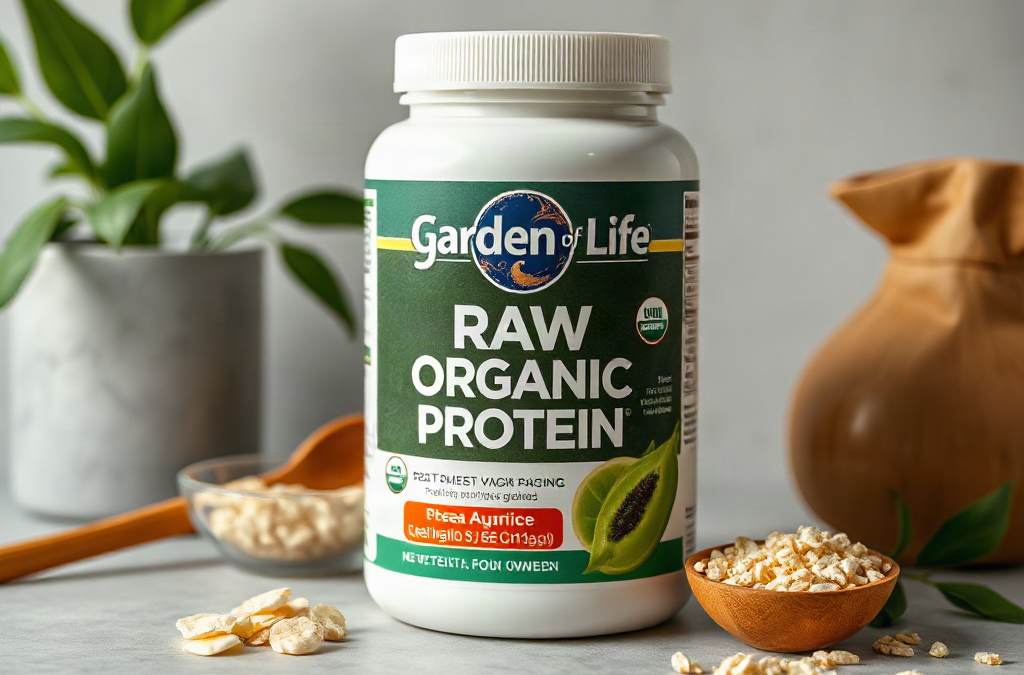
The Garden of Life Raw Organic Protein ingredient review is generally favorable for shoppers seeking an organic, plant-based powder, but the label deserves closer inspection than the word “raw” suggests. Its main protein sources are typically organic peas and other plant ingredients, while added enzymes, flavoring components, sweeteners, and any included vitamins or minerals affect the product’s overall fit. The powder may work well in smoothies for people who value an organic formula and convenient protein, yet it is not equivalent to whole foods and may cause digestive discomfort for some users. Compare the exact package label, protein amount, allergen statement, and serving-size details before buying because formulas can change.
What the Ingredient List Reveals
A useful review begins with the full ingredient panel, not the front-label words “raw,” “organic,” or “plant protein.” Garden of Life Raw Organic Protein products have commonly been positioned as organic, plant-based powders built around ingredients such as pea protein and additional plant protein sources. The exact blend, flavor system, micronutrients, and serving information depend on the specific product and package version, so the tub in your kitchen is more authoritative than an older online listing.
Pea protein usually supplies the formula’s structural foundation because it contributes substantial protein without relying on dairy. A blend may include other organic seeds, grains, or legumes to broaden the amino-acid profile and change the texture. That combination is different from a single-ingredient pea powder: blends can taste rounder and provide a more varied protein profile, but they also create a longer label that deserves closer screening.
The word “raw” should not be treated as a guarantee of superior nutrition. In a protein powder, it generally describes how ingredients are processed or marketed rather than proving that the product is nutritionally better than a conventionally processed alternative. Organic certification addresses production standards for qualifying agricultural ingredients; it does not automatically mean the powder has no sweeteners, natural flavors, processing aids, or digestive complaints.
When reviewing the package, separate ingredients into four groups: protein sources, flavor and sweetening ingredients, added nutrients or enzymes, and substances relevant to allergies or dietary restrictions. That simple separation prevents a common mistake—assuming every ingredient has the same nutritional role. For a broader comparison, readers can use this Garden of Life raw organic protein ingredient review alongside the current Supplement Facts panel and ingredient list.
Protein Sources, Amino Acids, and Practical Value
Pea-based protein can be a practical choice for people avoiding whey, milk, or egg ingredients. It is concentrated compared with whole peas and can make a smoothie more filling than fruit and liquid alone. The relevant question is not whether the powder contains a fashionable plant ingredient; it is whether the protein amount per serving fits the person’s meal pattern, activity, and total daily intake.
Plant proteins differ in amino-acid distribution. A blended formula may reduce the limitations associated with depending on one plant source, but the label still does not tell the whole story unless it provides an amino-acid profile. Protein quality also depends on the amount consumed and what the rest of the diet supplies. A smoothie made with the powder, soy milk, oats, and nut butter creates a different nutritional context from a scoop mixed with water.
Consider two realistic uses. Someone replacing a breakfast pastry may value the powder because it adds a predictable protein component to fruit, oats, and unsweetened milk. Someone already eating beans, tofu, lentils, eggs, fish, or dairy at regular meals may gain less from adding a powder and may prefer whole foods for their fiber, texture, and broader micronutrient contribution. The powder is a convenience food, not a substitute for a varied diet.
Serving size can mislead when people compare tubs by container price. A larger container may provide fewer servings if the label calls for a generous scoop, while a lower-cost powder may deliver more protein per dollar. Check protein per serving, servings per container, and the number of scoops required. If the product feels gritty or leaves a heavy aftertaste, blending it with yogurt or a higher-volume smoothie may help, although that also adds calories and other ingredients.
A weak assumption is that “more protein” is automatically better. The useful target is the amount that complements the person’s meals without displacing foods they tolerate and enjoy. Readers comparing options can also review the ingredient details and serving-size tradeoffs here before treating a plant blend as a direct replacement for a dairy-based powder.
Sweeteners, Enzymes, Flavors, and Digestive Tradeoffs
The non-protein ingredients often determine whether a powder is pleasant enough to use consistently. Flavored versions may contain natural flavors, cocoa or vanilla components, salt, sweeteners, and thickeners. Unflavored versions typically offer more control over taste but can expose the earthy or bean-like notes of plant protein. Neither format is automatically healthier; the better choice depends on how the powder will be used.
Sweeteners deserve a practical reading rather than a simplistic good-or-bad judgment. A modestly sweet powder can make a smoothie easier to drink and may reduce the need for added sugar elsewhere in the recipe. Some people, however, dislike the aftertaste of stevia or similar high-intensity sweeteners. Others may experience bloating or loose stools from a combination of sweeteners, added fibers, or a large serving. The response depends on the complete formula and the individual, not just one recognizable ingredient.
Digestive enzymes are another area where labels can create inflated expectations. An enzyme blend may be included to support the breakdown of certain food components, but its presence does not prove that the product will prevent gas, improve nutrient absorption, or resolve a digestive disorder. Persistent pain, diarrhea, vomiting, or unexplained weight change calls for medical evaluation rather than repeated experimentation with protein powders.
A sensible trial starts with a smaller portion mixed into a familiar food or beverage. Use the same serving for several occasions and observe texture, satiety, taste, and gastrointestinal response. If symptoms appear, check whether the issue could also come from the milk substitute, fruit volume, sugar alcohols, or another smoothie ingredient. Changing several variables at once makes the cause harder to identify.
- Prefer a shorter label: choose an unflavored or lightly flavored version if you want to control sweetness and add-ins.
- Prefer convenience: a flavored option may be worthwhile if it replaces a less balanced snack and you tolerate the ingredients.
- Use caution: read allergen and facility statements carefully when allergies or cross-contact are concerns.
How to Check the Current Label Before Buying
Product comparisons are only reliable when they use the same flavor, serving size, and package date. Retailer pages may show incomplete panels, and reformulated products can retain familiar branding while changing their ingredient order. Start with the current label image or manufacturer documentation, then verify the protein quantity, calories, carbohydrates, fiber, sodium, and any added vitamins or minerals.
Ingredient order provides useful clues because packaged-food ingredients are generally listed by weight at the time of manufacture. The first several entries show whether the formula is primarily a protein blend or whether a flavoring base, sweetener, or other component occupies a meaningful place. That does not make lower-listed ingredients irrelevant: people with allergies, sensitivities, or specific dietary rules may care about even small amounts.
Use this compact buying check:
- Match the flavor and formula to the product you intend to purchase.
- Compare protein per serving rather than container size alone.
- Read every ingredient for sweeteners, enzymes, gums, grains, legumes, and flavor components.
- Check allergen, organic, and third-party quality statements on the actual package.
- Decide whether the cost is justified by taste, tolerance, and convenience in your normal meals.
Third-party testing and manufacturing information can add confidence about identity and contamination controls, but a seal or marketing statement does not answer every nutrition question. It does not tell you whether the powder tastes good, suits your digestion, or improves a meal that already contains enough protein. A label review should therefore combine safety information with use-case testing.
One common failure is comparing an older review with a newly purchased tub and assuming the formula is unchanged. Record the exact product name, flavor, and label date when evaluating it. That habit is particularly useful for people who rotate between chocolate, vanilla, and unflavored versions, because their sweeteners and supporting ingredients may differ.
Who Should Use It and Who May Prefer Another Option
This powder may suit adults who want an organic plant-based protein option, avoid dairy, or need a portable ingredient for smoothies and simple snacks. Its practical advantage is convenience: a scoop can be combined with banana, berries, oats, or fortified soy beverage when preparing a full meal is difficult. The decision becomes less attractive when the user dislikes earthy flavors, reacts to the formula, or expects a supplement to compensate for a diet lacking legumes, vegetables, or adequate calories.
A person seeking the simplest possible ingredient panel might prefer an unflavored pea protein with no enzyme blend or sweetener. Someone prioritizing a creamier texture may choose whey, soy, or another alternative, depending on dietary restrictions and tolerance. Soy can provide a strong plant protein option, while dairy-based powders may deliver a different texture and amino-acid profile. Those comparisons are not universal rankings; they are reminders that the best product depends on the reason for buying it.
People who are pregnant, managing kidney disease, taking medications, or following a medically prescribed diet should ask a qualified clinician or dietitian whether a concentrated supplement fits their circumstances. Children should not be given adult supplements casually. Anyone with a diagnosed allergy should rely on the package’s current allergen information and contact the manufacturer when the statement is unclear.
Signs that the product is working as intended are modest and practical: it tastes acceptable, fits the planned meal, provides the expected protein, and causes no troublesome symptoms. Signs it is a poor fit include repeated digestive distress, excessive sweetness, an ingredient conflict, or a price that leads to inconsistent use. The full label perspective matters more than a “raw” or “organic” headline alone.
For the most reliable product assessment, consult the current manufacturer label, the USDA information on organic production, and NIH consumer resources on dietary supplements. These sources can clarify certification language, supplement-label conventions, and the limits of assuming that a branded ingredient claim predicts an individual response.
Frequently Asked Questions
Is Garden of Life Raw Organic Protein a complete protein?
The answer depends on the exact formula and whether it provides a full amino-acid profile. A blend of plant proteins may offer broader amino-acid coverage than a single source, but the label should be checked rather than assumed to be complete.
Does “raw” mean the protein powder is unprocessed?
No. “Raw” is a processing and marketing description, not proof that the powder is unprocessed or nutritionally superior. Review the manufacturing information and nutrition panel for the specific product.
Can the enzyme blend prevent bloating?
Not reliably. Enzymes may be included for a formulation purpose, but bloating can result from the protein source, sweeteners, added fibers, serving size, or other smoothie ingredients.
Is an organic protein powder better than whole-food protein?
Not automatically. The powder offers convenience and concentrated protein, while foods such as lentils, tofu, beans, yogurt, eggs, fish, and nuts contribute different combinations of fiber and nutrients.
What should I compare before purchasing?
Compare the current flavor-specific ingredient list, protein per serving, sweeteners, allergen statement, serving count, cost, and your expected tolerance. Container size alone is a weak value measure.
Conclusion
Garden of Life Raw Organic Protein can be a reasonable convenience choice when an organic plant-based powder fits your dietary preferences and the current label matches your expectations. The most useful review focuses on the protein blend first, then examines sweeteners, flavoring ingredients, enzymes, allergens, serving size, and cost. Treat “raw” as a processing description rather than a nutritional guarantee, and do not assume an enzyme blend will solve digestive symptoms. Test a modest portion in a simple smoothie, change only one variable at a time, and compare the result with whole-food options such as beans, tofu, soy milk, eggs, or yogurt. If the powder causes persistent symptoms or conflicts with a medical diet, stop experimenting and seek qualified advice.
Huge Discount on the Best Certified Organic Nutrient Dense Supplement!