
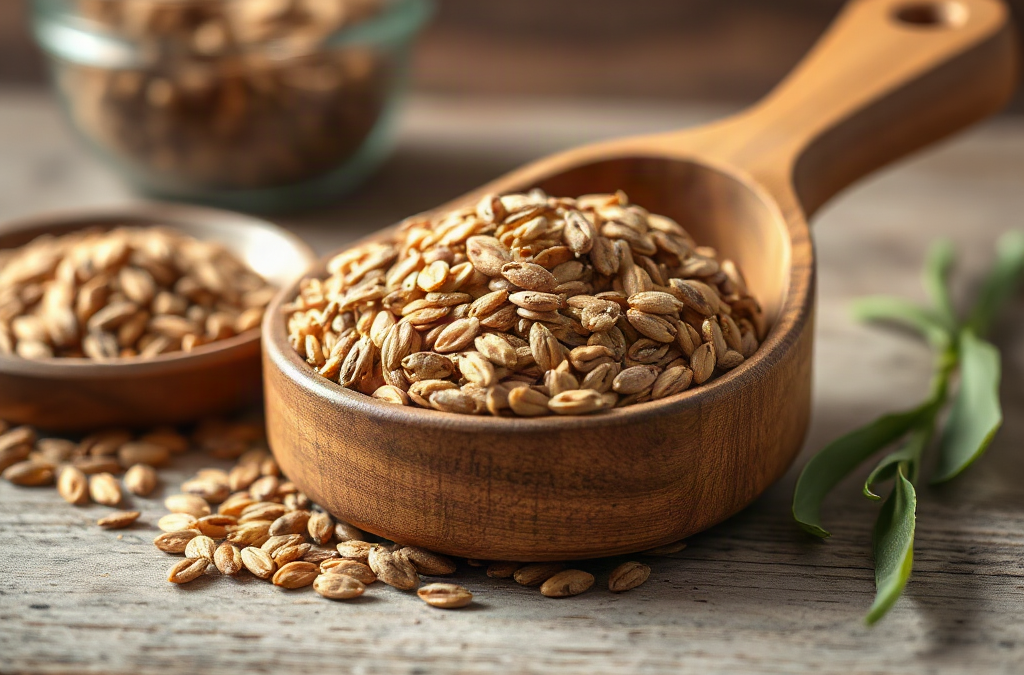
Why Grinding Changes Flaxseed Storage
Whole flaxseed and ground flaxseed are nutritionally similar starting materials, but they behave differently once the seed is broken apart. The intact hull protects the interior from much of the surrounding oxygen and light. Grinding creates a larger exposed surface, allowing air to contact the seed’s oils more readily. That change is why a pantry container of whole seeds may remain useful for a long time while a jar of flax meal can develop stale flavors sooner.
Flaxseed is valued for fiber, plant protein, lignans, and alpha-linolenic acid, a plant-based omega-3 fat. The oil component is also the reason storage deserves attention: unsaturated fats are vulnerable to oxidation. Oxidation does not happen at one fixed speed. Warm temperatures, direct light, repeated opening, moisture, and a large headspace in the container can all make deterioration more likely.
Organic certification does not make flaxseed immune to rancidity. It describes how the crop was produced and handled under the applicable organic standard; it does not replace freshness control after purchase. A sealed bag of organic whole seeds is therefore often a better long-term purchase than a large package of pre-ground meal if you use flaxseed slowly.
Consider two households. One adds a tablespoon to breakfast most days and keeps a small amount of whole seed in the cupboard. Grinding enough for several days and chilling the remainder is sensible. Another household uses flax only occasionally. For that reader, grinding on demand avoids storing a large amount of exposed meal. The practical choice depends less on whether a grinder is fashionable and more on how quickly the food will be consumed.

For related food-use ideas, see Grinding and storing organic flaxseed for nutrition alongside the storage recommendations below. The priority is simple: buy a quantity you can use while fresh, preserve whole seeds when possible, and treat ground flax as a perishable pantry ingredient rather than an indefinitely stable powder.
How to Grind Flaxseed Without Unnecessary Heat
A small electric coffee grinder, spice grinder, or dedicated seed mill can produce a useful flax meal at home. A blender may work for a larger quantity, but its broad container often leaves seeds circulating unevenly, especially when only a few spoonfuls are being processed. The best tool is the one that gives a reasonably even grind without requiring a long, hot run.
Measure only what you expect to use soon, then pulse the grinder in short bursts. Pausing between bursts limits heat buildup and lets the seeds settle toward the blades. Flaxseed contains oil, so grinding continuously can smear meal onto the sides and make cleanup harder. A coarse meal is suitable for stirring into oatmeal or yogurt; a finer meal works better in smoothies, batters, and recipes where a sandy texture would be distracting.
Keep the grinder dry before adding the seed. Residual water or damp ingredients can cause clumping and shorten storage life. A grinder used for coffee, chili, or strongly flavored spices may also transfer odors. Wipe it thoroughly and allow it to dry completely, or use a separate mill for neutral-tasting foods.
Grinding immediately before eating gives the strongest freshness advantage, but it is not the only reasonable method. A two- or three-day batch saves time and still limits prolonged exposure compared with buying a large bag of meal. Do not assume that a finer grind is automatically more nutritious. Finer particles may disperse more easily, while a coarser meal can be more pleasant in some foods and may be less messy to prepare.
A useful routine is to grind enough for several breakfasts, cool it briefly if the grinder became warm, and transfer it straight to storage. Avoid leaving the meal uncovered beside a warm appliance. If the meal smells neutral and nutty, pours freely, and is used promptly, the process is working. If it becomes clumpy, unusually dark, or noticeably oily on the surface, review heat, moisture, and container practices before making a larger batch.
Refrigerating and Freezing Ground Flaxseed
Ground flaxseed should be kept in an airtight container in the refrigerator for routine short-term storage. A small glass jar or food-safe container with a tight seal works well. Opaque or dark storage reduces light exposure, while a container sized close to the amount of meal reduces the air trapped above it. Labeling the grind date prevents the common mistake of treating an old container as if it were newly milled.
Refrigeration slows oxidation but does not stop it. Each time the lid is opened, fresh air enters, and condensation can become a concern if a cold container is opened in a humid kitchen. Keep the jar closed except when measuring, use a clean dry spoon, and do not return wet meal or food-contaminated leftovers to the container.
Freezing is more useful when you grind a larger amount, buy ground flax in bulk, or use the ingredient irregularly. Divide the meal into small portions so the main supply is not repeatedly thawed and exposed. A well-sealed freezer container or pouch with excess air pressed out is preferable to a loosely closed bag. Let only the portion you need come to room temperature, and reseal the remainder promptly.
Whole seeds can generally be stored in a cool, dry, dark cupboard when the package is sealed and the environment is stable. A warm cabinet beside an oven is a poor choice. Once opened, transfer the seeds to a tightly closed container if the original packaging does not protect against air and light. Refrigerating whole seeds is also reasonable, especially in a warm home, but it is not a requirement for every short-use situation.
Storage location should match consumption speed. A person using ground flax daily may keep a working jar in the refrigerator and replenish it from a smaller frozen reserve. Someone preparing one recipe a month should freeze small portions or grind only what the recipe needs. This approach is more reliable than relying on a printed date alone, because package dates do not reveal how the product was stored after opening.
Using Ground Flaxseed in Everyday Foods
Ground flaxseed is easiest to use when it is treated as an ingredient with texture, fiber, and fat rather than as a flavorless supplement. Stir it into oatmeal, overnight oats, yogurt, applesauce, or a smoothie. It can also be mixed into whole-grain muffin batter, homemade energy bites, or a bean burger mixture. These applications distribute the meal through food and make portion control easier than eating it dry by the spoonful.
Liquid changes how flax behaves. The soluble fiber and other components absorb water, causing the mixture to thicken. In overnight oats, a modest amount can improve body; in a smoothie, it may become noticeably dense after standing. Add enough liquid for the finished food and drink fluids normally. Large sudden increases in fiber may cause gas, bloating, constipation, or loose stools in some people, particularly when the rest of the diet is low in fiber.
Flax can also serve as an egg substitute in some baked goods. A common kitchen method combines ground flax with water and allows it to thicken before mixing it into the batter. The result depends on the recipe: it may contribute binding and moisture, but it will not reproduce every function of an egg, especially in recipes that depend on foaming or a firm set. Testing the substitution in cookies or quick breads is more predictable than using it in a delicate cake.
Whole seeds and ground meal are not interchangeable in every context. Whole seeds add crunch but may pass through the digestive tract less thoroughly than a finely ground form. Ground meal blends better and makes the oil and fiber-containing interior available within the food, but it has the shorter storage window. Neither form should be presented as a treatment for a medical condition, and flax is not a replacement for prescribed care.
Use the product in foods you already prepare rather than forcing a complicated routine. A spoonful in breakfast porridge may be more sustainable than a large batch reserved for an occasional recipe. If the flavor is bitter or the texture is unpleasant, reduce the amount, grind more finely, or choose a different application; adding a stale product to a strongly flavored dish only hides a quality problem rather than fixing it.
Freshness Checks, Mistakes, and Practical Priorities
The strongest freshness test for ground flaxseed is sensory. Fresh meal usually has a mild, nutty, seed-like aroma. A sharp bitter smell, crayon-like odor, paint-like note, or unpleasant aftertaste suggests oxidation. Visible mold, dampness, insects, or unexplained moisture warrants discarding the product. Do not taste a questionable batch repeatedly to decide whether it is safe, and do not attempt to rescue stale meal by toasting it or mixing it into a strongly seasoned food.
Several storage mistakes are especially common. Leaving ground flax in the grinder exposes it to air and makes residue difficult to clean. Keeping it in a clear jar on a sunny counter adds light and warmth. Opening a large container every morning exposes the entire supply when separate portions would reduce that contact. Storing it above a stove or beside a dishwasher adds repeated heat. Buying more than the household can use before quality declines wastes both food and money.
A compact decision checklist can keep the routine practical:
- Use flax often: grind a small refrigerated batch and refill it frequently.
- Use flax occasionally: grind per recipe or freeze individual portions.
- Have a warm kitchen: favor refrigeration for opened whole seeds and ground meal.
- Notice stale odor or taste: discard the meal and inspect the storage container and purchase size.
- Increase intake substantially: do so gradually and maintain ordinary fluid intake.
Medication and health context may also matter. Flaxseed adds fiber and may affect how some people tolerate meals or take oral products. Anyone with swallowing difficulty, a digestive condition, or questions about medication timing should ask a qualified clinician or pharmacist rather than assuming that a food-based ingredient is risk-free for every person. Organic labeling does not change that individual context.
For a simple household system, keep whole seeds sealed in a cool, dark place, grind only a short supply, refrigerate the working portion, and freeze surplus meal in dated portions. That arrangement balances flavor, convenience, waste, and nutrition without requiring specialized equipment.
Frequently Asked Questions
Is it better to buy whole or ground flaxseed?
Whole seed usually offers better storage flexibility because the hull limits exposure of the interior oils. Ground meal is convenient, but it should be used promptly and stored cold after opening.
Can ground flaxseed be stored at room temperature?
It can be kept briefly in a cool, dark, tightly sealed place, but refrigeration is a more dependable choice for an opened package. Warmth, light, and repeated air exposure shorten its useful quality.
How do I know when flaxseed meal has gone bad?
Look for a bitter or paint-like odor, unpleasant stale taste, dampness, mold, or insects. Discard questionable meal rather than masking its flavor in another food.
Can I freeze freshly ground flaxseed?
Yes. Divide it into airtight portions, remove excess air, label the date, and thaw only the amount needed. Small portions prevent repeated warming and opening of the full supply.
How should I add flaxseed to meals?
Mix ground flax into oatmeal, yogurt, smoothies, quick breads, or other moist foods. Increase the amount gradually if your usual diet is low in fiber, since a sudden increase may cause digestive discomfort.
Conclusion
Freshness depends on exposure, not on the word organic alone. Whole flaxseed is the practical long-term format, while ground flaxseed is most useful when prepared in small amounts and protected from heat, light, moisture, and repeated contact with air. Refrigerate the portion you will use soon and freeze dated portions when a larger batch is unavoidable. Grind with short pulses, use a dry clean tool, and judge old meal by its aroma and flavor rather than by appearance alone. Add it to familiar foods such as oats, yogurt, smoothies, or baked goods, and increase fiber gradually. A modest, repeatable routine usually preserves quality better than buying a large quantity for convenience.
Huge Discount on the Best Certified Organic Nutrient Dense Supplement!



