
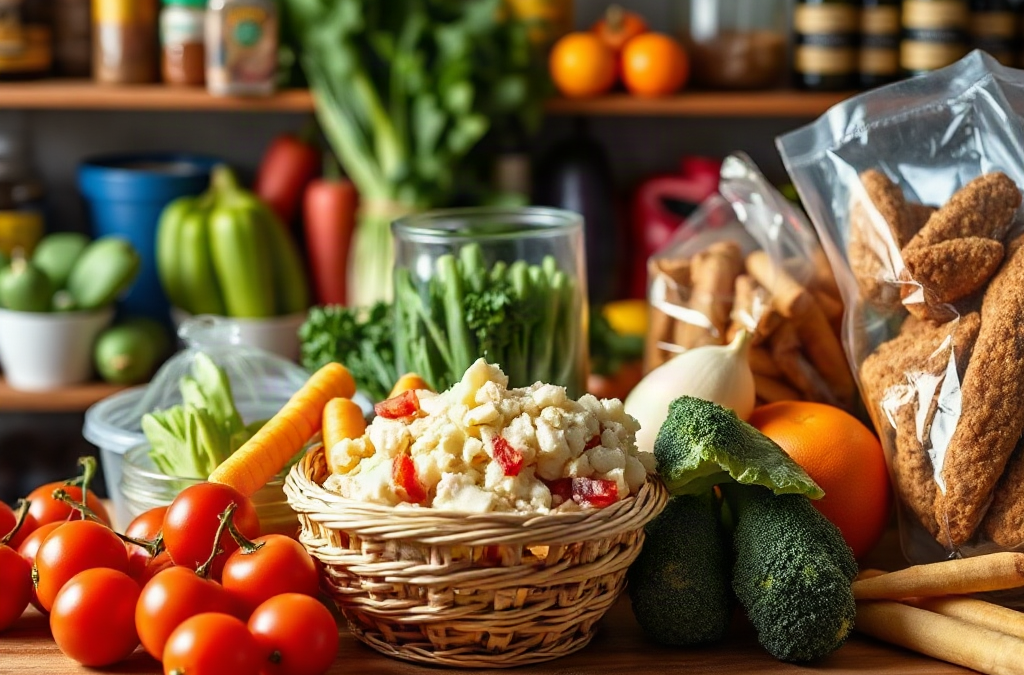
How to identify and avoid harmful additives in organic foods comes down to reading the full ingredient list, distinguishing certified-organic rules from health claims, and judging each additive by its purpose and your own sensitivity. Check for colorants, preservatives, sweeteners, emulsifiers, and flavoring terms rather than relying on the front label alone. Organic certification limits which substances may be used, but it does not mean every packaged product is minimally processed or suitable for every person. Compare similar products, favor recognizable ingredients, and replace highly formulated items with simple versions when the label is unclear.
What Organic Certification Does—and Does Not—Tell You
Organic certification describes how an agricultural product was produced and which substances may be used during production and processing. It does not automatically mean a packaged food contains no additives, no added sugar, or no ingredient that could bother a particular person. An organic cracker, soup, yogurt, or snack bar may still contain stabilizers, leavening agents, preservatives, thickeners, or natural flavors.
The useful distinction is between certification status and ingredient quality. A certified-organic label provides a regulatory screen, while the ingredient list reveals how extensively the food has been formulated. Those two pieces of information answer different questions. A product can meet organic requirements and still be less appealing than a conventional alternative with a shorter, clearer ingredient list.

For example, compare two tomato sauces. One may display an organic seal but include several forms of sweetener, concentrated flavoring, and multiple texture agents. Another may contain organic tomatoes, onions, olive oil, garlic, herbs, and salt. The second product is not automatically safer for every diet, but its composition is easier to evaluate and its flavor depends more on recognizable foods.
A common mistake is treating the word “natural” as a stronger safety guarantee than certification. “Natural” can describe flavoring or processing language without explaining the ingredient’s source, concentration, or purpose. A better approach is to use the front panel for product identity and the back panel for evidence. Readers who want broader context can also review how to identify and avoid harmful additives in organic foods alongside the package’s certification and ingredient information.
How to Read an Additive Label Precisely
The ingredient list is arranged by weight at the time ingredients are added, so the first few entries usually tell you more about the product’s foundation than the final items. Additives may appear near the end in small quantities, but their position does not determine whether they matter to you. A small amount can still be relevant for someone with an allergy, intolerance, or sensitivity.
Begin by identifying the food’s main ingredients. In a granola bar, look for the grain, nuts, seeds, fruit, oil, and sweetener before examining the supporting ingredients. Then ask what each unfamiliar term does: preserve freshness, prevent separation, add color, control acidity, create sweetness, or improve texture. Function helps prevent two opposite errors—assuming every technical name is dangerous or assuming every permitted substance is desirable.
Watch for grouped wording. “Natural flavors” and “artificial flavors” can represent mixtures rather than one plainly named compound. “Spices” may cover several flavor ingredients. A person managing a specific allergy should not guess from a vague term; contacting the manufacturer or choosing a product with more transparent labeling may be safer. Certified-organic products can still use some permitted processing aids, and the presence of an allowed additive does not establish that it causes harm.
Use a comparison rather than a single-ingredient hunt. Put two similar cereals or plant-based milks side by side and check added sugars, flavoring terms, emulsifiers, gums, and the number of ingredients. If one product has a short list but contains a known trigger for you, it is not the better choice. Personal medical conditions, prescribed diets, and confirmed allergies require individualized advice from a qualified clinician rather than internet-based elimination rules.
- Identify: What is the food primarily made from?
- Interpret: What job does each unfamiliar additive perform?
- Verify: Does the product contain a known allergen or trigger?
- Compare: Is there a simpler equivalent with similar nutrition and price?
Additives Worth Scrutinizing in Packaged Products
Not all additives belong in one “harmful” category. Preservatives can slow spoilage, acidity regulators can make a product stable, and emulsifiers can keep oil and water from separating. Removing every additive would also remove some useful functions, particularly in foods that need a reasonable shelf life. The more practical question is whether the additive serves a necessary function in a product you eat often and whether a simpler alternative is available.
Pay particular attention to products containing several sweetening ingredients, intense colorants, extensive flavoring language, or a long combination of texture agents. These features often signal a highly formulated food, even when the package carries an organic claim. The concern is not that a single label term proves toxicity; it is that a heavily engineered product may displace beans, vegetables, fruit, whole grains, nuts, or other foods that contribute fiber and nutrients.
Emulsifiers and gums deserve a context-sensitive reading. They can improve the texture of an organic dressing or keep a dairy-free beverage uniform. Someone who tolerates the product may reasonably prioritize its protein, calcium, or convenience. Someone who notices digestive symptoms after repeated use may choose a version with fewer stabilizers and monitor whether the change helps. Symptoms should not be self-diagnosed as additive reactions, since infections, intolerances, allergies, and unrelated digestive conditions can feel similar.
Preservatives create a genuine tradeoff. A preservative may reduce mold or rancidity in a packaged food, while a preservative-free product may spoil faster or require refrigeration. “Free from preservatives” is not a guarantee of better nutrition if the replacement is more sugar, more salt, or a shorter-lived product that is frequently wasted. Check storage instructions, use-by information, and the full nutrition panel rather than rewarding a single marketing claim.
Color is another useful signal. Brightly colored candies, cereals, and drinks may contain coloring ingredients that some shoppers prefer to limit, especially when the product offers little nutritional value. An organic fruit snack colored with concentrated juice is still a processed sweet, not a substitute for whole fruit. The strongest priority is the overall eating pattern: additive scrutiny works best when it directs purchases toward simpler foods instead of creating fear around every unfamiliar word.
A Practical Shopping Method for Safer Choices
A reliable store routine takes less time when you use the same sequence for each packaged food. First, decide whether the item is a regular staple or an occasional convenience. A complicated ingredient list in a food eaten once at a gathering has a different priority from the same list in a daily breakfast or snack. Frequency, portion, and your personal response provide useful context.
Next, read the ingredient list from the beginning and mark terms that need verification. Do not rely on a phone app’s traffic-light rating as the final decision; databases may simplify regulatory information, overlook serving size, or treat all additives as equivalent. Official labeling and manufacturer information are better sources for identifying an ingredient, while a registered dietitian or clinician can help interpret it within a medical diet.
Then compare products within the same shelf category. A plain organic rolled oat product may have one ingredient, while an organic flavored instant oatmeal may include sugar, flavoring, color, and several texture or anti-caking agents. The plain oats require more preparation, but cinnamon, chopped apple, walnuts, or milk can add flavor and nutrients without recreating a long formulation. The convenient version may still be appropriate when time is limited; the decision should reflect the actual tradeoff rather than a purity standard.
Use this compact checklist before putting the product in your cart:
- Read the complete ingredient list, not just the organic seal or front-of-package claims.
- Look for known allergens, vague flavoring terms, and several additives serving the same cosmetic purpose.
- Compare a simpler product, a less sweet version, or a whole-food substitute.
- Check refrigeration, shelf life, and serving size before rejecting a useful preservative.
- Record recurring symptoms with the product name and portion, then seek professional guidance if the pattern persists.
A frequent failure mode is buying a replacement without checking what replaced the removed ingredient. A “no artificial colors” cookie may contain more sugar; a “clean label” beverage may use several concentrated sweeteners. Judge the entire package, including protein, fiber, sodium, added sugars, and cost. How to identify and avoid harmful additives in organic foods becomes practical when the method produces a better everyday choice, not merely a shorter list.
When to Avoid, Replace, or Keep a Product
Choose avoidance when the label contains a confirmed allergen, a medically advised restriction, or an ingredient that repeatedly causes a documented reaction. Food allergies can be serious, and “organic” does not remove allergen risk. Shared equipment, cross-contact statements, and manufacturer communication may matter as much as the ingredient list for someone with a diagnosed allergy.
Choose replacement when a product is eaten frequently, offers little nutritional value, and has a readily available alternative. For example, a sweetened organic drink with multiple flavoring and coloring ingredients can often be replaced by water, unsweetened tea, or sparkling water with fruit. An organic packaged soup may be worth keeping if it provides vegetables and beans at a manageable price, even if it includes a stabilizer that improves texture.
Keep a product when its additive has a clear technical purpose, the food contributes something useful, and you tolerate it without a relevant medical concern. Shelf-stable legumes, fortified plant beverages, and frozen foods can make nutritious eating more realistic for people with limited time or storage. A rigid rule against every additive may push shoppers toward expensive products, unnecessary waste, or less nutritious choices.
Test changes methodically rather than eliminating multiple foods at once. Change one frequent product, keep portions and other meals reasonably steady, and note whether the suspected issue changes. A symptom diary cannot diagnose a condition, but it can give a healthcare professional more useful information. For children, pregnancy, chronic digestive symptoms, or restricted diets, professional support is especially appropriate because broad avoidance can reduce energy or nutrient intake.
The practical goal is not an additive-free pantry. It is a food pattern built mainly from minimally processed ingredients, with packaged foods selected because their purpose, composition, and tradeoffs are understandable. That standard leaves room for convenience while reducing dependence on products whose labels are difficult to interpret.
For current ingredient and labeling questions, consult the USDA National Organic Program and the U.S. Food and Drug Administration rather than relying on viral additive lists. Their official pages explain organic production rules, food labeling, allergens, and the role of ingredients in packaged foods.
Frequently Asked Questions
Does organic mean a food has no additives?
No. Organic packaged foods may contain permitted additives and processing ingredients. Read the complete ingredient list and assess the product’s overall formulation.
Are unfamiliar chemical-sounding names automatically harmful?
No. A technical name may describe a preservative, acidity regulator, or texture aid with a specific function. Verify the ingredient and consider your own medical or dietary context.
Should I avoid natural flavors in organic foods?
Not automatically. Natural flavors can represent mixtures, so people managing allergies or sensitivities may prefer clearer labeling or manufacturer confirmation.
What is the fastest way to find a simpler product?
Compare two similar items side by side, beginning with the first ingredients and then checking sweeteners, colors, flavoring terms, texture agents, sodium, and added sugars.
Can additives cause digestive symptoms?
Some people may react to specific ingredients, but similar symptoms have many possible causes. Track portions and products, and seek qualified medical advice instead of assuming an additive is responsible.
Conclusion
Reading an organic seal is only the first step. The more useful decision comes from examining the full ingredient list, identifying what each additive does, and comparing the product with a simpler option in the same category. Give extra attention to foods eaten daily, products with several sweeteners or cosmetic additives, and any label that includes a confirmed allergen or vague wording relevant to your health needs. Preserve useful convenience when it improves the overall diet, because a preservative or stabilizer may have a practical role. Favor meals built around vegetables, fruit, beans, whole grains, nuts, and other recognizable foods, then use packaged choices selectively. When symptoms or allergy concerns are involved, document the pattern and involve a qualified professional rather than relying on blanket online avoidance lists.
Huge Discount on the Best Certified Organic Nutrient Dense Supplement!

Additional Resources
Authoritative Sources
- Organic foods: Are they safer? More nutritious?
mayoclinic.orgOrganic ingredients may be added to processed products that are high in calories, sodium or added sugar. So check the label of organic products ...


