
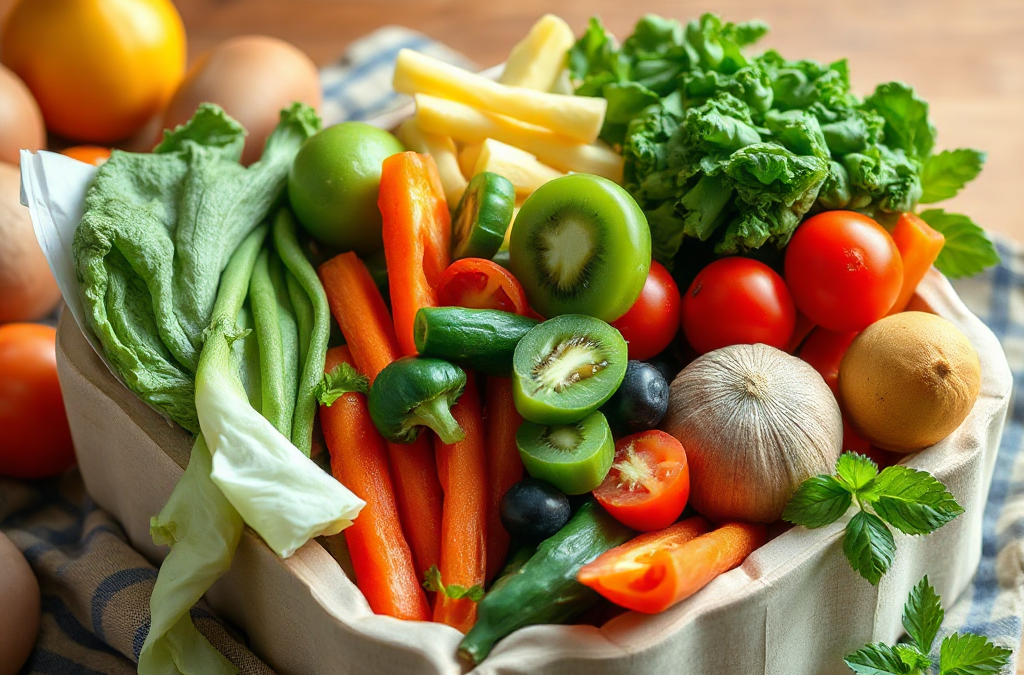
The effects of organic diets on weight management are usually indirect: organic choices may encourage more whole foods and fewer heavily processed products, but weight change still depends mainly on calorie intake, portions, protein, fiber, activity, and consistency. Organic labels describe production methods, not a guaranteed lower-calorie profile, so organic cookies, oils, juices, and large portions can still hinder progress. A useful approach is to prioritize organic vegetables, fruit, beans, whole grains, and minimally processed proteins when affordable, then compare nutrition labels and serving sizes. Budget, access, personal preferences, and the overall eating pattern matter more than choosing organic for every item.
What Organic Choices Can and Cannot Change
Organic diets may support weight management when they shift daily eating toward vegetables, fruit, legumes, whole grains, nuts, seeds, and minimally processed foods. The label itself does not make a product low in calories, high in fiber, or more filling. Organic and conventional versions of many foods can both fit a weight-management plan, while an organic product made with refined flour, added sugar, or concentrated fat may remain energy-dense.
Organic certification generally concerns how agricultural ingredients are produced and handled. It does not promise a particular calorie count or guarantee that a food will produce weight loss. That distinction prevents a common mistake: treating “organic” as a health halo and eating larger portions of organic granola, snack bars, cheese, baked goods, or sweetened drinks. Weight change reflects the pattern of energy intake and expenditure over time, not a single production label.

The potential advantage is behavioral. Someone who shops mainly around organic produce, beans, eggs, plain yogurt, oats, and whole grains may have fewer ultra-processed snack foods at home and more meals built from filling ingredients. That pattern can make portion control easier. Another person may buy organic packaged foods because they seem healthier, yet consume similar or greater amounts than before. The outcome differs because the surrounding choices differ.
Use the effects of organic diets on weight management as a question about the entire eating pattern rather than a promise attached to individual products. Prioritize foods that deliver protein, fiber, water, and volume; use organic status as a preference when it fits your values and budget. If medical conditions, pregnancy, eating-disorder history, or major unintentional weight change is involved, individualized advice from a qualified clinician or registered dietitian is more appropriate than a general diet rule.
Whole Foods, Calories, and Appetite Control
Weight-management results are often easier to sustain when meals contain enough protein and fiber to moderate hunger. Vegetables and fruit add water and volume; beans and lentils combine fiber with plant protein; oats and other intact grains provide slower-digesting carbohydrate; and foods such as eggs, fish, tofu, plain dairy, or poultry can make a meal more satisfying. Organic versions may be selected within each group, but the satiety mechanism comes from the food’s composition and portion, not the certification alone.
Consider two breakfasts. An organic sweetened granola served generously with a flavored yogurt may contain more concentrated calories than expected. An organic bowl of plain oats with berries, Greek-style yogurt, and a measured portion of nuts may provide more protein and fiber, but the nuts still need portion awareness because their energy density is high. Both meals can be nutritious; the second may be easier to fit into a calorie budget if it matches the person’s hunger and serving needs.
Processing deserves careful interpretation. Frozen organic vegetables, canned organic beans, and plain organic tomatoes can be practical staples with useful nutrition and little preparation. By contrast, organic chips, pastries, sweetened cereals, and beverages can be convenient but less filling relative to their calories. Rejecting all processed food is unnecessary and may make a plan too expensive or difficult. The more useful comparison is minimally processed versus highly refined, then portion size and added ingredients.
A simple plate check can reveal whether the pattern is likely to work:
- Include a clear protein source at meals.
- Make vegetables or fruit a substantial part of the plate.
- Choose a satisfying carbohydrate, such as potatoes, beans, oats, or brown rice, according to energy needs.
- Add fats deliberately through foods such as olive oil, avocado, seeds, or nuts rather than pouring or grazing without measuring.
Signs the approach is working include steadier hunger, fewer unplanned snacks, adequate energy, and portions that feel manageable. Signs it is failing include constant food preoccupation, evening overeating, fatigue, or rigid avoidance of affordable nonorganic foods. Those signals call for adjusting meal structure and sustainability, not automatically buying more premium products. The effects of organic diets on weight management become more favorable when food quality improves without creating deprivation or financial stress.
Building an Organic Eating Pattern for Weight Goals
A workable plan begins with the foods that appear most often, not with a demand that every ingredient be organic. A household might choose organic apples, greens, oats, lentils, and eggs while buying conventional foods where prices or availability make more sense. This approach protects the budget and keeps the central goal—consistent, balanced meals—larger than the label decision.
Start by assembling three or four repeatable meals. For example, breakfast could combine oats, plain yogurt, berries, and seeds. Lunch might use lentils, roasted vegetables, a whole grain, and a yogurt-based dressing. Dinner could pair tofu or fish with potatoes and a large serving of vegetables. A planned snack such as fruit with cottage cheese or carrots with hummus can be useful when there is a long gap between meals. These combinations provide a structure that is easier to monitor than continuous grazing.
Portion design matters even when ingredients are nutrient-dense. Use a measured amount of oil for roasting, pre-portion nuts, and serve granola or dried fruit in a bowl rather than eating from the package. Batch cooking can help, but a large container of calorie-dense food can also encourage repeated servings. Store ready-to-eat vegetables and protein separately so a quick meal does not default to a large serving of a rich casserole or snack food.
People with different schedules may need different versions of the same plan. A person who works from home may benefit from plated lunches and a defined snack window. Someone commuting may need portable options such as a bean salad, fruit, unsweetened yogurt, or a sandwich with a protein filling. A more advanced approach might track portions or intake for a short period to identify hidden calories; a beginner may get better results by changing beverages, breakfast structure, and snack availability first.
Use this priority order when money or time is limited:
- Build meals around vegetables, fruit, beans, whole grains, and a protein source.
- Replace sugary drinks and frequent liquid calories with water or unsweetened choices.
- Measure calorie-dense additions such as oils, dressings, nuts, cheese, and spreads.
- Select organic options for the foods that matter most to your preferences after the meal pattern is stable.
Review progress using more than a single scale reading. Hunger, meal regularity, waist or clothing changes, energy, and adherence can reveal whether the plan is practical. Weight can fluctuate because of fluid, sodium, digestion, and hormonal changes, so short-term variation does not prove that organic or nonorganic choices are working or failing.
Budget, Labels, and Common Weight-Management Mistakes
Price is a genuine constraint in organic eating. Spending heavily on premium packaged products may leave less money for filling staples, causing smaller meals followed by costly takeout or unplanned snacks. Frozen vegetables, dried or canned beans, oats, potatoes, seasonal produce, and bulk whole grains can support a nutritious pattern without requiring every item to carry an organic label. Buying larger quantities only makes sense when the food will be used before spoilage or stored safely.
Labels should be read in layers. First check serving size and calories, then protein, fiber, added sugars, sodium, and the ingredient list. Compare similar products rather than assuming the organic one is automatically better for weight goals. An organic cereal with modest fiber and substantial added sugar may be less filling than a conventional whole-grain cereal with a simpler nutrition profile. The best purchase may be the one that fits the budget and makes a satisfying meal easier.
Several assumptions repeatedly undermine progress. “Organic means unlimited” ignores energy density. “Healthy ingredients cannot cause weight gain” overlooks oils, nuts, cheese, smoothies, and dried fruit. “A perfect diet is required” can create an all-or-nothing cycle in which one restaurant meal leads to abandoning the plan. “More restriction is better” may produce hunger and rebound eating. These failures are pattern problems, not evidence that organic foods are ineffective.
A useful shopping test is to ask three questions: Will this food help create a filling meal? Can I afford it repeatedly? Is the serving realistic for my needs? If the answer is no, choose a comparable alternative. A conventional frozen vegetable may be a better practical choice than skipping vegetables because an organic version costs too much. Similarly, an organic treat can remain part of a balanced pattern when its portion and frequency are deliberate.
Keep a brief record for one week if the outcome is unclear. Note meals, drinks, hunger before eating, unplanned snacks, and situations that trigger extra portions. The record may show that the main obstacle is liquid sugar, long gaps between meals, restaurant portions, weekend eating, or low protein at breakfast. Addressing that specific pressure point is usually more useful than expanding the organic shopping list. For further context, the effects of organic diets on weight management should always be judged against affordability, preference, nutritional adequacy, and long-term adherence.
Frequently Asked Questions
Can organic food directly cause weight loss?
No. Organic status does not guarantee fewer calories or larger portions of filling nutrients. Weight change depends on the overall eating pattern, intake, activity, and consistency.
Which organic foods are most useful for weight management?
Vegetables, fruit, beans, lentils, whole grains, and minimally processed protein foods are practical priorities because they can provide fiber, volume, protein, or a combination of these.
Are organic snacks better than conventional snacks?
Not necessarily. Compare serving size, calories, fiber, protein, added sugar, and ingredients. Organic chips, cookies, and sweetened bars may still be easy to overeat.
Can a weight-management diet include nonorganic foods?
Yes. Conventional foods can fit a balanced plan, particularly when they are more affordable or accessible. A sustainable diet is usually more useful than an expensive standard that cannot be maintained.
How can someone tell whether the plan is working?
Look for manageable hunger, fewer unplanned snacks, adequate energy, consistent meals, and gradual changes over time. Use several indicators rather than reacting to one day of scale fluctuation.
Conclusion
Organic diets can support weight management when they make whole, filling foods easier to choose, but the organic label is not a substitute for portion awareness or a balanced meal pattern. Put vegetables, fruit, legumes, whole grains, and adequate protein ahead of premium branding. Check calorie density in oils, nuts, cheese, granola, baked goods, and drinks, where small servings can add up quickly. Choose organic items selectively if they fit your budget and values, and use conventional alternatives without treating them as a failure. Track hunger, energy, meal consistency, and longer-term weight trends to judge whether the plan is sustainable. If restriction, medical needs, or unexplained weight changes complicate the process, seek individualized nutrition support rather than escalating dietary rules.
Huge Discount on the Best Certified Organic Nutrient Dense Supplement!

Additional Resources
Authoritative Sources
- Food and Climate Change: Healthy diets for a healthier ...
un.orgPlant-based foods – such as fruits and vegetables, whole grains, beans, peas, nuts, and lentils – generally use less energy, land, and water,
- Health Benefits Beyond the Scale: The Role of Diet and ... - PMC
pmc.ncbi.nlm.nih.govThese benefits extend beyond weight management, contributing to improved cognitive function, reduced risk of depression, and enhanced emotional resilience [33].
- Association between sustainable dietary patterns and body ...
sciencedirect.comThe findings support a potential protective role for more sustainable diets to prevent the risk of weight gain, overweight, and obesity.