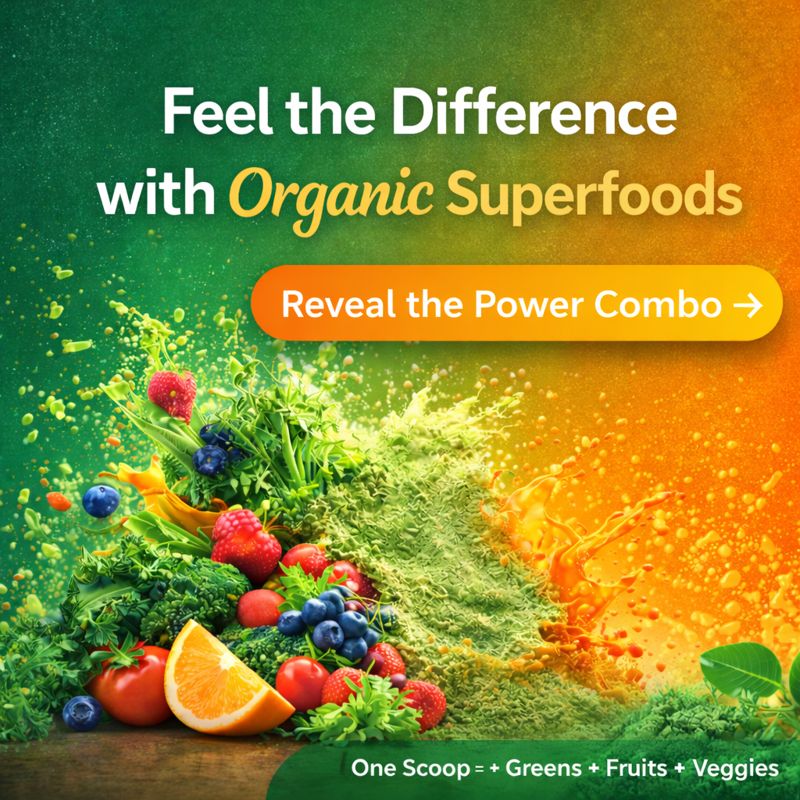
When it comes to optimizing your daily health, understanding the role of organic nutrition is crucial. The Best Organic Nutrition For Daily Use is not merely a tagline; it represents a commitment to choosing whole, nutrient-dense foods over processed alternatives. Organic nutrition emphasizes the consumption of foods that are grown without synthetic pesticides or fertilizers, which can lead to better health outcomes. By integrating these foods into your daily routine, you set the stage for improved energy, better digestion, and enhanced overall well-being.
However, many people make the mistake of assuming that all organic foods are equally beneficial. This misconception can lead to poor dietary choices that do not align with health goals. For instance, organic snacks might still be high in sugars and fats, which can counteract the benefits of organic ingredients. Therefore, it’s essential to prioritize whole foods—like fruits, vegetables, grains, and proteins—over processed organic options. Additionally, understanding the trade-offs in cost and availability can help you make informed decisions that fit your lifestyle.
Understanding Organic Nutrition
Organic nutrition focuses on foods produced without synthetic fertilizers, pesticides, and genetically modified organisms (GMOs). This approach is grounded in the belief that consuming these foods can lead to better health outcomes. Studies suggest that organic produce often contains higher levels of certain nutrients, including antioxidants, which can help combat oxidative stress in the body.
However, it’s vital to recognize that not all organic foods are created equal. Factors such as soil quality, farming practices, and the freshness of produce can significantly impact nutrient content. When selecting organic foods, it’s wise to consider local farmers’ markets or community-supported agriculture (CSA) programs, which often provide fresher options compared to supermarket organic products.
Choosing the Right Organic Foods

To maximize the benefits of organic nutrition, focus on incorporating a variety of whole foods into your diet. Fresh fruits and vegetables should be the cornerstone of your organic choices, as they offer essential vitamins, minerals, and fiber. Additionally, consider organic grains such as quinoa, brown rice, and oats, which can provide sustained energy throughout the day.
When evaluating organic proteins, prioritize sources like grass-fed beef, free-range poultry, and wild-caught fish. These options not only support better animal welfare practices but also tend to have a higher nutritional profile compared to conventional counterparts. While organic products can be more expensive, it’s essential to weigh the long-term health benefits against the initial investment.
Integrating Organic Nutrition into Your Daily Life
Incorporating organic nutrition into your daily life doesn’t have to be overwhelming. Start by making small changes, such as swapping conventional fruits and vegetables for organic versions. Gradually expand your organic choices to include grains, dairy, and meat products. Meal planning can also be a helpful strategy; by preparing meals in advance, you can ensure that you have healthy, organic options readily available.
Another practical tip is to educate yourself on seasonal produce. Consuming seasonal fruits and vegetables not only supports local farmers but also ensures that you’re getting the freshest and most nutrient-dense options. Consider keeping a list of seasonal organic produce to guide your grocery shopping and meal preparation.
Further Reading
For those interested in delving deeper into organic nutrition, consider the following resources:
- The Organic Center: A nonprofit organization dedicated to promoting organic agriculture through research and education.
- USDA Organic Regulations: Official guidelines on what constitutes organic certification in the United States.
- Environmental Working Group: Offers insights into the benefits of organic foods and a list of the best and worst produce to buy organic.
Frequently Asked Questions
What are the main benefits of eating organic nutrition?
Eating organic nutrition can lead to improved health outcomes, as organic foods are often richer in nutrients and free from harmful pesticides and additives.
Is organic food always healthier than conventional food?
While organic food generally has fewer chemicals, it’s important to evaluate the nutritional content of each food item individually, as not all organic products are equally healthy.
How can I start incorporating organic foods into my diet?
Begin by replacing a few conventional items with organic ones, focusing on fruits, vegetables, and grains. Gradually increase your organic purchases based on your budget and preferences.
Are organic foods more expensive?
Organic foods can be more expensive due to higher production costs, but many consumers find that the health benefits justify the investment.
What should I prioritize when choosing organic products?
Focus on whole foods like fruits, vegetables, grains, and quality proteins. Prioritize seasonal and locally sourced options for the best nutrition and taste.
Conclusion
Embracing The Best Organic Nutrition For Daily Use can significantly enhance your overall health and well-being. By making informed choices about the organic foods you consume, you can fuel your body with the nutrients it needs while avoiding harmful chemicals. Start small, prioritize whole foods, and gradually integrate organic options into your daily routine. With the right approach, you can enjoy the myriad benefits of organic nutrition without feeling overwhelmed.
Huge Discount on the Best Certified Organic Nutrient Dense Supplement!

Related Content
- The Ultimate Guide to 10 Effective Organic Detox Nutrition Strategies for 2025
- What Happens When You Switch To Whole Food Vitamins: A Journey to Enhanced Well-Being and Vitality
- Common Allergens in Organic Food Products: Identifying Key Ingredients and Risks
- Best Organic Spice Shops Near Me in Pass a Grille Beach, Florida 33706
- Nourish Your Heart: The Essential Role of How Organic Nutrition Supports Heart Health