The difference in nutrient content between fresh and processed organic foods lies primarily in their vitamin, mineral, and antioxidant levels. Fresh organic foods typically retain higher nutrient density due to minimal processing, while processed organic foods may lose some vitamins and minerals during production. Additionally, fresh foods often contain more bioactive compounds, which can enhance health benefits. Understanding these differences helps consumers make informed choices about their diets.
Nutritional Profiles of Fresh Organic Foods
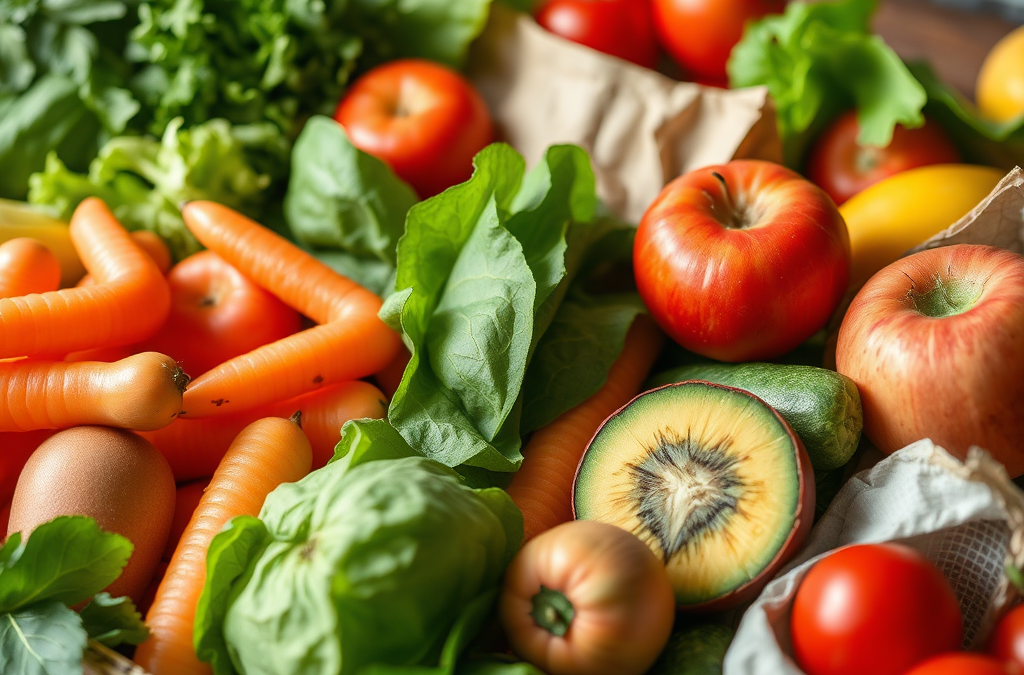
Fresh organic foods are known for their rich nutritional profiles, which typically include higher levels of vitamins, minerals, and antioxidants. These foods are grown without synthetic fertilizers and pesticides, allowing them to develop naturally and retain their nutrient density. For instance, fresh organic fruits and vegetables often have higher concentrations of vitamin C and other essential nutrients compared to their conventional counterparts.
Moreover, the harvesting process for fresh produce can significantly impact nutrient retention. Foods that are harvested and consumed shortly thereafter tend to maintain their nutritional integrity, as they are not subjected to long transportation times or storage conditions that can degrade their quality. This freshness translates into a more robust flavor profile and enhanced health benefits.
One common misconception is that all organic foods are created equal. While organic labeling assures that certain standards are met, the nutrient content can vary based on factors such as soil quality, farming practices, and the specific variety of the produce. For consumers, understanding these nuances is critical when evaluating the true health benefits of fresh organic options.
Nutritional Profiles of Fresh Organic Foods matters because it turns the difference in nutrient content between fresh and processed organic foods from a broad idea into a decision the reader can actually apply. The practical difference usually shows up in the details: how much is needed, when the choice is made, what tradeoff is acceptable, and what sign shows the approach is working. For nutrition topics, the strongest advice connects portion size, food quality, timing, and recovery instead of treating every meal as a fixed serving.
A useful way to handle this section is to compare the normal baseline with the situation that creates extra demand. If organic is the baseline concern, then fresh becomes the adjustment point and foods becomes the outcome to watch. That keeps the advice specific without forcing the reader into a rigid formula that may not fit their routine, budget, tolerance, schedule, or current level of experience.
The most common mistake is changing too many variables at once. A better approach is to choose one measurable adjustment, use it consistently long enough to see a pattern, and then refine the next step based on energy, comfort, performance, safety, or reliability. This makes the guidance easier to trust because the reader can connect the recommendation to what they observe rather than guessing from a generic checklist.
Understanding Processed Organic Foods
Processed organic foods refer to items that have been altered from their original state through methods such as canning, freezing, drying, or cooking. These processes can enhance convenience and shelf life but often come with trade-offs in nutrient content. For example, while freezing organic vegetables can preserve some nutrients, the blanching process used before freezing can lead to the loss of water-soluble vitamins.
Additionally, many processed organic foods contain added ingredients such as preservatives, flavor enhancers, or sweeteners, which can complicate their nutritional profiles. Consumers may assume that organic processed foods are inherently healthier, but it is essential to read labels carefully and understand what additional ingredients may be present. This is particularly relevant for those who are managing dietary restrictions or specific health conditions.
Another key point is the impact of processing on bioactive compounds. Fresh organic foods often contain phytochemicals and antioxidants that provide health benefits, while processing can diminish these compounds. For instance, the antioxidant levels in fresh berries can be significantly higher than in processed fruit products, which may contain added sugars or have undergone heat treatment that reduces their potency.
Understanding Processed Organic Foods matters because it turns the difference in nutrient content between fresh and processed organic foods from a broad idea into a decision the reader can actually apply. The practical difference usually shows up in the details: how much is needed, when the choice is made, what tradeoff is acceptable, and what sign shows the approach is working. For nutrition topics, the strongest advice connects portion size, food quality, timing, and recovery instead of treating every meal as a fixed serving.
A useful way to handle this section is to compare the normal baseline with the situation that creates extra demand. If organic is the baseline concern, then processed becomes the adjustment point and foods becomes the outcome to watch. That keeps the advice specific without forcing the reader into a rigid formula that may not fit their routine, budget, tolerance, schedule, or current level of experience.
Comparing Nutritional Value
When comparing the nutritional value of fresh and processed organic foods, several factors come into play, including nutrient retention, bioavailability, and overall health benefits. Fresh organic foods generally offer superior nutrient retention, particularly for vitamins that are sensitive to heat, light, or air exposure. For example, vitamin C and certain B vitamins are known to degrade quickly when exposed to high temperatures or prolonged storage.
On the other hand, while processed organic foods may still provide essential nutrients, they often lack the full spectrum of benefits found in fresh options. For instance, canned vegetables may still contain fiber and some vitamins, but the levels of certain nutrients can be significantly lower than in fresh counterparts. Furthermore, the processing methods can alter the bioavailability of nutrients, impacting how well the body can absorb and utilize these compounds.
To make informed choices, consumers should consider the specific health benefits they seek. For example, if the goal is to increase antioxidant intake, opting for fresh organic produce would be more beneficial than relying on processed alternatives. Conversely, if convenience is a priority, choosing minimally processed organic options may still offer a healthier choice compared to conventional processed foods.
Comparing Nutritional Value matters because it turns the difference in nutrient content between fresh and processed organic foods from a broad idea into a decision the reader can actually apply. The practical difference usually shows up in the details: how much is needed, when the choice is made, what tradeoff is acceptable, and what sign shows the approach is working. For nutrition topics, the strongest advice connects portion size, food quality, timing, and recovery instead of treating every meal as a fixed serving.
A useful way to handle this section is to compare the normal baseline with the situation that creates extra demand. If fresh is the baseline concern, then processed becomes the adjustment point and organic becomes the outcome to watch. That keeps the advice specific without forcing the reader into a rigid formula that may not fit their routine, budget, tolerance, schedule, or current level of experience.
Practical Considerations for Consumers
For consumers navigating the difference in nutrient content between fresh and processed organic foods, several practical considerations can guide their choices. First, prioritize fresh organic produce whenever possible, especially for key nutrients that are sensitive to processing. Seasonal and locally sourced options often provide the best flavor and nutrient density.
Additionally, understanding how to read labels on processed organic foods is crucial. Look for options that have minimal ingredients and avoid those with added sugars, preservatives, or artificial flavors. Items labeled as ‘organic’ should still be scrutinized to ensure they align with your nutritional goals.
Moreover, consider meal planning and preparation techniques that can enhance the nutritional value of both fresh and processed foods. For instance, steaming vegetables instead of boiling them can help retain more nutrients. Incorporating a variety of food types, both fresh and processed, can also contribute to a balanced diet while ensuring that nutrient needs are met.
Practical Considerations for Consumers matters because it turns the difference in nutrient content between fresh and processed organic foods from a broad idea into a decision the reader can actually apply. The practical difference usually shows up in the details: how much is needed, when the choice is made, what tradeoff is acceptable, and what sign shows the approach is working. For nutrition topics, the strongest advice connects portion size, food quality, timing, and recovery instead of treating every meal as a fixed serving.
A useful way to handle this section is to compare the normal baseline with the situation that creates extra demand. If fresh is the baseline concern, then processed becomes the adjustment point and organic becomes the outcome to watch. That keeps the advice specific without forcing the reader into a rigid formula that may not fit their routine, budget, tolerance, schedule, or current level of experience.
Frequently Asked Questions
What nutrients are lost in processed organic foods?
Processed organic foods often lose vitamins like vitamin C and some B vitamins due to heat and storage methods used during production.
Are all organic processed foods unhealthy?
No, not all organic processed foods are unhealthy, but it's important to read labels and choose options with minimal added ingredients and preservatives.
How can I maximize nutrient retention when cooking?
To maximize nutrient retention, use cooking methods like steaming or microwaving, which preserve more vitamins compared to boiling.
Is fresh organic produce always better than frozen?
While fresh organic produce is often more nutrient-dense, frozen options can also retain nutrients if processed quickly after harvesting.
How can I ensure I'm getting enough nutrients from my diet?
Incorporate a variety of fresh organic fruits and vegetables, whole grains, and lean proteins into your diet to ensure a balanced nutrient intake.
Conclusion
Understanding the difference in nutrient content between fresh and processed organic foods is essential for making informed dietary choices. Fresh organic foods typically offer higher levels of essential nutrients, while processed options may have altered nutritional profiles. Consumers should prioritize fresh produce when possible, read labels on processed foods carefully, and consider cooking methods that maximize nutrient retention. By doing so, individuals can achieve a balanced and nutritious diet that supports their overall health.
Huge Discount on the Best Certified Organic Nutrient Dense Supplement!