
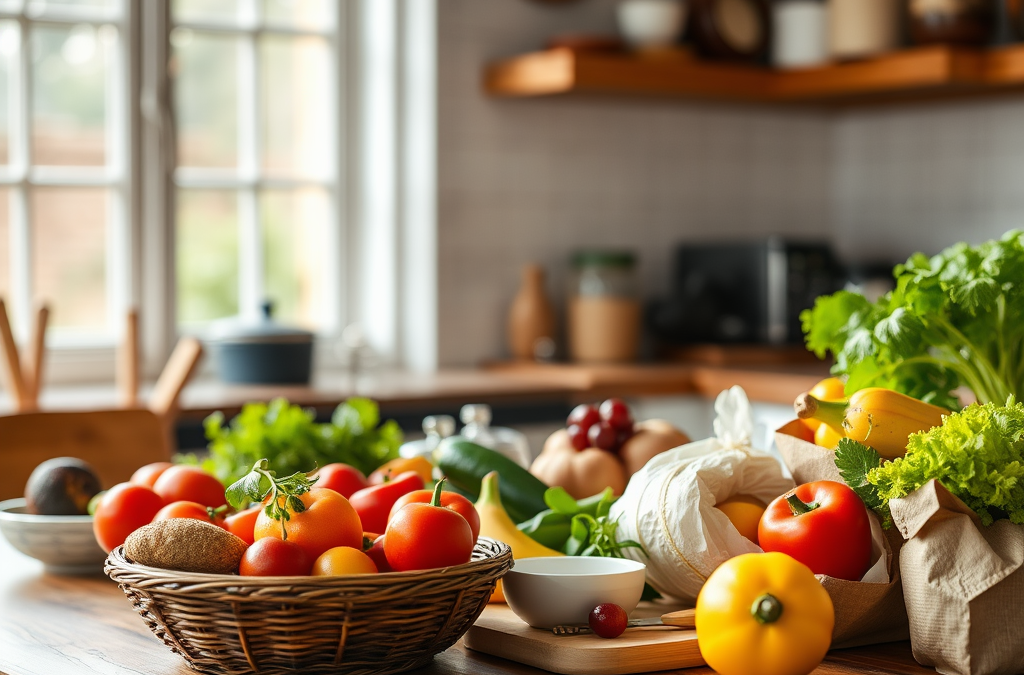
The best ways to integrate organic foods into family meals include planning meals around seasonal organic produce, involving family members in the cooking process, and gradually replacing conventional ingredients with organic options. Start by selecting easy recipes that highlight organic vegetables and fruits, ensuring that meals remain enjoyable and nutritious. It's crucial to educate the family about the benefits of organic foods to encourage acceptance and enthusiasm for healthier choices.
Understanding Organic Foods
Integrating organic foods into family meals starts with understanding what organic means. Organic foods are grown without synthetic pesticides, fertilizers, or genetically modified organisms (GMOs), which can lead to healthier meals. Choosing organic options ensures that families consume fewer chemicals and potentially more nutrients. Research indicates that organic produce can have higher antioxidant levels, which are beneficial for overall health.
When considering organic foods, it’s essential to be aware of the environmental impact of conventional farming methods, which often deplete soil health and contribute to pollution. By opting for organic, families can support sustainable farming practices that promote biodiversity and reduce environmental harm.

Understanding Organic Foods matters because it turns the best ways to integrate organic foods into family meals from a broad idea into a decision the reader can actually apply. The practical difference usually shows up in the details: how much is needed, when the choice is made, what tradeoff is acceptable, and what sign shows the approach is working. For nutrition topics, the strongest advice connects portion size, food quality, timing, and recovery instead of treating every meal as a fixed serving.
A useful way to handle this section is to compare the normal baseline with the situation that creates extra demand. If organic is the baseline concern, then foods becomes the adjustment point and meals becomes the outcome to watch. That keeps the advice specific without forcing the reader into a rigid formula that may not fit their routine, budget, tolerance, schedule, or current level of experience.
The most common mistake is changing too many variables at once. A better approach is to choose one measurable adjustment, use it consistently long enough to see a pattern, and then refine the next step based on energy, comfort, performance, safety, or reliability. This makes the guidance easier to trust because the reader can connect the recommendation to what they observe rather than guessing from a generic checklist.
The practical takeaway is to make the section actionable: identify the main constraint, choose the smallest useful change, and compare the result against the goal. When the outcome improves, the reader can keep the approach. When it does not, the next change should target the most likely bottleneck rather than repeating the same step with more effort.
Meal Planning with Organic Ingredients
Effective meal planning is crucial for integrating organic foods into family meals. Start by creating a weekly menu that highlights seasonal organic produce. This not only helps in managing grocery costs but also ensures the meals are fresh and flavorful. Visit local farmers’ markets to find organic fruits and vegetables at competitive prices. Engaging with local farmers can also provide insights into how to prepare and store these products.
Incorporate a variety of organic grains and proteins into the meal plan. For example, choosing organic quinoa or brown rice can enhance the nutritional value of meals. Additionally, consider organic dairy and eggs, which can be excellent sources of protein and calcium. Make a shopping list based on the meal plan, focusing on whole, organic ingredients, and avoid processed foods that often contain additives and preservatives.
Meal Planning with Organic Ingredients matters because it turns the best ways to integrate organic foods into family meals from a broad idea into a decision the reader can actually apply. The practical difference usually shows up in the details: how much is needed, when the choice is made, what tradeoff is acceptable, and what sign shows the approach is working. For nutrition topics, the strongest advice connects portion size, food quality, timing, and recovery instead of treating every meal as a fixed serving.
A useful way to handle this section is to compare the normal baseline with the situation that creates extra demand. If organic is the baseline concern, then meals becomes the adjustment point and meal becomes the outcome to watch. That keeps the advice specific without forcing the reader into a rigid formula that may not fit their routine, budget, tolerance, schedule, or current level of experience.
The most common mistake is changing too many variables at once. A better approach is to choose one measurable adjustment, use it consistently long enough to see a pattern, and then refine the next step based on energy, comfort, performance, safety, or reliability. This makes the guidance easier to trust because the reader can connect the recommendation to what they observe rather than guessing from a generic checklist.
Involving Family in Cooking
Getting the entire family involved in cooking can make the transition to organic foods more enjoyable and engaging. Assign age-appropriate tasks to children, such as washing vegetables, measuring ingredients, or stirring pots. This not only teaches them valuable cooking skills but also fosters a sense of ownership and pride in the meals prepared.
Discuss the benefits of organic foods during cooking sessions. Explain why certain ingredients are chosen and how they contribute to health and sustainability. This dialogue can motivate family members to appreciate and choose organic options more willingly. Additionally, consider hosting a weekly ‘family cooking night’ where everyone collaborates on a meal using organic ingredients, making it a fun and educational experience.
Involving Family in Cooking matters because it turns the best ways to integrate organic foods into family meals from a broad idea into a decision the reader can actually apply. The practical difference usually shows up in the details: how much is needed, when the choice is made, what tradeoff is acceptable, and what sign shows the approach is working. For nutrition topics, the strongest advice connects portion size, food quality, timing, and recovery instead of treating every meal as a fixed serving.
A useful way to handle this section is to compare the normal baseline with the situation that creates extra demand. If organic is the baseline concern, then family becomes the adjustment point and cooking becomes the outcome to watch. That keeps the advice specific without forcing the reader into a rigid formula that may not fit their routine, budget, tolerance, schedule, or current level of experience.
The most common mistake is changing too many variables at once. A better approach is to choose one measurable adjustment, use it consistently long enough to see a pattern, and then refine the next step based on energy, comfort, performance, safety, or reliability. This makes the guidance easier to trust because the reader can connect the recommendation to what they observe rather than guessing from a generic checklist.
Practical Meal Ideas
To effectively integrate organic foods into family meals, consider simple and appealing recipes. Start with a vibrant organic vegetable stir-fry, using seasonal veggies and organic soy sauce or tamari. This dish is quick to prepare and can be paired with organic brown rice or quinoa.
Another great option is a hearty organic soup, which can be made with a mix of organic vegetables, beans, and spices. Soups are not only comforting but also a great way to use up any leftover organic produce. For breakfast, try organic oatmeal topped with fresh fruits and nuts, making it a nutritious start to the day.
In closing, involve family in creating homemade organic snacks, such as energy balls made from oats, nut butter, and dried fruit. These snacks are easy to prepare and provide a healthier alternative to store-bought options.
Practical Meal Ideas matters because it turns the best ways to integrate organic foods into family meals from a broad idea into a decision the reader can actually apply. The practical difference usually shows up in the details: how much is needed, when the choice is made, what tradeoff is acceptable, and what sign shows the approach is working. For nutrition topics, the strongest advice connects portion size, food quality, timing, and recovery instead of treating every meal as a fixed serving.
A useful way to handle this section is to compare the normal baseline with the situation that creates extra demand. If organic is the baseline concern, then family becomes the adjustment point and integrate becomes the outcome to watch. That keeps the advice specific without forcing the reader into a rigid formula that may not fit their routine, budget, tolerance, schedule, or current level of experience.
Conclusion
Integrating organic foods into family meals is a rewarding journey that promotes better health and sustainability. By understanding the benefits of organic ingredients, planning meals thoughtfully, and involving the family in cooking, you can create enjoyable and nutritious dining experiences. Start small by incorporating a few organic options into your meals and gradually expand as your family becomes more accustomed to these healthier choices. With time, you’ll find that choosing organic can be both practical and delicious.
Huge Discount on the Best Certified Organic Nutrient Dense Supplement!

Frequently Asked Questions
Why should I choose organic foods for my family?
Organic foods are often fresher and free from synthetic pesticides and fertilizers, offering a healthier option for families.
How can I make organic meals affordable?
Plan meals around seasonal organic produce, buy in bulk, and shop at local farmers' markets to save money.
What are some easy organic recipes for families?
Try organic vegetable stir-fry, hearty soups, or homemade snacks like energy balls for simple and nutritious meals.
How can I involve my kids in cooking organic meals?
Assign age-appropriate tasks like washing vegetables or stirring ingredients to make cooking a fun family activity.
Are organic foods really healthier?
Research suggests organic foods may contain higher levels of certain nutrients and fewer chemicals, promoting better health.