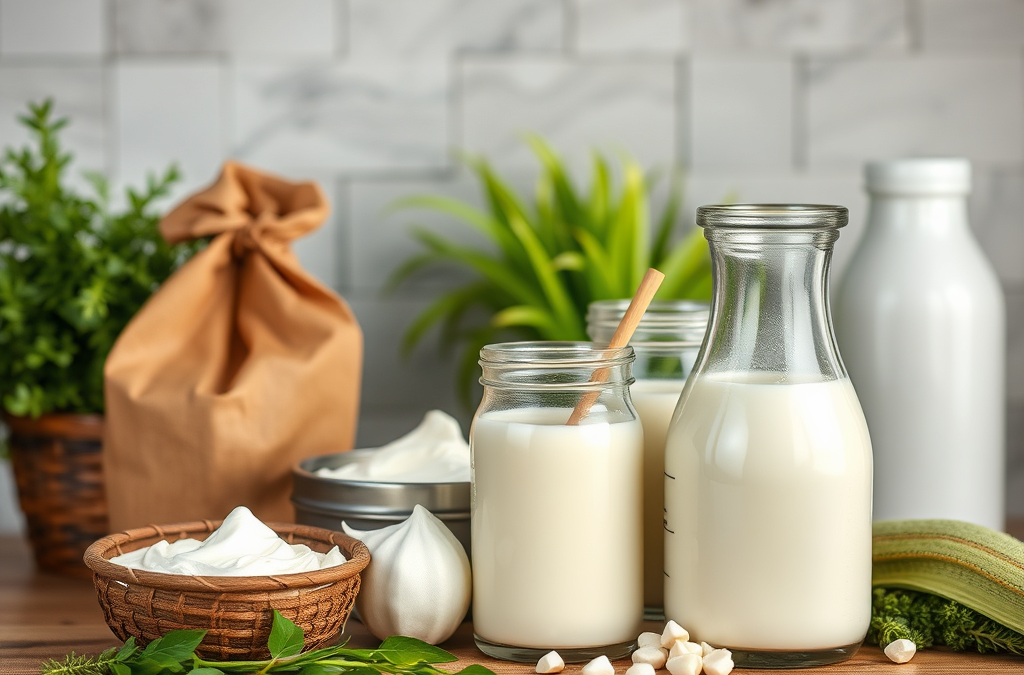
Organic dairy products may be healthier due to their higher nutrient content and lower levels of harmful additives. They often contain more omega-3 fatty acids, vitamins, and antioxidants. Additionally, organic farming practices reduce exposure to pesticides and antibiotics, promoting better overall health and environmental sustainability.
Nutritional Advantages of Organic Dairy
Organic dairy products often provide enhanced nutritional benefits compared to their conventional counterparts. Studies indicate that organic milk typically contains higher levels of omega-3 fatty acids, which are beneficial for heart health and cognitive function. This increase is attributed to the organic cows’ grass-based diets, which promote the production of these healthy fats.
Additionally, organic dairy products may have higher concentrations of certain vitamins, such as vitamin E and beta-carotene, both of which are essential for maintaining overall health. These vitamins act as antioxidants, helping to combat oxidative stress and reduce the risk of chronic diseases. Furthermore, organic dairy products are less likely to contain harmful additives, such as synthetic hormones and antibiotics, which can have negative health implications.

One common misconception is that organic dairy lacks variety. In reality, organic dairy encompasses a range of products, including milk, cheese, yogurt, and butter, all of which can contribute to a balanced diet. Consumers seeking to maximize their nutrient intake should consider incorporating organic dairy into their meals.
Nutritional Advantages of Organic Dairy matters because it turns organic dairy products may be healthier from a broad idea into a decision the reader can actually apply. The practical difference usually shows up in the details: how much is needed, when the choice is made, what tradeoff is acceptable, and what sign shows the approach is working. For nutrition topics, the strongest advice connects portion size, food quality, timing, and recovery instead of treating every meal as a fixed serving.
A useful way to handle this section is to compare the normal baseline with the situation that creates extra demand. If organic is the baseline concern, then dairy becomes the adjustment point and products becomes the outcome to watch. That keeps the advice specific without forcing the reader into a rigid formula that may not fit their routine, budget, tolerance, schedule, or current level of experience.
The most common mistake is changing too many variables at once. A better approach is to choose one measurable adjustment, use it consistently long enough to see a pattern, and then refine the next step based on energy, comfort, performance, safety, or reliability. This makes the guidance easier to trust because the reader can connect the recommendation to what they observe rather than guessing from a generic checklist.
The practical takeaway is to make the section actionable: identify the main constraint, choose the smallest useful change, and compare the result against the goal. When the outcome improves, the reader can keep the approach. When it does not, the next change should target the most likely bottleneck rather than repeating the same step with more effort.
Environmental Benefits of Organic Dairy Farming
The environmental impact of organic dairy farming is another significant factor that contributes to its health benefits. Organic farms utilize sustainable practices that prioritize soil health and biodiversity. These practices often include crop rotation, cover cropping, and reduced chemical inputs, which help maintain soil fertility and reduce erosion.
Moreover, organic dairy farms generally promote animal welfare by allowing cows to graze on pasture, which not only benefits the animals but also enhances the quality of the milk produced. Grazing contributes to healthier ecosystems, as it supports a diverse range of plant and animal life, which can improve soil health and reduce the need for chemical fertilizers.
By choosing organic dairy products, consumers can support farming practices that are more environmentally friendly and contribute to the sustainability of the food system. This choice can lead to a healthier planet, which ultimately benefits human health as well.
Environmental Benefits of Organic Dairy Farming matters because it turns organic dairy products may be healthier from a broad idea into a decision the reader can actually apply. The practical difference usually shows up in the details: how much is needed, when the choice is made, what tradeoff is acceptable, and what sign shows the approach is working. For nutrition topics, the strongest advice connects portion size, food quality, timing, and recovery instead of treating every meal as a fixed serving.
A useful way to handle this section is to compare the normal baseline with the situation that creates extra demand. If organic is the baseline concern, then dairy becomes the adjustment point and benefits becomes the outcome to watch. That keeps the advice specific without forcing the reader into a rigid formula that may not fit their routine, budget, tolerance, schedule, or current level of experience.
Comparing Organic vs. Conventional Dairy
When comparing organic and conventional dairy products, it is essential to consider both health implications and production methods. Conventional dairy farming often relies on synthetic pesticides and fertilizers, which can lead to chemical residues in the milk. In contrast, organic dairy products are produced without these chemicals, reducing the risk of exposure for consumers.
Additionally, the use of antibiotics is a significant difference between organic and conventional dairy farming. Organic regulations prohibit the use of antibiotics in livestock, ensuring that organic dairy products are free from antibiotic residues. This is particularly important given the rising concerns around antibiotic resistance in humans.
However, it is worth noting that organic dairy products can be more expensive than conventional options. This price difference is often due to the more labor-intensive practices and lower yields associated with organic farming. Consumers should weigh the potential health and environmental benefits against the cost when making their purchasing decisions.
Comparing Organic vs. Conventional Dairy matters because it turns organic dairy products may be healthier from a broad idea into a decision the reader can actually apply. The practical difference usually shows up in the details: how much is needed, when the choice is made, what tradeoff is acceptable, and what sign shows the approach is working. For nutrition topics, the strongest advice connects portion size, food quality, timing, and recovery instead of treating every meal as a fixed serving.
A useful way to handle this section is to compare the normal baseline with the situation that creates extra demand. If organic is the baseline concern, then dairy becomes the adjustment point and products becomes the outcome to watch. That keeps the advice specific without forcing the reader into a rigid formula that may not fit their routine, budget, tolerance, schedule, or current level of experience.
Potential Concerns and Misconceptions
Despite the benefits, there are some concerns and misconceptions surrounding organic dairy products. One common belief is that organic dairy is always superior in taste or quality; however, this can vary based on individual preferences and specific brands. Taste tests may yield mixed results, and factors such as freshness and processing methods can influence flavor.
Another misconception is that organic dairy products are always nutritionally superior. While they often contain higher levels of certain nutrients, the overall nutritional difference may not be significant enough to sway some consumers. It’s essential to consider a balanced diet that includes a variety of foods, rather than focusing solely on organic dairy.
Lastly, some consumers worry about the environmental impact of organic farming, citing land use and methane emissions from grazing cows. While organic farming can have a smaller carbon footprint due to reduced chemical inputs, it’s crucial to consider the overall sustainability of the farming practices employed.
Potential Concerns and Misconceptions matters because it turns organic dairy products may be healthier from a broad idea into a decision the reader can actually apply. The practical difference usually shows up in the details: how much is needed, when the choice is made, what tradeoff is acceptable, and what sign shows the approach is working. For nutrition topics, the strongest advice connects portion size, food quality, timing, and recovery instead of treating every meal as a fixed serving.
A useful way to handle this section is to compare the normal baseline with the situation that creates extra demand. If organic is the baseline concern, then dairy becomes the adjustment point and products becomes the outcome to watch. That keeps the advice specific without forcing the reader into a rigid formula that may not fit their routine, budget, tolerance, schedule, or current level of experience.
Frequently Asked Questions
What are the main benefits of organic dairy products?
Organic dairy products offer higher omega-3 fatty acids, more vitamins, and fewer harmful additives compared to conventional options.
Are organic dairy products worth the extra cost?
While they can be more expensive, the health benefits and environmental sustainability may justify the higher price for many consumers.
Do organic dairy products taste better than conventional?
Taste is subjective; while some prefer organic dairy for its freshness, others may not notice a significant difference.
What regulations govern organic dairy farming?
Organic dairy farming is regulated by USDA standards, which prohibit synthetic pesticides, fertilizers, and antibiotics.
Can organic dairy be part of a healthy diet?
Yes, organic dairy can be a nutritious component of a balanced diet, providing essential nutrients and supporting overall health.
Conclusion
Choosing organic dairy products may offer various health benefits, including enhanced nutrient content and reduced exposure to harmful substances. Additionally, supporting organic practices contributes to environmental sustainability and animal welfare. While the higher cost may be a consideration, the potential advantages for both health and the planet can make organic dairy a valuable addition to your diet. Prioritizing organic options can help you make informed choices that align with your health goals and values.
Huge Discount on the Best Certified Organic Nutrient Dense Supplement!

Related Content
- Harnessing The Organic Advantage In Daily Nutrition for a Healthier Tomorrow
- Best Organic Immune Booster in Atlanta Georgia
- Best Local Raw Organic Honey in Courtland, California 95615
- How to Store Organic Herbs to Maintain Freshness: Effective Methods and Practices
- Organic Vegetables That Support Liver Detox and Function: Top Choices for Optimal Health
Further Reading
Authoritative Sources
- NIH Office of Dietary Supplements
ods.od.nih.govEvidence-based information on vitamins, minerals, supplements, and nutrition-related questions.
- USDA FoodData Central
fdc.nal.usda.govUSDA nutrient data for foods and ingredients used in nutrition decisions.
- Harvard T.H. Chan School of Public Health Nutrition Source
hsph.harvard.eduPublic health nutrition guidance and educational resources.