
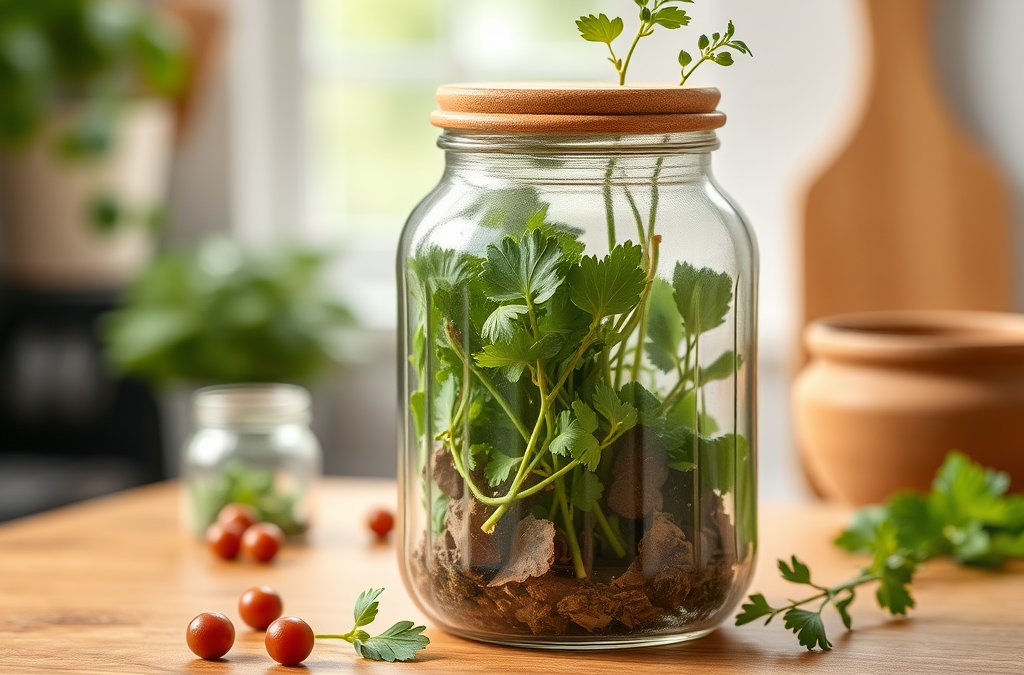
To store organic herbs and maintain their freshness, keep them in a cool, dry environment or refrigerate them in airtight containers. For longer preservation, consider freezing or drying the herbs, but ensure they are completely dry before storage to prevent mold. Avoid washing herbs prior to storage, as excess moisture can lead to spoilage. Additionally, recognize that different herbs have unique storage needs; soft herbs like basil thrive in a different environment than hardy herbs like rosemary. Properly managing these factors will help retain the flavor and nutritional benefits of your organic herbs.
Understanding the Importance of Freshness
Maintaining the freshness of organic herbs is essential for both flavor and nutritional value. Fresh herbs contain volatile oils and compounds that contribute to their unique aromas and tastes, which can diminish over time. When herbs lose their freshness, they not only lose flavor but also many of their health benefits. Fresh herbs can enhance dishes, provide antioxidants, and possess anti-inflammatory properties. Therefore, understanding how to store them properly is critical for maximizing their benefits in cooking and nutrition.
Moreover, the way herbs are stored can significantly affect their shelf life. Herbs that are not stored correctly can wilt, lose potency, or even become spoiled due to mold and decay. Implementing proper storage techniques can extend the life of your herbs, ensuring they remain flavorful and valuable for longer periods.
Common Mistakes in Storing Herbs

One of the most prevalent mistakes when storing herbs is using improper containers. Many people opt for non-airtight bags or containers, which expose herbs to air and moisture, leading to rapid degradation. Additionally, washing herbs before storing them can introduce moisture that promotes mold growth. It’s essential to dry herbs thoroughly before storage.
Another frequent error is neglecting to consider the specific needs of different herbs. For instance, soft herbs like basil and cilantro require different storage methods compared to hardy herbs like rosemary and thyme. Misunderstanding these needs can result in herbs wilting or spoiling quickly.
Lastly, some individuals store all herbs at room temperature without realizing that refrigeration is necessary for certain types. This can lead to premature wilting or drying out of the herbs, impacting their usability in cooking.
Methods for Storing Fresh Herbs
To effectively store fresh herbs, you can use several methods that cater to their specific types. For soft herbs like parsley, cilantro, and basil, a simple method is to treat them like fresh flowers. Place the stems in a jar with water, covering the leaves with a plastic bag. This method helps keep the herbs hydrated while allowing them to breathe. Store the jar in the fridge for optimal freshness.
For hardy herbs like rosemary, thyme, and sage, wrapping them in a damp paper towel and placing them in a plastic bag in the fridge can help maintain their moisture without causing rot. This method helps to keep these herbs crisp for a longer duration.
Another option is to store herbs in a sealed container with a dry paper towel to absorb excess moisture. This method works well for both types of herbs, provided the paper towel is changed regularly to prevent mold growth. These methods allow for the retention of flavor and texture, making your culinary creations more vibrant and enjoyable.
Long-Term Storage Options
If you find yourself with an abundance of herbs, consider long-term storage options like freezing or drying. Freezing herbs is straightforward: chop them and place them in ice cube trays filled with water or oil, then transfer the cubes to a freezer bag. This method preserves the flavor and allows for easy portioning in future recipes.
Drying herbs is another effective method for long-term storage. You can air dry herbs by hanging them upside down in a cool, dark place with good airflow until they are crisp. Alternatively, using a dehydrator or an oven on low heat can speed up the drying process. Once dried, store herbs in airtight containers away from light to preserve their flavor and potency.
Both freezing and drying allow you to enjoy your organic herbs long after their peak freshness, providing versatility in your cooking and nutrition.
Frequently Asked Questions
What is the best way to store fresh basil?
To store fresh basil, place the stems in a jar of water like a bouquet, cover the leaves with a plastic bag, and refrigerate.
Can I wash herbs before storing them?
It is best to avoid washing herbs before storage as moisture can lead to mold. If you do wash them, ensure they are completely dry before storing.
How long do fresh herbs last in the fridge?
Fresh herbs can last from a few days up to two weeks in the fridge, depending on the type and storage method used.
Is it better to freeze or dry herbs?
Both methods are effective; freezing preserves the flavor better, while drying is more suitable for long-term storage without freezer space.
What are the signs that herbs have gone bad?
Signs of bad herbs include wilting, discolored leaves, or an off smell. If any of these occur, it’s best to discard them.
Conclusion
Storing organic herbs properly is crucial for maintaining their freshness and maximizing their culinary benefits. By avoiding common mistakes and employing effective storage methods, you can enjoy vibrant flavors and health benefits for longer. Whether you choose to refrigerate, freeze, or dry your herbs, understanding their unique needs will help you make the most of your organic herbs in the kitchen.
Huge Discount on the Best Certified Organic Nutrient Dense Supplement!