
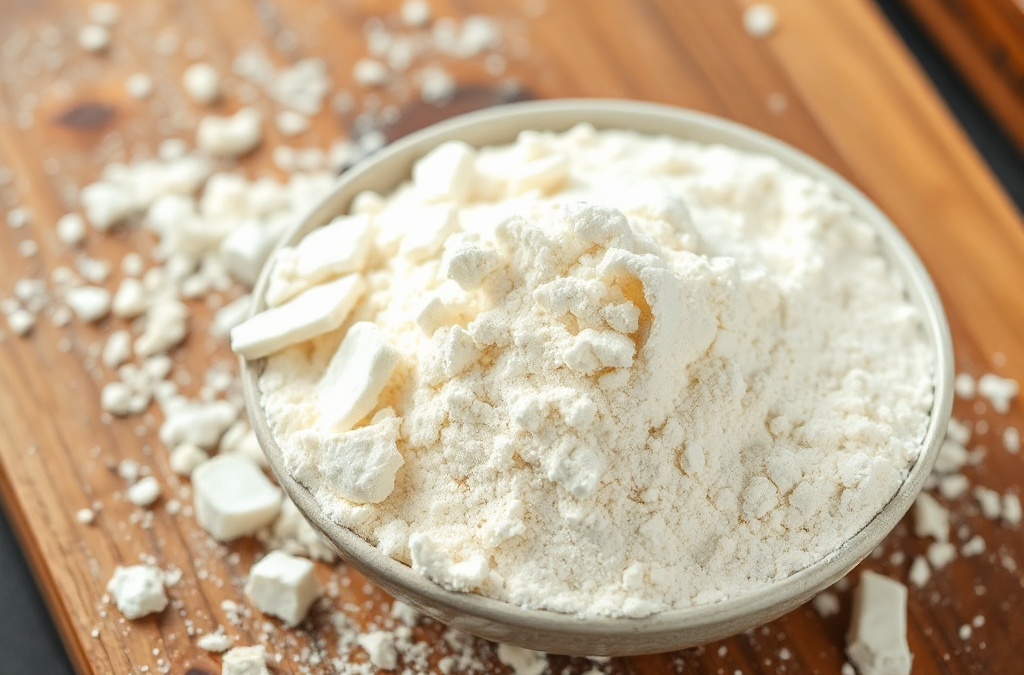
Organic all-purpose flour for everyday baking is a versatile pantry staple for cookies, cakes, muffins, quick breads, pancakes, and many simple doughs, provided you measure it accurately and adjust for hydration when needed. Its organic certification concerns farming and handling standards, not a guarantee of lighter texture, higher nutrition, or better flavor than every conventional alternative. Choose a reliable bag with a clean ingredient label, store it cool and dry, and use a scale when possible because excess flour is a common cause of dense or dry results. For yeast breads or very chewy doughs, bread flour may provide more gluten-forming potential, while whole-wheat flour adds flavor and fiber but usually needs more liquid.
What Organic All-Purpose Flour Does Well
Organic all-purpose flour is milled from wheat selected for a moderate protein level, giving it enough gluten-forming ability for structure without making ordinary baked goods unusually firm. That balance explains its broad usefulness: the same bag can handle drop cookies, banana bread, pancakes, biscuits, muffins, cakes, and many pie crusts. It is less specialized than bread flour and less delicate than pastry flour, so it suits households that bake different recipes rather than one narrow style.
Flour affects a recipe through more than its label. When flour is hydrated, its proteins can form gluten, while starch absorbs water and thickens as it heats. Mixing develops the gluten network; the amount of mixing determines whether the finished food is tender or chewy. A muffin batter stirred just until combined usually stays softer than a dough worked repeatedly, even when both use the same flour.

Consider a typical weekend kitchen. A baker might use one organic all-purpose flour for blueberry muffins in the morning, chocolate-chip cookies later, and a roux for dinner. That convenience is its main practical advantage. A baker seeking a very lofty artisan loaf may prefer bread flour, while someone making an especially delicate tart may favor pastry flour. Those alternatives are not proof that all-purpose flour is inadequate; they simply offer a narrower protein and texture profile.
A common mistake is treating the word organic as a texture specification. Organic certification does not mean a flour will absorb the same amount of water as every other brand, nor does it promise a particular crumb. Wheat variety, milling, protein content, age, and storage can all influence handling. For consistent results, use the recipe’s method as a starting point, observe the dough or batter, and make small adjustments rather than changing several ingredients at once. A related pantry decision may also be useful: Organic all-purpose flour for everyday baking works best when its versatility matches the recipes you actually make.
How Organic Standards Differ From Baking Performance
Organic flour comes from wheat produced and processed under applicable organic requirements, but the label addresses agricultural and handling practices rather than a guaranteed nutritional or culinary outcome. Depending on the product and jurisdiction, shoppers may also see distinctions such as certified organic, organic ingredients, or additional claims about milling. Reading the certification statement and ingredient panel is more useful than assuming every organic package has identical standards or composition.
The nutrition gap between refined organic and refined conventional all-purpose flour should not be exaggerated. Both are generally refined grain products when the bran and germ have been removed, and both may provide similar culinary starch and protein functions. Organic status alone does not turn white flour into a whole grain. If fiber and more of the wheat kernel’s nutrients are priorities, a whole-wheat or whole-grain flour may be more relevant, although it will change flavor, color, water absorption, and texture.
Flavor differences can be subtle and depend on freshness and the wheat itself. Some bakers prefer the taste of a particular organic flour because of its milling style or grain source, but a blind assumption that organic flour must taste richer can lead to disappointment. A conventional flour that is fresh and well stored may outperform an older organic bag in a delicate cake. Conversely, an organic product may be the better fit for someone whose purchasing priorities include certified farming practices or a specific supply chain.
Budget is another real tradeoff. Organic flour can cost more, so it makes sense to reserve premium flour for recipes where its handling or sourcing matters most rather than discarding it because a loaf failed. Test a small batch of cookies or muffins first. If the dough spreads too much, the flour may be comparatively weak, the butter may be too warm, or the measurement may be off; the package label alone cannot identify the cause. Readers comparing grain choices can use Organic all-purpose flour for everyday baking alongside whole-wheat options to separate certification preferences from the nutritional role of the finished food.
Measuring, Mixing, And Adjusting Hydration
Accurate measuring is the first practical control for reliable everyday baking. A kitchen scale gives the clearest result because a cup of flour can contain different amounts depending on whether the flour was spooned lightly, dipped directly from the bag, or compressed during storage. If using volume, loosen the flour, spoon it into the cup, and level the top without tapping the cup on the counter.
Excess flour commonly creates dry muffins, crumbly cookies, and stiff biscuits. Too little can leave cakes weak, cookies overly thin, or quick breads gummy in the center. These outcomes can look like a problem with organic flour when the actual issue is measurement. A recipe that lists weight is easier to reproduce, but even then, flour brands can behave differently enough that visual and tactile cues still matter.
Mixing should match the food. For muffins and pancakes, stir only until dry streaks disappear; a few small lumps are usually less damaging than prolonged beating. For cookies, creaming fat and sugar first affects aeration, while flour should be incorporated without unnecessary handling. Biscuit dough benefits from minimal mixing and cold fat, whereas a yeast dough may need more development to create the elasticity required for rising. Bread flour can be an advantage for highly chewy loaves, but it may make a tender biscuit tougher.
Hydration adjustments should be small and deliberate. If a cake batter is noticeably thicker than the recipe’s description, check the flour measurement and whether ingredients such as yogurt or mashed fruit were reduced before adding liquid. If a cookie dough is sticky, chilling may solve the problem more effectively than adding flour, because added flour can make the baked cookie hard. For whole-wheat substitutions, extra liquid and a resting period may help the bran hydrate, but replacing all the flour can still produce a denser result. Keep a short baking note—brand, measurement method, dough texture, and result—so the next batch reflects evidence rather than guesswork.
- Working as expected: batter falls from a spoon in a thick ribbon, or dough holds its shape without cracking excessively.
- Likely too much flour: dough feels rigid, dry, or difficult to spread before baking.
- Likely too little structure: batter is unusually loose and the baked center remains wet after the expected time.
Storage, Freshness, And Choosing The Right Bag
Flour stays most dependable when protected from moisture, heat, odors, and pantry pests. Transfer an opened bag to an airtight container or close the original package securely, then store it in a cool, dry cupboard. A container should be clean and completely dry before refilling; adding new flour on top of old residue makes age harder to track and can carry stale odors into a fresh batch.
Refined all-purpose flour generally keeps longer than whole-wheat flour because the bran and germ contain oils that can develop off flavors more readily. That does not make refined flour immune to aging. A musty smell, unusual bitterness, visible insects, damp clumps, or signs of mold are reasons to discard it rather than trying to rescue the ingredient through baking. When storage conditions are warm or usage is infrequent, refrigeration or freezing in a well-sealed container may extend quality, but the flour should return to room temperature before measuring if condensation is a concern.
Check the package for the ingredient list, organic certification information, milling or best-by details, and any protein or flour-type information the producer provides. A short ingredient list is normal for plain all-purpose flour. Enriched flour may contain added vitamins and minerals, while unbleached and bleached products can differ in color and how quickly they develop a particular texture. Neither label automatically determines whether a recipe will succeed.
Buy a size that your household can use while the flour still smells clean and performs predictably. A large bag may lower the per-unit cost but becomes poor value if it sits for months in a humid cupboard. For a small baking household, a smaller package plus careful storage can reduce waste. If a recipe suddenly behaves differently, compare the current bag with the previous one and review storage before blaming the oven or changing the formula. The same principle applies when selecting Organic all-purpose flour for everyday baking for routine use: dependable turnover often matters more than buying the largest package.
Best Everyday Uses And Smart Substitutions
All-purpose flour is a sound default when a recipe calls for plain flour and does not demand an unusually delicate or elastic structure. It performs predictably in pancakes, waffles, muffins, brownies, cookies, fruit crisps, gravy, and many cakes. For a simple apple muffin, its moderate structure supports the fruit while remaining tender; for a cookie, it gives enough body to hold mix-ins without automatically producing the chew of a high-protein bread flour.
Substitution decisions should begin with the desired texture. Replacing bread flour with all-purpose flour can produce a softer, less chewy loaf, while replacing all-purpose flour with bread flour may make a cake or biscuit firmer. Pastry flour can make tender baked goods, but it may not provide enough strength for a free-form yeast loaf. Whole-wheat flour contributes a more pronounced grain flavor and more fiber, yet its bran can interfere with gluten development and absorb more water. A partial substitution is often easier to manage than a complete swap.
For gluten-free baking, ordinary wheat flour is not an appropriate substitute for a gluten-free blend because gluten contributes structure that recipes may need to replace with starches, gums, eggs, or other binders. For thickening a sauce, flour choice is less about crumb texture and more about dispersing it smoothly in fat or cold liquid before heating. In each case, the alternative should be selected for the function it must perform, not simply because it carries an appealing label.
A useful household checklist is short: match flour type to the recipe, measure by weight when possible, inspect smell and storage condition, avoid overmixing tender batters, and change one variable per test batch. If cookies are dry, check flour quantity and bake time before adding more fat. If a loaf lacks chew, consider protein level and gluten development before assuming the flour is defective. If a cake is dense, examine leavening freshness, mixing, pan size, and oven temperature as well as flour. Practical baking improves when the ingredient is judged within the entire formula.
For current information about organic labeling, grain nutrition, and food storage, consult the USDA organic program, the U.S. Food and Drug Administration, and university extension baking or food-safety publications. These sources can clarify certification terms and storage principles without treating organic status as a guarantee of a particular baking result.
Frequently Asked Questions
Can organic all-purpose flour replace regular all-purpose flour?
Usually, yes. Use it in the same quantity initially, but expect small differences in absorption, protein level, or texture between brands.
Is organic all-purpose flour healthier than conventional flour?
Organic certification does not automatically make refined flour higher in fiber or more nutritious. Whole-grain status and enrichment are separate factors to check.
Why does my organic flour make cookies dry?
Excess flour, overbaking, or a low-moisture formula are common causes. Weigh the flour and check the cookies before their edges become overly dark.
Should organic all-purpose flour be refrigerated?
It is not always necessary, but refrigeration or freezing may help in a warm home or when flour is used slowly. Seal it well to prevent moisture and odors.
Can it be used for bread?
Yes, it can make many loaves, especially softer breads. Bread flour may be a better choice when the recipe depends on a stronger, chewier dough.
Conclusion
Organic all-purpose flour earns its place in an everyday pantry because it handles a wide range of recipes without requiring several specialty bags. The organic label may reflect meaningful purchasing priorities, but it does not determine protein strength, freshness, fiber content, or guaranteed texture. Measure carefully, store the flour in a dry airtight container, and judge the dough or batter before making adjustments. Use it confidently for muffins, cookies, pancakes, cakes, and many quick breads; choose bread flour, pastry flour, whole-wheat flour, or a gluten-free blend when the recipe’s structure calls for a different function. A small test batch and one-variable-at-a-time adjustments will reveal more than assumptions based on the package front.
Huge Discount on the Best Certified Organic Nutrient Dense Supplement!