
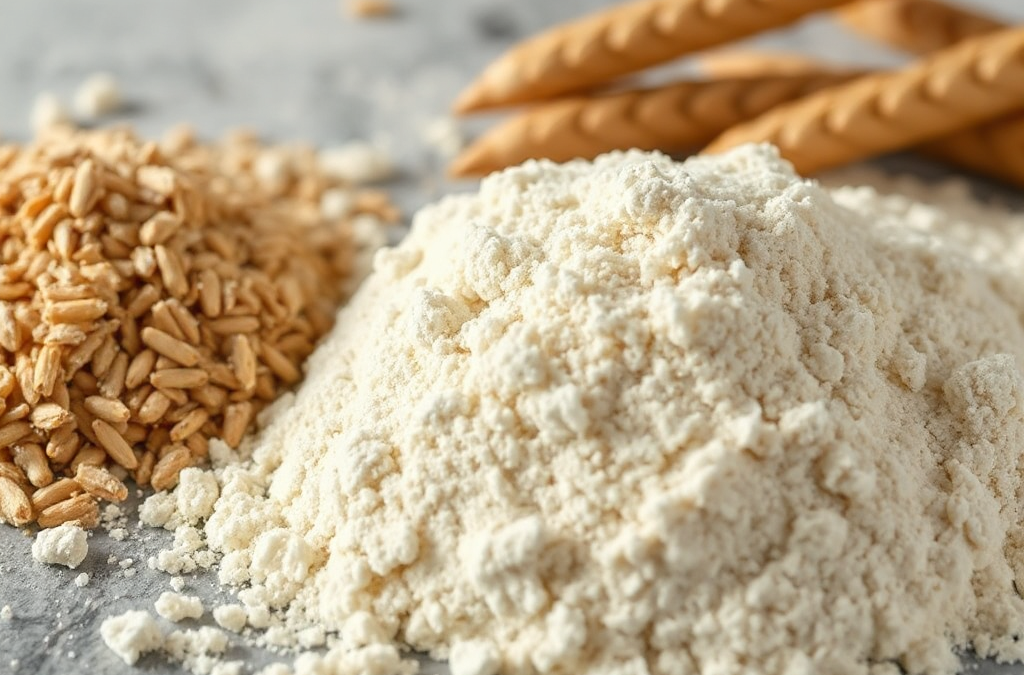
Organic whole wheat flour versus refined flour is mainly a choice between retaining the wheat kernel’s bran and germ or removing them before milling, which changes fiber, micronutrients, flavor, texture, and shelf life. Whole wheat flour generally provides more fiber and a denser, nuttier bake, while refined flour produces lighter breads, cakes, and pastries with a milder taste. Organic certification describes farming and processing standards, not a guarantee that one flour is nutritionally superior in every recipe. Choose whole wheat when fiber and fuller flavor matter most, use refined flour when tenderness and rise are priorities, and blend them when you want a workable middle ground.
What Changes When Wheat Is Refined
The difference between whole wheat and refined flour begins with the parts of the wheat kernel that remain after milling. A whole wheat flour includes the bran, germ, and endosperm. Refined white flour is made primarily from the endosperm after most of the bran and germ have been removed. That processing produces a paler, finer powder, but it also changes the flour’s fiber content, flavor, storage behavior, and performance in dough.
The bran is the kernel’s outer layer and contributes fiber and a slightly coarse texture. The germ contains oil and a range of nutrients, while the endosperm supplies most of the starch and protein used to form the structure of baked goods. Removing the bran and germ gives refined flour a more predictable texture and longer storage potential because less of the germ’s oil remains available to turn rancid.

Those differences matter in a practical kitchen. Whole wheat dough may absorb more water and develop a heavier structure because bran particles interrupt the gluten network. A loaf made with 100% whole wheat flour can therefore be denser and less elastic than one made with refined bread flour. A refined-flour cake, by comparison, is more likely to have a delicate crumb because the fine particles allow the batter to expand with less physical interference.
Neither result makes one flour universally appropriate. A hearty sandwich loaf, bran muffin, or rustic pizza may benefit from whole wheat’s flavor and texture. Angel food cake, laminated pastry, and many tender cookies usually depend on the lighter behavior of refined flour. A common mistake is treating flour choice as a simple health ranking while ignoring the recipe’s structural demands. The better question is what the dish needs and how much whole-grain character you want.
For a gradual change, replace part of the refined flour rather than all of it. A blend can add wheat flavor and fiber while preserving more lift and tenderness. The required liquid may need adjustment, especially in yeast doughs, because whole wheat particles bind water differently. Letting the mixed dough rest briefly before judging its consistency can also give the bran time to hydrate.
Nutrition, Digestion, And Organic Certification
Whole wheat flour generally contains more dietary fiber than refined flour because the bran is retained. Fiber can contribute to digestive regularity and makes a food more filling for some people, although the effect depends on the complete meal, portion size, and individual tolerance. Whole wheat also retains more of the kernel’s naturally occurring nutrients than ordinary refined flour, while enriched refined flour may have selected nutrients added back after milling.
That distinction makes labels worth reading. “Whole wheat” describes the grain components used in the flour, whereas “organic” refers to production standards governing agricultural practices and handling. Organic refined flour is still refined flour; organic certification does not restore the bran or germ removed during milling. Likewise, conventional whole wheat flour remains a whole-grain product even though it does not carry an organic label.
Digestive response can vary. Some people tolerate whole wheat well and appreciate its fuller texture, while others experience discomfort when they increase fiber quickly. A large serving of whole wheat pancakes, bread, or pasta added suddenly to a low-fiber diet may be harder to manage than a smaller portion introduced alongside familiar foods. People with diagnosed celiac disease or a wheat allergy should not assume that organic or whole wheat labeling makes a product safe, since both flours can contain wheat proteins that cause reactions.
Blood glucose response also should not be reduced to a flour label alone. A whole wheat muffin made with substantial sugar and fat is still a concentrated baked food, and a modest portion of refined flour in a meal containing beans, vegetables, protein, or nuts may be digested differently from plain white bread. Milling fineness, recipe ingredients, preparation, and portion size all influence the eating experience. Whole wheat is not a treatment for diabetes, and refined flour is not automatically harmful when used thoughtfully.
When comparing products, check the ingredient list and the serving information rather than relying only on front-label language. Look for whole wheat flour as the principal flour when that is the goal, and distinguish it from products that merely contain a small amount of wheat bran. If organic sourcing is a priority, verify the appropriate certification mark while still choosing the grain form that fits your nutritional and culinary needs.
Related planning ideas appear in Organic whole wheat flour versus refined flour, especially when deciding whether a recipe needs a full substitution or a partial blend.
How Flour Type Affects Baking Results
Flour selection changes how a recipe handles water, gluten, fermentation, and heat. Whole wheat flour’s bran absorbs moisture and can make dough feel firm even when the total water seems adequate. Its germ also adds flavor and natural oils. Refined flour produces a smoother dough and often allows gluten to organize into a more continuous network, which is useful for airy loaves and elastic pizza crust.
A practical example is sandwich bread. Using refined flour alone may create a tall, soft loaf with a mild taste. Replacing half the flour with whole wheat can produce a more substantial crumb without making the loaf as compact as a 100% whole wheat version. The baker may need a little extra water, a longer rest, or gentler expectations about volume. If the dough tears or feels dry, adding flour during kneading can worsen the problem; hydration should be assessed before dusting in more flour.
Pastry presents the opposite tradeoff. Refined flour is usually easier to work into a flaky pie crust because its fine texture and lower bran content reduce rough edges that can interfere with layering. Whole wheat pastry flour may provide a milder whole-grain flavor and a softer result than standard whole wheat flour, but it can still produce a more rustic crust. Chilling the dough and avoiding excessive mixing matter more when tenderness is the priority.
For cakes and quick breads, excessive whole wheat flour can make the crumb heavier or slightly dry if the recipe is not adjusted. Ingredients such as yogurt, mashed fruit, or additional liquid may soften the texture, but adding moisture does not fully recreate refined flour’s behavior. A recipe designed for white flour may need testing rather than a direct one-for-one conversion.
Common failure points include measuring flour by packing it into a cup, using a bag that has absorbed moisture, and judging doneness only by surface color. Whole wheat baked goods may brown differently and can seem moist because of their grain structure. Weighing flour when possible, following the recipe’s hydration cues, and allowing bread to cool before slicing provide more reliable results. Keep an eye on flavor as well: freshness matters more for whole wheat because the retained germ contains oils that can develop stale or bitter notes over time.
Choosing Flour For Everyday Cooking
The most useful decision starts with the finished food, not the label. Choose organic whole wheat flour when you want a stronger grain flavor, more fiber, and a denser, rustic texture in foods such as breakfast loaves, crackers, muffins, and everyday bread. Choose organic refined flour when a light crumb, smooth dough, or delicate structure matters more, such as in sponge cakes, pie pastry, and many biscuits. Combining the two is often the most realistic choice for households with varied preferences.
Budget, storage, and frequency of use also deserve attention. Organic flour may cost more, and whole wheat flour may require closer attention to freshness because of its retained germ. Store it in an airtight container in a cool, dark place; refrigeration or freezing can be useful when the package will sit for a while, provided moisture is kept out. A stale or rancid smell is a reason to discard the flour rather than trying to mask it with stronger ingredients.
A simple decision process can keep substitutions from becoming guesswork:
- Identify the priority: fiber and grain flavor point toward whole wheat; tenderness and maximum lift point toward refined flour.
- Check the recipe: yeast breads tolerate experimentation better than delicate pastries.
- Start with a blend: partial replacement is often easier for family meals and first attempts.
- Adjust texture: watch hydration, resting time, mixing, and baking time instead of adding flour automatically.
- Evaluate the finished food: note crumb, moisture, flavor, and how satisfying the portion feels.
For example, a family that dislikes dense bread might use a refined-flour base with a smaller whole wheat portion, then increase it in later batches. Someone preparing a high-fiber breakfast could use whole wheat flour in pancakes while pairing them with plain yogurt, fruit, or eggs rather than assuming the flour alone makes the meal balanced. The best choice is the one that supports the intended dish and can be used consistently.
Organic sourcing and grain form answer different questions. One addresses production standards; the other addresses what remains in the kernel and how the flour behaves. Keeping those categories separate prevents a frequent shopping mistake: buying an organic refined product when the real goal is whole-grain nutrition, or rejecting whole wheat because a previous recipe used too much and turned out dry. More practical comparisons are available through Organic whole wheat flour versus refined flour when planning a pantry around both health priorities and baking performance.
For reliable background, consult USDA FoodData Central for nutrient information, FDA resources for food-label terminology, and university extension publications for tested baking guidance. These sources can help distinguish whole-grain content, enrichment, storage considerations, and recipe-specific flour behavior without treating organic certification as a substitute for reading the ingredient list.
Frequently Asked Questions
Is organic whole wheat flour healthier than organic refined flour?
Whole wheat flour generally provides more fiber and retains more components of the wheat kernel. Refined flour may still fit a balanced diet, especially when used in appropriate portions and combined with nutrient-dense foods.
Can whole wheat flour replace refined flour in every recipe?
No. It can make delicate cakes, pastries, and breads denser or drier. Partial substitution is often a more reliable starting point than replacing all the flour.
Does organic flour contain more fiber?
Organic status does not determine fiber content. Whole wheat flour is typically higher in fiber because it retains the bran, while organic refined flour has undergone the same basic removal of those kernel parts.
Why does whole wheat dough need more water?
Bran particles absorb water and can make dough feel firm. A short rest and gradual hydration adjustment may improve handling, but the exact amount depends on the flour and recipe.
How should whole wheat flour be stored?
Keep it sealed in a cool, dark, dry location and use it while its aroma remains fresh. Refrigeration or freezing may extend quality for a package that will not be used quickly.
Conclusion
Organic whole wheat flour and organic refined flour differ in both nutrition and kitchen performance because they retain different parts of the wheat kernel. Whole wheat is the stronger fit for fiber, nuttier flavor, and rustic texture, while refined flour is often more dependable for light cakes, tender pastry, and lofty bread. Neither organic label changes that basic distinction.
Choose the flour according to the recipe’s structure and your household’s priorities. If a full substitution produces a heavy or dry result, use a blend, adjust hydration gradually, and assess the finished texture before changing the formula again. Store whole wheat carefully, read ingredient lists, and introduce higher-fiber portions at a pace your digestion tolerates. A flexible pantry containing both types can support better baking without turning flour choice into an all-or-nothing decision.
Huge Discount on the Best Certified Organic Nutrient Dense Supplement!