
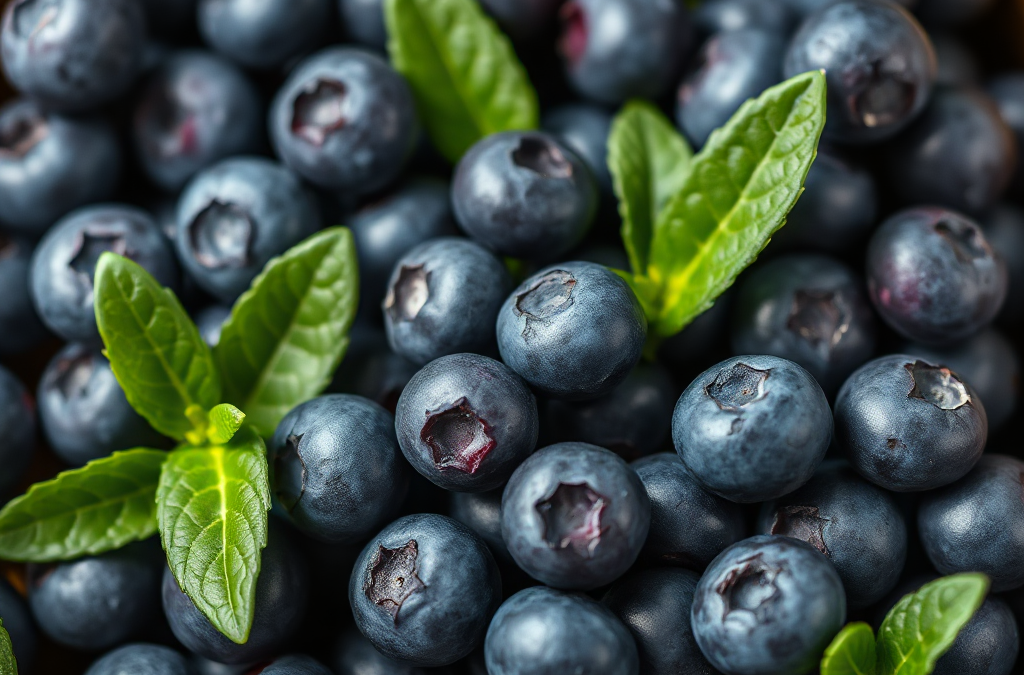
Organic blueberries: freshness, nutrition, and storage depend on selecting firm, dry berries, protecting them from excess moisture, and using refrigeration strategically. Their blue-purple color comes from anthocyanins, while they also provide fiber and vitamin C within a relatively low-calorie whole-food package. Check the container for mold, leaking juice, shriveled fruit, or soft berries before buying, and avoid washing the full supply until you are ready to eat it. Refrigerate dry berries in a breathable container, remove damaged fruit promptly, and freeze sound berries when you cannot use them within several days. Organic certification describes production standards, not a guarantee of longer shelf life or greater nutrient content.
How To Judge Blueberry Freshness At The Store
Fresh blueberries should look plump, dry, and mostly intact, with a dusty-looking pale coating called bloom on the skin. Bloom is a natural waxy layer that helps protect the fruit; its presence is generally a better sign of gentle handling than a glossy, wet appearance. Color alone is not enough. A deeply blue berry can still be soft or beginning to spoil, while a few reddish berries may simply be less mature and more tart.
Turn the container over before buying. Juice stains, collapsed berries, damp corners, and berries stuck together suggest pressure or moisture has already damaged the package. A single moldy berry deserves attention because mold can spread through neighboring soft fruit. Choosing a smaller container that will be eaten promptly may be wiser than buying a larger package at a lower unit price if the household cannot use it quickly.

Organic certification addresses how the crop was produced and handled under the applicable certification system. It does not mean the berries are automatically sweeter, more nutrient-dense, or longer-lasting than conventionally grown berries. Freshness is influenced by harvest timing, cooling, transport, temperature, and moisture. A local organic pint bought soon after harvest may taste better than a distant package that has spent more time in transit, but origin alone does not prove quality.
At home, sort the berries soon after unpacking them. Discard fruit with visible mold rather than trimming only the affected patch, and separate crushed berries from sound ones. Softness without mold may signal declining texture rather than an immediate safety problem, but it is a reason to use the fruit in oatmeal, a smoothie, or a cooked preparation soon. For more context on choosing whole foods, see Organic blueberries: freshness, nutrition, and storage.
Nutrition, Anthocyanins, And Realistic Health Value
Blueberries contribute fiber, vitamin C, vitamin K, manganese, water, and naturally occurring plant compounds, including anthocyanins. Anthocyanins are pigments responsible for much of the blue-purple color. They are studied for their biological activity, but the existence of these compounds should not be turned into a promise that blueberries prevent disease or treat a medical condition.
Whole berries offer a different eating experience from blueberry juice, sweetened dried fruit, or a dessert made with blueberry flavoring. Their intact structure supplies fiber and requires chewing, while juice usually contains less fiber and can be consumed quickly. Dried berries may be convenient but are more concentrated by weight and are often sweetened. A practical comparison is to use fresh or frozen berries in plain yogurt or oats, then check the ingredient list when buying packaged products.
Frozen blueberries can remain a nutritious option because freezing preserves much of the fruit’s composition, although texture changes after thawing. They are especially useful when fresh prices rise, the local season ends, or a household repeatedly throws away soft fruit. Frozen berries work well in cooked oatmeal, blended drinks, sauces, and baked dishes. For a firm topping, thaw them in the refrigerator and drain excess liquid rather than expecting them to retain the texture of fresh berries.
Portion and context matter more than a health halo. Adding berries to unsweetened yogurt, nuts, or whole-grain cereal creates a more substantial snack than pairing them with a heavily sweetened syrup. People managing diabetes, kidney disease, food allergies, or medication-related dietary restrictions should follow individualized clinical advice rather than assuming that a nutritious fruit is unlimited or appropriate in every situation. Nutrient values can vary with cultivar, ripeness, serving size, and whether the product is fresh, frozen, dried, or juiced.
USDA food-composition data can help compare forms without confusing a serving of fresh fruit with a concentrated product. The useful question is not whether organic berries are a miracle food; it is whether they provide a convenient, minimally processed source of fruit that fits the person’s eating pattern and budget.
Refrigerator Storage That Limits Moisture Damage
Refrigeration slows softening and microbial growth, but trapped moisture can shorten the useful life of blueberries. Keep them cold and dry, preferably in their original ventilated container or a shallow container that allows air movement. Do not seal damp berries in an airtight bag immediately after purchase. Condensation on the lid or wet berries at the bottom is a warning that moisture, not simply age, is accelerating deterioration.
Washing the entire package before storage is a common mistake. Water left in crevices or on the skin can encourage mold, especially when berries are crowded. Instead, wash only the portion needed for eating, using cool running water and clean hands. A vinegar soak is not a substitute for refrigeration or careful inspection, and household cleaners, soap, or disinfectants should not be used on produce.
Place berries where they will not be crushed by heavier foods. A refrigerator drawer may protect them from pressure, but it should not become a humid, forgotten compartment. If the container is wet, transfer the berries gently to a clean, dry, breathable container lined with a paper towel, then replace the towel if it becomes damp. Avoid repeatedly moving the berries between warm and cold conditions because temperature changes can create condensation.
A useful storage check is simple: inspect for mold, remove damaged fruit, look for moisture, and decide whether the remaining berries will be eaten soon. Refrigeration is best for preserving fresh texture for near-term use; it is not a reason to hold borderline fruit indefinitely. If the berries already smell fermented, leak heavily, or show widespread mold, discard them rather than trying to rescue the package.
Storage also affects flavor. Very cold berries may taste less aromatic immediately after removal, so allowing a serving to sit briefly before eating can make its natural flavor easier to notice. That short tempering period is different from leaving the entire container on the counter for hours.
Freezing, Washing, And Using Berries Before They Decline
Freezing is the most reliable way to preserve blueberries that will not be eaten while fresh. Start with sound berries, remove stems and damaged fruit, and freeze them dry in a single layer before transferring them to a labeled freezer container or bag. The initial single-layer freeze reduces clumping, making it easier to remove a handful for smoothies or porridge.
Wash berries before freezing if they need washing, then dry them thoroughly. Washing after freezing is awkward and can spread thawed juice across the fruit. Do not freeze moldy berries or use freezing as a way to reverse spoilage; low temperatures pause deterioration but do not make questionable fruit sound again.
Frozen berries release liquid as their cell walls are disrupted by ice crystals. That is why thawed berries are usually softer than fresh ones. The texture change is a limitation, not a nutritional failure. Use thawed fruit in compotes, baked oatmeal, pancakes, sauces, and smoothies, while reserving fresh berries for salads, garnishes, or snacks where firmness matters.
A household decision rule can prevent waste:
- Use fresh: when berries are firm, dry, and likely to be eaten soon.
- Cook or blend: when they are soft but free of mold and unpleasant odor.
- Freeze: when quality is still good but timing is uncertain.
- Discard: when mold is widespread, the fruit is slimy, or the odor is fermented.
That rule is more useful than relying on a printed date alone. Package dates may describe quality or inventory handling rather than a guarantee that every berry will remain perfect. Buy according to actual use: a person who eats berries at breakfast may favor fresh pints, while someone who uses them occasionally may save money and reduce waste with frozen fruit.
For meal planning, portion frozen berries into small containers before storing them. This limits repeated thawing and refreezing and makes the fruit easier to add to oatmeal or a smoothie. Pairing berries with oats, plain dairy or fortified alternatives, seeds, or nuts can turn them into part of a satisfying meal rather than treating their color as proof of a complete breakfast.
Frequently Asked Questions
Should organic blueberries be refrigerated?
Yes. Refrigeration generally preserves quality longer than room-temperature storage. Keep the berries dry and avoid sealing damp fruit in an airtight container.
Should blueberries be washed before storing them?
Usually, wash only the amount you plan to eat. Extra surface moisture can encourage mold during storage, so dry berries thoroughly if you wash them before freezing.
Are frozen blueberries as nutritious as fresh ones?
Frozen blueberries can retain much of their nutritional value and are a practical alternative when fresh fruit is unavailable or likely to be wasted. Their thawed texture is softer.
What does the white coating on blueberries mean?
The pale coating is usually natural bloom, a waxy layer on the skin. It is not the same as fuzzy mold, which tends to appear irregular, spreading, and threadlike.
Do organic blueberries have more nutrients?
Organic certification describes production practices, not a guaranteed nutrient advantage. Variety, ripeness, storage, and the form eaten can all influence nutritional differences.
Conclusion
Good blueberry decisions begin with condition, not the organic label alone. Choose dry, firm fruit with minimal crushing, keep it refrigerated without adding unnecessary moisture, and remove damaged berries before they affect the rest. Fresh berries are ideal when texture matters, while frozen berries offer a sensible way to protect nutrition and reduce waste when schedules or seasons do not cooperate. Treat anthocyanins, fiber, and vitamin content as useful parts of a varied diet rather than as medical promises. Before the next purchase, estimate how quickly the household will eat the fruit; buy fresh for immediate use and freeze the surplus while it is still sound.
Huge Discount on the Best Certified Organic Nutrient Dense Supplement!