
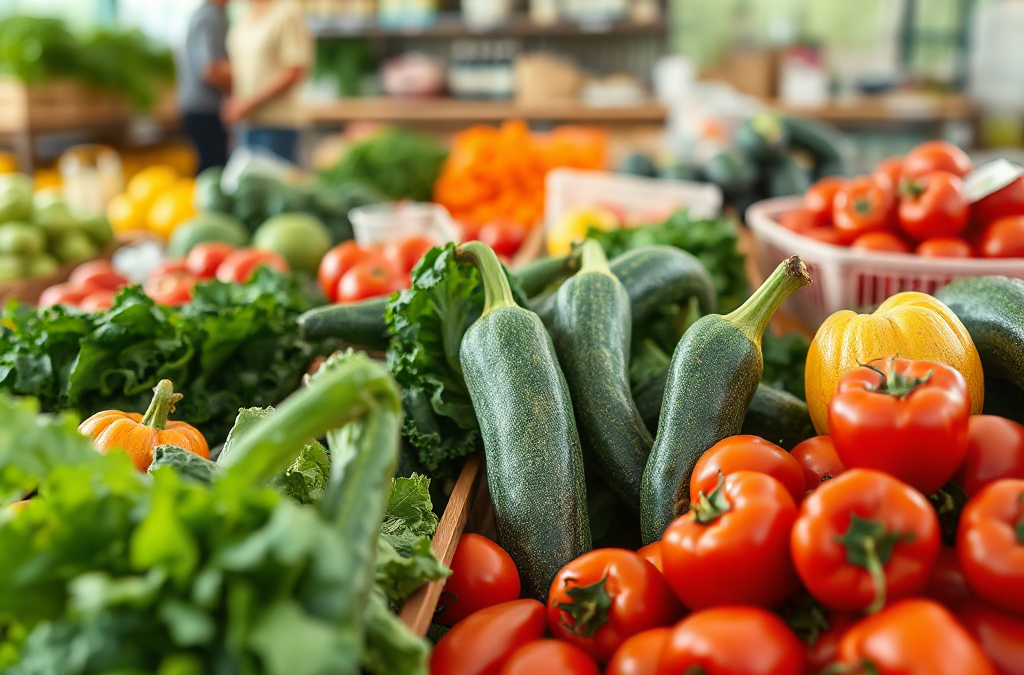
To avoid pesticide exposure with organic produce, prioritize buying certified organic items, thoroughly wash fruits and vegetables, and consider growing your own produce. Organic certification ensures that produce is grown without harmful synthetic pesticides. Washing can remove residual contaminants, while home gardening allows you to control growing conditions and inputs. It's also essential to stay informed about the sources of your food and to choose local or trusted suppliers whenever possible.
Understanding Organic Certification
Organic certification is crucial for ensuring that produce is grown without synthetic pesticides and fertilizers. When purchasing organic produce, look for the USDA Organic seal or similar certifications from reputable organizations. This label indicates compliance with strict agricultural standards that prohibit harmful chemicals. Understanding the certification process helps consumers make informed choices and supports farmers who follow sustainable practices.
Organic farms must adhere to regulations that include crop rotation, soil fertility management, and biodiversity enhancement. These practices not only reduce pesticide exposure but also promote environmental health. However, misconceptions often arise regarding the effectiveness of organic produce in minimizing pesticide residues. Some consumers believe that all organic products are entirely pesticide-free, which is not always the case. Organic farmers may use natural pesticides, which can still have effects on health, albeit typically less harmful than synthetic alternatives. Recognizing these nuances is essential when deciding how to avoid pesticide exposure.

Understanding Organic Certification matters because it turns avoid pesticide exposure with organic produce from a broad idea into a decision the reader can actually apply. The practical difference usually shows up in the details: how much is needed, when the choice is made, what tradeoff is acceptable, and what sign shows the approach is working. For gardening topics, the strongest advice connects soil conditions, plant needs, timing, and observable growth signals.
A useful way to handle this section is to compare the normal baseline with the situation that creates extra demand. If organic is the baseline concern, then pesticide becomes the adjustment point and produce becomes the outcome to watch. That keeps the advice specific without forcing the reader into a rigid formula that may not fit their routine, budget, tolerance, schedule, or current level of experience.
The most common mistake is changing too many variables at once. A better approach is to choose one measurable adjustment, use it consistently long enough to see a pattern, and then refine the next step based on energy, comfort, performance, safety, or reliability. This makes the guidance easier to trust because the reader can connect the recommendation to what they observe rather than guessing from a generic checklist.
The practical takeaway is to make the section actionable: identify the main constraint, choose the smallest useful change, and compare the result against the goal. When the outcome improves, the reader can keep the approach. When it does not, the next change should target the most likely bottleneck rather than repeating the same step with more effort.
Washing and Preparing Produce
Proper washing and preparation of organic produce can significantly reduce pesticide residues. While organic fruits and vegetables are less likely to have synthetic chemicals, they can still carry residues from natural pesticides or environmental contaminants. It’s advisable to wash all produce under running water before consumption. Using a brush for hard-skinned produce like potatoes or cucumbers can further remove residues.
Many people overlook the importance of washing even organic produce, assuming it is cleaner than conventional options. This assumption can lead to unnecessary exposure to chemicals. Additionally, soaking produce in a vinegar solution can help remove some pesticide residues and bacteria. However, it’s essential to rinse afterward with plain water to avoid any vinegar taste.
A common mistake is using soap or bleach to wash fruits and vegetables. These substances can leave harmful residues and are not intended for food consumption. Instead, focus on natural washing methods and consider investing in a produce wash specifically designed for this purpose. By taking these steps, consumers can further minimize their risk of pesticide exposure.
Washing and Preparing Produce matters because it turns avoid pesticide exposure with organic produce from a broad idea into a decision the reader can actually apply. The practical difference usually shows up in the details: how much is needed, when the choice is made, what tradeoff is acceptable, and what sign shows the approach is working. For nutrition topics, the strongest advice connects portion size, food quality, timing, and recovery instead of treating every meal as a fixed serving.
A useful way to handle this section is to compare the normal baseline with the situation that creates extra demand. If produce is the baseline concern, then pesticide becomes the adjustment point and organic becomes the outcome to watch. That keeps the advice specific without forcing the reader into a rigid formula that may not fit their routine, budget, tolerance, schedule, or current level of experience.
The most common mistake is changing too many variables at once. A better approach is to choose one measurable adjustment, use it consistently long enough to see a pattern, and then refine the next step based on energy, comfort, performance, safety, or reliability. This makes the guidance easier to trust because the reader can connect the recommendation to what they observe rather than guessing from a generic checklist.
Home Gardening as a Solution
Growing your own organic produce is one of the most effective ways to avoid pesticide exposure. Home gardening allows you to control every aspect of the growing process, from soil quality to pest management. By choosing organic seeds and natural pest deterrents, you can ensure that your food is free from harmful chemicals.
Many people believe that gardening requires extensive space or expertise, but even small balconies can accommodate container gardening. Herbs, tomatoes, and peppers are excellent choices for beginners and can thrive in limited spaces. Community gardens are also an option for those without private outdoor space, providing access to shared plots and resources.
However, potential pitfalls exist in home gardening. One common error is neglecting soil health, which can lead to pest problems. Regularly testing soil and incorporating organic compost can enhance plant health and reduce pest infestations. Furthermore, it’s important to stay informed about organic gardening practices to avoid the use of unapproved pesticides. By committing to organic gardening, individuals can enjoy fresh produce while minimizing their exposure to pesticides.
Home Gardening as a Solution matters because it turns avoid pesticide exposure with organic produce from a broad idea into a decision the reader can actually apply. The practical difference usually shows up in the details: how much is needed, when the choice is made, what tradeoff is acceptable, and what sign shows the approach is working. For nutrition topics, the strongest advice connects portion size, food quality, timing, and recovery instead of treating every meal as a fixed serving.
A useful way to handle this section is to compare the normal baseline with the situation that creates extra demand. If organic is the baseline concern, then gardening becomes the adjustment point and avoid becomes the outcome to watch. That keeps the advice specific without forcing the reader into a rigid formula that may not fit their routine, budget, tolerance, schedule, or current level of experience.
Choosing Trusted Sources
When buying organic produce, selecting trusted sources is paramount. Farmers’ markets, local co-ops, and certified organic stores often provide fresher options than large grocery chains. Building relationships with local farmers can also provide insights into their growing practices, ensuring that the produce meets organic standards.
Consumers should be cautious about misleading labels. Terms like ‘natural’ or ‘farm-fresh’ do not guarantee organic practices. Researching the sources of your food helps in making informed decisions. Additionally, understanding seasonal produce can guide purchases and reduce reliance on long-distance transportation, which may expose food to various contaminants.
A significant mistake is solely relying on store labels without asking questions. Engaging with vendors at farmers’ markets or co-ops can yield valuable information about growing practices and pesticide use. Prioritizing transparency in sourcing will not only help avoid pesticide exposure but also support sustainable agricultural practices.
Choosing Trusted Sources matters because it turns avoid pesticide exposure with organic produce from a broad idea into a decision the reader can actually apply. The practical difference usually shows up in the details: how much is needed, when the choice is made, what tradeoff is acceptable, and what sign shows the approach is working. For nutrition topics, the strongest advice connects portion size, food quality, timing, and recovery instead of treating every meal as a fixed serving.
A useful way to handle this section is to compare the normal baseline with the situation that creates extra demand. If organic is the baseline concern, then produce becomes the adjustment point and pesticide becomes the outcome to watch. That keeps the advice specific without forcing the reader into a rigid formula that may not fit their routine, budget, tolerance, schedule, or current level of experience.
Frequently Asked Questions
What are the main benefits of eating organic produce?
Organic produce is grown without synthetic pesticides and fertilizers, which can reduce exposure to harmful chemicals and promote environmental sustainability.
How can I identify truly organic products?
Look for the USDA Organic seal or certifications from recognized organizations to ensure products meet organic standards.
Is washing organic produce necessary?
Yes, washing organic produce helps remove any residual pesticides and contaminants, even if they are less likely to contain harmful chemicals.
Can I trust farmers' markets for organic produce?
Farmers' markets can be a great source for organic produce, but it's essential to engage with vendors to verify their growing practices.
What are some common mistakes to avoid when buying organic?
Common mistakes include assuming all 'natural' products are organic and not washing produce before consumption.


