
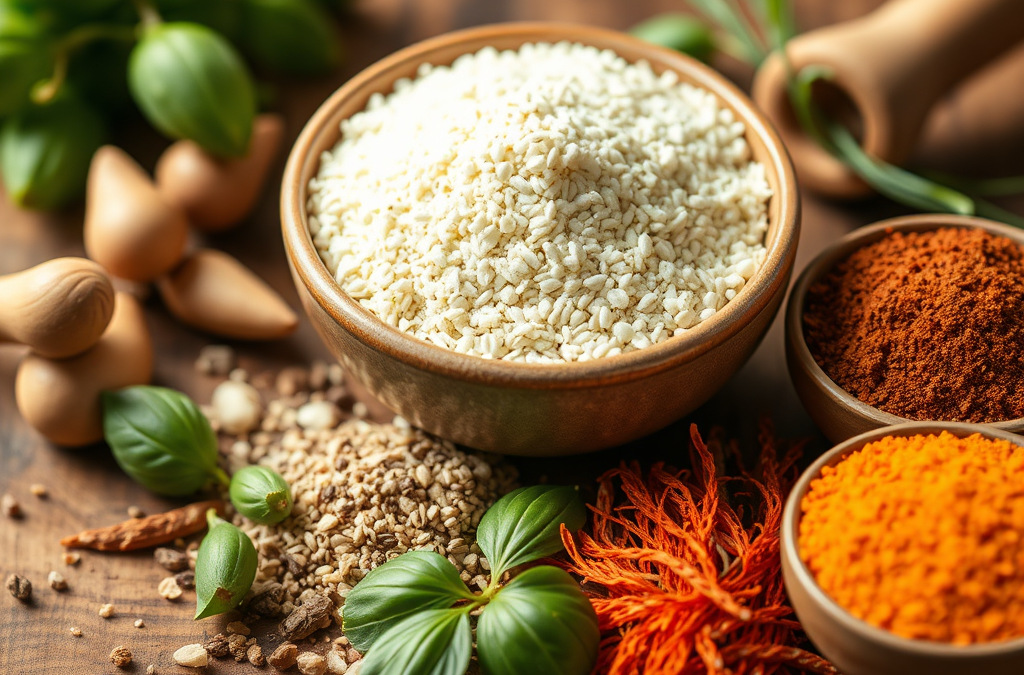
To make organic cooking more flavorful, focus on using fresh herbs, high-quality spices, and natural flavor enhancers like citrus and umami-rich ingredients. Start by incorporating herbs like basil, parsley, and cilantro, which can brighten dishes. Additionally, opt for spices such as smoked paprika or cumin to add depth. Don't overlook the power of umami from ingredients like mushrooms or fermented products, which can elevate the overall taste of your meals.
The Role of Fresh Herbs in Flavor Enhancement
Fresh herbs are crucial for adding vibrant flavors to organic dishes. They not only enhance the taste but also contribute nutritional benefits. Herbs like basil, cilantro, and dill have distinct flavor profiles that can transform a dish from bland to delicious. One common mistake is using dried herbs instead of fresh ones, as they often lack the intensity needed for flavor enhancement.
To effectively utilize fresh herbs, consider adding them at different stages of cooking. For example, adding herbs like basil at the end of cooking preserves their delicate flavor, while heartier herbs like rosemary can withstand longer cooking times. This layered approach to herb usage can significantly boost the flavor of your meals.

The Role of Fresh Herbs in Flavor Enhancement matters because it turns make organic cooking more flavorful from a broad idea into a decision the reader can actually apply. The practical difference usually shows up in the details: how much is needed, when the choice is made, what tradeoff is acceptable, and what sign shows the approach is working. For nutrition topics, the strongest advice connects portion size, food quality, timing, and recovery instead of treating every meal as a fixed serving.
A useful way to handle this section is to compare the normal baseline with the situation that creates extra demand. If herbs is the baseline concern, then cooking becomes the adjustment point and flavor becomes the outcome to watch. That keeps the advice specific without forcing the reader into a rigid formula that may not fit their routine, budget, tolerance, schedule, or current level of experience.
The most common mistake is changing too many variables at once. A better approach is to choose one measurable adjustment, use it consistently long enough to see a pattern, and then refine the next step based on energy, comfort, performance, safety, or reliability. This makes the guidance easier to trust because the reader can connect the recommendation to what they observe rather than guessing from a generic checklist.
The practical takeaway is to make the section actionable: identify the main constraint, choose the smallest useful change, and compare the result against the goal. When the outcome improves, the reader can keep the approach. When it does not, the next change should target the most likely bottleneck rather than repeating the same step with more effort.
Spices and Seasoning Techniques
Incorporating high-quality spices is essential for flavorful organic cooking. Spices like cumin, coriander, and smoked paprika not only add warmth and complexity but also help to create a base flavor for many dishes. A common oversight is under-seasoning; it’s important to taste as you cook and adjust seasoning accordingly.
To maximize the potency of your spices, consider toasting them briefly in a dry skillet before use. This process releases their essential oils and enhances their flavor. Additionally, using a variety of spices in combination can create a more complex flavor profile. For instance, a mix of cinnamon and chili powder can add depth to savory dishes.
Spices and Seasoning Techniques matters because it turns make organic cooking more flavorful from a broad idea into a decision the reader can actually apply. The practical difference usually shows up in the details: how much is needed, when the choice is made, what tradeoff is acceptable, and what sign shows the approach is working. The strongest advice connects the decision, the constraint, the tradeoff, and the signal that shows whether the approach is working.
A useful way to handle this section is to compare the normal baseline with the situation that creates extra demand. If spices is the baseline concern, then organic becomes the adjustment point and cooking becomes the outcome to watch. That keeps the advice specific without forcing the reader into a rigid formula that may not fit their routine, budget, tolerance, schedule, or current level of experience.
The most common mistake is changing too many variables at once. A better approach is to choose one measurable adjustment, use it consistently long enough to see a pattern, and then refine the next step based on energy, comfort, performance, safety, or reliability. This makes the guidance easier to trust because the reader can connect the recommendation to what they observe rather than guessing from a generic checklist.
The practical takeaway is to make the section actionable: identify the main constraint, choose the smallest useful change, and compare the result against the goal. When the outcome improves, the reader can keep the approach. When it does not, the next change should target the most likely bottleneck rather than repeating the same step with more effort.
Umami and Flavor Depth
Umami is the fifth taste and plays a critical role in flavor enhancement. Ingredients rich in umami, such as mushrooms, tomatoes, and fermented products like miso or soy sauce, can deepen the flavor of organic dishes. Understanding how to incorporate these ingredients can elevate your cooking significantly.
A typical mistake is relying solely on salt for flavor enhancement. Instead, integrating umami-rich ingredients can provide a more balanced taste. For example, adding a splash of balsamic vinegar or a sprinkle of nutritional yeast can enhance the savory notes in vegetarian dishes, making them more satisfying.
Umami and Flavor Depth matters because it turns make organic cooking more flavorful from a broad idea into a decision the reader can actually apply. The practical difference usually shows up in the details: how much is needed, when the choice is made, what tradeoff is acceptable, and what sign shows the approach is working. For nutrition topics, the strongest advice connects portion size, food quality, timing, and recovery instead of treating every meal as a fixed serving.
A useful way to handle this section is to compare the normal baseline with the situation that creates extra demand. If ingredients is the baseline concern, then flavor becomes the adjustment point and organic becomes the outcome to watch. That keeps the advice specific without forcing the reader into a rigid formula that may not fit their routine, budget, tolerance, schedule, or current level of experience.
Cooking Methods that Boost Flavor
The cooking method can greatly influence the flavor of organic ingredients. Techniques such as roasting, grilling, and sautéing can caramelize natural sugars, bringing out rich flavors. For instance, roasting vegetables like carrots and Brussels sprouts can enhance their sweetness and add a delightful char.
Conversely, boiling can diminish flavors and nutrients, so it’s often better to steam or roast vegetables. A common pitfall is overcooking; maintaining the right cooking time is essential to preserve the integrity and flavor of organic ingredients. Always monitor your cooking process and adjust times based on the specific ingredients.
Cooking Methods that Boost Flavor matters because it turns make organic cooking more flavorful from a broad idea into a decision the reader can actually apply. The practical difference usually shows up in the details: how much is needed, when the choice is made, what tradeoff is acceptable, and what sign shows the approach is working. For nutrition topics, the strongest advice connects portion size, food quality, timing, and recovery instead of treating every meal as a fixed serving.
A useful way to handle this section is to compare the normal baseline with the situation that creates extra demand. If cooking is the baseline concern, then organic becomes the adjustment point and ingredients becomes the outcome to watch. That keeps the advice specific without forcing the reader into a rigid formula that may not fit their routine, budget, tolerance, schedule, or current level of experience.
The most common mistake is changing too many variables at once. A better approach is to choose one measurable adjustment, use it consistently long enough to see a pattern, and then refine the next step based on energy, comfort, performance, safety, or reliability. This makes the guidance easier to trust because the reader can connect the recommendation to what they observe rather than guessing from a generic checklist.
Frequently Asked Questions
What are the best herbs to use for enhancing flavor in organic cooking?
Fresh herbs like basil, cilantro, parsley, and thyme are excellent choices for enhancing flavor in organic cooking.
How can I improve the flavor of my organic vegetables?
Using cooking methods like roasting or grilling can enhance the natural sweetness of organic vegetables, while adding spices can increase flavor complexity.
What role does umami play in cooking?
Umami enhances savory flavors in dishes, making them more satisfying. Ingredients like mushrooms, tomatoes, and fermented products are rich in umami.
Should I use dried herbs or fresh herbs for cooking?
Fresh herbs are generally more flavorful than dried herbs and should be used when possible to enhance the taste of dishes.
What cooking techniques best enhance flavor?
Techniques like roasting, sautéing, and grilling can enhance the flavors of ingredients by caramelizing sugars and concentrating tastes.
Conclusion
Enhancing the flavors in organic cooking involves using fresh herbs, quality spices, and understanding the role of umami. By adopting the right cooking techniques and being mindful of ingredient choices, you can transform simple organic dishes into flavorful meals. Prioritize fresh ingredients and explore various cooking methods to elevate your culinary creations.
Huge Discount on the Best Certified Organic Nutrient Dense Supplement!

Related Content
- 10 Powerful Strategies for Raw Organic Nutrition in 2025: The Ultimate Guide
- 10 Effective Organic Whole Food Detox Tips for Ultimate Health in 2025
- Energize Your Life: Unveiling How Organic Greens Support Energy for Enhanced Vitality
- Top 10 Effective Organic Food for Kids Tips for a Healthier 2025
- Best Organic Energy Supplement in Franklin Georgia


