
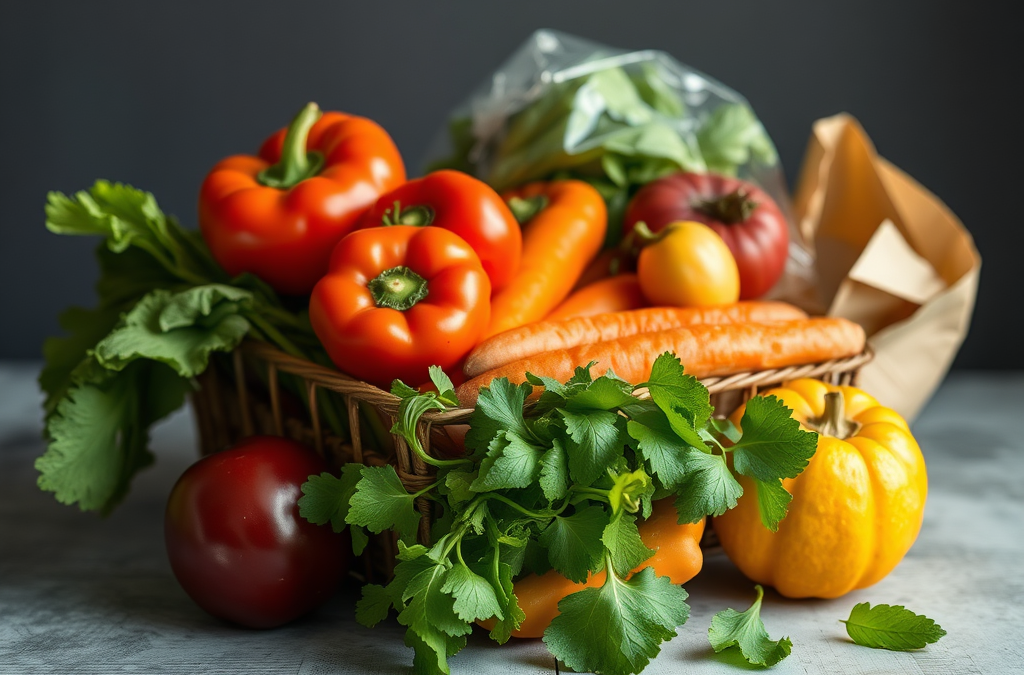
To reduce food waste with organic produce, prioritize proper storage techniques, plan meals effectively to use up perishables, and compost any scraps. Understanding the shelf life of different organic items and utilizing preservation methods like freezing can significantly minimize waste. Additionally, buying only what you need and embracing imperfect produce can further contribute to waste reduction efforts.
Understanding the Importance of Reducing Food Waste
Reducing food waste with organic produce is crucial for both environmental sustainability and economic efficiency. Annually, a significant percentage of food produced globally goes uneaten, leading to wasted resources such as water, energy, and labor. By focusing on organic produce, which often has a shorter shelf life, the need for effective waste reduction strategies becomes even more pronounced. Organic foods, while generally healthier, can be more expensive, making it vital to maximize their use and minimize waste.
Moreover, food waste contributes to greenhouse gas emissions, particularly methane, when organic waste decomposes in landfills. By reducing food waste, individuals can play a part in combating climate change. This understanding sets the foundation for practical actions that can be taken to ensure that organic produce is utilized to its fullest potential.

Understanding the Importance of Reducing Food Waste matters because it turns reduce food waste with organic produce from a broad idea into a decision the reader can actually apply. The practical difference usually shows up in the details: how much is needed, when the choice is made, what tradeoff is acceptable, and what sign shows the approach is working. For nutrition topics, the strongest advice connects portion size, food quality, timing, and recovery instead of treating every meal as a fixed serving.
A useful way to handle this section is to compare the normal baseline with the situation that creates extra demand. If waste is the baseline concern, then food becomes the adjustment point and organic becomes the outcome to watch. That keeps the advice specific without forcing the reader into a rigid formula that may not fit their routine, budget, tolerance, schedule, or current level of experience.
The most common mistake is changing too many variables at once. A better approach is to choose one measurable adjustment, use it consistently long enough to see a pattern, and then refine the next step based on energy, comfort, performance, safety, or reliability. This makes the guidance easier to trust because the reader can connect the recommendation to what they observe rather than guessing from a generic checklist.
The practical takeaway is to make the section actionable: identify the main constraint, choose the smallest useful change, and compare the result against the goal. When the outcome improves, the reader can keep the approach. When it does not, the next change should target the most likely bottleneck rather than repeating the same step with more effort.
Effective Storage Techniques for Organic Produce
Proper storage is essential for prolonging the freshness of organic produce and minimizing waste. Each type of organic fruit and vegetable has specific storage needs that should be met to maintain quality and extend shelf life. For instance, leafy greens should be stored in a breathable container lined with a damp paper towel to prevent wilting, while root vegetables like carrots and potatoes thrive in a cool, dark environment.
Using ethylene gas to your advantage is another effective strategy. Certain fruits, such as apples and bananas, emit ethylene gas, which can hasten the ripening of nearby produce. To prevent premature spoilage, store ethylene-sensitive items, like avocados and berries, away from these fruits. Additionally, utilizing clear containers can help you keep track of what you have, encouraging you to use items before they spoil.
Effective Storage Techniques for Organic Produce matters because it turns reduce food waste with organic produce from a broad idea into a decision the reader can actually apply. The practical difference usually shows up in the details: how much is needed, when the choice is made, what tradeoff is acceptable, and what sign shows the approach is working. For nutrition topics, the strongest advice connects portion size, food quality, timing, and recovery instead of treating every meal as a fixed serving.
A useful way to handle this section is to compare the normal baseline with the situation that creates extra demand. If organic is the baseline concern, then produce becomes the adjustment point and waste becomes the outcome to watch. That keeps the advice specific without forcing the reader into a rigid formula that may not fit their routine, budget, tolerance, schedule, or current level of experience.
The most common mistake is changing too many variables at once. A better approach is to choose one measurable adjustment, use it consistently long enough to see a pattern, and then refine the next step based on energy, comfort, performance, safety, or reliability. This makes the guidance easier to trust because the reader can connect the recommendation to what they observe rather than guessing from a generic checklist.
Meal Planning to Minimize Waste
Meal planning is one of the most effective strategies for reducing food waste with organic produce. By planning meals ahead of time, you can ensure that you purchase only what you will use, reducing the likelihood of spoilage. Start by checking what you already have in your pantry and refrigerator, then create a shopping list based on recipes that incorporate those ingredients.
Consider batch cooking or preparing meals that can be easily frozen or repurposed for leftovers. For example, if you have a surplus of ripe tomatoes, you could make a batch of tomato sauce that can be frozen for later use. This not only reduces waste but also saves time on future meal preparations. Furthermore, keeping a flexible approach to meal planning allows you to adapt to what’s available and in season, ensuring you make the most of your organic produce.
Meal Planning to Minimize Waste matters because it turns reduce food waste with organic produce from a broad idea into a decision the reader can actually apply. The practical difference usually shows up in the details: how much is needed, when the choice is made, what tradeoff is acceptable, and what sign shows the approach is working. For nutrition topics, the strongest advice connects portion size, food quality, timing, and recovery instead of treating every meal as a fixed serving.
A useful way to handle this section is to compare the normal baseline with the situation that creates extra demand. If waste is the baseline concern, then organic becomes the adjustment point and produce becomes the outcome to watch. That keeps the advice specific without forcing the reader into a rigid formula that may not fit their routine, budget, tolerance, schedule, or current level of experience.
Composting and Utilizing Scraps
Composting is an excellent way to reduce food waste, especially organic produce. Instead of discarding vegetable peels, cores, and other scraps, composting allows you to return nutrients to the soil, creating a sustainable cycle. Composting not only reduces the amount of organic waste in landfills but also enriches your garden soil, promoting healthier plant growth.
Moreover, consider utilizing produce scraps in creative ways. For example, carrot tops can be blended into pesto, and vegetable scraps can be used to make homemade broth. These practices not only reduce waste but also add flavor and nutrition to your meals. Embracing the entire vegetable or fruit, rather than discarding parts, can significantly lower waste levels in your kitchen.
Composting and Utilizing Scraps matters because it turns reduce food waste with organic produce from a broad idea into a decision the reader can actually apply. The practical difference usually shows up in the details: how much is needed, when the choice is made, what tradeoff is acceptable, and what sign shows the approach is working. For nutrition topics, the strongest advice connects portion size, food quality, timing, and recovery instead of treating every meal as a fixed serving.
A useful way to handle this section is to compare the normal baseline with the situation that creates extra demand. If waste is the baseline concern, then reduce becomes the adjustment point and organic becomes the outcome to watch. That keeps the advice specific without forcing the reader into a rigid formula that may not fit their routine, budget, tolerance, schedule, or current level of experience.
The most common mistake is changing too many variables at once. A better approach is to choose one measurable adjustment, use it consistently long enough to see a pattern, and then refine the next step based on energy, comfort, performance, safety, or reliability. This makes the guidance easier to trust because the reader can connect the recommendation to what they observe rather than guessing from a generic checklist.
Frequently Asked Questions
What are the best ways to store organic produce?
Store leafy greens in breathable containers with damp paper towels, and keep root vegetables in a cool, dark place. Use clear containers to monitor freshness.
How can meal planning help reduce food waste?
Meal planning ensures you purchase only what you will use, reduces spoilage, and allows you to utilize leftovers effectively.
What can I do with vegetable scraps?
Vegetable scraps can be composted or used to make homemade broth, enhancing flavor while minimizing waste.
Why is composting important for reducing food waste?
Composting reduces organic waste in landfills and returns nutrients to the soil, promoting a sustainable cycle in gardening.
How does buying organic produce affect food waste?
Organic produce typically has a shorter shelf life, making effective storage and meal planning essential to minimize waste.
Conclusion
Reducing food waste with organic produce is not only an environmental imperative but also a practical necessity for efficient kitchen management. By understanding the importance of proper storage, engaging in thoughtful meal planning, and utilizing scraps through composting or creative cooking, individuals can significantly lower their waste levels. Implementing these strategies not only benefits the planet but also enhances the overall culinary experience, making the most of the nutritious organic foods available.
Huge Discount on the Best Certified Organic Nutrient Dense Supplement!