
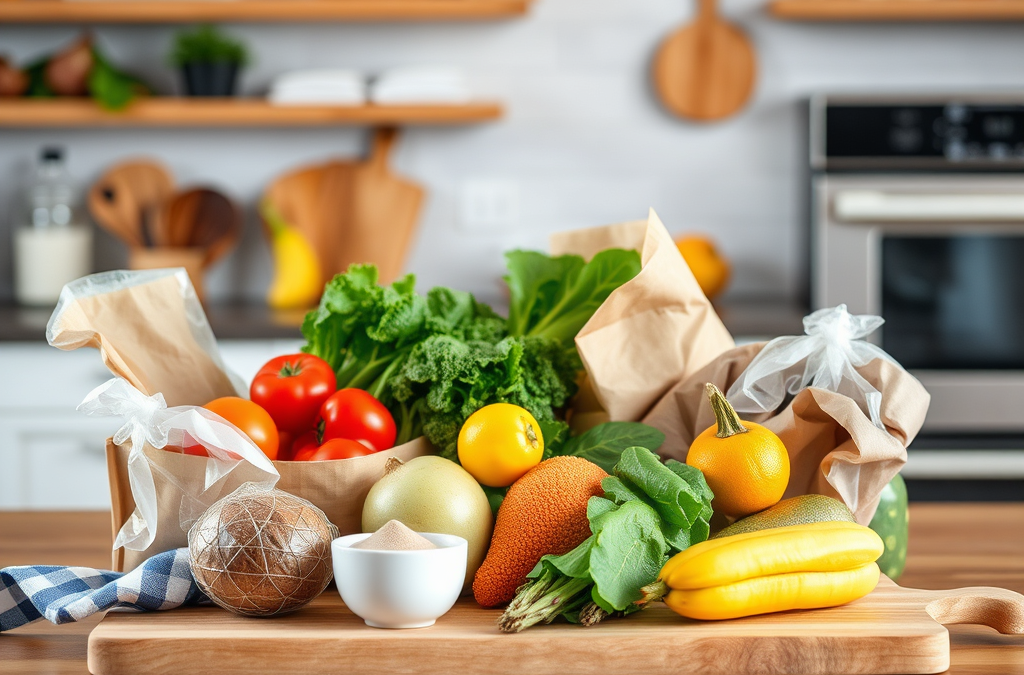
Transition from conventional to organic eating by replacing the foods you buy and eat most often, rather than trying to change your entire kitchen at once. Begin with a two-week food audit, prioritize frequently eaten produce and animal products within your budget, and compare certified organic labels with ingredient lists and prices. Keep affordable conventional staples when organic options are unavailable, then shift another category after your meals and spending remain manageable. Wash all produce, preserve a balanced intake of protein, whole grains, legumes, and vegetables, and avoid assuming that an organic label automatically means minimally processed or more nutritious.
Set Priorities Before You Shop
A successful transition begins with identifying the foods that dominate your routine, not with replacing every item in the pantry. Write down what you eat and purchase for seven days, including breakfast ingredients, packed lunches, snacks, beverages, cooking fats, and convenience foods. The list shows where an organic change would affect your household most often and where it would merely add expense without changing your meals.
Frequency is a useful first filter. If you eat apples daily, use milk in several meals, and cook with oats every morning, those categories deserve more attention than an occasional specialty ingredient. A household that rarely buys berries may reasonably leave them for later, while a family that serves strawberries several times a week may choose to compare organic and conventional options there first. This approach makes the change measurable and prevents an all-or-nothing rule from turning a manageable goal into an abandoned one.

Budget should shape the order. Organic prices vary by store, season, package size, and region, so inspect unit prices rather than comparing only shelf prices. Frozen vegetables, dried beans, lentils, oats, brown rice, and store-brand organic staples may fit a budget more easily than premium packaged snacks. Buying conventional foods is not a failure when the organic alternative would reduce your ability to afford enough nutritious food. A balanced diet with adequate vegetables, protein, fiber, and calories remains the priority.
Keep the distinction between organic production and overall food quality clear. Organic cookies, sweetened cereal, and chips are still processed foods, even when their ingredients meet organic standards. Conversely, a conventional bag of dry beans can be a practical, nutrient-dense staple. A useful starting point is to improve the quality of frequently eaten foods while preserving the meal pattern that already works. Readers comparing options can also use this how to transition from conventional to organic eating resource as a planning reference.
Build a Realistic Organic Grocery Plan
A grocery plan turns priorities into repeatable decisions. Divide your shopping list into categories such as produce, grains, legumes, dairy, eggs, meat, and packaged foods. Choose one or two categories for the first shopping cycle, then record the price, shelf life, storage needs, and whether the item was actually used. Organic purchasing works better when the food is eaten rather than forgotten in the refrigerator.
Produce often offers an easy trial because seasonal supply can lower cost and improve freshness. Compare fresh, frozen, and canned forms instead of treating fresh organic produce as the only acceptable choice. Frozen organic spinach may be more useful than a large box of fresh leaves that wilts before the week ends. Canned tomatoes and beans can also support quick meals; check the ingredient list for added salt, sugar, or sauces if those matter to your household.
Animal products require a more careful comparison because labels may describe different attributes. Organic certification does not mean every product has the same nutritional profile, and it does not replace checking the package for protein content, added ingredients, sodium, or fat. If organic meat stretches the budget, using smaller portions with lentils, chickpeas, eggs, or tofu can reduce total cost while keeping meals satisfying. If dairy is a major expense, compare plain yogurt, milk, and cheese separately rather than switching the entire category automatically.
A short staged plan may look like this:
- Week one: replace the two most frequently eaten items and use existing pantry foods.
- Week two: add seasonal produce or frozen vegetables while checking waste.
- Week three: compare one animal product with a lower-cost protein alternative.
- Week four: keep changes that fit the budget and postpone categories that create strain.
The common mistake is shopping according to an idealized list instead of the household’s actual cooking habits. A person who works late may need organic frozen meals or prepared ingredients, while a family that cooks beans and grains in batches may save more by buying larger staple packages. The best plan is the one that produces fewer unused purchases and makes nutritious meals easier to assemble.
Make Meals Work During the Change
Meal structure protects the transition from becoming a costly shopping exercise. Keep a dependable formula for most meals: a source of protein, a vegetable or fruit, a whole grain or starchy food, and a flavorful fat or sauce. Organic versions can be introduced within that structure without requiring unfamiliar recipes. For example, organic oats with banana and plain yogurt can replace a conventional breakfast without changing the preparation method.
Batch cooking is particularly useful when new ingredients have different storage needs. Cook a pot of organic lentils, roast several vegetables, and prepare brown rice or quinoa for two or three meals. Store portions promptly and label them with the date. This reduces the temptation to buy expensive convenience foods after a long day and reveals whether a product is practical in your routine. If a meal repeatedly requires too much preparation, replace the recipe rather than blaming yourself for poor consistency.
Preserve nutrient variety while changing purchasing standards. Organic eating should not narrow the diet to a few fashionable foods. Rotate beans, eggs, fish, poultry, tofu, nuts, and seeds according to preference and budget, and include different colored vegetables and fruits. Whole grains such as oats, barley, corn, and brown rice can provide fiber and texture at relatively manageable cost. Nutrition depends on the overall pattern, not on the label of a single ingredient.
Some people expect a noticeable physical change immediately after switching. That expectation can lead to unnecessary restriction or disappointment. A more useful sign of progress is operational: meals are still balanced, food waste is falling, the grocery bill is predictable, and the household can maintain the choices without stress. If energy intake drops because a person removes familiar foods without replacements, restore adequate carbohydrates, protein, and fats. Anyone managing diabetes, kidney disease, food allergies, pregnancy nutrition, or another medical concern should personalize major dietary changes with a qualified clinician.
Another failure mode is treating organic packaged foods as automatic upgrades. Organic sweeteners, refined snack foods, and heavily flavored products can remain occasional foods. Read the ingredient list and Nutrition Facts label, then decide whether the item serves a useful role in the meal. This transition planning checklist can help keep label decisions connected to actual eating patterns.
Check Labels, Budget, and Progress
Label literacy prevents several misleading assumptions. Look for the applicable organic certification statement and distinguish a product labeled as organic from one containing only some organic ingredients. The package still needs an ingredient-list review because organic status does not answer questions about added sugar, sodium, refined grains, allergens, or portion size. Fresh foods without elaborate packaging also need ordinary food-safety handling, including refrigeration where appropriate and thorough washing under running water.
Price tracking should be simple enough to continue. Keep a note on your phone with the unit price of recurring items at two or three stores. Record whether a product lasted through the planned meals. A larger package is not a bargain if half is discarded, and a more expensive item may be reasonable if it replaces several impulse purchases. Seasonal substitutions can lower cost: cabbage instead of a costly salad mix, frozen berries instead of fresh, or lentils instead of part of a meat-based dish.
Review the plan after two or four weeks using concrete questions. Which foods were eaten consistently? Which purchases spoiled? Did the new choices crowd out protein, whole grains, or enough total food? Did preparation time become unrealistic? These answers are more valuable than judging the transition by whether every item is organic. A flexible household might retain conventional bananas and buy organic leafy greens, while another might choose organic staples but conventional seasonal produce. Neither pattern is inherently universal.
Do not assume that washing can remove every concern associated with farming or processing, and do not treat an organic label as a guarantee of safety from contamination. Safe storage, separation of raw animal products, clean preparation surfaces, and appropriate cooking remain relevant. Likewise, evidence about whether organic foods provide broad nutritional advantages over conventional foods is mixed and depends on the food and comparison. Purchasing decisions may reasonably reflect environmental preferences, farming practices, personal priorities, or perceived exposure concerns, but those reasons should be separated from claims of guaranteed health outcomes.
A practical priority order is adequate food first, minimally processed choices second, variety and meal fit third, and organic upgrades where they are affordable and meaningful. Reassess every few months because prices, seasons, household schedules, and available stores change. The goal is a stable eating pattern rather than a perfect cart. For a related planning perspective, see how to transition from conventional to organic eating without discarding workable habits.
Frequently Asked Questions
Do I need to replace every conventional food?
No. Prioritize foods you eat often and keep affordable conventional staples when a full replacement would reduce dietary variety or strain the budget.
Which organic foods should I buy first?
Start with frequently eaten items that fit your budget, such as seasonal produce, oats, beans, milk, or eggs. The best first choices are those you will use consistently.
Are organic foods always healthier?
No. Organic certification describes production standards, not a guarantee that a food is lower in sugar, sodium, calories, or processing.
Can organic eating fit a limited budget?
It can when you compare unit prices, use frozen or seasonal items, cook legumes and grains, reduce waste, and choose upgrades selectively rather than universally.
How long should a transition take?
There is no required timeline. A staged change over several shopping cycles often works better because it allows you to test cost, preparation time, storage, and household acceptance.
Conclusion
Moving toward organic eating works best as a sequence of tested household decisions. Audit your routine, identify high-frequency foods, compare unit prices, and introduce changes that preserve enough protein, fiber, variety, and total food. Seasonal produce, frozen vegetables, beans, whole grains, and simple batch cooking can make the pattern more affordable, while label checks prevent organic packaged foods from being mistaken for automatically nutritious choices. Track waste and preparation effort alongside price; a purchase that repeatedly spoils is not serving the plan. Keep conventional options where they protect budget or variety, then reassess after a few weeks. A gradual, evidence-aware approach gives you room to refine priorities without turning an eating preference into unnecessary restriction.
Huge Discount on the Best Certified Organic Nutrient Dense Supplement!

Additional Resources
Authoritative Sources
- A Systematic Review of Organic Versus Conventional Food ...
pmc.ncbi.nlm.nih.govThe current review aims to systematically assess the evidence related to human health outcomes when an organic diet is consumed in comparison to its ...