
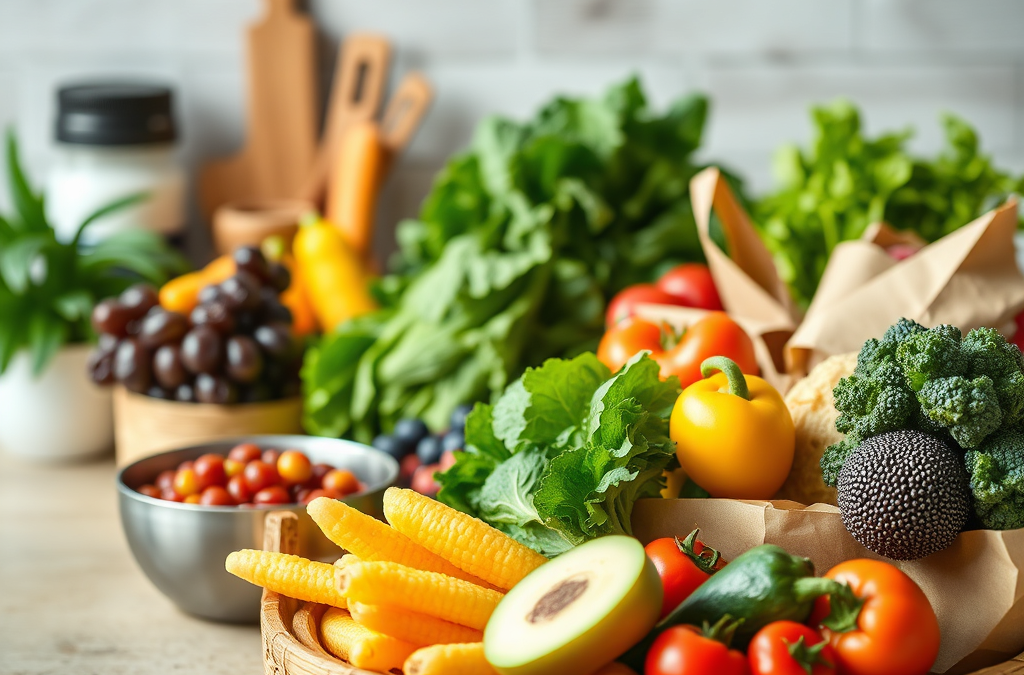
The Importance of Variety in an Organic Diet: Benefits of Diverse Foods for Optimal Nutrition is best handled by matching the recommendation to energy needs, food quality, portion size, timing, hydration, tolerance, and recovery. Start with the clearest need, choose one practical adjustment, and measure whether it improves the result before changing anything else. A stronger approach compares the most reliable option with the easiest shortcut, then uses the reader’s actual response to decide what comes next. This keeps the guidance useful, specific, and easier to apply without turning the article into a generic checklist.
Understanding Nutritional Diversity
Nutritional diversity is essential for maintaining optimal health, and it is particularly significant in the context of an organic diet. When individuals consume a wide variety of organic foods, they are more likely to obtain the full range of nutrients their bodies need. Different foods provide different vitamins, minerals, and phytochemicals, which are crucial for various bodily functions.
For instance, leafy greens like spinach and kale offer high levels of vitamin K and folate, while colorful fruits such as berries are rich in antioxidants. By eating a combination of these foods, one can achieve a more balanced intake of nutrients, which can help prevent deficiencies and support overall well-being. A varied diet also contributes to better digestion, as different foods promote different beneficial bacteria in the gut.

Moreover, the importance of variety extends beyond mere nutrition; it also enhances the enjoyment of meals. Eating a diverse range of foods can prevent monotony and encourage culinary creativity, making it easier to stick with healthy eating habits over the long term.
Understanding Nutritional Diversity matters because it turns the importance of variety in an organic diet from a broad idea into a decision the reader can actually apply. The practical difference usually shows up in the details: how much is needed, when the choice is made, what tradeoff is acceptable, and what sign shows the approach is working. For nutrition topics, the strongest advice connects portion size, food quality, timing, and recovery instead of treating every meal as a fixed serving.
A useful way to handle this section is to compare the normal baseline with the situation that creates extra demand. If foods is the baseline concern, then variety becomes the adjustment point and organic becomes the outcome to watch. That keeps the advice specific without forcing the reader into a rigid formula that may not fit their routine, budget, tolerance, schedule, or current level of experience.
The most common mistake is changing too many variables at once. A better approach is to choose one measurable adjustment, use it consistently long enough to see a pattern, and then refine the next step based on energy, comfort, performance, safety, or reliability. This makes the guidance easier to trust because the reader can connect the recommendation to what they observe rather than guessing from a generic checklist.
The practical takeaway is to make the section actionable: identify the main constraint, choose the smallest useful change, and compare the result against the goal. When the outcome improves, the reader can keep the approach. When it does not, the next change should target the most likely bottleneck rather than repeating the same step with more effort.
The Role of Organic Foods
Organic foods play a crucial role in promoting variety within a diet. Unlike conventional foods, organic produce is grown without synthetic pesticides and fertilizers, which can influence the nutritional profile of the food. Studies suggest that organic fruits and vegetables may have higher levels of certain nutrients, including antioxidants, due to the natural growing conditions and practices.
Incorporating organic foods into your diet not only supports your health but also benefits the environment. Organic farming practices are designed to enhance biodiversity, improve soil health, and reduce pollution. By choosing organic, you contribute to sustainable agricultural practices that prioritize ecological balance.
Additionally, organic diets often emphasize seasonal and local produce, which naturally encourages variety. Eating seasonally means you will be exposed to different fruits and vegetables throughout the year, which can help prevent dietary boredom and ensure you are consuming a wide range of nutrients.
The Role of Organic Foods matters because it turns the importance of variety in an organic diet from a broad idea into a decision the reader can actually apply. The practical difference usually shows up in the details: how much is needed, when the choice is made, what tradeoff is acceptable, and what sign shows the approach is working. For nutrition topics, the strongest advice connects portion size, food quality, timing, and recovery instead of treating every meal as a fixed serving.
A useful way to handle this section is to compare the normal baseline with the situation that creates extra demand. If organic is the baseline concern, then foods becomes the adjustment point and variety becomes the outcome to watch. That keeps the advice specific without forcing the reader into a rigid formula that may not fit their routine, budget, tolerance, schedule, or current level of experience.
Practical Ways to Incorporate Variety
Incorporating variety into your organic diet doesn’t have to be complicated. Here are some practical strategies to ensure you are getting a diverse range of nutrients:
- Plan Weekly Meals: Create a weekly meal plan that incorporates different fruits, vegetables, grains, and proteins. Aim for a rainbow of colors on your plate, as different colors often represent different nutrients.
- Experiment with New Recipes: Try new recipes that feature ingredients you may not typically use. This can include less common grains like quinoa or farro, or vegetables like kohlrabi or beets.
- Join a CSA: Consider joining a Community Supported Agriculture (CSA) program. This will provide you with a variety of seasonal organic produce, often including items you may not buy regularly.
- Mix Up Your Proteins: Incorporate a variety of protein sources, such as legumes, nuts, seeds, and organic meats or dairy. This not only adds variety but also ensures you receive different amino acids.
- Snack Wisely: Choose snacks that offer variety, such as mixed nuts, fruit salads, or vegetable sticks with hummus. This can help you avoid the temptation of processed snacks that lack nutritional diversity.
Practical Ways to Incorporate Variety matters because it turns the importance of variety in an organic diet from a broad idea into a decision the reader can actually apply. The practical difference usually shows up in the details: how much is needed, when the choice is made, what tradeoff is acceptable, and what sign shows the approach is working. For nutrition topics, the strongest advice connects portion size, food quality, timing, and recovery instead of treating every meal as a fixed serving.
A useful way to handle this section is to compare the normal baseline with the situation that creates extra demand. If variety is the baseline concern, then organic becomes the adjustment point and different becomes the outcome to watch. That keeps the advice specific without forcing the reader into a rigid formula that may not fit their routine, budget, tolerance, schedule, or current level of experience.
Common Misconceptions About Organic Diets
Many misconceptions surround organic diets, which can lead to confusion about their benefits and importance. One common myth is that organic foods are always healthier. While organic foods are grown without synthetic chemicals, not all organic products are nutritionally superior. For example, organic cookies are still cookies and should be consumed in moderation.
Another misconception is that organic diets are prohibitively expensive. While some organic products can be more expensive, focusing on seasonal and local organic produce can help manage costs. Buying in bulk or participating in a CSA can also reduce expenses.
To wrap up, some believe that an organic diet lacks variety, but this is far from the truth. An organic diet can be incredibly diverse, especially when one embraces local and seasonal offerings. By exploring different types of organic foods, individuals can enjoy a wide range of flavors and health benefits.
Common Misconceptions About Organic Diets matters because it turns the importance of variety in an organic diet from a broad idea into a decision the reader can actually apply. The practical difference usually shows up in the details: how much is needed, when the choice is made, what tradeoff is acceptable, and what sign shows the approach is working. For nutrition topics, the strongest advice connects portion size, food quality, timing, and recovery instead of treating every meal as a fixed serving.
A useful way to handle this section is to compare the normal baseline with the situation that creates extra demand. If organic is the baseline concern, then diet becomes the adjustment point and foods becomes the outcome to watch. That keeps the advice specific without forcing the reader into a rigid formula that may not fit their routine, budget, tolerance, schedule, or current level of experience.
Frequently Asked Questions
What are the main benefits of variety in an organic diet?
Variety in an organic diet enhances nutritional intake, supports gut health, and reduces the risk of chronic diseases.
How can I ensure I'm getting enough variety in my diet?
Create a meal plan that includes a wide range of fruits, vegetables, grains, and proteins, and try new recipes regularly.
Are organic foods always healthier than non-organic foods?
Not necessarily; while organic foods are free from synthetic chemicals, not all organic products are nutritionally superior.
How does eating seasonally contribute to dietary variety?
Eating seasonally encourages the consumption of different fruits and vegetables throughout the year, enhancing nutritional diversity.
Can I incorporate variety on a budget?
Yes, consider buying seasonal produce, joining a CSA, or purchasing in bulk to save money while maintaining variety.
Conclusion
Prioritizing variety in an organic diet is essential for achieving optimal health and well-being. By embracing diverse foods, individuals can enhance their nutritional intake, support gut health, and enjoy a more satisfying eating experience. Incorporating seasonal and local organic produce not only enriches meals but also supports sustainable practices. To maximize the benefits, plan meals thoughtfully, experiment with new ingredients, and challenge common misconceptions about organic eating. By doing so, you can cultivate a vibrant, healthful diet that nourishes both body and mind.
Huge Discount on the Best Certified Organic Nutrient Dense Supplement!