
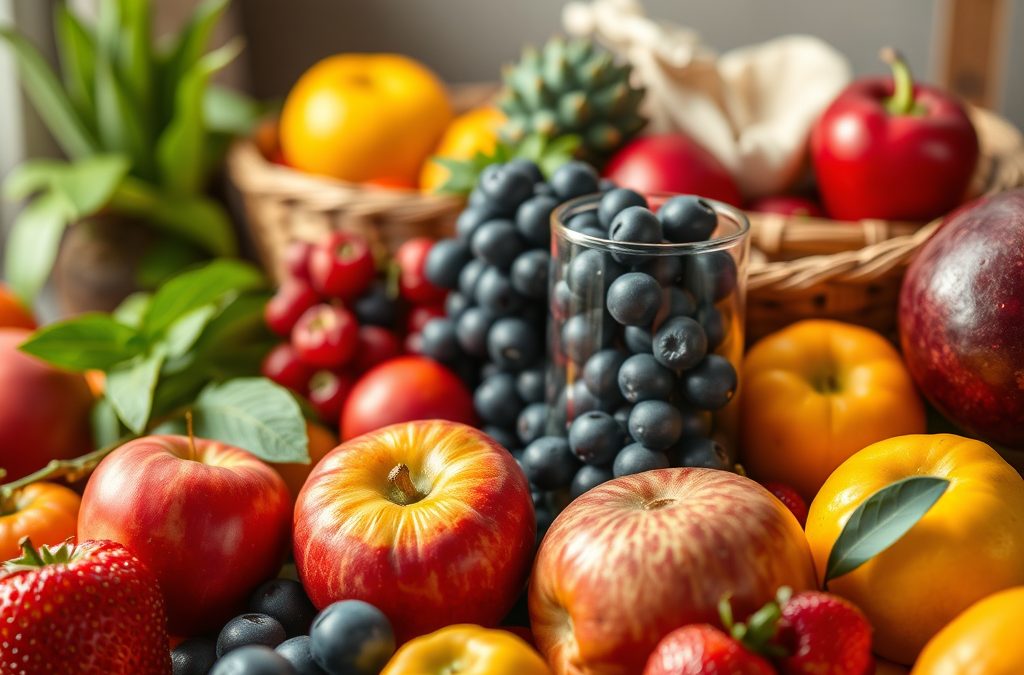
To choose the best organic fruits for juicing, prioritize fruits that are in season, have a strong flavor profile, and are free from blemishes. Opt for varieties known for their juiciness, such as oranges, apples, and pineapples, while avoiding overly ripe or damaged fruits, which can affect the taste and nutritional quality of your juice. Additionally, consider the nutritional benefits of each fruit to maximize health benefits in your juice blends.
Understanding Organic Fruits
Organic fruits are grown without the use of synthetic pesticides and fertilizers, which makes them a healthier choice for juicing. These fruits not only offer superior flavor but also higher nutritional value. When selecting organic fruits, it’s important to be aware of the different varieties available and how they can influence the taste and quality of your juice.
For instance, fruits like berries, apples, and citrus are often preferred for their juiciness and flavor depth. Additionally, organic fruits tend to have a shorter shelf life due to the absence of preservatives, so freshness should be a key consideration when choosing fruits for juicing.
Understanding Organic Fruits matters because it turns choose the best organic fruits for juicing from a broad idea into a decision the reader can actually apply. The practical difference usually shows up in the details: how much is needed, when the choice is made, what tradeoff is acceptable, and what sign shows the approach is working. For nutrition topics, the strongest advice connects portion size, food quality, timing, and recovery instead of treating every meal as a fixed serving.
A useful way to handle this section is to compare the normal baseline with the situation that creates extra demand. If fruits is the baseline concern, then organic becomes the adjustment point and juicing becomes the outcome to watch. That keeps the advice specific without forcing the reader into a rigid formula that may not fit their routine, budget, tolerance, schedule, or current level of experience.
The most common mistake is changing too many variables at once. A better approach is to choose one measurable adjustment, use it consistently long enough to see a pattern, and then refine the next step based on energy, comfort, performance, safety, or reliability. This makes the guidance easier to trust because the reader can connect the recommendation to what they observe rather than guessing from a generic checklist.
The practical takeaway is to make the section actionable: identify the main constraint, choose the smallest useful change, and compare the result against the goal. When the outcome improves, the reader can keep the approach. When it does not, the next change should target the most likely bottleneck rather than repeating the same step with more effort.
Key Factors in Selecting Organic Fruits
When choosing organic fruits for juicing, consider the following factors:
- Ripeness: Select fruits that are ripe but not overripe. Overripe fruits can lead to a mushy texture and off-flavors in your juice.
- Seasonality: Choose fruits that are in season for the best flavor and nutritional profile. Seasonal fruits are often fresher and more affordable.
- Variety: Different varieties of the same fruit can have varied flavors and juiciness. For example, Honeycrisp apples are typically sweeter and juicier than other varieties.
- Appearance: Look for fruits that are free from blemishes and bruises. These imperfections can indicate spoilage or poor quality.
By focusing on these factors, you can ensure that the fruits you select will produce delicious and nutritious juice.
Key Factors in Selecting Organic Fruits matters because it turns choose the best organic fruits for juicing from a broad idea into a decision the reader can actually apply. The practical difference usually shows up in the details: how much is needed, when the choice is made, what tradeoff is acceptable, and what sign shows the approach is working. For nutrition topics, the strongest advice connects portion size, food quality, timing, and recovery instead of treating every meal as a fixed serving.
A useful way to handle this section is to compare the normal baseline with the situation that creates extra demand. If fruits is the baseline concern, then organic becomes the adjustment point and choose becomes the outcome to watch. That keeps the advice specific without forcing the reader into a rigid formula that may not fit their routine, budget, tolerance, schedule, or current level of experience.
The most common mistake is changing too many variables at once. A better approach is to choose one measurable adjustment, use it consistently long enough to see a pattern, and then refine the next step based on energy, comfort, performance, safety, or reliability. This makes the guidance easier to trust because the reader can connect the recommendation to what they observe rather than guessing from a generic checklist.
The practical takeaway is to make the section actionable: identify the main constraint, choose the smallest useful change, and compare the result against the goal. When the outcome improves, the reader can keep the approach. When it does not, the next change should target the most likely bottleneck rather than repeating the same step with more effort.
Juicing Techniques for Optimal Flavor
To maximize the flavor and nutritional benefits of your juice, consider the following juicing techniques:
- Mixing Flavors: Combine fruits with complementary flavors to enhance taste. For example, pairing sweet fruits like mango with tart fruits like lime can create a refreshing juice.
- Using Whole Fruits: Incorporate peels and seeds where appropriate, as they often contain beneficial nutrients. For example, the peel of an apple has fiber and antioxidants.
- Cold-Press Juicing: If possible, use a cold-press juicer, which retains more nutrients and enzymes compared to traditional juicers.
Experimenting with different combinations and techniques can lead to unique and flavorful juice blends that suit your palate.
Juicing Techniques for Optimal Flavor matters because it turns choose the best organic fruits for juicing from a broad idea into a decision the reader can actually apply. The practical difference usually shows up in the details: how much is needed, when the choice is made, what tradeoff is acceptable, and what sign shows the approach is working. For nutrition topics, the strongest advice connects portion size, food quality, timing, and recovery instead of treating every meal as a fixed serving.
A useful way to handle this section is to compare the normal baseline with the situation that creates extra demand. If fruits is the baseline concern, then juicing becomes the adjustment point and techniques becomes the outcome to watch. That keeps the advice specific without forcing the reader into a rigid formula that may not fit their routine, budget, tolerance, schedule, or current level of experience.
The most common mistake is changing too many variables at once. A better approach is to choose one measurable adjustment, use it consistently long enough to see a pattern, and then refine the next step based on energy, comfort, performance, safety, or reliability. This makes the guidance easier to trust because the reader can connect the recommendation to what they observe rather than guessing from a generic checklist.
Common Mistakes to Avoid
When selecting organic fruits for juicing, it’s easy to make mistakes that can affect the quality of your juice. Here are some common pitfalls:
- Ignoring Freshness: Always choose the freshest fruits available. Older fruits may not yield as much juice and can alter the flavor.
- Overlooking Nutritional Value: Some fruits may be organic but lack the nutrient density you desire. Research the nutritional profiles of fruits to ensure you are making healthy choices.
- Neglecting Texture: The texture of the fruit can impact the juicing process. For example, fruits that are too soft may not produce a good yield.
Avoiding these mistakes will help you create the best possible juice from your selected organic fruits.
Common Mistakes to Avoid matters because it turns choose the best organic fruits for juicing from a broad idea into a decision the reader can actually prevent. The practical difference usually shows up in the details: how much is needed, when the choice is made, what tradeoff is acceptable, and what sign shows the approach is working. For nutrition topics, the strongest advice connects portion size, food quality, timing, and recovery instead of treating every meal as a fixed serving.
A useful way to handle this section is to compare the normal baseline with the situation that creates extra demand. If fruits is the baseline concern, then organic becomes the adjustment point and juicing becomes the outcome to watch. That keeps the advice specific without forcing the reader into a rigid formula that may not fit their routine, budget, tolerance, schedule, or current level of experience.
The most common mistake is changing too many variables at once. A better approach is to choose one measurable adjustment, use it consistently long enough to see a pattern, and then refine the next step based on energy, comfort, performance, safety, or reliability. This makes the guidance easier to trust because the reader can connect the recommendation to what they observe rather than guessing from a generic checklist.
Conclusion
Choosing the best organic fruits for juicing involves understanding the qualities that contribute to flavor and nutrition. Focus on selecting fresh, seasonal fruits that are free from blemishes and ripe but not overripe. By avoiding common mistakes and employing effective juicing techniques, you can create delicious and healthful juices that maximize the benefits of organic produce. Experiment with different combinations to find your favorite blends and enjoy the vibrant flavors of organic fruits.
Huge Discount on the Best Certified Organic Nutrient Dense Supplement!

Frequently Asked Questions
What are the best organic fruits for juicing?
Some of the best organic fruits for juicing include oranges, apples, pineapples, and berries due to their juiciness and flavor profiles.
How do I know if organic fruits are fresh?
Check for firmness, vibrant color, and absence of blemishes. Fresh organic fruits should feel heavy for their size and have a pleasant aroma.
Can I use overripe organic fruits for juicing?
While slightly overripe fruits can still be juiced, they may alter the flavor and texture of your juice, so it's best to avoid them if possible.
Are organic fruits more nutritious than conventional fruits?
Organic fruits can have higher levels of certain nutrients and antioxidants, but the difference can vary based on the type of fruit and growing conditions.
What is the best time to buy organic fruits?
Buying organic fruits during their peak season ensures better flavor and freshness, and often, lower prices at local markets.