
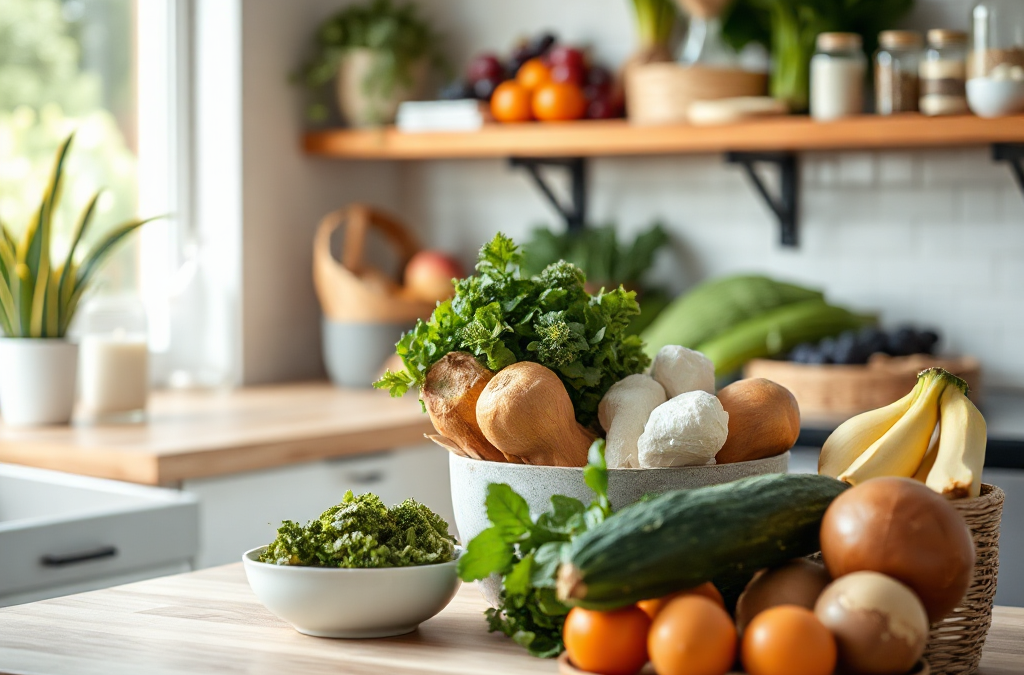
The role of organic foods in detoxification is significant, as they provide essential nutrients and compounds that support the body's natural detox processes. Organic foods are often free from synthetic pesticides and additives, which can burden the liver and other detox organs. Their higher antioxidant content helps combat oxidative stress, while fiber-rich options support gut health, enhancing the elimination of toxins. Incorporating a variety of organic vegetables, fruits, and whole grains can optimize detoxification efforts.
Understanding Detoxification
Detoxification refers to the body’s natural process of eliminating toxins and harmful substances. It primarily occurs in the liver, kidneys, and intestines, where various biochemical reactions transform and excrete unwanted compounds. Understanding detoxification is essential because the accumulation of toxins can lead to health issues such as fatigue, digestive disturbances, and weakened immunity. Organic foods support this process by providing vital nutrients that enhance the efficiency of detox pathways.
During detoxification, the body relies on specific compounds, including antioxidants, enzymes, and vitamins. For instance, antioxidants neutralize free radicals, which can damage cells and contribute to chronic diseases. Organic foods, rich in these compounds, help maintain the balance necessary for optimal detoxification. Moreover, avoiding synthetic chemicals often found in conventional farming allows the body to focus on eliminating naturally occurring toxins without additional burdens.

Understanding Detoxification matters because it turns the role of organic foods in detoxification from a broad idea into a decision the reader can actually apply. The practical difference usually shows up in the details: how much is needed, when the choice is made, what tradeoff is acceptable, and what sign shows the approach is working. For nutrition topics, the strongest advice connects portion size, food quality, timing, and recovery instead of treating every meal as a fixed serving.
A useful way to handle this section is to compare the normal baseline with the situation that creates extra demand. If detoxification is the baseline concern, then foods becomes the adjustment point and organic becomes the outcome to watch. That keeps the advice specific without forcing the reader into a rigid formula that may not fit their routine, budget, tolerance, schedule, or current level of experience.
The most common mistake is changing too many variables at once. A better approach is to choose one measurable adjustment, use it consistently long enough to see a pattern, and then refine the next step based on energy, comfort, performance, safety, or reliability. This makes the guidance easier to trust because the reader can connect the recommendation to what they observe rather than guessing from a generic checklist.
The practical takeaway is to make the section actionable: identify the main constraint, choose the smallest useful change, and compare the result against the goal. When the outcome improves, the reader can keep the approach. When it does not, the next change should target the most likely bottleneck rather than repeating the same step with more effort.
Benefits of Organic Foods
Organic foods offer numerous benefits that can enhance the detoxification process. Firstly, they are grown without synthetic pesticides, herbicides, and fertilizers, making them a cleaner choice for consumption. This lack of chemical exposure reduces the burden on the liver and kidneys, allowing these organs to function more effectively.
In addition, organic farming practices tend to promote healthier soil, leading to more nutrient-dense crops. Research indicates that organic produce often contains higher levels of vitamins, minerals, and antioxidants. These nutrients play a crucial role in supporting the body’s detox mechanisms. For example, vitamins C and E help regenerate other antioxidants, while minerals like magnesium and zinc are essential for enzymatic reactions involved in detoxification.
Furthermore, organic foods are typically fresher, as they are often sold locally and have shorter supply chains. Freshness can impact nutrient retention, meaning that organic foods might provide more bioavailable nutrients compared to their conventional counterparts.
Benefits of Organic Foods matters because it turns the role of organic foods in detoxification from a broad idea into a decision the reader can actually apply. The practical difference usually shows up in the details: how much is needed, when the choice is made, what tradeoff is acceptable, and what sign shows the approach is working. For nutrition topics, the strongest advice connects portion size, food quality, timing, and recovery instead of treating every meal as a fixed serving.
A useful way to handle this section is to compare the normal baseline with the situation that creates extra demand. If organic is the baseline concern, then foods becomes the adjustment point and detoxification becomes the outcome to watch. That keeps the advice specific without forcing the reader into a rigid formula that may not fit their routine, budget, tolerance, schedule, or current level of experience.
Key Organic Foods for Detox
Incorporating specific organic foods into your diet can significantly enhance detoxification efforts. Here are some key options:
- Leafy Greens: Foods like kale, spinach, and Swiss chard are rich in chlorophyll, which aids in detoxifying heavy metals and other toxins.
- Cruciferous Vegetables: Broccoli, cauliflower, and Brussels sprouts contain compounds that support liver detoxification enzymes, promoting the elimination of harmful substances.
- Berries: Organic strawberries, blueberries, and raspberries are packed with antioxidants that help combat oxidative stress during detoxification.
- Citrus Fruits: Lemons and oranges provide vitamin C, which is crucial for the detoxification process and supports liver health.
- Beets: These root vegetables contain betalains, which may enhance liver detoxification processes and improve bile flow.
- Garlic: Known for its sulfur content, garlic supports the liver’s detoxification pathways and helps eliminate toxins.
Including these organic foods in your diet can create a synergistic effect, improving overall detoxification and health outcomes.
Key Organic Foods for Detox matters because it turns the role of organic foods in detoxification from a broad idea into a decision the reader can actually apply. The practical difference usually shows up in the details: how much is needed, when the choice is made, what tradeoff is acceptable, and what sign shows the approach is working. For nutrition topics, the strongest advice connects portion size, food quality, timing, and recovery instead of treating every meal as a fixed serving.
A useful way to handle this section is to compare the normal baseline with the situation that creates extra demand. If detoxification is the baseline concern, then foods becomes the adjustment point and organic becomes the outcome to watch. That keeps the advice specific without forcing the reader into a rigid formula that may not fit their routine, budget, tolerance, schedule, or current level of experience.
Practical Tips for Incorporating Organic Foods
To maximize the benefits of organic foods in your detoxification efforts, consider the following practical tips:
- Start Slowly: If you’re new to organic foods, gradually incorporate them into your diet. Begin with items you consume most frequently, such as fruits and vegetables.
- Prioritize Produce: Focus on buying organic versions of the “Dirty Dozen,” a list of fruits and vegetables known to have higher pesticide residues.
- Explore Local Markets: Visit farmers’ markets or local organic farms to find fresh, seasonal produce while supporting local agriculture.
- Meal Prep: Plan and prepare meals in advance using organic ingredients. This practice can help you avoid processed foods and maintain a healthy diet.
- Experiment with Recipes: Discover new ways to incorporate organic foods into your meals. Try smoothies, salads, or stir-fries to enjoy the nutritional benefits.
By making a conscious effort to include organic foods in your diet, you can significantly enhance your body’s ability to detoxify effectively.
Practical Tips for Incorporating Organic Foods matters because it turns the role of organic foods in detoxification from a broad idea into a decision the reader can actually apply. The practical difference usually shows up in the details: how much is needed, when the choice is made, what tradeoff is acceptable, and what sign shows the approach is working. For nutrition topics, the strongest advice connects portion size, food quality, timing, and recovery instead of treating every meal as a fixed serving.
A useful way to handle this section is to compare the normal baseline with the situation that creates extra demand. If organic is the baseline concern, then foods becomes the adjustment point and detoxification becomes the outcome to watch. That keeps the advice specific without forcing the reader into a rigid formula that may not fit their routine, budget, tolerance, schedule, or current level of experience.
Conclusion
Incorporating organic foods into your diet plays a critical role in detoxification by providing essential nutrients that support the body’s natural processes. By focusing on organic options, you can reduce exposure to harmful chemicals and enhance the effectiveness of your detox efforts. Prioritize a diverse range of organic fruits and vegetables, and consider meal prepping to make healthy choices more accessible. Ultimately, the shift towards organic foods can lead to better health outcomes and a more efficient detoxification process.
Huge Discount on the Best Certified Organic Nutrient Dense Supplement!

Frequently Asked Questions
What are the main benefits of organic foods in detoxification?
Organic foods are free from synthetic chemicals, contain higher nutrient levels, and support liver function, all of which enhance detoxification.
How do organic foods support liver health?
Organic foods, rich in antioxidants and nutrients, help reduce the burden of toxins on the liver, promoting its detoxification capabilities.
Can I detoxify without organic foods?
While it's possible to detoxify without organic foods, non-organic produce may contain harmful pesticide residues that can hinder the detox process.
What are some common misconceptions about detoxification?
Many believe detoxification requires extreme diets or fasting; however, incorporating organic foods into a balanced diet is often more effective.
How often should I consume organic foods for detoxification?
Regularly including a variety of organic fruits, vegetables, and whole grains in your diet can support ongoing detoxification efforts.


