
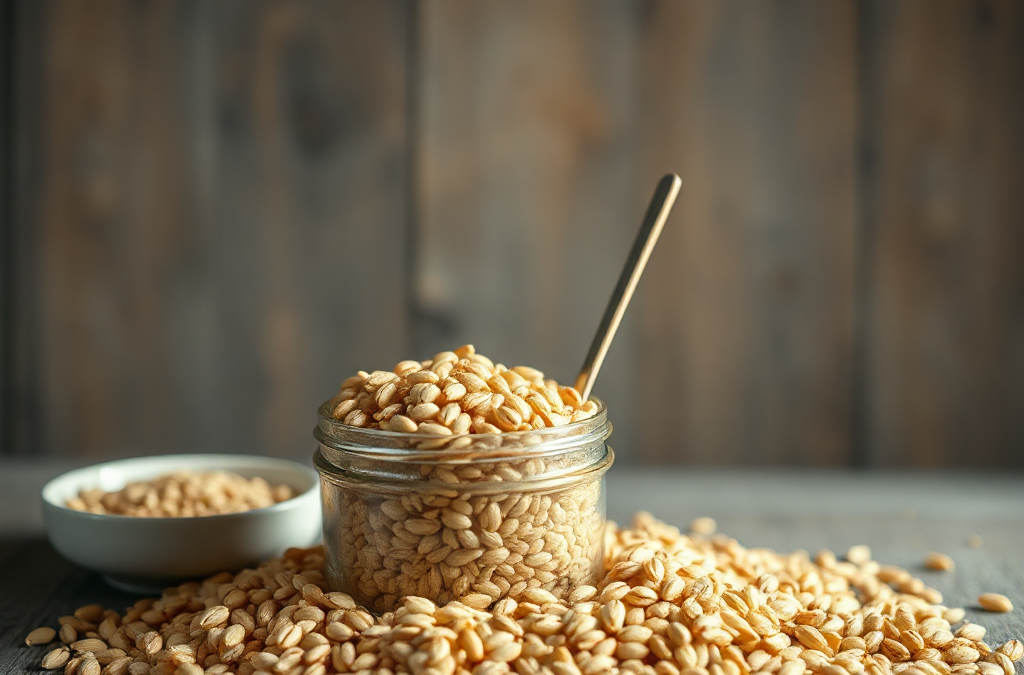
The nutritional value of organic whole grains is significant, as they provide essential nutrients such as fiber, B vitamins, and minerals like iron and magnesium. These grains support digestive health, help maintain stable blood sugar levels, and contribute to heart health. Including organic whole grains in your diet can enhance overall nutritional intake and may reduce the risk of chronic diseases. It's crucial to choose minimally processed options to maximize their health benefits.
Understanding Organic Whole Grains
Organic whole grains are grains that have not been refined, meaning they retain all parts of the grain kernel: the bran, germ, and endosperm. This retention is what makes whole grains nutritious, as refining often strips away essential nutrients and fiber. Common organic whole grains include brown rice, quinoa, oats, barley, and whole wheat. Understanding the difference between whole grains and refined grains is crucial since refined grains lack the fiber and nutrients found in their whole counterparts.
In recent years, organic farming practices have gained popularity due to their environmental benefits and the reduced use of synthetic pesticides and fertilizers. By choosing organic whole grains, consumers not only opt for more nutritious options but also support sustainable agricultural practices. It’s essential to be aware of labeling, as terms like ‘multigrain’ or ‘whole grain’ can sometimes be misleading. Always check for the ‘100% whole grain’ label to ensure you’re getting the full nutritional benefits.

Understanding Organic Whole Grains matters because it turns the nutritional value of organic whole grains from a broad idea into a decision the reader can actually apply. The practical difference usually shows up in the details: how much is needed, when the choice is made, what tradeoff is acceptable, and what sign shows the approach is working. For nutrition topics, the strongest advice connects portion size, food quality, timing, and recovery instead of treating every meal as a fixed serving.
A useful way to handle this section is to compare the normal baseline with the situation that creates extra demand. If whole is the baseline concern, then grains becomes the adjustment point and organic becomes the outcome to watch. That keeps the advice specific without forcing the reader into a rigid formula that may not fit their routine, budget, tolerance, schedule, or current level of experience.
The most common mistake is changing too many variables at once. A better approach is to choose one measurable adjustment, use it consistently long enough to see a pattern, and then refine the next step based on energy, comfort, performance, safety, or reliability. This makes the guidance easier to trust because the reader can connect the recommendation to what they observe rather than guessing from a generic checklist.
The practical takeaway is to make the section actionable: identify the main constraint, choose the smallest useful change, and compare the result against the goal. When the outcome improves, the reader can keep the approach. When it does not, the next change should target the most likely bottleneck rather than repeating the same step with more effort.
Key Nutrients Found in Organic Whole Grains
Organic whole grains are packed with nutrients that are vital for health. One of the most notable components is dietary fiber, which aids in digestion and helps to maintain a healthy weight by promoting a feeling of fullness. Whole grains typically contain higher amounts of fiber compared to refined grains, which can help regulate cholesterol levels and improve heart health.
In addition to fiber, whole grains are rich in B vitamins, which play a crucial role in energy metabolism and the functioning of the nervous system. For instance, thiamine (vitamin B1) and niacin (vitamin B3) are essential for converting food into energy. Whole grains also provide minerals such as iron, magnesium, and selenium, which are important for various bodily functions, including oxygen transport, muscle function, and antioxidant protection.
Another key nutrient found in organic whole grains is phytochemicals, which are compounds that may have protective effects against chronic diseases. These include antioxidants that combat oxidative stress in the body. Incorporating a variety of organic whole grains can ensure a diverse intake of these beneficial nutrients.
Key Nutrients Found in Organic Whole Grains matters because it turns the nutritional value of organic whole grains from a broad idea into a decision the reader can actually apply. The practical difference usually shows up in the details: how much is needed, when the choice is made, what tradeoff is acceptable, and what sign shows the approach is working. For nutrition topics, the strongest advice connects portion size, food quality, timing, and recovery instead of treating every meal as a fixed serving.
A useful way to handle this section is to compare the normal baseline with the situation that creates extra demand. If grains is the baseline concern, then whole becomes the adjustment point and organic becomes the outcome to watch. That keeps the advice specific without forcing the reader into a rigid formula that may not fit their routine, budget, tolerance, schedule, or current level of experience.
Health Benefits of Incorporating Whole Grains
Including organic whole grains in your diet can lead to numerous health benefits. Research has shown that individuals who consume more whole grains tend to have a lower risk of heart disease, type 2 diabetes, and certain cancers. This is largely attributed to the fiber content, which helps improve cholesterol levels and regulate blood sugar.
Moreover, whole grains have been linked to better digestive health. The fiber they contain promotes regular bowel movements and a healthy gut microbiome. A healthy gut is essential for nutrient absorption and overall well-being.
Weight management is another area where whole grains can play a significant role. Because they are high in fiber, they help control appetite and reduce overall calorie intake. Studies have indicated that people who include whole grains in their diets are more successful in maintaining a healthy weight compared to those who primarily consume refined grains.
Lastly, the anti-inflammatory properties of whole grains can contribute to overall health. Chronic inflammation is associated with many diseases, and a diet rich in whole grains can help mitigate this risk. Their nutrient density means that they provide essential vitamins and minerals while being lower in calories, making them an excellent choice for a healthy diet.
Health Benefits of Incorporating Whole Grains matters because it turns the nutritional value of organic whole grains from a broad idea into a decision the reader can actually apply. The practical difference usually shows up in the details: how much is needed, when the choice is made, what tradeoff is acceptable, and what sign shows the approach is working. For nutrition topics, the strongest advice connects portion size, food quality, timing, and recovery instead of treating every meal as a fixed serving.
A useful way to handle this section is to compare the normal baseline with the situation that creates extra demand. If grains is the baseline concern, then whole becomes the adjustment point and healthy becomes the outcome to watch. That keeps the advice specific without forcing the reader into a rigid formula that may not fit their routine, budget, tolerance, schedule, or current level of experience.
Choosing and Cooking Organic Whole Grains
When selecting organic whole grains, opt for products that are labeled as ‘100% whole grain’ to ensure you are receiving the maximum nutritional benefits. Cooking methods can also impact the healthfulness of whole grains; for example, steaming or boiling grains retains more nutrients compared to frying.
Incorporating whole grains into your meals can be simple. They can be used as a base for salads, added to soups, or served as side dishes. Quinoa and brown rice are versatile options that can easily be paired with vegetables and lean proteins. Alternatively, oats can be enjoyed as a breakfast option, providing a hearty and nutritious start to the day.
One common mistake when cooking whole grains is not allowing enough time for them to cook thoroughly. Many whole grains require longer cooking times than refined grains, so it’s essential to follow package instructions and possibly soak grains like barley or farro beforehand to improve texture and reduce cooking time. Being mindful of portion sizes is also important, as whole grains are calorie-dense.
For those interested in exploring the nutritional benefits of organic whole grains further, consider checking reputable sources such as the USDA and academic journals focusing on nutrition and health. These resources provide in-depth studies and findings related to whole grains and their impact on health.
Choosing and Cooking Organic Whole Grains matters because it turns the nutritional value of organic whole grains from a broad idea into a decision the reader can actually apply. The practical difference usually shows up in the details: how much is needed, when the choice is made, what tradeoff is acceptable, and what sign shows the approach is working. For nutrition topics, the strongest advice connects portion size, food quality, timing, and recovery instead of treating every meal as a fixed serving.
A useful way to handle this section is to compare the normal baseline with the situation that creates extra demand. If grains is the baseline concern, then whole becomes the adjustment point and organic becomes the outcome to watch. That keeps the advice specific without forcing the reader into a rigid formula that may not fit their routine, budget, tolerance, schedule, or current level of experience.
Huge Discount on the Best Certified Organic Nutrient Dense Supplement!



