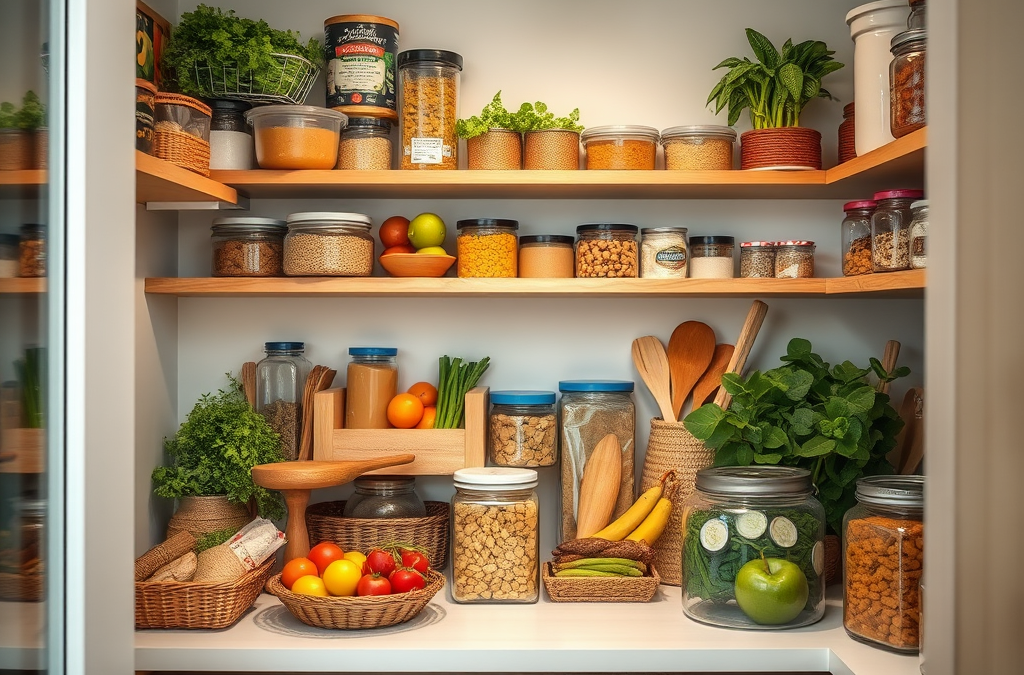
Organizing your pantry for organic ingredients involves categorizing items, using clear containers, and implementing a rotation system. Begin by grouping similar products together, such as grains, legumes, and spices, to enhance accessibility. Labeling containers helps you quickly identify contents, while a first-in, first-out rotation prevents spoilage and waste. These strategies not only optimize space but also ensure that your organic ingredients remain fresh and easy to use.
Importance of Organizing Your Pantry
Organizing your pantry for organic ingredients is essential for maximizing freshness and accessibility. A well-structured pantry not only makes cooking easier but also helps prevent food waste. When ingredients are stored correctly, they last longer and retain their nutritional value. Additionally, an organized space can inspire you to cook more, as you’ll have a clear view of all your options. Understanding the significance of pantry organization is the first step toward a healthier kitchen.
One common misconception about pantry organization is that it requires extensive time and effort. In reality, even small adjustments can lead to significant improvements. For example, dedicating just a few minutes each week to rearranging and checking expiration dates can maintain order and freshness. By prioritizing organization, you create a cooking environment that supports your health goals and encourages sustainable practices.

Importance of Organizing Your Pantry matters because it turns organize your pantry for organic ingredients from a broad idea into a decision the reader can actually apply. The practical difference usually shows up in the details: how much is needed, when the choice is made, what tradeoff is acceptable, and what sign shows the approach is working. For nutrition topics, the strongest advice connects portion size, food quality, timing, and recovery instead of treating every meal as a fixed serving.
A useful way to handle this section is to compare the normal baseline with the situation that creates extra demand. If pantry is the baseline concern, then ingredients becomes the adjustment point and organic becomes the outcome to watch. That keeps the advice specific without forcing the reader into a rigid formula that may not fit their routine, budget, tolerance, schedule, or current level of experience.
The most common mistake is changing too many variables at once. A better approach is to choose one measurable adjustment, use it consistently long enough to see a pattern, and then refine the next step based on energy, comfort, performance, safety, or reliability. This makes the guidance easier to trust because the reader can connect the recommendation to what they observe rather than guessing from a generic checklist.
The practical takeaway is to make the section actionable: identify the main constraint, choose the smallest useful change, and compare the result against the goal. When the outcome improves, the reader can keep the approach. When it does not, the next change should target the most likely bottleneck rather than repeating the same step with more effort.
Effective Storage Solutions for Organic Ingredients
Choosing the right storage solutions is crucial for preserving the quality of organic ingredients. Consider using airtight containers made from glass or BPA-free plastic, which help protect against moisture and pests. Glass containers, in particular, are ideal as they do not leach chemicals, ensuring that your food remains uncontaminated. When selecting containers, opt for various sizes to accommodate different types of ingredients, from bulk grains to smaller spices.
Another effective method is to utilize clear containers that allow you to see the contents at a glance. This visibility not only saves time when searching for ingredients but also helps you monitor stock levels, reducing the chances of overbuying or running out of essential items. Additionally, consider incorporating stackable bins to maximize vertical space, especially in smaller pantries.
Effective Storage Solutions for Organic Ingredients matters because it turns organize your pantry for organic ingredients from a broad idea into a decision the reader can actually apply. The practical difference usually shows up in the details: how much is needed, when the choice is made, what tradeoff is acceptable, and what sign shows the approach is working. For nutrition topics, the strongest advice connects portion size, food quality, timing, and recovery instead of treating every meal as a fixed serving.
A useful way to handle this section is to compare the normal baseline with the situation that creates extra demand. If ingredients is the baseline concern, then organic becomes the adjustment point and containers becomes the outcome to watch. That keeps the advice specific without forcing the reader into a rigid formula that may not fit their routine, budget, tolerance, schedule, or current level of experience.
The most common mistake is changing too many variables at once. A better approach is to choose one measurable adjustment, use it consistently long enough to see a pattern, and then refine the next step based on energy, comfort, performance, safety, or reliability. This makes the guidance easier to trust because the reader can connect the recommendation to what they observe rather than guessing from a generic checklist.
The practical takeaway is to make the section actionable: identify the main constraint, choose the smallest useful change, and compare the result against the goal. When the outcome improves, the reader can keep the approach. When it does not, the next change should target the most likely bottleneck rather than repeating the same step with more effort.
Best Practices for Labeling and Categorizing
Labeling is a vital aspect of pantry organization for organic ingredients. Clearly labeled containers help you quickly identify what you have on hand, streamlining meal preparation. Use a labeling system that includes the name of the ingredient and the expiration date. This practice not only aids in quick identification but also encourages timely usage, reducing waste.
When categorizing your pantry, group similar items together. For instance, place all grains in one section, legumes in another, and spices in a designated area. This method not only enhances organization but also simplifies meal planning. You can further categorize by usage frequency, keeping the most commonly used items at eye level for easy access.
Best Practices for Labeling and Categorizing matters because it turns organize your pantry for organic ingredients from a broad idea into a decision the reader can actually apply. The practical difference usually shows up in the details: how much is needed, when the choice is made, what tradeoff is acceptable, and what sign shows the approach is working. For nutrition topics, the strongest advice connects portion size, food quality, timing, and recovery instead of treating every meal as a fixed serving.
A useful way to handle this section is to compare the normal baseline with the situation that creates extra demand. If pantry is the baseline concern, then organic becomes the adjustment point and ingredients becomes the outcome to watch. That keeps the advice specific without forcing the reader into a rigid formula that may not fit their routine, budget, tolerance, schedule, or current level of experience.
Maintaining an Organized Pantry
Maintaining your organized pantry requires regular attention and a few simple habits. Schedule periodic reviews to check for expired items and replenish stock as needed. Keeping a running list of what you have can also help you avoid over-purchasing. Consider implementing a first-in, first-out (FIFO) system for perishable items, ensuring that older products are used before newer ones.
Another practical tip is to clean and reorganize your pantry seasonally. This practice helps you reassess your storage solutions and adapt to changing needs, such as new dietary preferences or ingredient availability. By staying proactive about organization, you ensure that your pantry remains a functional and inspiring space for cooking.
Maintaining an Organized Pantry matters because it turns organize your pantry for organic ingredients from a broad idea into a decision the reader can actually apply. The practical difference usually shows up in the details: how much is needed, when the choice is made, what tradeoff is acceptable, and what sign shows the approach is working. For nutrition topics, the strongest advice connects portion size, food quality, timing, and recovery instead of treating every meal as a fixed serving.
A useful way to handle this section is to compare the normal baseline with the situation that creates extra demand. If pantry is the baseline concern, then organize becomes the adjustment point and organic becomes the outcome to watch. That keeps the advice specific without forcing the reader into a rigid formula that may not fit their routine, budget, tolerance, schedule, or current level of experience.
The most common mistake is changing too many variables at once. A better approach is to choose one measurable adjustment, use it consistently long enough to see a pattern, and then refine the next step based on energy, comfort, performance, safety, or reliability. This makes the guidance easier to trust because the reader can connect the recommendation to what they observe rather than guessing from a generic checklist.
Further Reading
Huge Discount on the Best Certified Organic Nutrient Dense Supplement!

Related Content
- Best Fresh Organic Berries Near Me in Southern Pines, North Carolina 28388
- Top 10 Effective organic energy snacks to boost your 2025 performance
- Best Organic Protein Powder in Dandridge Tennessee
- Best Organic Superfood in Red Hill South Carolina
- Best Organic supplements near me in Boston, Massachusetts 02114
Further Reading
Authoritative Sources
- NIH Office of Dietary Supplements
ods.od.nih.govEvidence-based information on vitamins, minerals, supplements, and nutrition-related questions.
- USDA FoodData Central
fdc.nal.usda.govUSDA nutrient data for foods and ingredients used in nutrition decisions.
- Harvard T.H. Chan School of Public Health Nutrition Source
hsph.harvard.eduPublic health nutrition guidance and educational resources.