
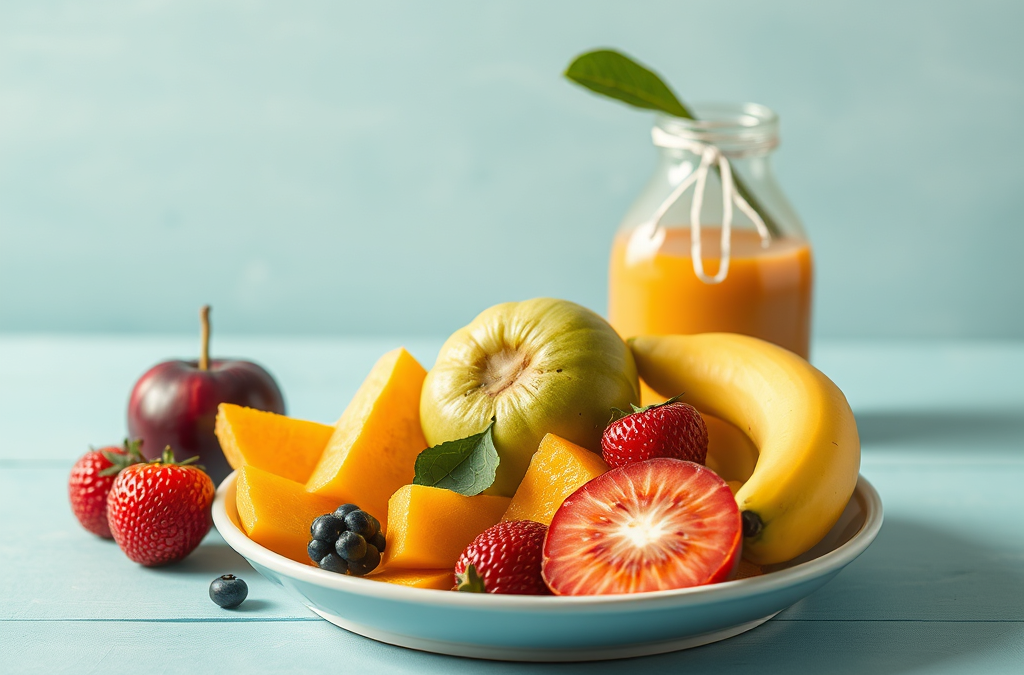
Integrate organic fruits into children’s diets by offering washed, age-appropriate pieces in familiar meals and rotating fresh, frozen, and unsweetened options across the week. Pair fruit with protein or fat, such as yogurt, cheese, nut butter, or beans, to make snacks more filling, while changing textures gradually for younger children. Organic status does not replace safe handling, balanced meals, or choking precautions, and conventional fruit can still be a nutritious choice when budget or availability limits purchasing. Involve children in selecting and preparing fruit, avoid pressure to finish it, and watch for signs that portions, texture, or acidity are affecting appetite or comfort.
Build a Fruit Routine Children Can Accept
Children usually eat more fruit when it appears predictably in ordinary meals rather than as a special reward or a last-minute substitute. A small serving at breakfast, a piece in a lunchbox, or fruit alongside an afternoon snack gives children repeated, low-pressure opportunities to become familiar with its flavor and texture. The goal is not to make every meal organic or to persuade a reluctant child to eat a large portion. It is to make fruit visible, accessible, and easy to choose.
Begin with fruits your child already tolerates. A child who accepts applesauce may be more willing to try thin apple slices; a child who likes bananas may accept banana mixed into oatmeal or plain yogurt. This gradual change works because the new food retains a familiar taste while introducing a different texture. Jumping straight from purée to a mixed berry bowl can create unnecessary resistance, particularly for toddlers who are sensitive to skins, seeds, or inconsistent textures.

Offer two reasonable choices instead of asking whether the child wants fruit at all. “Would you like pear or strawberries?” preserves the meal structure while giving the child some control. Keep the serving modest, since an oversized portion can look daunting and create waste. Children can ask for more after tasting it.
Organic purchasing can fit this routine without becoming a source of pressure. If organic berries are unavailable, frozen conventional berries may be a practical alternative; if apples are affordable organically but peaches are not, buy each according to household priorities. The nutritional value of fruit comes from the fruit itself, not from turning an organic label into a requirement for eating it. A useful related resource is how to integrate organic fruits into children’s diets when planning age-specific choices.
Choose Forms, Portions, and Pairings That Work
The form of fruit affects convenience, satiety, mess, and safety. Whole or cut fruit generally offers more chewing and fiber than juice, while frozen fruit can be just as useful in smoothies, oatmeal, or yogurt. Dried fruit is portable, but its concentrated sweetness and sticky texture make portion awareness and dental hygiene more relevant. Fruit cups packed in water can help when fresh produce spoils before it is eaten, although checking the ingredient list helps avoid added sugar.
Pairing fruit with another food is useful when a snack must last until dinner. Apple slices with cheese, banana with unsweetened yogurt, or berries stirred into oatmeal combines carbohydrate from fruit with protein or fat from the companion food. That does not make the fruit “bad” when eaten alone; it simply makes the snack more substantial for a child who becomes hungry quickly. A fruit-only snack may be perfectly suitable before a meal, while a balanced pairing may be more practical after school.
Texture should match developmental ability. Young children may need soft fruit cut into thin, manageable pieces, with tough skins, large round pieces, pits, and hard chunks removed. Grapes and similar round foods require particular care and should not be offered whole to children who are not ready for that shape. Parents should follow age-appropriate choking guidance from pediatric health professionals and remain present while children eat.
A smoothie can introduce fruit, but it should not displace every opportunity to chew. Blending several servings into a sweet drink may also make it easy to consume more quickly than intended. Use a small amount of fruit with milk or yogurt, oats, or another meal component rather than treating smoothies as unlimited beverages. If a child rejects fresh fruit but accepts it baked into oatmeal, use that as a bridge, then occasionally serve a small visible piece separately.
- Breakfast: sliced banana over oatmeal or berries with plain yogurt.
- Lunch: soft pear pieces, melon, or an unsweetened fruit cup beside the main meal.
- Snack: apple with cheese, clementine segments with yogurt, or frozen fruit thawed until soft.
Make Organic Fruit Practical on a Family Budget
Organic fruit is easier to sustain when families treat it as a purchasing decision rather than a test of parental commitment. Prices, local supply, storage space, and the child’s actual eating habits all matter. Buying a large container of delicate organic berries is not economical if half becomes moldy, while frozen fruit may offer better value for oatmeal and smoothies. A smaller amount of a favored fruit can be more useful than a broad selection that remains untouched.
Use a simple priority system: buy organic when it fits the budget and the family prefers it, choose frozen or canned forms when they reduce waste, and use conventional fruit when that is the available way to keep fruit in the household. Washing produce under running water remains relevant either way. Soap, detergent, and commercial produce washes are not appropriate substitutes for ordinary produce handling, and washing does not make spoiled or damaged fruit safe.
Seasonality can improve both flavor and cost. A child who dislikes pale winter strawberries may respond better to ripe summer peaches or locally available apples. Frozen fruit can fill seasonal gaps without requiring a family to purchase expensive out-of-season produce. Compare unit prices, not just package prices, and check whether the package contains only fruit or added sweeteners.
Storage choices also determine whether the plan succeeds. Keep ready-to-eat pieces in a clean, visible container, but prepare only what can be eaten promptly. Whole fruit often lasts longer than cut fruit. Soft berries should be inspected before serving, and cut produce should be refrigerated according to standard food-safety practices. When a child repeatedly leaves a particular fruit, stop buying it in bulk; preference may change later, but waste should not be treated as evidence that the child needs more pressure.
Families can also reserve organic spending for fruits they serve frequently, while choosing less expensive options for cooking. Organic bananas for breakfast and conventional frozen blueberries for muffins may be a more realistic pattern than insisting every item meet the same purchasing standard. The practical measure is whether the household can offer varied fruit consistently without straining food finances.
Handle Safety, Selectivity, and Common Mistakes
Safe preparation comes before organic labeling. Rinse fruit before cutting, use clean hands and utensils, refrigerate perishable cut pieces, and remove pits and damaged areas. Children with known food allergies should follow their clinician’s advice, especially when introducing foods that may be mixed with dairy, nuts, or other common allergens. Organic fruit is not automatically safer for a particular allergy, intolerance, or digestive condition.
Selective eating is common, but pressure often makes the table more stressful. A child may need repeated exposure before accepting a fruit, and refusal on one day does not establish a permanent dislike. Serve a tiny amount beside a familiar food, let the child touch or smell it without requiring a bite, and continue offering variety at a reasonable pace. Praise curiosity rather than consumption. If eating becomes extremely restricted, growth is a concern, or gagging and distress are persistent, ask a pediatrician or registered dietitian for individualized support.
Several assumptions can undermine otherwise sensible efforts. Organic fruit is not automatically lower in sugar, and fruit juice is not equivalent to whole fruit. A label also does not compensate for poor hygiene, excessive portions, or a diet lacking vegetables, grains, protein foods, and dairy or fortified alternatives. Conversely, rejecting conventional produce entirely can make fruit too expensive or scarce to serve regularly. Nutrition decisions should account for the whole eating pattern.
Watch for practical signs that the routine needs adjustment. Frequent untouched servings may indicate that the pieces are too large, the timing conflicts with meals, or the fruit is overripe. A child who becomes full before lunch may be receiving too much fruit or too many liquid calories. A child who eats fruit comfortably but develops mouth irritation after acidic foods may need a pause and medical advice if symptoms persist. Change one variable at a time so the cause is easier to identify.
A compact weekly check can keep the plan realistic:
- Offer two or three familiar fruits and one low-pressure new option.
- Include fresh, frozen, or canned fruit based on cost and waste.
- Adjust shape and texture for the child’s developmental stage.
- Pair fruit with a filling food when the snack must carry the child for several hours.
- Review what was actually eaten before buying larger quantities.
For more planning ideas, use how to integrate organic fruits into children’s diets as a household routine, not a rigid menu. Another useful internal reference is organic fruit meal planning for children, particularly when seasonal availability changes.
Frequently Asked Questions
Does organic fruit have to replace conventional fruit?
No. Organic fruit can be part of a family’s preferences, but conventional fresh, frozen, or canned fruit can also contribute nutrients when it is more affordable or available.
What is the easiest organic fruit to add to breakfast?
Bananas, berries, apples, and pears are versatile choices for oatmeal, yogurt, cereal, or toast with nut butter, depending on the child’s age and allergy needs.
Are fruit snacks a substitute for whole fruit?
Usually not. Many fruit snacks are processed products with added sugars and less fiber than whole fruit, so they should not be treated as equivalent.
How can parents respond when a child refuses fruit?
Serve a small amount beside a familiar food without pressure, vary the texture or preparation, and offer it again later. Persistent extreme restriction warrants professional advice.
Is organic juice a good way to increase fruit intake?
Juice can contain fruit sugars but lacks the structure and much of the fiber found in whole fruit. Whole or cut fruit is generally the more useful everyday option.
Conclusion
A workable fruit routine depends less on buying every item organically than on making fruit safe, familiar, affordable, and easy to serve. Choose forms your child can manage, introduce texture changes gradually, and use pairings such as yogurt, cheese, or oatmeal when a snack needs greater staying power. Fresh fruit is useful, but frozen and no-sugar-added canned options can prevent waste and keep variety available through the year. Avoid using organic status as a reason to pressure children or exclude nutritious conventional choices. Track what your family actually eats, adjust portions and preparation, and seek pediatric or dietetic guidance when allergies, choking concerns, digestive symptoms, or severe food restriction complicate the plan.
Huge Discount on the Best Certified Organic Nutrient Dense Supplement!

Further Reading
Authoritative Sources
- Five ways to add fruits and vegetables into your child's diet
salemhealth.org1. Keep healthy options readily available. · 2. Add a fruit or vegetable option to every meal and snack. · 3. Lead by example. · 4. Progress over perfection. · 5.
- Good Nutrition Starts Early
cdc.govTo help children grow strong, include vegetables and fruits with their meals and snacks. Fresh, frozen, or canned options are all OK. With ...
- Expert Advice on Healthy Eating and Snacking for Kids
childrenscolorado.orgWhat does it really mean to eat healthy? Learn about reading labels, child nutrition, what makes a healthy meal or snack, and more.
- How do you teach your kids to eat healthy?
mankatoclinic.comPlan Meals Together: Engage your children in planning weekly meals. Let them choose from a list of options and encourage them to pick new fruits ...