
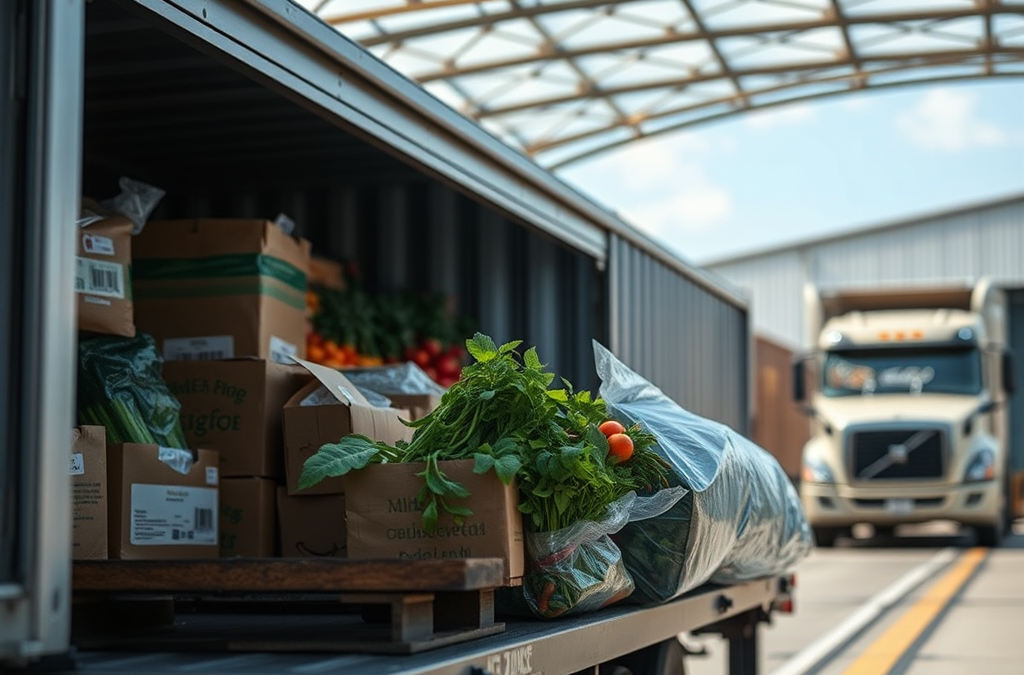
The environmental impact of transporting organic foods depends on transport distance, shipment size, refrigeration, packaging, and whether air freight is involved, not on the organic label alone. Organic production may reduce some farm-related impacts, but trucking, air cargo, cold storage, and inefficient last-mile delivery can add substantial emissions. Buying seasonal organic foods grown nearer to the point of sale, choosing consolidated shipments, and favoring durable products can reduce transport-related pressure. Shoppers should avoid assuming that local always means lower impact or that organic always has a smaller total footprint; production methods and logistics need to be assessed together.
Where Transport Fits in an Organic Food’s Footprint
Transport is one part of a food product’s environmental footprint, alongside farming, processing, storage, packaging, retail, cooking, and disposal. Its importance changes sharply by product. A crate of sturdy root vegetables moved in a full truckload is a different case from a small shipment of delicate berries flown into a distant market and kept chilled throughout the journey.
Organic certification describes production requirements, such as restrictions on specified synthetic inputs, but it does not automatically describe the distance a product travels or the vehicle carrying it. An organic apple may come from a nearby orchard or from another continent. The label answers a production question; it does not provide a complete transport assessment.

Supply-chain emissions arise from fuel burned by farm vehicles, collection trucks, long-haul freight, delivery vans, and sometimes aircraft. Warehouses and retail facilities add electricity demand, especially when produce requires controlled temperatures. Packaging can also be tied to transport because containers protect fragile goods, permit stacking, or slow moisture loss.
A common mistake is treating “organic” and “local” as interchangeable environmental claims. They are separate attributes. A local product may be grown with energy-intensive practices or delivered through several inefficient stops, while a distant product may move by efficient, consolidated ocean freight. Readers comparing options should check origin, season, transport mode when available, refrigeration needs, and the likelihood of waste rather than relying on a single label. For more context on the broader subject, see the environmental impact of transporting organic foods.
Distance, Freight Mode, and Refrigeration
Transport distance matters, but freight mode often matters just as much or more. Ocean vessels and well-filled rail systems can move large quantities efficiently over long distances, whereas air freight generally carries a much higher emissions burden per unit of food because speed and aircraft energy use are costly. Road transport sits between those extremes and varies with vehicle efficiency, load size, route, and traffic.
Consider two shipments of organic green beans. A nearby farm may send a partial load in a small refrigerated van to several stores, while a distant supplier may send a full container by ship and use coordinated trucking at each end. The nearby option travels fewer miles, yet the distant consolidated shipment could have lower transport emissions per kilogram. That comparison is not guaranteed, but it shows why mileage alone is a weak shortcut.
Refrigeration adds another layer. Leafy greens, berries, dairy products, and some prepared foods need temperature control to preserve quality and safety. Cooling may begin soon after harvest, continue in storage, and remain necessary during delivery. Energy use rises when doors open frequently, equipment operates in hot conditions, or products move through several storage points.
When shopping, look for origin information and seasonal availability. Air-freighted fresh produce is more likely to deserve scrutiny than shelf-stable organic grains transported by efficient sea or rail networks. Frozen foods may require ongoing freezer energy, but freezing can also prevent spoilage and make seasonal products available without repeated urgent shipments. The sensible comparison is the full chain, not simply “nearby versus imported.”
Packaging, Consolidation, and Food Waste
Packaging influences transport impacts through weight, volume, protection, and product life. A lightweight container may reduce handling damage and keep food usable, while excessive individual wrapping can increase material use and disposal. Organic products are not inherently more or less heavily packaged; packaging decisions depend on retailer standards, food type, export requirements, and the need to prevent contamination or moisture loss.
Consolidation usually improves freight efficiency. When one truck carries a full, carefully planned load, fuel use is spread across more products. By contrast, fragmented deliveries, rush orders, and partially empty vehicles use energy without moving as much food. Online grocery delivery creates a similar tradeoff: a well-routed vehicle serving many households may replace numerous car trips, but a lightly loaded route with failed deliveries can erase that advantage.
Food waste is a crucial counterweight. Transporting food that is discarded means the energy used for cultivation, cooling, packaging, and delivery produced no dietary value. A package that protects delicate organic peaches may have a larger material footprint than loose fruit, yet it could be preferable if it prevents bruising and spoilage. The right question is whether the packaging avoids more waste than it creates.
Shoppers can apply a short practical check before buying:
- Prefer an amount the household can use before quality declines.
- Compare loose and packaged options according to likely damage and waste.
- Favor normal delivery windows over expedited shipping when freshness allows.
- Store chilled products promptly and use vulnerable items first.
The failure mode to avoid is choosing minimal packaging in every situation. If unprotected food is repeatedly thrown away, the apparent packaging saving may be outweighed by wasted production and transport. A durable product with modest packaging can be a better choice than a fragile product that requires urgent replacement shipments.
Practical Choices for Lower-Impact Purchasing
The most useful purchasing strategy combines organic production with logistics that avoid unnecessary urgency, distance, and waste. Start by choosing seasonal foods that are available through ordinary ground or sea freight rather than demanding highly perishable items outside their growing season. Seasonal availability does not eliminate transport emissions, but it can reduce reliance on long, refrigerated, or expedited routes.
Build meals around foods with different storage characteristics. Organic oats, beans, lentils, rice, canned tomatoes, and dried fruit can often be transported and stored without refrigeration. Pairing those staples with nearby fresh vegetables allows a household to maintain variety without making every purchase a time-sensitive cold-chain shipment. This approach is different from avoiding all imported food, which may be unrealistic and can ignore efficient bulk transport.
Farmers’ markets and community-supported agriculture may shorten the supply chain, but ask how the food reaches the site. A producer traveling a long distance with a small vehicle may not have the same profile as a regional distributor making one consolidated delivery. Direct purchasing can still offer benefits such as fewer intermediaries and clearer origin information, but it should not be treated as proof of a lower footprint.
Use this priority order when information is limited:
- Reduce avoidable food waste by buying quantities that fit actual use.
- Choose seasonal and durable products when comparable options are available.
- Avoid air-freighted or rushed deliveries when ground or ocean transport is practical.
- Select consolidated delivery or pickup rather than separate small trips.
- Keep organic certification as one factor alongside transport and production details.
Signs that a plan is working include fewer spoiled items, fewer emergency grocery trips, and more purchases made during normal seasonal supply. If a low-packaging or local strategy produces frequent waste, repeated car journeys, or rushed replacement orders, adjust the system rather than defending the label or shopping format.
Tradeoffs That Make Simple Comparisons Misleading
Transport should be evaluated with the product’s complete environmental context. Organic farming may use practices that affect soil, biodiversity, fertilizer demand, and farm inputs, while transport adds fuel, refrigeration, and infrastructure burdens. Comparing only shipping distance can hide meaningful differences in cultivation and yield. Comparing only farming method can hide the consequences of air freight or excessive waste.
“Local” is also an imperfect environmental category. A small local operation may rely on a heated greenhouse, make numerous short delivery trips, or sell through a low-volume route. Conversely, a regional or international supplier may use efficient equipment, high load factors, and established distribution centers. Neither pattern should be assumed without examining the circumstances.
Food choice matters as well. Transporting a dense, shelf-stable staple is not the same as transporting a delicate product that requires rapid cooling. A shopper deciding between organic fresh asparagus flown out of season and organic dried beans shipped in bulk is comparing different storage, freight, and meal uses. The answer may also depend on whether the fresh product replaces another purchase or spoils unused.
Reliable comparisons are difficult because retailers may not disclose freight mode, load efficiency, warehouse energy, or exact route. Avoid precise claims based on a package’s origin alone. Instead, use transparent signals: seasonal timing, visible air-freight language, delivery speed, packaging proportion, product durability, and household waste. This balanced approach connects transport decisions with the wider topic of the environmental impact of transporting organic foods without pretending that one shopping rule works for every product.
Readers who want to refine their choices can record purchases for several weeks: origin, product type, packaging, storage requirement, and whether the item was eaten. That simple record reveals which foods create avoidable waste or require repeated urgent trips. It is more useful than attempting to rank every item by distance alone.
Frequently Asked Questions
Does buying organic automatically reduce transportation emissions?
No. Organic certification focuses on production standards, while transport emissions depend on distance, freight mode, refrigeration, shipment size, and delivery efficiency.
Is local organic food always better for the climate?
No. Local food may involve inefficient small deliveries or energy-intensive production. A consolidated distant shipment can sometimes use less transport energy per unit, depending on its route and freight mode.
Which transport method usually creates the greatest concern?
Air freight generally deserves the closest scrutiny because aircraft move relatively small loads at high energy cost. Ground, rail, and ocean transport vary widely but are often more efficient for bulk movement.
Can packaging lower the environmental impact of transported food?
Sometimes. Packaging can add material and weight, but it may protect fragile food and prevent spoilage. The better option depends on whether the package prevents more waste than its production and disposal create.
What is the simplest shopping change to make?
Buy seasonal quantities your household will use, favor normal consolidated delivery, and be cautious with highly perishable products that have traveled by air or require extended refrigeration.
Conclusion
Transporting organic foods has no single environmental result because the outcome reflects the entire supply chain. Freight mode, refrigeration, load efficiency, packaging, seasonality, and food waste often matter more than the organic label or a simple mileage figure. Prioritize foods that fit the season, arrive through consolidated ground or sea routes, and can be eaten before they deteriorate. Treat local purchasing as useful information rather than a guarantee, and treat organic certification as one part of a broader assessment. Tracking what your household actually wastes can reveal the most effective change: buying fewer fragile items, choosing durable staples, combining deliveries, or using fresh foods more promptly. That practical evidence is a stronger basis for decisions than a universal rule about imported or nearby products.
Huge Discount on the Best Certified Organic Nutrient Dense Supplement!

Related Content
- The Benefits Of Growing Your Own Organic Vegetables: Freshness, Soil Health, And Practical Savings
- Best Organic Probiotics in Nashville Tennessee
- Can Organic Eating Help Reduce Inflammation Naturally: Key Foods and Practices
- How Organic Nutrition Can Improve Your Health
- The Truth About Plant-Based Protein Sources
Further Reading
Authoritative Sources
- The Environmental Impact of Food Transportation: Eating ...
sustainableagriculture.ecoHigh food miles typically mean higher amounts of carbon dioxide emissions. By focusing on local and seasonal products, consumers can drastically ...
- Food-Miles and the Relative Climate Impacts of Food Choices ...
pubs.acs.orgTransportation as a whole represents only 11% of life-cycle GHG emissions, and final delivery from producer to retail contributes only 4%.
- Environmental Impact of Food Choices – Why It Matters
naturessoulshop.comFood production generates over 25% of global greenhouse gas emissions and occupies approximately 50% of habitable land, leading to significant ...
- You want to reduce the carbon footprint of your food ...
ourworldindata.orgFood transport accounted for only 6% of emissions, whilst dairy, meat, and eggs accounted for 83%. Eating local only slightly reduces your ...


