
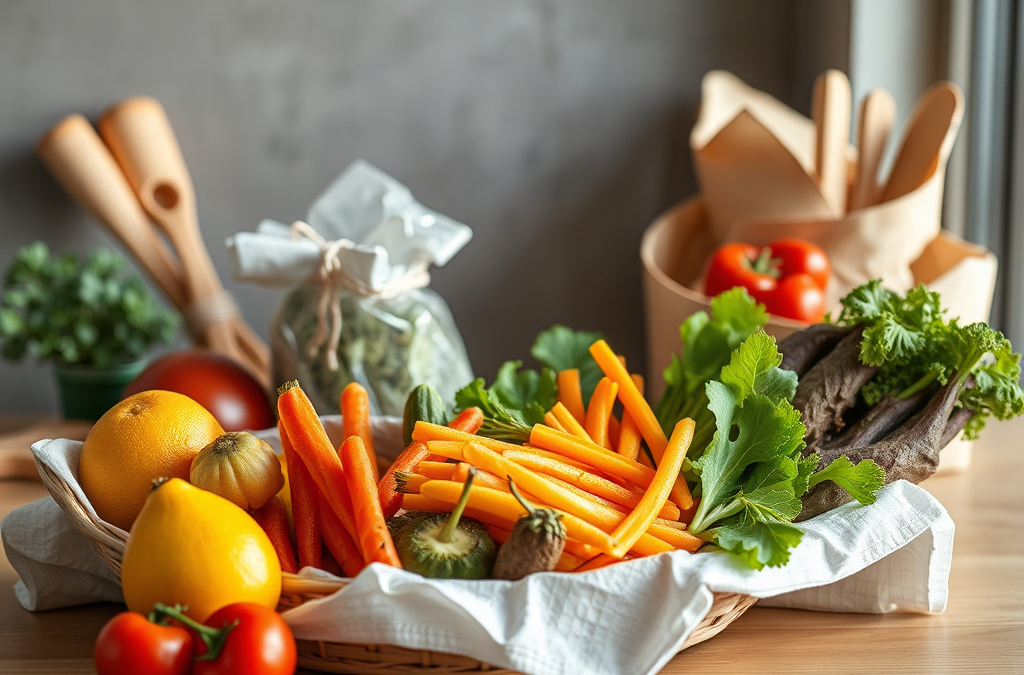
The impact of seasonal eating on nutrition is significant, as it enhances nutrient density, supports local economies, and promotes sustainability. Eating seasonally allows individuals to consume fresher produce, often richer in vitamins and minerals because they are harvested at their peak. Additionally, seasonal eating can reduce the carbon footprint associated with food transport, benefiting the environment. To maximize these advantages, one should focus on incorporating locally sourced, in-season fruits and vegetables into their diet, while being mindful of the nutritional differences between fresh and out-of-season produce.
Understanding Seasonal Eating
Seasonal eating refers to the practice of consuming foods that are harvested during their natural growing seasons. This approach not only aligns with environmental cycles but also supports local agriculture. Understanding the seasons in your region can help you make informed choices about what to eat throughout the year. For example, in summer, you might enjoy a bounty of tomatoes and berries, while fall brings squashes and apples. This practice encourages a deeper connection with food, as it highlights the natural rhythms of growth and harvest.
Many people overlook the advantages of seasonal eating, often opting for out-of-season produce that may be less flavorful and more expensive due to transportation costs. By focusing on seasonal foods, you can enhance your culinary experience and make meals that reflect the best of what nature has to offer. Additionally, seasonal eating can help you explore new recipes and cooking techniques as you adapt to the changing availability of ingredients.

Understanding Seasonal Eating matters because it turns the impact of seasonal eating on nutrition from a broad idea into a decision the reader can actually apply. The practical difference usually shows up in the details: how much is needed, when the choice is made, what tradeoff is acceptable, and what sign shows the approach is working. For nutrition topics, the strongest advice connects portion size, food quality, timing, and recovery instead of treating every meal as a fixed serving.
A useful way to handle this section is to compare the normal baseline with the situation that creates extra demand. If seasonal is the baseline concern, then eating becomes the adjustment point and impact becomes the outcome to watch. That keeps the advice specific without forcing the reader into a rigid formula that may not fit their routine, budget, tolerance, schedule, or current level of experience.
The most common mistake is changing too many variables at once. A better approach is to choose one measurable adjustment, use it consistently long enough to see a pattern, and then refine the next step based on energy, comfort, performance, safety, or reliability. This makes the guidance easier to trust because the reader can connect the recommendation to what they observe rather than guessing from a generic checklist.
The practical takeaway is to make the section actionable: identify the main constraint, choose the smallest useful change, and compare the result against the goal. When the outcome improves, the reader can keep the approach. When it does not, the next change should target the most likely bottleneck rather than repeating the same step with more effort.
Nutritional Benefits of Seasonal Foods
One of the primary benefits of seasonal eating is the nutritional superiority of in-season produce. Fruits and vegetables that are harvested at their peak ripeness often contain higher levels of essential vitamins, minerals, and antioxidants compared to those that are picked early and shipped long distances. For example, a vine-ripened tomato boasts more flavor and nutrients than one that has been harvested green and allowed to ripen during transport.
Incorporating seasonal foods into your diet can lead to improved overall health and well-being. Seasonal produce is typically fresher, which means it retains more of its nutritional value. For instance, leafy greens are best consumed in the spring and fall, when they are most nutrient-dense. Additionally, seasonal eating encourages variety, allowing you to consume a diverse array of nutrients throughout the year, which is essential for maintaining a balanced diet.
However, a common mistake is assuming that all seasonal foods are automatically healthier. It is essential to be mindful of cooking methods and accompanying ingredients, as these can significantly impact the overall nutritional profile of your meals. For instance, while fried seasonal vegetables may taste delicious, their health benefits can be diminished by unhealthy cooking practices.
Nutritional Benefits of Seasonal Foods matters because it turns the impact of seasonal eating on nutrition from a broad idea into a decision the reader can actually apply. The practical difference usually shows up in the details: how much is needed, when the choice is made, what tradeoff is acceptable, and what sign shows the approach is working. For nutrition topics, the strongest advice connects portion size, food quality, timing, and recovery instead of treating every meal as a fixed serving.
A useful way to handle this section is to compare the normal baseline with the situation that creates extra demand. If seasonal is the baseline concern, then eating becomes the adjustment point and benefits becomes the outcome to watch. That keeps the advice specific without forcing the reader into a rigid formula that may not fit their routine, budget, tolerance, schedule, or current level of experience.
Sustainability and Seasonal Eating
Seasonal eating plays a crucial role in promoting sustainability. By choosing to eat foods that are in season locally, you reduce the carbon footprint associated with transporting food over long distances. This not only helps lower greenhouse gas emissions but also supports local farmers and economies. Eating seasonally can create a more resilient food system that is less dependent on global supply chains.
Moreover, seasonal eating can help combat food waste. When you eat foods that are in season, you are more likely to consume them at their freshest and most flavorful state, reducing the likelihood of spoilage. Additionally, local farmers often have a surplus of seasonal produce, which can lead to lower prices and increased accessibility for consumers.
It’s important to recognize that while seasonal eating has clear benefits, it may not always be feasible for everyone. Factors such as location, climate, and personal dietary preferences can influence one’s ability to eat seasonally. For example, individuals living in urban areas may have limited access to local farmers’ markets. Therefore, it is essential to consider these constraints and find a balance that works for your lifestyle.
Sustainability and Seasonal Eating matters because it turns the impact of seasonal eating on nutrition from a broad idea into a decision the reader can actually apply. The practical difference usually shows up in the details: how much is needed, when the choice is made, what tradeoff is acceptable, and what sign shows the approach is working. For nutrition topics, the strongest advice connects portion size, food quality, timing, and recovery instead of treating every meal as a fixed serving.
A useful way to handle this section is to compare the normal baseline with the situation that creates extra demand. If seasonal is the baseline concern, then eating becomes the adjustment point and food becomes the outcome to watch. That keeps the advice specific without forcing the reader into a rigid formula that may not fit their routine, budget, tolerance, schedule, or current level of experience.
Practical Strategies for Seasonal Eating
To effectively incorporate seasonal eating into your lifestyle, start by researching what fruits and vegetables are in season in your area. Many resources, including local agricultural extensions and farmers’ markets, provide seasonal guides that can help you plan your meals. Shopping at farmers’ markets not only allows you to access fresh produce but also gives you the opportunity to connect with local farmers and learn about their growing practices.
Another strategy is to create a seasonal meal plan that highlights in-season ingredients. This approach encourages creativity in the kitchen, as you will likely be inspired to try new recipes that showcase the flavors and textures of seasonal produce. For example, in the spring, you might prepare a fresh asparagus and pea risotto, while in the summer, a vibrant tomato salad with basil could be a highlight.
Lastly, consider preserving seasonal foods to enjoy them year-round. Techniques such as canning, freezing, and drying can help you take advantage of seasonal abundance while minimizing waste. For instance, you can freeze summer berries or can homemade tomato sauce to enjoy during the winter months.
Practical Strategies for Seasonal Eating matters because it turns the impact of seasonal eating on nutrition from a broad idea into a decision the reader can actually apply. The practical difference usually shows up in the details: how much is needed, when the choice is made, what tradeoff is acceptable, and what sign shows the approach is working. For nutrition topics, the strongest advice connects portion size, food quality, timing, and recovery instead of treating every meal as a fixed serving.
A useful way to handle this section is to compare the normal baseline with the situation that creates extra demand. If seasonal is the baseline concern, then eating becomes the adjustment point and farmers becomes the outcome to watch. That keeps the advice specific without forcing the reader into a rigid formula that may not fit their routine, budget, tolerance, schedule, or current level of experience.
Conclusion
Embracing seasonal eating can significantly enhance your nutrition and support sustainable practices. By understanding the benefits of consuming seasonal foods and implementing practical strategies, you can enjoy a diverse and nutrient-rich diet throughout the year. Start by exploring local markets, planning meals around in-season produce, and considering preservation techniques to make the most of seasonal abundance. Ultimately, seasonal eating not only nourishes your body but also contributes positively to the environment and local communities.
Huge Discount on the Best Certified Organic Nutrient Dense Supplement!

Frequently Asked Questions
What are the benefits of eating seasonal foods?
Eating seasonal foods provides fresher produce, higher nutrient density, and supports local economies and sustainability.
How can I find out what foods are in season?
Check local agricultural extension services, farmers' markets, or online resources that provide seasonal guides for your area.
Are all seasonal foods healthier?
Not necessarily; cooking methods and accompanying ingredients can significantly affect the overall nutritional profile of seasonal foods.
Can I eat seasonally if I live in an urban area?
Yes, many urban areas have farmers' markets and community-supported agriculture programs that provide access to seasonal produce.
What are some ways to preserve seasonal foods?
Canning, freezing, and drying are effective methods to preserve seasonal foods for later use.