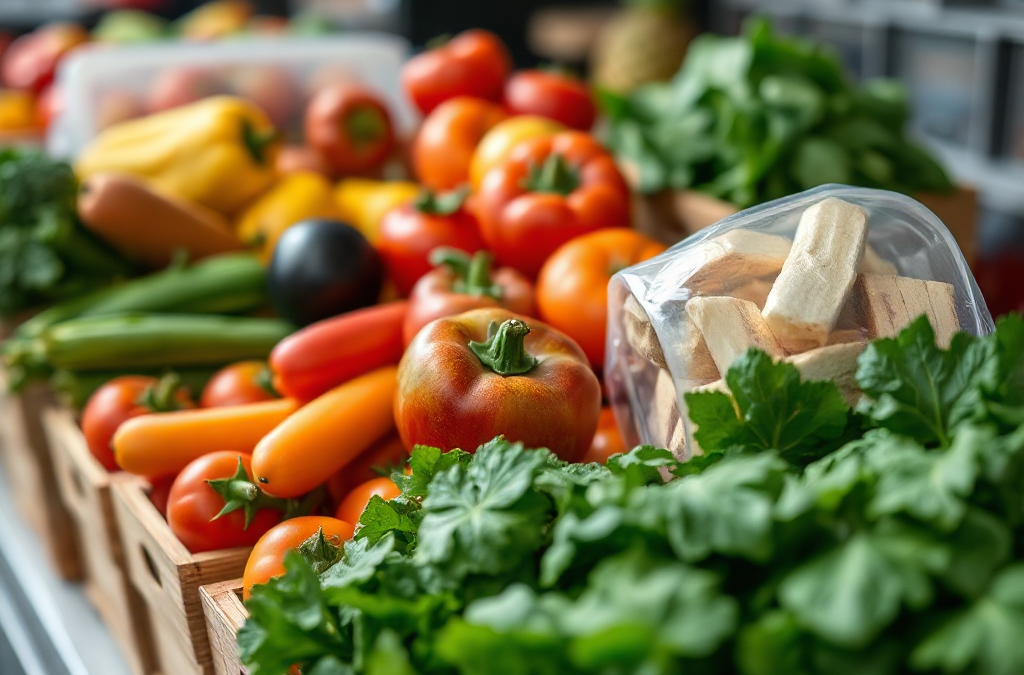
The health risks associated with non-organic produce mainly involve pesticide residues, foodborne contamination, and occupational or environmental exposure, although the risk varies by crop, chemical, amount, and handling. Washing fresh produce under running water can reduce surface dirt and some residues, but it cannot remove every compound or make spoiled produce safe. Peeling may lower residue exposure while also removing fiber and nutrients, so it is not automatically the best choice. The practical priority is to eat a wide variety of fruits and vegetables, wash them correctly, trim damaged areas, and consider organic versions of produce you eat frequently when budget and availability allow.
Where the Health Risks Come From
Non-organic produce is grown with conventional agricultural methods, which may include approved synthetic pesticides, herbicides, and fungicides. The main consumer concern is exposure to residues left on or in a crop after harvesting. Residue presence does not automatically mean a food is unsafe; regulators set permitted limits based on toxicology, expected exposure, and how a product is used. Risk depends on the specific chemical, dose, frequency, and the person’s age and health.
Produce can also carry hazards unrelated to whether it is organic. Soil, irrigation water, harvesting equipment, hands, transport containers, and retail surfaces may introduce bacteria or viruses. Leafy greens, berries, sprouts, and cut fruit require particular care because their surfaces are difficult to clean completely and their moisture can support microbial survival. A conventional apple with a residue concern and a contaminated bag of lettuce represent different hazards, so treating every risk as “chemical exposure” gives poor guidance.
Another distinction matters: organic certification restricts which pesticides and fertilizers may be used, but it does not mean produce is pesticide-free or automatically free from pathogens. Conversely, choosing conventional produce does not imply that every serving contains a dangerous dose. The useful question is not whether a food is perfectly risk-free, but which exposure is plausible and what action reduces it without discouraging people from eating plants.
Readers comparing options through the health risks associated with non-organic produce should prioritize overall dietary variety. Replacing all vegetables with highly processed foods because organic options cost more may reduce fiber, potassium, folate, vitamin C, and protective plant compounds. Food safety and adequate produce intake need to be considered together.
Pesticide Residues and What Washing Can Do
Pesticide residues may remain on a crop after application, particularly on surfaces exposed to spray. Some compounds can move into plant tissues, while others are more concentrated in waxy skins, leaves, or crevices. Cooking, peeling, and washing affect different chemicals in different ways. A rinse can remove soil and reduce some surface residue, but it is not a universal decontamination process.
Use cool or lukewarm running water and rub firm produce with clean hands. Scrub items such as melons, cucumbers, and squash before cutting them, because a knife can transfer contaminants from the skin to the flesh. Drain leafy greens, separate damaged leaves, and dry them with a clean towel or spinner. Do not use soap, bleach, or household cleaners on produce; they can leave harmful residues and are not designed for safe consumption.
Peeling can reduce exposure from some surface residues, as can discarding outer leaves of cabbage or lettuce. The tradeoff is that skins often contain fiber and nutrients, and peeling does not address contamination inside a cut or bruised area. Washing also cannot reliably correct food that has been left warm for too long, smells fermented, or shows extensive mold. Preparation reduces risk; it does not reverse spoilage.
A common mistake is assuming that a special produce wash is necessary. Running water, friction, clean preparation surfaces, and prompt refrigeration are more defensible priorities for ordinary household use. Another mistake is washing produce before storage when it will remain wet for days; excess moisture may accelerate decay. Wash delicate berries shortly before eating, and keep raw produce away from raw meat, poultry, and seafood during preparation.
Higher-Risk Situations and Vulnerable Groups
Exposure becomes more relevant when the same conventionally grown item is eaten frequently, consumed raw, or prepared with its skin intact. A person who eats a small serving of mixed vegetables occasionally has a different exposure pattern from someone who drinks an unwashed leafy-green smoothie every morning. Frequency, portion size, and preparation can matter as much as the label.
Children, pregnant people, older adults, and individuals with weakened immune systems may face greater consequences from some foodborne infections or chemical exposures. These groups should be especially careful with raw sprouts, unpasteurized juices, damaged produce, and foods prepared in settings where temperature and hygiene are uncertain. That does not mean avoiding fruits and vegetables; it means selecting intact items, washing them correctly, and following medical advice when a specific health condition changes food-safety needs.
Farm and agricultural workers can experience substantially different exposure from consumers because handling concentrates, spray equipment, or treated crops may involve direct contact. Consumer decisions about conventional produce should not be confused with occupational exposure assessment. Workplace controls, protective equipment, training, and regulatory compliance address a different route and level of contact.
Produce imported from different regions may also be subject to different growing practices and oversight systems, but country of origin alone does not prove that a food is hazardous. Focus on traceability, intact packaging, refrigeration, and reputable sellers rather than relying on assumptions about a region. If a recall affects a crop, discard or return the identified product even if it looks and smells normal.
A Practical Way to Choose and Prepare Produce
A sensible decision process begins with the foods you eat most often, not with an attempt to replace every item immediately. If a household regularly serves apples, spinach, or strawberries, choosing organic versions of those foods may reduce exposure to certain conventional pesticide residues. If organic prices make a family buy less produce, conventional versions that are washed and handled safely may be the more nutritious practical choice.
Use this compact priority order when shopping:
- Buy enough produce to eat promptly: freshness and proper storage reduce waste and spoilage.
- Choose intact items: avoid cuts, deep bruises, leaking packages, and mold.
- Wash at home: rinse under running water and scrub firm surfaces before cutting.
- Separate preparation areas: use clean knives, boards, hands, and towels.
- Use organic selectively: reserve the premium for frequently eaten foods if that fits the budget.
Comparing conventional and organic produce only by pesticide residue misses nutrition and affordability. A conventional frozen vegetable may be less expensive, last longer, and provide a dependable serving when fresh organic produce is unavailable. Frozen or canned produce can be reasonable alternatives when the ingredient list is simple and added sodium or sugar fits the person’s needs. The weakest approach is buying an expensive item that spoils unused because the household cannot realistically prepare it.
Signs that a routine is working include less visible soil, fewer spoiled items, and consistent intake of varied produce. Signs it needs adjustment include repeated food waste, persistent dampness in storage containers, or cutting vegetables on a board used for raw meat. Readers seeking related context can review the health risks associated with non-organic produce alongside their own shopping frequency, preparation habits, and household health needs.
Balancing Organic Benefits, Cost, and Nutrition
Organic produce may be a useful way to lower exposure to some synthetic agricultural chemicals, but the health outcome is not as simple as “organic equals safe” and “conventional equals dangerous.” Organic crops can have pesticide residues from approved natural or synthetic substances, and both production systems can encounter microbial contamination. Organic certification primarily describes production methods and permitted inputs; it is not a guarantee about freshness, nutrient density, or cleanliness.
For a limited budget, combine approaches rather than making an all-or-nothing purchase. Buy organic when the price difference is manageable for a frequently eaten item, choose conventional for less frequent foods, and use frozen vegetables when they prevent waste. Peeling can be reserved for produce where the skin is difficult to clean or where reducing surface exposure is a personal priority. Keeping edible skins on other items can preserve fiber and reduce kitchen waste.
Health decisions should also account for the rest of the meal. A washed conventional tomato in a bean-and-vegetable salad contributes fiber, vitamin C, and carotenoids; rejecting it may lead to a meal built around refined snacks. Nutrients do not disappear because a food is conventional, and organic status does not compensate for a diet low in plants. Evidence about long-term health differences between organic and conventional diets can be difficult to separate from income, lifestyle, access, and overall eating patterns.
Do not treat organic purchasing, washing, or produce avoidance as medical treatment. Anyone with a diagnosed condition, unusual occupational exposure, or concern about a suspected poisoning should contact a qualified clinician or poison-control service rather than attempting to interpret residue risk from appearance alone. For everyday shopping, the strongest combined strategy is variety, safe handling, adequate intake, and selective spending.
Frequently Asked Questions
Is non-organic produce unsafe to eat?
Not automatically. Conventional produce is regulated for pesticide use, but it should still be washed, inspected, refrigerated when appropriate, and handled separately from raw animal foods.
Can washing remove pesticide residues?
Washing can reduce some surface residues and dirt, but it cannot remove every chemical or residues that have moved into plant tissue. Soap and household cleaners should not be used.
Does peeling make conventional produce safer?
Peeling may reduce some surface exposure, but it also removes skin-associated fiber and nutrients. Scrubbing and rinsing may be preferable for produce with an edible, cleanable skin.
Which people should be especially careful with raw produce?
Children, pregnant people, older adults, and those with weakened immunity should take extra care with washing, refrigeration, raw sprouts, unpasteurized juice, and damaged produce.
Is buying organic more important than eating enough produce?
Usually, adequate variety of fruits and vegetables should remain the priority. Selective organic purchases can be reasonable for frequently eaten items, but cost should not discourage plant foods altogether.
Conclusion
Non-organic produce presents potential pesticide-residue and food-safety concerns, but the level of risk depends on the crop, exposure pattern, preparation, and the person’s vulnerability. Washing under running water, scrubbing firm skins, removing damaged portions, preventing cross-contamination, and storing food correctly address practical risks that an organic label cannot eliminate. Organic produce may be worth prioritizing for foods eaten often, especially when the price fits the household budget, yet conventional fresh, frozen, or canned options can still support a nutritious diet. Make the next shopping decision based on frequency, affordability, freshness, and safe handling rather than fear. A varied plant-rich diet prepared carefully is a stronger health strategy than avoiding produce because it is not certified organic.
Huge Discount on the Best Certified Organic Nutrient Dense Supplement!

Related Content
- Common Misconceptions About the Taste of Organic Food: What You Really Need to Know
- The Whole Food Advantage: Essential Benefits for Optimal Nutrition and Wellness
- Raw Food and Natural Hormone Rhythm
- The Ultimate 2025 Guide to the Best Certified Organic Eating Plan for Proven Health Benefits
- 10 Effective Organic Food for Metabolism Tips to Boost Results in 2025
Further Reading
Authoritative Sources
- Organic foods: Are they safer? More nutritious?
mayoclinic.orgWhen it comes to long-term health, studies find that organic food exposes consumers to less pesticide residue. People who eat the highest amount ...
- Getting the Dirt on Your Fruits and Vegetables
brownhealth.orgAt least one pesticide is typically found on around 70 percent of non-organic produce. The Dirty Dozen include: Strawberries; Spinach; Kale ...
- Is Organic Food Really Better For You?
catholichealthli.orgSafety concerns about food often focus on pesticide residue. Pesticides may remain on or in food during the growing process. The term organic ...
- Produce Without Pesticides
consumerreports.orgFound evidence linking pesticides to increased risks of cancer, diabetes, and cardiovascular disease. studies have linked on-the-job use of a ...