
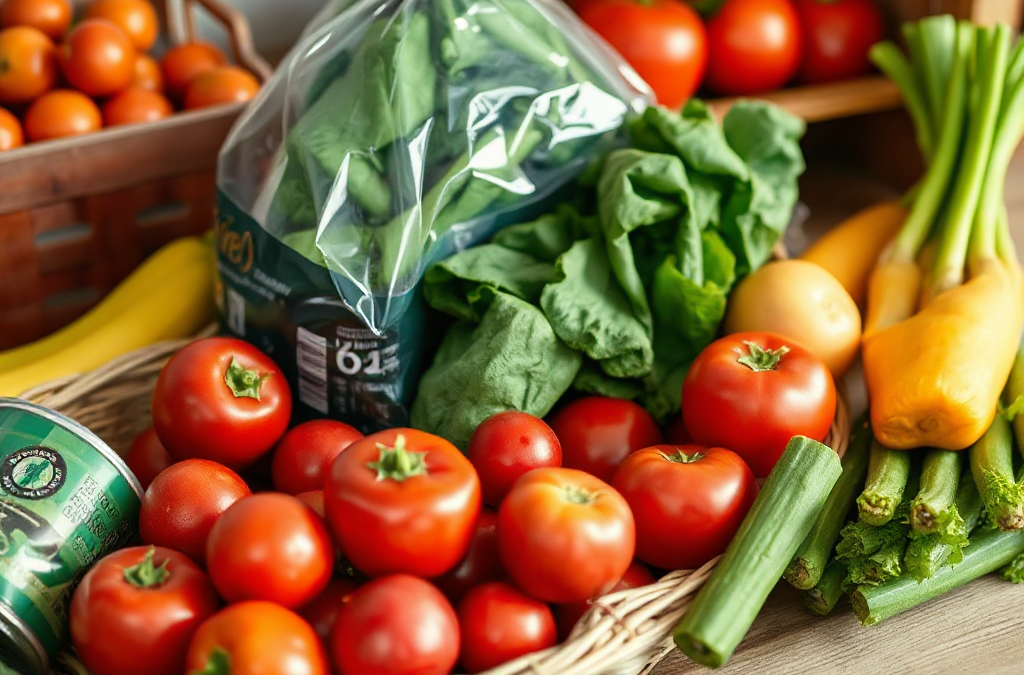
If organic food is not readily available, choose the freshest affordable conventional foods, wash and prepare produce carefully, and prioritize a varied diet over an all-or-nothing standard. Frozen, canned, and dried fruits and vegetables can preserve useful nutrients when fresh organic options are limited, while beans, whole grains, eggs, and plain dairy provide practical staples. Peeling may reduce some surface residues but can also remove fiber and nutrients, so it is not a universal solution. Avoid damaged or spoiled items, compare ingredient lists on packaged foods, and spend extra money selectively on foods your household eats often rather than assuming every conventional item is a poor choice.
Set Priorities When Organic Options Are Limited
Limited access to certified organic products does not require abandoning nutritious eating. The first priority is a varied pattern built around vegetables, fruit, beans, lentils, whole grains, nuts, seeds, eggs, fish, or other protein foods that fit the household’s needs. Organic certification describes production methods, but the label alone does not determine whether a meal contains enough fiber, protein, vitamins, or minerals.
A practical decision begins with availability, price, freshness, and how often the food will be eaten. If a local store has no organic greens, a fresh conventional salad mix may be a more useful purchase than skipping vegetables or buying an expensive packaged snack with an organic label. If fresh berries are bruised or costly, frozen berries can work well in oatmeal or yogurt. The better choice is usually the one that makes a nourishing meal possible without creating waste.

Some shoppers focus heavily on the foods they believe deserve organic status while overlooking the larger nutritional pattern. That can lead to a cart filled with organic cookies, chips, or sweetened drinks but few minimally processed staples. A conventional bag of oats, dried beans, carrots, or apples may contribute more to a balanced diet than a highly processed product carrying an organic claim.
Use the availability decision in this order:
- Buy safe, edible foods that supply the nutrients missing from the current meal plan.
- Choose minimally processed options with short ingredient lists when comparable products are available.
- Compare cost per serving, not just package price.
- Reserve organic spending for products where production practices matter most to your household.
The common mistake is treating conventional food as automatically unacceptable. That assumption can narrow food variety, increase food waste, and strain a limited budget. A flexible standard—nutritious first, safe handling always, organic when reasonably accessible—usually produces a more workable result.
Choose Practical Fresh, Frozen, Canned, And Dried Alternatives
When organic produce is unavailable, the form of the food often matters more for daily practicality than the label. Fresh conventional produce is suitable when it is in good condition and can be washed properly. Frozen vegetables and fruit are useful when transportation or seasonal supply is unreliable because they can be stored for longer and added to meals without requiring immediate use.
Canned foods also have a place, particularly beans, tomatoes, pumpkin, peas, and fish. Look for products with little or no added sugar and compare sodium levels when that is relevant to your eating pattern. Rinsing canned beans can remove some of the surface liquid and may make them easier to use in salads, soups, or grain bowls. Canned fruit packed in water or its own juice is generally a different choice from fruit packed in heavy syrup.
Dried staples can reduce dependence on unpredictable produce sections. Brown rice, oats, barley, lentils, chickpeas, and whole-wheat pasta provide inexpensive foundations for meals. Pairing them with conventional vegetables and a protein source creates more nutritional value than substituting a branded organic snack for a complete meal. For example, lentils with canned tomatoes, frozen spinach, and brown rice can remain useful when the fresh organic section is empty.
Fresh, frozen, canned, and dried options each involve tradeoffs:
- Fresh: offers texture and convenience when it is plentiful, but spoilage can make it expensive.
- Frozen: reduces waste and works well for cooked dishes, although texture may change after thawing.
- Canned: stores easily, but sodium, syrup, or sauces require label checking.
- Dried: is economical and versatile, but cooking time and soaking may require planning.
A weak assumption is that only fresh produce counts as nutritious. Processing can change texture and some nutrient levels, yet frozen and canned foods may still supply valuable fiber, vitamins, and minerals. The sign that a substitution is working is simple: it appears in meals regularly, remains within budget, and is eaten before it spoils.
For more meal-planning context, connect this approach with organic nutrition choices when supply is inconsistent rather than waiting for ideal shopping conditions.
Reduce Exposure Through Washing, Preparation, And Storage
Careful handling improves the safety and quality of conventional produce, although it does not turn it into organic food or remove every possible residue. Rinse fruits and vegetables under running water before cutting or eating them, rub firm produce such as apples or cucumbers with clean hands, and use a clean produce brush for items with sturdy surfaces. Washing is especially useful because dirt and microorganisms can transfer from the exterior to the cut surface during preparation.
Do not use soap, bleach, disinfectant, or household cleaning products on food. These substances are not a safe substitute for rinsing and can leave harmful residues. Wash hands, knives, cutting boards, and counters as well, particularly when produce will be eaten raw. Separate foods that are ready to eat from raw meat, poultry, or seafood to reduce cross-contamination.
Peeling is a choice, not a universal rule. Removing the outer layer may reduce material on the surface of some foods, but it also removes part of the fiber and nutrient content found in many skins. Scrubbing and rinsing a potato, carrot, or apple may preserve more of the food than peeling it automatically. For leafy greens, discard damaged outer leaves and rinse the remaining leaves thoroughly; soaking alone should not replace running-water washing.
Preparation also affects waste. Buy conventional produce in quantities the household can use, refrigerate items that need chilling, and freeze extras before they become soft or moldy. Never taste food that looks moldy to decide whether it is safe. Soft produce with visible mold may need to be discarded because contamination can extend below the visible spot.
The common mistake is using washing as permission to ignore freshness or handling. A clean-looking item can still be spoiled, and a carefully rinsed item can become contaminated on an unwashed cutting board. Washing, separation, refrigeration, and timely use work together; none should be presented as a complete guarantee.
Build Balanced Meals Without Letting Labels Control The Budget
A balanced meal can be assembled without making organic status the deciding feature of every ingredient. Begin with a protein source, add a high-fiber carbohydrate, include vegetables or fruit, and use fats such as olive oil, avocado, nuts, seeds, or a suitable alternative. This structure is more informative than asking whether every component carries the same label.
Consider a weeknight meal of conventional frozen broccoli, brown rice, eggs, and a simple sauce made from garlic and olive oil. Another option could combine canned chickpeas, whole-grain bread, tomatoes, cucumber, and plain yogurt. Neither meal depends on a fully organic supply chain, yet both can provide fiber, protein, and a range of micronutrients. The exact nutrients depend on portions and ingredients, but the pattern is more substantial than a label-only comparison.
Budget pressure makes selective spending sensible. Some households may prefer to buy organic versions of foods eaten frequently, products with edible skins, or items available from a trusted local grower, while choosing conventional versions of foods that are peeled, less expensive, or rarely purchased. Those preferences are personal rather than a universal ranking. A family managing food insecurity should prioritize enough food, meal adequacy, and safe storage before paying a premium for certification.
Packaged foods deserve a separate check. An organic product can still be high in added sugar, saturated fat, or sodium, and a conventional product can have a straightforward ingredient list. Compare serving size, ingredients, fiber, protein, and added sugars when relevant. Choose plain oats over a sweetened organic breakfast bar when the goal is an inexpensive, filling breakfast; add fruit, nuts, or yogurt to improve texture and variety.
The failure mode here is allowing perfectionism to reduce intake or increase anxiety. If organic choices are absent, continue buying foods that support the meal pattern and revisit preferences when supply or budget improves. For a condition requiring medically specific dietary restrictions, a registered dietitian or clinician can help tailor substitutions.
Create A Flexible Shopping Plan For Future Shortages
A short substitution plan prevents an empty organic shelf from dictating the entire week. Choose two or three interchangeable foods for each category: fresh or frozen vegetables, fresh or frozen fruit, beans or lentils, eggs or another protein, and brown rice, oats, or another whole grain. This creates options without requiring a large pantry or a complicated inventory system.
Before shopping, check what is already available and identify the meals that depend on one vulnerable ingredient. If a recipe requires organic zucchini but the store has none, decide in advance whether conventional zucchini, frozen green beans, cabbage, or carrots will provide a similar cooking role. A replacement does not need to be nutritionally identical to be useful; it needs to fit the recipe, remain safe, and help preserve the meal’s overall balance.
Use a simple three-question check at the store:
- Can this item be used in a meal before it spoils?
- Does the package add unnecessary sugar, sodium, or heavily processed ingredients?
- Is a frozen, canned, dried, or store-brand alternative more practical?
Watch for signs that the plan needs adjustment. Repeated spoilage suggests buying smaller amounts or using frozen options. Meals that leave someone hungry may need more protein, fiber, or total food rather than a different label. A cart that exceeds the budget may need selective organic purchases instead of abandoning produce altogether.
Keep expectations realistic. Availability varies by region, season, transportation, store size, and household income. A plan that works for a well-stocked supermarket may fail for someone relying on a small market or food pantry. In that situation, shelf-stable staples, frozen items when storage permits, and local assistance programs may be more useful than pursuing a narrow product list. The best plan is the one that preserves variety and regular meals under the constraints you actually face.
For food-handling details, consult current produce-washing and food-safety guidance from the USDA, FDA, or a state university extension service. These sources can clarify safe storage, cross-contamination prevention, and practical handling without assuming that organic products are always available.
Frequently Asked Questions
Is conventional produce a reasonable substitute for organic produce?
Yes. Fresh conventional produce can fit a nutritious diet when organic options are unavailable, unaffordable, or poor in quality. Wash it under running water and use it promptly.
Are frozen vegetables useful when fresh organic vegetables are unavailable?
Yes. Frozen vegetables can reduce spoilage and work well in soups, stir-fries, grain bowls, and egg dishes. Check sauces and sodium if the product is seasoned.
Does peeling remove all residue from conventional produce?
No. Peeling may remove some material on the surface but can also remove fiber and nutrients. Rinsing and scrubbing are often preferable for edible skins when the food is in good condition.
Should organic packaged food always be preferred?
No. Compare the full ingredient list, added sugar, sodium, fiber, protein, and serving size. Certification does not automatically make a highly processed product a better everyday choice.
What should I prioritize if my food budget is very limited?
Prioritize enough food, safe storage, vegetables or fruit, beans or another protein source, and affordable whole grains. Selective organic purchases can come later if they fit the budget.
Conclusion
When organic food is difficult to find, keep the larger nutritional pattern intact instead of waiting for perfect shopping conditions. Choose sound conventional produce when it is the practical option, use frozen, canned, and dried foods to protect variety, and compare packaged products by ingredients and nutrients rather than certification alone. Rinse produce under running water, prevent cross-contamination, refrigerate appropriately, and discard visibly spoiled food. A flexible substitution list can prevent waste and make limited store supplies easier to manage. Organic purchasing may remain a meaningful personal preference, but it should not force you to skip vegetables, overspend on snack foods, or accept an unbalanced meal plan. Prioritize safe, varied, affordable foods first, then apply organic preferences where access and budget allow.
Huge Discount on the Best Certified Organic Nutrient Dense Supplement!

Further Reading
Authoritative Sources
- Organic foods: Are they safer? More nutritious?
mayoclinic.orgPeople who eat recommended levels of vegetables, fruits and whole grains can limit their pesticide contact by choosing organic options.
- What Non Organic Foods Are Safe To Eat
countrylifefoods.comDiscover what non organic foods are safe to eat. Learn how to use the Clean Fifteen and smart washing tips to build a healthy, budget-friendly pantry today.
- Ways to Eat Organic Food on a Budget
greenamerica.orgCommunity Supported Agriculture (CSA) groups can help you access fresh and local organic produce. · Recipients of SNAP or EBT benefits can save even more.
- What foods to buy organic: your 2026 priority guide
naturessoulshop.comDiscover what foods to buy organic in 2026. Prioritize your health and reduce pesticide exposure with expert guidance and actionable tips.


