
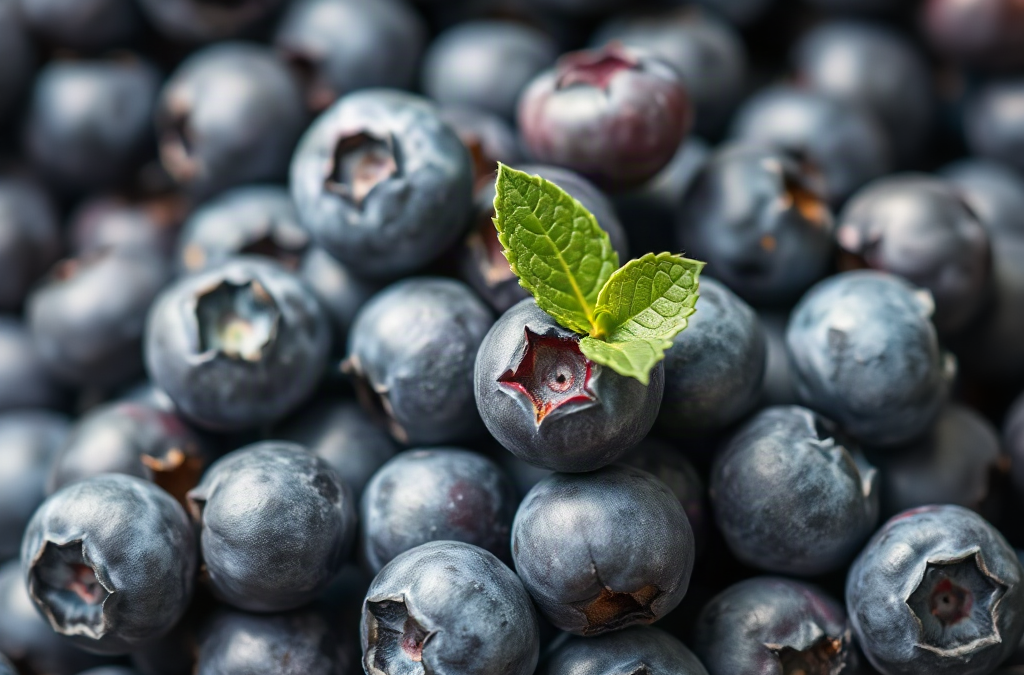
Organic blueberries are nutritionally most similar when fresh and frozen, while drying and juicing change their fiber, sugar concentration, texture, and practical uses. Fresh berries suit snacking and uncooked dishes; frozen berries retain useful nutrients and work well in oatmeal, smoothies, sauces, and baking. Dried blueberries provide portability but deliver more concentrated carbohydrate per bite and may contain added sugar, while juice usually supplies less fiber than whole fruit. Organic certification governs production practices rather than guaranteeing a nutritional advantage, so the best choice depends on ingredient quality, storage life, preparation method, and whether the berries remain whole.
How Do Fresh, Frozen, Dried, and Juiced Blueberries Compare?
The form of the berry usually affects its nutritional profile more than the organic label does. Fresh and unsweetened frozen blueberries remain whole fruits with water, fiber, naturally occurring sugars, vitamin C, vitamin K, manganese, and colorful plant compounds called anthocyanins. Freezing changes texture, but it does not turn blueberries into a fundamentally different food.

Frozen berries are commonly processed soon after harvest. Once thawed, ice crystals leave the skins and flesh softer, so they release more juice than firm fresh berries. That softness is a disadvantage in a fruit salad but useful in oatmeal, sauces, muffins, and smoothies. Long storage, thawing, draining, and cooking can affect some heat- or water-sensitive compounds, yet frozen blueberries still provide the fiber and edible components of the whole berry.
Drying removes much of the water. A small handful can therefore contain the solids from substantially more fruit than the same volume of fresh berries. The result is a portable product with more concentrated calories and naturally occurring sugar per bite. Some packages are also sweetened or coated with oil to control texture and sticking. Treating dried blueberries as interchangeable with fresh ones by volume is a common portioning mistake.
Juice presents a different tradeoff. Strained blueberry juice may contain pigments and other fruit compounds, but much of the fiber associated with skins and pulp can be reduced or removed. Drinking is also faster than chewing, making it easy to consume a larger fruit equivalent without the same texture or fullness. A blended smoothie that retains the entire berry is nutritionally different from a filtered juice, although the smoothie can still become energy-dense when combined with sweeteners, juice, or large amounts of other ingredients.
| Form | Nutrition characteristic | Strongest uses | Primary check |
|---|---|---|---|
| Fresh | Whole fruit with high water content and fiber | Snacking, salads, yogurt, garnishes | Condition, mold, and intended storage time |
| Frozen | Whole fruit; softer after thawing | Smoothies, oatmeal, sauces, baking | Unsweetened ingredient list and freezer damage |
| Dried | Less water and more concentrated per bite | Trail mixes and portable snacks | Added sugar, oil, and portion size |
| Juice | Often lower in fiber than whole berries | Beverages and culinary reductions | Juice percentage, serving size, and sweeteners |
For routine eating, whole fresh or frozen berries are the most straightforward choices. Dried fruit and juice can fit a varied diet, but package details and serving context matter more because processing changes concentration and structure.
Does Organic Certification Change Blueberry Nutrition?
Organic certification describes how blueberries are produced and handled; it is not a promise that every organic berry contains more vitamins or antioxidants than every conventional berry. Nutrient content varies with cultivar, ripeness, weather, soil conditions, harvest timing, transport, storage, and processing. Those sources of variation make broad nutrition rankings based solely on production label unreliable.
An organic package can still be a useful purchasing preference. Shoppers may choose it because they value certified production requirements, restrictions on certain inputs, or particular farming practices. Those are legitimate production considerations, but they should remain separate from claims about the nutrient composition of an individual carton. “Organic” also does not mean pesticide-free, locally grown, freshly harvested, unsweetened, or minimally processed.
Consider two realistic options: an organic carton that has spent long enough in distribution to become soft and mold-prone, and a conventional carton of sound, ripe berries that will be eaten promptly. The organic label does not restore lost quality or prevent waste. Conversely, an unsweetened bag of frozen organic blueberries can be a practical choice when fresh fruit is expensive, out of season, or likely to spoil before use.
Processed organic products require the same scrutiny as their nonorganic counterparts. Organic dried blueberries may contain organic cane sugar, and an organic blueberry beverage may be blended with other juices. Certification does not cancel the nutritional effect of added sweeteners or removed fiber. Read the ingredient list rather than relying on front-label terms or pictures of whole fruit.
A useful decision order is:
- Choose the food form: whole berries generally retain fiber better than strained juice.
- Check added ingredients: favor unsweetened products when added sugar is not needed for the intended recipe.
- Assess quality and storage: buy an amount that can be eaten or frozen before deterioration.
- Apply the organic preference: compare certified options within the form, price, and quality level that already fit the need.
This order prevents a production claim from overshadowing basic food characteristics. It also makes budget decisions more rational: paying more for organic may reflect personal farming priorities, but nutritional adequacy does not require assuming that the label makes processing or freshness irrelevant.
Which Blueberry Form Works Best for Each Use?
The best blueberry is the one whose structure matches the dish. Fresh berries hold their shape and provide a juicy pop, making them the strongest option for eating by hand, topping cereal, folding gently into yogurt, or adding to a salad. Look for dry, plump berries without leaking juice. A dusty-looking natural surface coating, often called bloom, is not the same as fuzzy mold.
Frozen blueberries perform especially well when appearance matters less than flavor and color. Add them directly to smoothies or simmer them into compote without thawing. For muffins and quick breads, using berries while still frozen can reduce crushing during mixing, although their cold temperature and released juice may affect baking time and streak the batter. Tossing them lightly with part of the recipe’s flour may limit sinking, but it will not completely stop color bleeding.
Thawed berries work in overnight oats, pancakes, sauces, and yogurt bowls where their released liquid becomes part of the dish. They are a poor substitute when a crisp garnish is required. Draining that liquid may improve texture, but it also discards some berry material and flavor; incorporating it into the recipe is often the more resourceful choice.
Dried blueberries make sense when refrigeration and crushing are practical constraints. A measured portion can be mixed with nuts or unsweetened whole-grain cereal for travel. In baking, dried berries absorb moisture rather than release it, so they cannot replace fresh berries without changing the result. Soaking them may soften their texture, but a recipe developed for dried fruit is more predictable than an improvised one-for-one swap.
Juice is most useful when liquid is actually needed, such as in a beverage or a reduced sauce. It is not the closest substitute for a bowl of whole berries. For a smoothie, whole frozen fruit usually gives more body and preserves the berry’s fiber-containing solids. For hydration, water alongside whole fruit avoids turning fruit into a sweet drink.
Match the purchase to the eating occasion rather than searching for one universally superior product. A household making daily smoothies may waste money and fruit by buying delicate fresh berries, while someone preparing a cheese plate may be dissatisfied with thawed ones. Success looks like eating the berries in the intended form before quality declines. Repeated spoilage, unused packages, or added sweeteners needed to make a product appealing signal that another form would work better.
How Should You Shop, Store, and Prepare Organic Blueberries?
Quality preservation begins with buying sound fruit and controlling moisture. Examine a fresh package from several angles. Avoid berries with visible fuzzy growth, leaking juice, collapsed fruit, or moisture collecting heavily inside the container. A few shriveled berries indicate age, while wet, crushed fruit can accelerate deterioration throughout the package.
Refrigerate fresh blueberries promptly in a container that allows some airflow. Keep them dry until shortly before eating because residual wash water can encourage faster spoilage. Before use, remove damaged berries and rinse the remainder under clean running water; soap and household detergents are not food-washing agents. Drain and dry the fruit gently, especially when it will be stored briefly after washing.
If a large package will not be eaten in time, freezing it early is better than waiting for the berries to soften. Sort, rinse, and dry them thoroughly, then freeze them in a single layer before transferring them to a freezer container. Individually frozen berries are easier to measure for oatmeal or smoothies. Labeling the container with the date helps rotate older fruit first, even though quality decline is gradual rather than tied to a sudden nutritional deadline.
Commercial frozen berries should remain solid during transport and return to the freezer promptly. Large ice clumps can suggest partial thawing and refreezing, which damages texture. That does not automatically establish that a product is unsafe, but a torn package, unexplained thawing, or uncertain temperature history warrants caution. Follow package cooking directions when provided, particularly for products intended to be heated rather than eaten frozen.
Use a short purchase checklist:
- Fresh: dry, intact fruit with no visible mold or leaking berries.
- Frozen: blueberries listed without syrup or sweetener when plain fruit is wanted.
- Dried: ingredient list and serving size checked for added sugar and oil.
- Juice: percentage of juice distinguished from a sweetened blueberry-flavored drink.
Price should be compared by usable food, not package appearance alone. Fresh berries are poor value if half spoil, while frozen berries allow portion-by-portion use. Dried berries may appear expensive by weight but are concentrated and used in smaller amounts. Organic certification can then be weighed against budget, availability, and farming preferences without confusing cost with guaranteed nutritional superiority.
Frequently Asked Questions
Are frozen organic blueberries as nutritious as fresh ones?
Both provide whole-fruit fiber and naturally occurring nutrients. Freezing softens texture, and storage or cooking may affect some compounds, but unsweetened frozen berries remain a useful alternative to fresh fruit.
Do organic blueberries contain more antioxidants?
The organic label alone does not establish that a particular batch contains more antioxidants. Variety, ripeness, growing conditions, storage, and processing can all influence plant-compound levels.
Should organic blueberries be washed?
Yes. Rinse fresh blueberries under clean running water shortly before eating, then drain them gently. Avoid soap or detergent, and discard berries showing mold or severe damage.
Are dried organic blueberries a healthy substitute for fresh berries?
They can be useful in measured portions, especially for travel, but water removal concentrates the fruit per bite. Check for added sugar and do not compare dried and fresh blueberries cup for cup.
Can frozen blueberries replace fresh blueberries in baking?
Usually, but they may release more color and moisture and can alter baking time. Add them while frozen when practical, mix gently, and follow a recipe designed to accommodate frozen fruit.
Conclusion
Choose blueberry form before focusing on the production label. Fresh organic berries offer firm texture for raw dishes, while frozen ones reduce spoilage and perform reliably in cooked foods, oatmeal, and smoothies. Dried products solve portability problems but require attention to concentration and added sugar; juice is less comparable to whole fruit because fiber may be reduced.
At the store, inspect fresh fruit for moisture and mold, read processed-product ingredient lists, and buy only what can be used or frozen promptly. Treat organic certification as information about production practices rather than proof of greater nutrient content. The most practical next step is to match one unsweetened whole-fruit option to a specific meal, storage window, and budget, then adjust the form if waste or poor recipe performance becomes routine.


