
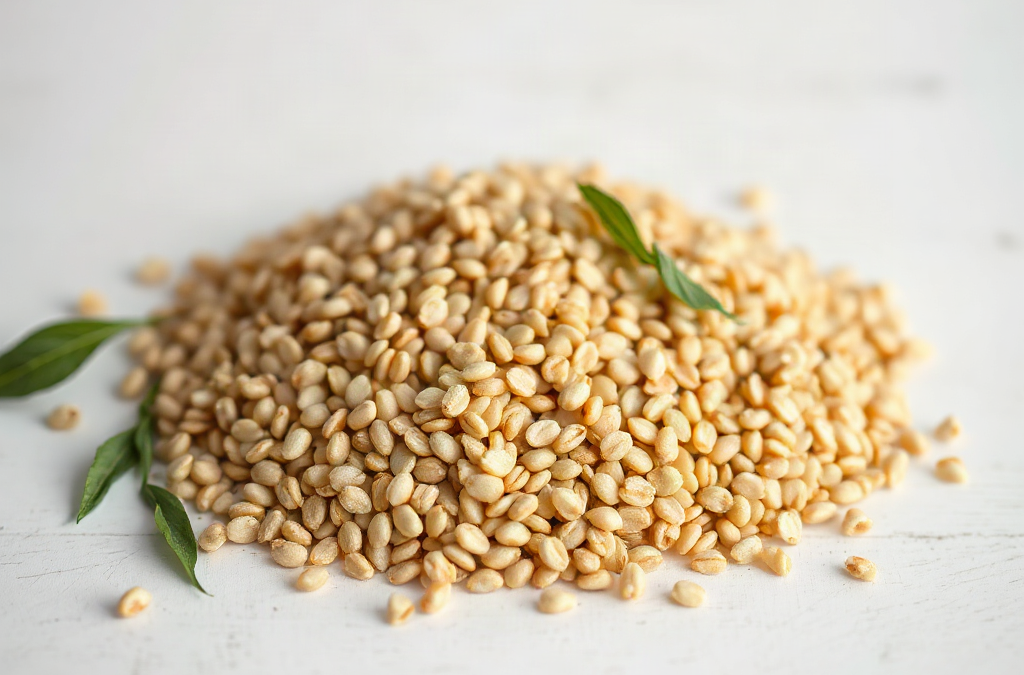
Organic buckwheat groats make fiber-rich meals when they are simmered like rice, toasted before cooking, or soaked and cooked gently, then paired with vegetables, legumes, seeds, or fruit. Keeping the groats intact preserves their naturally fibrous structure, while controlling water and cooking time prevents a gummy texture. Raw groats produce a mild, tender result; toasted groats, often called kasha, taste nuttier and remain more distinct. Choose certified organic groats, verify gluten-free handling if medically necessary, rinse before cooking, and increase portions gradually if your usual diet contains little fiber.
Why Does Buckwheat Fit Fiber-Rich Meals?
Buckwheat groats are the hulled seeds of a plant that is unrelated to wheat, despite the name. Their intact structure makes them useful wherever a cook might otherwise reach for rice, couscous, oats, or another starchy base. The groats contribute fiber along with starch, plant protein, and minerals, but their strongest practical advantage is flexibility: the same package can become breakfast porridge, a warm lunch bowl, a pilaf, or a chilled salad.

Fiber-rich eating depends on the whole meal rather than a single ingredient. Buckwheat supplies part of the meal’s fiber, while beans, lentils, vegetables, berries, nuts, and seeds can raise the total and broaden the mixture of plant foods. A bowl made only from cooked groats is filling for some people, but it lacks the produce and protein variety of a more complete meal. Adding chickpeas, roasted broccoli, pumpkin seeds, and a lemon dressing creates a different nutritional profile from adding butter alone.
The intact seed also behaves differently from buckwheat flour. Groats retain their physical structure during cooking, so they require chewing and can form a substantial meal base. Flour is valuable for pancakes, noodles, and baking, but grinding changes texture and makes it easier to eat a larger amount quickly. Choosing groats is therefore useful when the goal is a spoonable or forkable dish with visible whole-food components rather than a baked product.
Organic certification concerns agricultural production and handling standards; it does not mean a food automatically contains more fiber or is nutritionally complete. Fiber content is tied more closely to the food form and serving amount than to the organic label. An organic buckwheat cracker made with refined starches, oils, and added salt is not interchangeable with plain whole groats. Compare the ingredient list and nutrition panel instead of treating the certification as a shortcut for overall food quality.
Buckwheat is naturally gluten-free, but that fact does not guarantee every package is suitable for someone with celiac disease or a medically required gluten-free diet. Shared harvesting, transport, or packaging equipment may introduce gluten-containing grains. People who need strict avoidance should look for a credible gluten-free claim or certification in addition to the organic seal. Anyone with a known buckwheat allergy should avoid it regardless of how it was grown.
A common failure is increasing fiber too quickly and assuming digestive discomfort means the food itself is unsuitable. A smaller serving paired with adequate fluid may be easier to assess than a large bowl loaded with several new high-fiber ingredients at once. Gradual changes also make it easier to identify which foods and amounts feel comfortable.
Which Cooking Method Produces the Best Texture?
Three reliable methods cover most uses: direct simmering for soft everyday groats, dry-toasting before simmering for distinct grains, and soaking followed by gentle cooking for a tender result with a shorter time on the stove. Package directions should take priority because groat size and processing vary, but visual and textural cues are more dependable than following a timer without checking the pot.
Method 1: Direct Simmering
Rinse the groats in a fine-mesh strainer, then combine them with water or unsalted broth according to the package ratio. Bring the liquid to a boil, lower it to a gentle simmer, and cover the pan. Check before all the liquid disappears. The groats are ready when they are tender but still recognizable; drain excess water if necessary and let them rest briefly before fluffing.
This method suits porridge, grain bowls, and dishes where a softer texture is welcome. Too much water, vigorous stirring, or prolonged cooking can release more starch and create a pasty result. If that happens, the batch can still work in breakfast porridge, vegetable patties, or a thick soup, but it will be less successful in a loose salad.
Method 2: Toasting Before Simmering
Dry-toast raw groats in a wide pan over moderate heat until they smell nutty, moving them frequently to prevent scorching. Add the measured cooking liquid carefully because steam may rise quickly, then simmer as directed. Toasting deepens flavor and helps the pieces remain more distinct, making this approach useful for pilafs and savory bowls.
Pre-toasted buckwheat is commonly sold as kasha. It saves a step but has a stronger flavor that can dominate delicate fruit or mild dairy. Raw groats are the more adaptable choice for shoppers who want both sweet and savory options. Toasting is not a way to add fiber; it is primarily a flavor and texture decision.
Method 3: Soaking and Gentle Cooking
Cover rinsed groats with water and refrigerate them for several hours or overnight. Drain, rinse away the slick surface liquid, add fresh water, and cook gently until tender. Soaked groats soften quickly, so early checking matters. This method is convenient for breakfast preparation or busy evenings, but leaving soaked groats warm on the counter for an extended period is not a sensible shortcut.
| Method | Best Use | Texture Goal | Main Mistake |
|---|---|---|---|
| Direct simmer | Porridge and bowls | Soft and tender | Using excess water |
| Toast, then simmer | Pilaf and salads | Nutty and distinct | Scorching the groats |
| Soak, then cook | Meal prep and breakfast | Tender with brief cooking | Overcooking after soaking |
Signs of success are an even texture, no hard center, and a flavor that suits the intended dish. Split, sticky groats usually indicate excessive agitation or cooking, while hard centers suggest too little liquid or time. Adjust one variable in the next batch rather than changing the pan, ratio, heat, and timing simultaneously.
How Do You Build a Balanced Buckwheat Meal?
A useful buckwheat meal combines the cooked groats with a substantial produce component, a protein source, and enough fat or sauce to carry flavor. This structure prevents the groats from becoming a bland mound and spreads the meal’s fiber across several foods. Portions remain personal: appetite, energy needs, digestive tolerance, and the other components on the plate all influence how much cooked buckwheat makes sense.
For a savory bowl, pair warm groats with roasted carrots and Brussels sprouts, lentils, chopped walnuts, and a mustard vinaigrette. The lentils and vegetables add more fiber, the walnuts provide richness and crunch, and the acidic dressing balances buckwheat’s earthy taste. If both lentils and buckwheat are new additions to the diet, begin with modest amounts rather than combining very large servings immediately.
For breakfast, cook raw groats to a softer consistency and add berries, ground flaxseed, plain yogurt or a fortified plant-based alternative, and cinnamon. Fruit and flax broaden the fiber sources, while yogurt or an alternative can make the bowl more substantial. Sweetened flavored products and heavy syrup can turn the meal into something quite different from a lightly sweetened whole-food breakfast, so taste before adding sweeteners.
A chilled lunch salad works best with toasted groats that have been cooked just until tender and cooled promptly. Fold them with white beans, cucumber, tomato, parsley, and an olive-oil-and-lemon dressing. Cooling the groats on a shallow plate helps release steam and limits clumping. Do not rinse cooked groats merely to cool them unless the recipe calls for it, because excess water can dilute flavor and make the salad wet.
Use this compact order when assembling a meal:
- Choose the texture first: soft for porridge, distinct for pilaf or salad.
- Add colorful plants: use cooked vegetables, raw vegetables, fruit, or a combination.
- Select a protein: consider beans, lentils, eggs, fish, poultry, tofu, yogurt, or another suitable option.
- Finish for flavor: add herbs, spices, nuts, seeds, or a dressing rather than relying only on salt.
Buckwheat need not replace every grain. Brown rice has a neutral flavor, oats excel in creamy breakfasts, and quinoa may remain somewhat firmer after cooking. Rotating these foods can be more practical than declaring one universally superior. Buckwheat earns a place in the rotation when its earthy flavor, quick preparation, and whole-groat texture fit the dish.
The meal is working when it remains satisfying, the texture is enjoyable, and digestive tolerance is comfortable. Persistent bloating, pain, or other concerning symptoms should not be dismissed as an expected consequence of eating fiber; a qualified healthcare professional can help assess symptoms and individual dietary needs.
What Should You Check When Buying and Storing Groats?
Buy groats based on food form, intended flavor, and handling needs before comparing branding language. The package should identify whole buckwheat groats as the primary ingredient. Decide whether raw pale groats or darker toasted kasha better matches the recipes you plan to make. Raw groats offer more flexibility, while kasha is efficient for cooks who consistently want a pronounced roasted flavor.
The organic seal verifies that the product meets the applicable organic standard; it does not answer every purchasing question. Check the ingredient list for added salt, flavorings, or other grains, particularly in instant or seasoned products. Review the nutrition label using the serving size actually listed rather than comparing fiber numbers from differently sized servings. A higher price may reflect certification, packaging, origin, or brand positioning, so compare cost per unit of weight when budget matters.
Package condition provides immediate quality clues. Avoid bags with broken seals, moisture, webbing, or obvious insect activity. If buying from bulk bins, choose a store with good turnover and covered, clearly labeled containers. Bulk purchasing can reduce packaging and cost, but a large quantity is poor value if it sits long enough to develop stale aromas.
At home, transfer groats to a clean airtight container and keep them in a cool, dry, dark cupboard. Refrigeration or freezing can be useful for longer storage, especially in warm or humid kitchens. Labeling the container with the purchase date makes rotation easier. Before cooking, smell the groats: they should be mild or pleasantly nutty, not musty, sour, or paint-like. Discard food showing moisture damage, mold, pests, or a distinctly rancid odor.
Cooked buckwheat is practical for meal preparation when it is cooled promptly, stored covered in the refrigerator, and reheated until steaming. Make only an amount likely to be used within a few days rather than relying on an oversized batch for an uncertain period. If cooked groats smell unusual, feel excessively slimy beyond their normal starchiness, or have been left at room temperature for hours, discarding them is safer than tasting to investigate.
Texture problems are often process problems rather than product defects. Mushy groats point to too much liquid, stirring, or heat exposure; dry groats need more liquid or gentle cooking time; bitter groats may have been scorched during toasting. Record the package, liquid amount, pan size, and approximate cooking time for the next batch. That simple note is more useful than assuming every brand behaves identically.
Frequently Asked Questions
Do buckwheat groats need to be soaked before cooking?
No. Soaking is optional and mainly shortens cooking and softens the texture. Drain and rinse soaked groats, then watch them closely because they can overcook quickly.
Are raw groats or toasted kasha better for meal preparation?
Raw groats are milder and work in sweet or savory dishes. Kasha has a stronger roasted flavor and usually suits pilafs, warm bowls, and savory salads.
Are organic buckwheat groats gluten-free?
Buckwheat is naturally gluten-free, but cross-contact can occur during handling. Anyone requiring strict avoidance should choose a package carrying an appropriate gluten-free claim or certification.
Why did cooked buckwheat turn mushy?
Excess liquid, vigorous stirring, or cooking too long can break down the groats. Use less liquid next time, simmer gently, and check for tenderness before the stated time ends.
Can buckwheat groats be batch-cooked?
Yes. Cook them just until tender, cool them promptly, and refrigerate them in a covered container. Reheat portions until steaming or use properly chilled groats in salads.
Conclusion
Choose whole organic groats in the form that matches your cooking plans: raw for flexibility or toasted for a stronger, nuttier character. Direct simmering gives a soft everyday base, pre-toasting favors distinct grains, and soaking reduces active cooking time but demands closer attention. Texture improves when liquid, heat, and stirring are controlled rather than treated as fixed across every package.
For a genuinely fiber-rich plate, combine buckwheat with vegetables or fruit plus legumes, seeds, or nuts, while adding an appropriate protein source for the meal. Introduce larger fiber portions gradually, pay attention to digestive tolerance, and verify gluten-free handling when required. Start with one small batch, note the ratio and timing that work in your kitchen, and use the finished groats in a bowl, porridge, or chilled salad.