
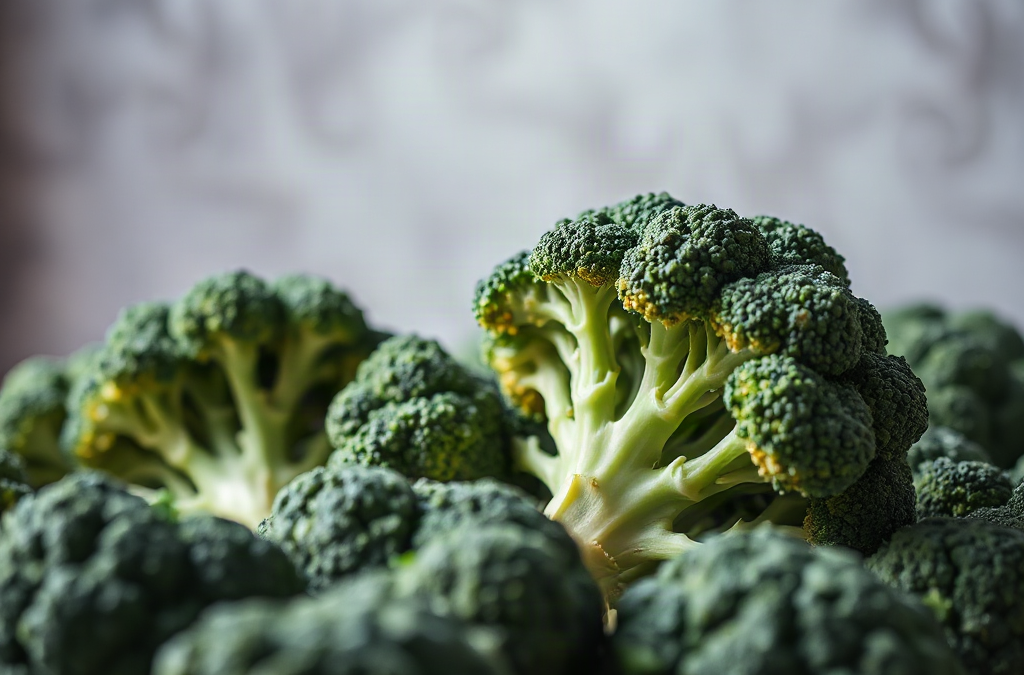
Broccoli preparation for nutrient retention works best when florets are cut shortly before cooking, allowed to rest briefly, and then steamed or microwaved with minimal water until bright green and tender-crisp. These methods limit the heat exposure and water contact that can reduce vitamin C, folate, and water-soluble phytochemicals. Chopping also activates myrosinase, an enzyme involved in forming sulforaphane from broccoli’s glucoraphanin. Avoid prolonged boiling, excessive soaking, and holding cooked broccoli warm for long periods; if boiling is necessary, shorten the cooking time and use the liquid in soup or sauce.
Why Does Preparation Change Broccoli’s Nutrients?
Broccoli responds differently to cutting, water, heat, and time because its nutrients do not all behave alike. Vitamin C and folate are sensitive to extended heating and can move into cooking water. Carotenoids are less vulnerable to water loss, while some may become easier to release from softened plant tissue. Glucosinolates and the enzyme myrosinase introduce another consideration: preparation affects whether these naturally occurring compounds can interact before the enzyme is deactivated by high heat.

Myrosinase is stored separately from glucosinolates inside intact broccoli tissue. Cutting or chewing damages the plant cells and brings them together, helping form compounds that include sulforaphane. Heating intact broccoli immediately after cutting can reduce this enzyme activity before much conversion occurs. A brief rest after chopping gives the reaction time to begin, although the exact result varies with broccoli freshness, cut size, temperature, and cooking method. This is a food-preparation consideration, not evidence that broccoli treats or prevents a medical condition.
Water creates a separate route for loss. During boiling, soluble nutrients and compounds can migrate from the vegetable into the surrounding liquid. The longer broccoli remains submerged and the more water used, the greater the opportunity for leaching. The USDA Agricultural Research Service has examined retention factors for flavonoids in broccoli under domestic cooking conditions, reinforcing why the retained amount cannot be inferred from raw-food values alone. Cooking method, drained liquid, and final weight all affect what remains on the plate.
Heat is not simply harmful, however. Gentle cooking softens broccoli’s fibrous structure, may make it easier to chew, and can improve acceptance for people who dislike raw cruciferous vegetables. Cooking can also reduce bitterness and make a larger serving practical. A person who eats a generous portion of lightly steamed broccoli may obtain more useful nutrition than someone who leaves a raw serving untouched. Nutrient retention therefore needs to be balanced with digestibility, flavor, and the likelihood that the food will actually be eaten.
A common mistake is judging quality only by color. Bright green broccoli usually indicates limited cooking, but color cannot reveal how much vitamin C, folate, or glucosinolate remains. Likewise, olive-colored, very soft broccoli signals extended heat exposure but does not mean the vegetable has become nutritionally empty. The practical priority is to avoid unnecessary water and prolonged cooking while choosing a texture that suits the meal.
How Should Broccoli Be Cut and Rested?
Cut broccoli into evenly sized pieces so that the stems and florets finish cooking at roughly the same time. Large florets can stay firm at the center while small pieces become soft, encouraging cooks to extend the heating time for the entire batch. Florets around bite size are usually manageable, while thick stalk sections benefit from peeling and thin slicing. The stalk is edible and provides fiber and micronutrients, so discarding it wastes a substantial part of the vegetable.
Wash broccoli under cool running water before cutting, then drain it well. Long soaking is unnecessary for routine cleaning and increases contact with water. If the head contains visible soil, separate it into large sections, rinse the crevices, and shake or spin off excess moisture. Cutting on a clean board after washing also reduces the chance that contaminants from raw meat or other foods will reach broccoli intended for light cooking.
After chopping, letting the pieces stand for approximately 30 to 40 minutes before high-heat cooking may allow myrosinase to begin converting glucoraphanin. This waiting period is most relevant when broccoli will later be cooked enough to deactivate the enzyme. It is not a requirement for making broccoli nutritious, and busy cooks should not treat it as a reason to skip the vegetable. Even a shorter interval while the rest of the meal is prepared is a practical option.
A workable preparation sequence is:
- Rinse and drain: Clean the head without leaving it immersed for an extended period.
- Separate the parts: Cut uniform florets, peel tough stalk skin, and slice the tender interior.
- Rest when practical: Leave chopped broccoli on the board while preparing the pan, protein, grain, or sauce.
- Cook only to the desired texture: Check early rather than relying entirely on a timer.
Very fine chopping increases the exposed surface area and may speed enzyme contact, but it also makes broccoli easier to overcook and creates more edges from which soluble compounds can escape. Coarse chopping is better for steaming or roasting; finer pieces suit quick stir-fries where contact with heat is brief. Frozen broccoli requires a different approach because it is commonly blanched before freezing. Its own myrosinase activity may be lower, but frozen broccoli remains a useful whole-vegetable choice and should not be dismissed as nutritionally worthless.
The failure sign to watch is uneven texture: mushy buds paired with tough stems usually mean the pieces were poorly matched. Correct that problem by slicing stems thinner, keeping florets larger, and testing both parts early. Uniformity reduces the need for extra cooking and improves nutrient retention without requiring specialized equipment.
Which Cooking Method Retains the Most?
Steaming and microwaving with little added water generally offer the strongest practical balance of short cooking time, limited leaching, and acceptable texture. A quick stir-fry is another useful choice, especially when broccoli is cut evenly and cooked only until crisp-tender. Boiling creates the most direct contact with water, while roasting avoids leaching but exposes the vegetable to dry heat for longer.
| Method | Water Contact | Practical Approach | Main Tradeoff |
|---|---|---|---|
| Steaming | Low | Cook over simmering water and check as soon as the color brightens | Oversteaming still extends heat exposure |
| Microwaving | Very low | Use a covered dish with only a small splash of water | Uneven pieces can develop hot, soft spots |
| Stir-frying | Low | Use small, uniform pieces and brief high heat | Large stems may remain tough |
| Roasting | None | Use moderate-size pieces and remove them when browned but still structured | Longer dry heating can reduce heat-sensitive nutrients |
| Boiling | High | Use the shortest workable time and retain the liquid when suitable | Soluble nutrients may enter discarded water |
For steaming, place similarly sized pieces in a basket above simmering water rather than allowing them to sit in it. Begin checking after a few minutes. A fork should enter the stalk with light resistance, and the buds should remain intact. If a lid is left on after the heat is turned off, trapped steam continues cooking the broccoli, so transfer it promptly to the serving dish.
Microwaving is often underestimated because it is associated with reheating rather than careful cooking. Yet its short duration and low water requirement can be useful for nutrient retention. Put damp broccoli in a microwave-safe covered dish, add only enough water to generate steam, and cook in short intervals. Stir or rearrange the pieces between intervals because microwave energy may heat the dish unevenly. The approach is failing if the lower florets collapse while the upper stems remain firm.
Boiling is not automatically a poor choice when the cooking liquid becomes part of the meal. Broccoli added near the end of a soup, curry, or pasta sauce may release soluble components into liquid that is consumed rather than drained. Blanching briefly before chilling can also preserve a firm texture for salads, although cooling broccoli in a large bowl of water introduces further water contact. Draining promptly is preferable to leaving it submerged.
Roasting trades minimal leaching for greater time at heat. It is worthwhile when browning makes broccoli more appealing, but blackened edges and dried florets indicate that cooking has gone beyond what is needed for flavor. Use enough oil to coat lightly rather than saturate the vegetable, spread pieces in one layer, and remove smaller florets first if the tray cooks unevenly. The best method is the one that minimizes unnecessary exposure while producing broccoli people will eat.
Storage, Reheating, and Serving Decisions
Freshness before cooking influences the starting nutrient level, so preparation cannot fully compensate for broccoli stored until it is yellowing or limp. Refrigerate unwashed broccoli in a breathable or loosely closed bag and use it while the stalks remain firm and the florets compact. Washing immediately before use limits excess surface moisture, which can encourage deterioration during storage. Minor softness does not make broccoli unusable, but strong odors, slime, or extensive decay are reasons to discard it.
Meal preparation creates a practical tension between convenience and repeated heat exposure. Cooking a larger batch once may be more realistic than preparing broccoli at every meal, but reheating the entire container several times subjects all of it to additional warmth. Divide cooked broccoli into meal-size portions, refrigerate it promptly, and reheat only the amount needed. Food-safety handling still takes priority over preserving every possible nutrient; do not leave cooked broccoli at room temperature for extended periods merely to avoid refrigeration.
Reheating should restore serving temperature without recooking the vegetable. A short microwave interval, brief toss in a warm pan, or addition to hot soup near the end usually works better than another full steaming cycle. Signs of excessive reheating include a sulfurous odor, collapsed florets, pooled liquid, and an olive-green color. These changes are useful kitchen signals even though they cannot measure nutrient content directly.
Serving choices can complement broccoli rather than trying to identify one perfect cooking technique. A small amount of fat from olive oil, tahini, nuts, seeds, or avocado makes the meal more satisfying and accompanies fat-soluble carotenoids. Pairing broccoli with beans, eggs, fish, tofu, poultry, or whole grains turns a side vegetable into part of a balanced plate. Seasoning with lemon, garlic, herbs, chile, or a yogurt-based sauce can increase appeal without requiring prolonged cooking.
When broccoli has been cooked thoroughly, adding a small amount of an uncooked myrosinase-containing food—such as mustard powder or finely chopped raw radish—may support glucosinolate conversion. This is an optional culinary tactic, not a reason to use large quantities or expect a guaranteed biological effect. Mustard also introduces flavor and may add sodium when used as a prepared condiment, so the choice should fit the dish and the eater’s needs.
A frequent misconception is that raw broccoli must be superior in every respect. Raw florets avoid cooking losses and retain active myrosinase, but they may be difficult for some people to chew or tolerate in a substantial portion. Light cooking can improve texture and meal acceptance while retaining many nutrients. Choose raw, lightly cooked, or reheated broccoli according to comfort and use, then focus on avoiding the preventable losses caused by soaking, overcooking, and discarding nutrient-containing cooking liquid.
Frequently Asked Questions
Is steaming broccoli better than boiling it?
Steaming usually limits nutrient loss because broccoli does not sit in water. Boiling can still be practical when it is brief or when the cooking liquid is consumed in soup, sauce, or stew.
How long should chopped broccoli rest before cooking?
A rest of roughly 30 to 40 minutes may allow myrosinase to act before high-heat cooking. This step is optional; short, gentle cooking remains useful when waiting is not practical.
Does microwaving destroy broccoli’s nutrients?
Microwaving with minimal water and a short cooking time can retain nutrients well. Problems arise when broccoli is cooked too long, submerged in water, or heated unevenly until parts become mushy.
Is frozen broccoli less nutritious than fresh broccoli?
Frozen broccoli is generally a worthwhile whole-vegetable option, although blanching before freezing can affect some heat-sensitive nutrients and enzymes. Its convenience may reduce waste and make regular use easier.
Should broccoli stems be eaten?
Yes. Peel away a tough outer layer when necessary, then slice the tender interior thinly so it cooks at the same rate as the florets. Stems work well in stir-fries, soups, and slaws.
Conclusion
Good broccoli preparation depends more on controlling time, water, and piece size than on finding a single flawless technique. Cut florets evenly, slice thick stems more thinly, and allow chopped broccoli to rest when the meal schedule permits. Steam, microwave, or stir-fry only until the vegetable reaches an appealing tender-crisp texture; reserve boiling for short cooking or dishes that retain the liquid.
Fresh storage and careful reheating also matter because nutrient-conscious cooking cannot undo deterioration or repeated overcooking. Portion leftovers before refrigeration and warm only what will be served. Raw broccoli remains an option, but lightly cooked broccoli may be easier to enjoy in a useful amount. Start by changing the highest-impact habit—such as replacing prolonged boiling with steaming—then refine cutting, resting, and reheating based on the equipment and meals you actually use.
Additional Resources
Authoritative Sources
- flavonoids in broccoli and calculation of retention factors
ars.usda.govBy X Wu · 2019 · Cited by 91 — The objective of this study was to evaluate the effects of domestic cooking on the structurally complex flavonoids in broccoli. For boiling, ...