
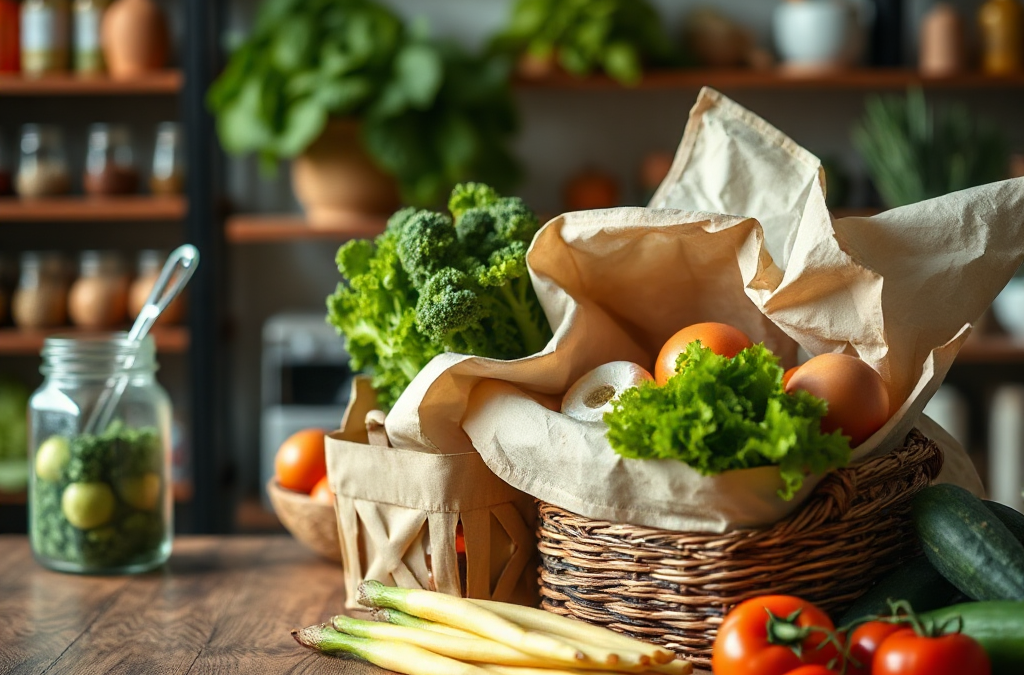
Plan an organic diet around your lifestyle by matching shopping, meal preparation, and organic purchasing priorities to your schedule, cooking access, budget, and nutritional needs. Choose a small group of organic staples first, build meals around vegetables, fruit, beans, whole grains, eggs, dairy, or other preferred proteins, and prepare components that can be reused across several meals. Organic certification describes production standards, not automatically higher nutrient content, so prioritize overall dietary quality rather than buying every item organic. A practical plan also includes frozen and minimally processed options, realistic restaurant or travel choices, and a review after two weeks to identify waste, missed meals, or unnecessary spending.
Match Organic Eating to Your Actual Routine
A workable organic diet begins with an honest picture of how you spend time, not with an idealized menu. Record when you usually eat, where food is prepared, how often you shop, and which meals are most likely to be skipped or replaced by takeout. A person who works from home may benefit from batch-cooked grains and vegetables, while someone commuting early may need portable breakfasts and shelf-stable snacks. The same grocery list will not serve both people well.
Separate fixed requirements from preferences. Fixed requirements might include a refrigerator at work, limited cooking equipment, food allergies, a household member’s different diet, or a weekly grocery budget. Preferences include buying seasonal produce, avoiding certain ingredients, or choosing certified organic versions whenever available. This distinction prevents a plan from treating every choice as equally urgent.

Use a simple weekly audit before purchasing food. Mark each day as home-based, office-based, travel-heavy, or unpredictable. Then assign meals that fit the setting. Overnight oats with organic milk or yogurt may suit a rushed morning, whereas a bean-and-vegetable bowl may work better on a day with access to a microwave. A packed lunch can use leftover roasted vegetables, brown rice, and eggs rather than requiring a separate recipe.
Many plans fail because they measure success by how impressive the menu looks instead of whether meals happen at the right time. Buying ingredients for elaborate dinners does little if evening fatigue leads to delivery. A shorter menu with repeatable components often performs better than a varied plan that creates excessive chopping, dishes, and waste. The useful test is whether the arrangement still functions during your busiest ordinary week.
For a more tailored starting point, compare your schedule with how to plan an organic diet around your lifestyle as a practical planning question rather than a demand for perfect compliance. Select two or three meals that already fit your routine, then improve their ingredient quality and balance before adding new habits.
Set Organic Priorities Without Losing Budget Control
Organic purchasing works best as a priority system, not an all-or-nothing test. Organic labels refer to production and handling standards; they do not mean that a packaged snack becomes nutritionally equivalent to beans, vegetables, fruit, or whole grains. Nutrient content can also vary with variety, ripeness, storage, and preparation. A sound plan therefore protects the overall pattern first and uses organic spending where it matters most to the household.
Start by listing foods you buy frequently. If your household eats apples, salad greens, milk, eggs, or oats every week, those items may be more logical organic priorities than an occasional specialty product. Next, compare price differences and serving frequency. A modest premium on a frequently used staple may have more practical relevance than a large premium on a food eaten once a month.
Frozen organic vegetables and fruit can be useful when fresh produce spoils before it is eaten. They reduce the pressure to shop several times a week and can make a quick meal possible. Canned beans, tomatoes, and fish may also fit a budget-conscious plan, provided you check ingredients, sodium, added sugars, and allergen information. Organic status does not remove the need to read the nutrition facts panel or ingredient list.
A useful priority order is:
- Cover regular meals with vegetables or fruit, protein foods, and satisfying carbohydrate sources.
- Choose organic versions of frequently consumed staples when the price fits the budget.
- Use conventional alternatives rather than dropping a nutritious food entirely when the organic price is prohibitive.
- Limit spending on highly processed products simply because their front label says organic.
The common mistake is assuming that a completely organic cart is automatically the healthiest cart. A less expensive meal of lentils, frozen vegetables, and whole grains may provide a stronger nutritional foundation than a costly basket dominated by organic crackers and sweetened drinks. USDA FoodData Central can help compare the nutrient profiles of foods, while label reading clarifies what a product actually contains. Keep a running total as you shop, and choose a substitution before the budget is exceeded rather than abandoning the plan at checkout.
Build Meals That Survive Busy Days
Meal structure makes an organic diet easier to maintain because it reduces the number of decisions required at the point of hunger. Instead of assigning seven distinct recipes, prepare a few interchangeable components: one or two proteins, cooked grains or potatoes, washed produce, and a sauce or seasoning mixture. These parts can become bowls, wraps, salads, soups, or simple plates without demanding identical meals all week.
For example, cook organic chickpeas or use a low-sodium canned option, roast carrots and cauliflower, and prepare quinoa. On one day, combine them with greens and a lemon-tahini dressing. On another, place them in a whole-grain wrap with yogurt and herbs. The ingredients remain familiar, but the format changes enough to reduce menu fatigue. A household that eats meat can use the same approach with chicken, eggs, or fish while keeping beans available as a lower-cost alternative.
Plan around the meal most likely to fail. If breakfast is rushed, make that meal portable instead of spending planning energy on a detailed weekend dinner. If late meetings disrupt dinner, keep a freezer meal or fast pantry combination available. A practical emergency meal might include canned beans, organic frozen vegetables, microwaveable brown rice, and salsa. It may not resemble a restaurant dish, but it prevents hunger from determining the entire evening.
Portion and storage choices matter as much as recipes. Divide cooked food into meal-sized containers, label the date, and place the earliest-to-eat items where they are visible. Keep delicate greens separate from wet ingredients so they remain usable. If you repeatedly discard one ingredient, buy less, switch to frozen, or use it in a planned second meal. Waste is both a financial problem and evidence that the plan does not match the household’s rhythm.
A rigid menu can appear disciplined but often breaks after one missed meal. A component-based plan is more forgiving: move lunch to dinner, freeze a portion, or swap vegetables according to availability. The goal is not unlimited flexibility; it is enough flexibility to absorb ordinary disruptions without turning one change into a week of unplanned eating. The lifestyle-based organic diet plan should make the next reasonable meal obvious.
Handle Restaurants, Travel, And Imperfect Weeks
Organic eating outside the home requires a decision rule rather than a demand for complete control. Restaurants may not identify every ingredient’s production method, and travel limits refrigeration, preparation, and brand choice. Focus on the parts you can assess: a meal’s vegetables, protein, whole-food carbohydrates, portion size, sauces, and preparation method. Asking whether a dish contains a particular allergen is different from assuming that every ingredient is organic.
Before a long day away, pack foods that tolerate the conditions. Fruit, unsalted nuts, roasted chickpeas, whole-grain crackers, and a sandwich can bridge the gap between meals. For a hotel stay, identify whether a refrigerator, microwave, or nearby grocery store is available. Yogurt, hard-boiled eggs, washed fruit, and a salad kit may be more realistic than transporting ingredients that require full cooking equipment.
At a restaurant, a grilled or baked protein with vegetables and a grain or potato is often easier to evaluate than a heavily composed dish with several unknown sauces. That does not make the meal automatically organic or universally better; it simply reduces uncertainty about ingredients and preparation. If an organic option is clearly offered and fits the budget, choose it. If not, eating a balanced meal is generally more useful than skipping food or selecting a highly processed item solely to preserve a label preference.
Travel exposes another weak assumption: that one conventional meal invalidates the entire effort. A sustainable pattern is defined by repeated choices, not a perfect record. On returning home, avoid compensating with extreme restriction. Resume the normal shopping list, use any food that remains safe, and adjust quantities if the trip revealed that you routinely overbuy.
People with food allergies, kidney disease, diabetes, pregnancy-related nutrition needs, or prescribed dietary restrictions should adapt this approach with a qualified clinician or registered dietitian. Organic certification does not make a food safe for a specific medical condition, and it does not replace guidance about nutrients, medication interactions, or food handling.
Review The Plan And Correct What Fails
Evaluate the plan after two ordinary weeks using evidence from your kitchen rather than guilt. Check which meals were prepared, which foods spoiled, how often takeout replaced planned food, and whether the grocery bill matched your limit. Also notice practical signals: steady access to meals, adequate fullness, acceptable variety, and enough time for cooking and cleanup. These observations reveal whether the problem is food selection, timing, quantity, storage, or an unrealistic workload.
If breakfasts disappear, prepare them in batches or move calories to a meal that reliably occurs. If vegetables remain unused, purchase smaller quantities or choose frozen versions. If organic meat consumes too much of the budget, alternate it with organic beans, lentils, eggs, or other preferred proteins. If the household rejects leftovers, cook components in smaller batches and change their format the next day.
Keep the plan narrow enough to repeat but broad enough to supply different nutrients. A weekly rotation might include leafy greens, orange or red vegetables, fruit, legumes, whole grains, nuts or seeds, and protein foods selected for the household. Variety can occur across the week; every plate does not need to contain every food group. CDC and other public-health nutrition resources can provide general pattern guidance, but individual energy and nutrient needs vary.
The most useful correction is usually one operational change at a time. Altering the shopping day, adding a freezer backup, or preparing one extra component may solve the failure without replacing the entire menu. Avoid judging the plan by whether every purchase is organic. Judge it by whether it consistently delivers nourishing food, respects budget and time, and reduces decisions during difficult parts of the week.
Frequently Asked Questions
Does every food in an organic diet need to be organic?
No. Prioritize foods you eat often and keep the overall pattern rich in vegetables, fruit, legumes, whole grains, and suitable protein foods. A conventional option may be reasonable when the organic version is unaffordable or unavailable.
How can I plan organic meals with little time to cook?
Use batch-cooked components, frozen produce, canned beans, quick whole grains, and portable breakfasts. Prepare one protein, one carbohydrate, and two vegetables rather than several complete recipes.
Are organic foods always more nutritious?
No. Organic certification concerns production standards, while nutrient content depends on the food, variety, storage, and preparation. Compare the whole meal and the ingredient list rather than relying on the label alone.
What should I buy organic first?
Begin with frequently eaten staples that fit your budget, such as milk, eggs, oats, apples, greens, or other household favorites. Do not replace a nutritious food with a less nutritious product merely because it carries an organic label.
How do I stay consistent while traveling?
Pack durable snacks, identify refrigeration or grocery access, and choose meals with visible vegetables, protein, and simple sides. A balanced meal that is not entirely organic is usually more practical than skipping food.
Conclusion
A lifestyle-compatible organic diet is built through prioritization, not perfection. Begin with the meals your schedule can reliably support, then select organic versions of frequently used foods where the added cost makes sense. Keep frozen produce, pantry proteins, and quick grains available for disrupted days, and prepare components that can serve more than one meal. Review waste, spending, missed meals, and cooking effort after two weeks; those details show what needs changing more clearly than a rigid ideal. Organic certification should inform purchasing, but it should not overshadow variety, food quality, safety, or medical nutrition needs. Make one practical adjustment at a time until the plan remains useful during both well-organized weeks and ordinary hectic ones.
Huge Discount on the Best Certified Organic Nutrient Dense Supplement!

Additional Resources
Authoritative Sources
- Food Shopping and Meal Planning
nutrition.govUse these resources for meal planning and grocery shopping to help you stick to your budget and eat healthy at home.
- Strategies for Eating Well on a Budget - The Nutrition Source
nutritionsource.hsph.harvard.eduPlan out a few meals · Consider meatless meals · Purchase foods and snacks that are satiating and filling · Don't shop on an empty stomach · Allow for flexibility ...


