
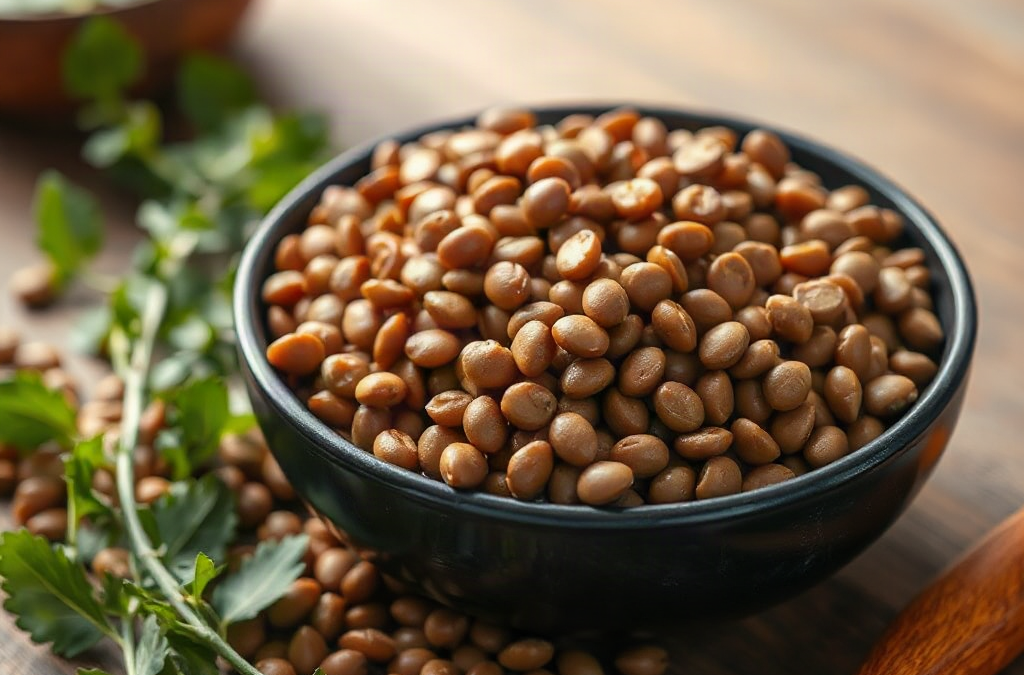
Organic lentils for high-fiber meal planning work best when cooked in batches, portioned across varied dishes, and increased gradually to match digestive tolerance. Their combination of fiber, plant protein, iron, folate, and complex carbohydrates makes them useful in soups, grain bowls, salads, and tomato-based sauces. Rinsing dry lentils, checking for debris, and simmering them until tender improves both texture and meal consistency. Pairing them with vegetables, whole grains, herbs, and a source of vitamin C creates more varied meals, while sudden large servings may cause gas or bloating. Organic certification affects farming and handling standards, but it does not by itself make lentils higher in fiber than conventional lentils.
Why Lentils Fit High-Fiber Meal Planning
Lentils are unusually efficient planning ingredients because one cooked batch can support several different meals without requiring the same flavor profile each day. Green, brown, black, and red lentils differ in texture and cooking time, yet all provide fiber and plant protein in a compact, inexpensive food. Their fiber includes both soluble and insoluble components, which contribute to stool bulk and can slow the movement of carbohydrates through a meal. The exact nutrition varies with variety, serving size, and preparation, so portioning matters more than treating lentils as an unlimited health food.
A useful weekly pattern is to cook lentils once and divide them into portions for soup, a cold salad, a grain bowl, and a sauce. Brown or green lentils generally hold their shape, making them suitable for salads and skillet dishes. Red lentils soften quickly and can thicken dal, curry, or vegetable soup. Black lentils tend to remain firm and work well when a dish needs a more distinct bite. Choosing by texture prevents a common planning error: using a delicate red lentil where a firm salad lentil is needed, then compensating with excessive cooking or stirring.

Fiber goals should rise gradually rather than jump suddenly. A person accustomed to low-fiber meals may tolerate a modest lentil serving but experience gas after eating a large bowl alongside beans, bran cereal, and multiple raw vegetables. Water intake, total diet pattern, and individual digestive sensitivity all affect the experience. Lentils should be viewed as one contributor within a broader pattern that may include oats, berries, vegetables, nuts, seeds, and whole grains.
Organic status is a purchasing choice related to production standards, not a guarantee of a different fiber content. Conventional and organic lentils can both be nutritious. If organic certification matters to you, compare the package label and ingredient list, then choose the variety and package size that you will actually use. Organic lentils for high-fiber meal planning becomes more realistic when the ingredient fits your budget, cooking habits, and preferred meals.
Choosing, Rinsing, and Cooking Organic Lentils
Dry lentils reward a brief inspection before cooking. Spread them on a plate or tray and remove small stones, shriveled pieces, or plant debris, then rinse under cool running water. Lentils usually do not require soaking, although soaking may shorten cooking time for some varieties and can be convenient when preparing several legumes. Rinsing is the more practical minimum because it removes dust and loose surface material while allowing a quick quality check.
Start lentils in plenty of water or broth and add acidic ingredients, such as tomatoes, lemon juice, or vinegar, after the lentils have begun to soften. Acidic ingredients added too early may leave the skins firm and extend cooking. Aromatics such as onion, garlic, bay leaf, carrot, or celery can be added during the simmer, while salt can be used according to the recipe and personal preference. The reliable test is tenderness: a lentil should be soft enough to chew comfortably without collapsing unless the dish calls for a puree.
Different varieties require different handling. Brown and green lentils are dependable for batch cooking because they tolerate reheating and retain some structure. Red lentils can become creamy in a short time, so they are better for thick soups and spiced stews than for make-ahead salads. Black lentils often need a little more time and are useful in composed bowls where appearance and texture matter. The package directions provide the best starting point because age, harvest, and cooking equipment can change the timing.
Common failures usually come from treating every lentil as interchangeable. Overcooking firm varieties creates a soft filling that may be difficult to use in salads, while undercooking red lentils leaves an unpleasant graininess in a smooth soup. A practical batch method is to cook one variety plainly, cool it promptly in shallow containers, and season individual meals later. That approach offers more flexibility than heavily seasoning the entire pot for one recipe.
Building Balanced Lentil Meals Across the Week
A high-fiber meal is more useful when it is balanced for flavor, texture, and satiety rather than built around fiber alone. Lentils can supply substantial carbohydrate and plant protein, but the rest of the plate still benefits from vegetables, whole grains, healthy fats, and a source of acidity or fresh herbs. A lentil bowl with roasted carrots, brown rice, pumpkin seeds, and a lemon dressing has different textures and nutrients from lentil soup with whole-grain toast, even though both use the same cooked ingredient.
Pairing lentils with vitamin C-rich foods is a sensible meal-building choice because plant-based iron is absorbed differently from heme iron found in animal foods, and vitamin C may improve non-heme iron absorption in a mixed meal. Tomatoes, bell peppers, citrus, broccoli, and cabbage can add that role while also making the dish brighter. This is not a reason to promise a specific health outcome, and people with diagnosed anemia or other medical concerns should seek individualized advice rather than relying on a single food pairing.
Plan by function instead of repeating a recipe. Use firm lentils for a lunch salad, red lentils for a weeknight stew, and a seasoned mash for a spread or filling. A simple four-meal rotation might look like this:
- First meal: green lentils with cucumber, parsley, roasted peppers, and a grain.
- Second meal: red lentil soup with carrots, tomatoes, and whole-grain bread.
- Third meal: warm lentils with sautéed greens, mushrooms, and a yogurt or tahini dressing.
- Fourth meal: lentil tacos or lettuce cups with cabbage, avocado, and salsa.
The alternative to this structured rotation is cooking a large, strongly spiced pot and eating it repeatedly. That can reduce effort, but flavor fatigue may leave leftovers unused. A neutral batch with separate sauces, herbs, and vegetables often has greater practical value. Organic lentils for high-fiber meal planning should prioritize meals you can assemble quickly, not an ambitious menu that depends on several perishable ingredients.
Portions, Digestion, Storage, and Common Mistakes
Portion size is the main control for fitting lentils into a high-fiber routine. Begin with a serving that feels comfortable, especially if legumes are uncommon in your diet, and increase only when digestion remains settled. A meal containing lentils plus onions, cauliflower, whole grains, seeds, and a large raw salad may be nutritious but difficult for some people to tolerate. The issue is often the combined fiber and fermentable carbohydrate load rather than lentils alone.
Gas or bloating does not automatically mean lentils are unsuitable. It may indicate that the serving rose too quickly, the lentils were undercooked, or the overall meal contained several gas-producing ingredients. Try a smaller portion, cook the lentils until fully tender, and change one ingredient at a time so you can identify the likely trigger. Persistent, severe, or medically concerning digestive symptoms deserve professional assessment rather than repeated dietary experimentation.
Storage affects both safety and convenience. Cool cooked lentils promptly, keep them refrigerated in covered containers, and use them within a reasonable refrigerator window based on your food-safety practices. Freeze portions if the weekly plan is uncertain. Shallow containers cool more evenly than a deep, hot pot. Marking containers with the variety and date prevents the common failure of forgetting what was cooked and allowing leftovers to become an afterthought.
Another weak assumption is that canned lentils are automatically a poor choice. Canned lentils can be valuable when time is limited; drain and rinse them if you want to reduce surface liquid, sodium, or a canned flavor. Dry lentils usually offer lower packaging volume and more control over texture, while canned lentils offer speed. Choose dry for planned batch cooking and canned for a meal that would otherwise become takeout or rely on a low-fiber convenience food.
A Practical Weekly Lentil Plan
A workable plan begins with the meals already missing from your week. If lunches are the problem, cook firm lentils and prepare a dressing separately. If dinner is the pressure point, red lentils may be more useful because they turn into a fast soup or curry with pantry vegetables. The best variety is therefore determined by the next three meals, not by a general claim that one type is healthiest.
Use this sequence for a manageable batch:
- Choose the use: select green or brown lentils for intact portions, red lentils for soft dishes, or black lentils for a firm bowl.
- Inspect and rinse: check for debris and rinse before adding water or broth.
- Cook plainly: simmer until tender, then cool and divide into meal-sized containers.
- Add contrast: vary sauces, vegetables, herbs, grains, and toppings instead of seasoning every portion identically.
- Review the result: note whether texture held, portions felt comfortable, and leftovers were used on schedule.
For example, Sunday cooking can produce four portions: two for a tomato-and-spinach dinner, one for a lemon-herb lunch salad, and one frozen for a later week. If that amount feels excessive, begin with two portions. A smaller successful batch is better than a large batch that becomes waste. Watch for signs the plan is working: meals are assembled with less effort, fiber is distributed across the day, and lentils replace rather than simply add to existing portions.
Adjust the plan when it fails. A watery batch may need stronger draining or a brief uncovered simmer; a mushy batch may be better repurposed into soup or spread; repeated digestive discomfort may call for smaller servings or professional guidance. Organic lentils for high-fiber meal planning works as a system only when the cooking method, storage arrangement, and menu variety match your actual schedule.
For nutrition details, food-safety guidance, and information about organic production, consult current resources from the USDA, the U.S. Food and Drug Administration, and university extension programs. Those sources can help you compare package labels, handle cooked legumes safely, and interpret nutrient information without assuming that organic status alone changes the basic nutrient profile.
Frequently Asked Questions
Do organic lentils contain more fiber than conventional lentils?
Not necessarily. Fiber depends mainly on the lentil variety, serving size, and preparation; organic certification concerns production and handling standards.
Which lentils are best for batch cooking?
Brown, green, and black lentils generally hold their shape better than red lentils, making them more versatile for salads, bowls, and reheated dishes.
Should lentils be soaked before cooking?
Soaking is usually optional. Inspecting and rinsing are practical minimum steps, while soaking may be useful when you want to shorten cooking time.
How can I reduce bloating from lentils?
Increase portions gradually, cook lentils until fully tender, drink fluids as appropriate, and avoid combining a large lentil serving with many other high-fiber foods at once.
Can canned lentils fit a high-fiber meal plan?
Yes. Canned lentils are a convenient option; draining and rinsing can improve flavor and may reduce surface sodium, depending on the product.
Conclusion
Organic lentils earn a place in high-fiber meal planning when they are treated as a flexible ingredient rather than a single-purpose health food. Select the variety according to the meals you intend to make, rinse and cook it to the correct texture, then divide the batch into portions that fit your appetite and schedule. Spread fiber across the day and increase servings gradually if legumes are new to your routine. Use vegetables, whole grains, herbs, and acidic ingredients to create balanced meals, while keeping canned lentils available for busy days. Organic certification may guide your purchasing values, but variety, preparation, storage, and consistency determine whether the food works in practice. Start with two or three planned portions, record what you enjoyed, and refine the next batch accordingly.
Huge Discount on the Best Certified Organic Nutrient Dense Supplement!