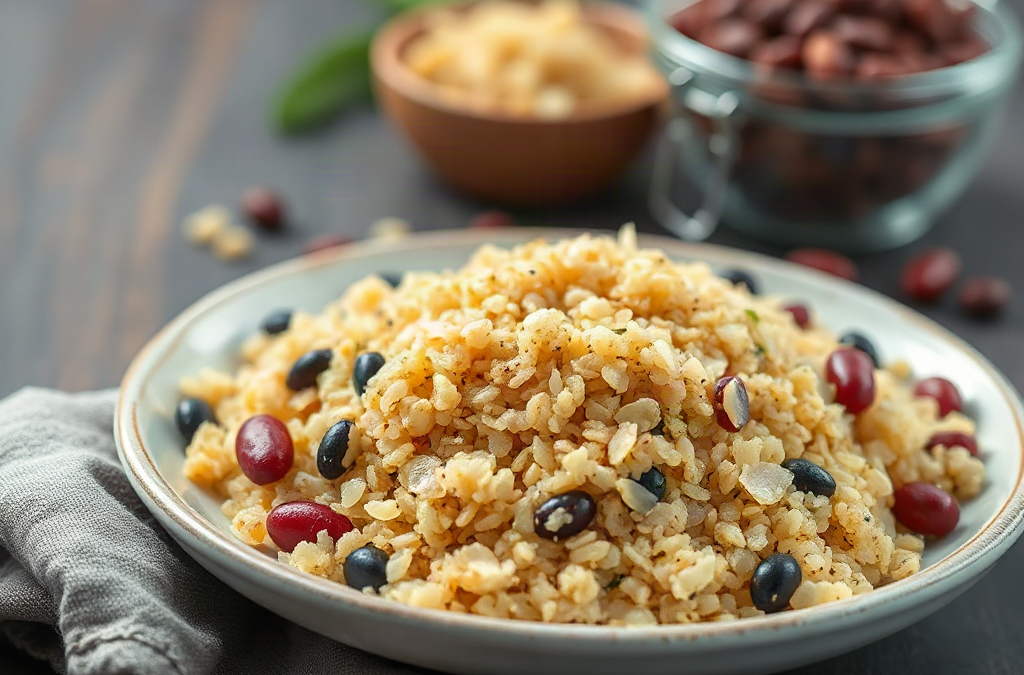
Organic quinoa preparation for complete plant protein depends on thorough rinsing, accurate water measurement, gentle cooking, and pairing the cooked grain with protein-rich foods such as beans, lentils, tofu, or seeds. Quinoa contains all nine essential amino acids, but a single serving is not automatically a high-protein meal, so portion size and the rest of the plate matter. Rinsing removes surface saponins that can create bitterness, while resting after cooking improves texture and reduces excess moisture. For a practical bowl, combine fluffy quinoa with lentils, roasted vegetables, pumpkin seeds, and a vitamin-C-rich dressing; people with kidney-related dietary restrictions should confirm portions with a qualified clinician.
Why Quinoa Counts as a Complete Plant Protein
Quinoa is a seed commonly prepared like a grain, and its protein profile includes all nine essential amino acids that the body cannot make on its own. That distinction makes it useful in plant-forward meals, particularly for people who want an alternative to rice, couscous, or refined pasta. It does not mean quinoa supplies as much protein as a large serving of tofu, tempeh, beans, or seitan. Its value is the combination of protein quality, fiber, minerals, and culinary versatility.
The phrase “complete protein” describes amino-acid coverage, not the total nutritional adequacy of a meal. A bowl containing a modest amount of quinoa may still be relatively light in protein if it is served with only vegetables. Adding lentils, chickpeas, edamame, tofu, hemp hearts, or pumpkin seeds raises the meal’s total protein and makes the result more substantial. The pairing is not required in the same bite for amino acids to be useful; variety across the day can contribute to a balanced intake.
Quinoa color also affects cooking characteristics more than its basic role in a meal. White quinoa tends to cook soft and fluffy, while red and black varieties often retain a firmer bite and may take slightly longer to become tender. Tri-color blends can cook unevenly because the seeds differ in texture. Choosing a variety based on the dish is more practical than assuming one color is nutritionally “best.”
A useful planning test is to ask what quinoa is replacing and what protein will accompany it. Replacing white rice with quinoa may add protein and fiber, but replacing lentils with quinoa alone could reduce the meal’s protein density. For a warm lunch, quinoa with black beans and peppers offers a different nutritional balance than quinoa with a small amount of greens. Readers seeking more meal-specific ideas can also use Organic quinoa preparation for complete plant protein as a starting point for comparing combinations.
Rinsing and Cooking Steps That Protect Texture
Rinsing quinoa under cool running water is the most useful preparation step because the seed’s outer coating may contain saponins, naturally occurring compounds that can taste bitter or soapy. Packaged quinoa is often pre-rinsed, but a brief rinse remains sensible when the label does not clearly say so or when the cooked result has tasted sharp in the past. A fine-mesh strainer prevents the small seeds from washing down the drain.
After rinsing, drain thoroughly rather than transferring a large amount of water into the saucepan. Excess water changes the cooking ratio and can produce a wet, broken texture. A common stovetop approach is to combine one part rinsed quinoa with roughly two parts water, bring it to a boil, then cover and simmer until the seeds are tender and their germ rings appear. Package directions may use a different ratio, so the product label should take priority when it conflicts with a general method.
Gentle heat matters. A vigorous boil can make the outside of the seed split before the center softens, while an uncovered pan loses water too quickly. Once the liquid is simmering, keep the lid on and avoid repeated stirring. Quinoa is usually ready when the liquid has been absorbed and the seed looks translucent with a small spiral-like germ visible around it. If the center remains crunchy, add a small splash of water and continue cooking briefly rather than discarding the batch.
Resting is part of the method, not an optional flourish. Let the covered quinoa sit for several minutes after removing it from the heat, then loosen it with a fork. This allows residual steam to finish softening the center and releases trapped moisture. For meal preparation, spread it in a shallow container so it cools more quickly before refrigeration. Cooking it in broth can add savory flavor, but it does not transform quinoa into a substantially higher-protein food; the beans, tofu, or seeds in the finished meal usually make the larger difference.
- For fluffy quinoa: rinse, drain well, use the package ratio, simmer covered, and rest before fluffing.
- For a firmer salad: avoid excess liquid and cool the cooked quinoa promptly after resting.
- For a softer bowl: use a little more liquid or cook briefly longer, checking the center before serving.
Building a Higher-Protein Quinoa Meal
Quinoa becomes a more useful plant-protein base when it is treated as one component of a plate rather than the entire protein strategy. The simplest formula is cooked quinoa plus a legume or soy food, vegetables, and a flavorful fat-based sauce. Lentils and black beans add substantial protein and fiber; tofu or edamame contributes a different texture; pumpkin, hemp, or sunflower seeds add concentrated nutrients but also increase calories quickly.
A practical lunch might combine quinoa, green or brown lentils, roasted broccoli, chopped tomatoes, and a lemon-tahini dressing. Another option is a breakfast bowl with quinoa, unsweetened soy milk, berries, and hemp hearts. For dinner, quinoa can accompany baked tofu, sautéed greens, and a peanut-lime sauce. These examples work because the additional protein source is visible and measurable rather than implied by the grain alone.
Pairing choices should match the eater’s priorities. Beans and lentils are economical and fiber-rich but may cause digestive discomfort when someone suddenly increases portions. Tofu and tempeh are convenient for a more protein-dense meal, though tempeh’s stronger flavor may not suit every recipe. Seeds are easy to sprinkle over food but can make a small serving calorie-heavy. A person managing energy intake may use seeds as a garnish and rely on legumes or tofu for the main protein contribution.
Flavor and texture also determine whether a preparation is repeated. Quinoa can taste dull when boiled in plain water and served without acid, herbs, or a sauce. Toasting dry quinoa briefly before adding liquid can produce a nuttier flavor, although it requires close attention because the seeds can scorch. A squeeze of citrus, chopped parsley, cumin, garlic, or a spoonful of salsa can make the grain more compatible with beans and vegetables without requiring a complicated recipe.
For an efficient weekly routine, cook a plain batch, cool it safely, and add seasonings when assembling different meals. This is more flexible than heavily seasoning the entire pot. Use one portion with chickpeas and cucumber, another with tofu and greens, and a third with lentils and roasted squash. The approach preserves variety while keeping the complete-protein concept grounded in actual meals.
Mistakes, Portions, and Practical Safety
The most common preparation failure is a bitter, wet batch caused by skipping the rinse, using too much liquid, or stirring aggressively. Bitterness points first toward surface saponins or a seasoning problem, while mushiness usually reflects excess water or prolonged cooking. Correcting the method is more reliable than masking the result with a heavy sauce. If quinoa is still watery after the seeds are tender, drain it and return it to the warm pan briefly with the lid off.
A second misconception is that “complete” means unlimited or automatically sufficient. Quinoa still contributes calories and carbohydrates, and its protein amount depends on the serving. People with higher protein needs may need a larger legume, tofu, or dairy-alternative component rather than simply adding more quinoa. The right portion also depends on the rest of the meal, appetite, activity, and any dietary guidance related to kidney function, digestive tolerance, or blood-glucose management.
Organic certification describes production standards, not a special cooking ratio or guarantee that the cooked food contains more protein. Organic quinoa should be rinsed and cooked with the same attention as conventional quinoa. Buying organic may reflect personal, environmental, or farming preferences, but preparation quality still depends on the seed, liquid, heat, storage, and accompanying ingredients.
Cooked quinoa should be cooled and refrigerated in a timely way rather than left at room temperature for extended periods. Store it in a clean, covered container and reheat only the amount needed. Discard it if it develops an unusual odor, slimy texture, or other clear signs of spoilage. A batch that will not be eaten soon can be frozen in meal-size portions, which reduces waste and makes a balanced bowl easier to assemble.
When deciding whether a quinoa-centered meal is working, check three signs: the seeds are tender without being waterlogged, the dish contains a recognizable protein partner, and the portion keeps hunger manageable until the next planned meal. If one of those is missing, adjust the cooking method or add beans, tofu, lentils, or seeds rather than assuming quinoa alone needs to carry the entire plate. More context on preparation choices is available through this organic quinoa preparation reference, including ways to adapt the grain for salads, bowls, and breakfasts.
For nutrition details, compare product labels with the USDA FoodData Central database and consult guidance from a registered dietitian when a medical condition or prescribed dietary limit affects protein, potassium, phosphorus, or fiber choices. University extension programs can also provide practical food-safety information for cooling and storing cooked grains.
Frequently Asked Questions
Does quinoa need to be rinsed before cooking?
Rinsing is recommended when the package does not specify that the quinoa is pre-rinsed. It can remove surface saponins that create a bitter or soapy taste.
Is quinoa by itself enough protein for a meal?
It may not provide enough total protein for every person or meal. Add lentils, beans, tofu, edamame, or seeds when a higher-protein plate is needed.
What is the best water ratio for quinoa?
A common starting point is one part quinoa to about two parts water, but package directions should take precedence because varieties and processing differ.
Why does my quinoa turn mushy?
Too much liquid, prolonged cooking, or insufficient draining after rinsing can cause mushiness. Use the label ratio, maintain a gentle simmer, and rest the quinoa covered before fluffing.
Can quinoa be cooked ahead for meal preparation?
Yes. Cool cooked quinoa promptly, refrigerate it in a covered container, and use clean utensils when portioning. Freeze meal-size portions if they will not be used soon.
Conclusion
Good quinoa preparation has two separate goals: produce a pleasant, fluffy seed and build a meal with enough total protein to match the eater’s needs. Rinse when necessary, drain well, follow the package liquid ratio, simmer gently, and rest before fluffing. Then pair the cooked quinoa with lentils, beans, tofu, edamame, or a measured amount of seeds instead of treating its complete amino-acid profile as proof that the grain alone is nutritionally complete for every situation. Organic labeling may guide purchasing preferences, but it does not replace sound cooking or balanced meal design. Try one simple combination, such as quinoa with black beans, vegetables, and a citrus dressing, and adjust portions based on hunger, tolerance, and any individualized dietary advice.
Huge Discount on the Best Certified Organic Nutrient Dense Supplement!

Additional Resources
Authoritative Sources
- Quinoa - The Nutrition Source
nutritionsource.hsph.harvard.eduPackaged quinoa is usually pre-rinsed but some brands may advise rinsing before cooking to remove any remaining saponins. Use a fine mesh strainer to catch the ...
- Cooking with Quinoa - Human Resources
hrs.byu.eduTo prepare quinoa just rinse and put one part quinoa to two parts water or stock into a pot along with a bit of salt. Bring the mixture to boil ...