
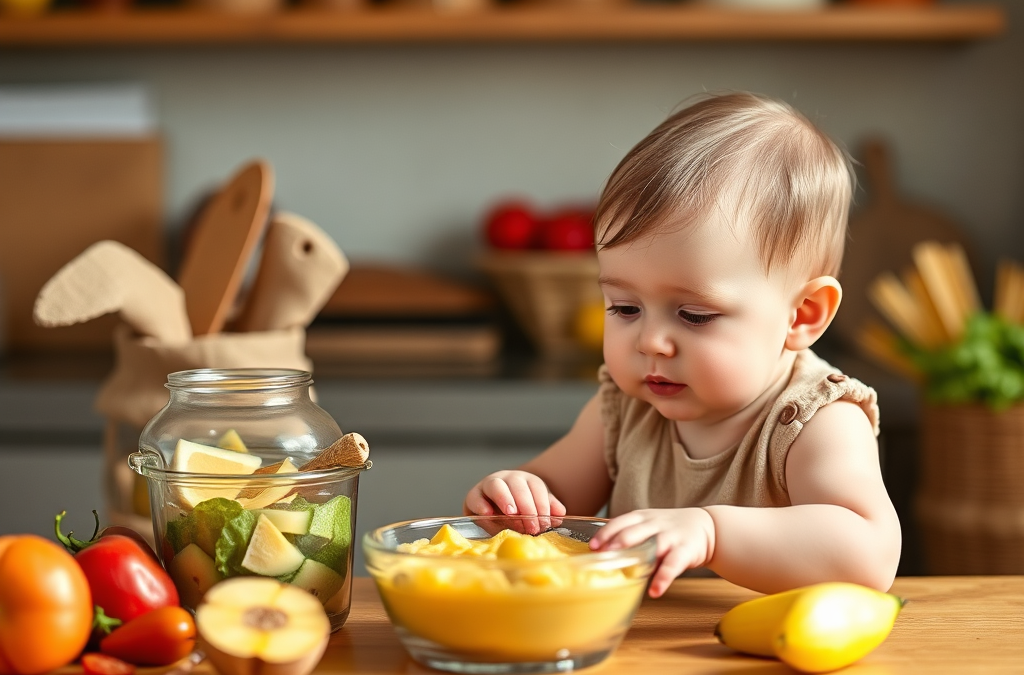
The benefits of organic baby food for infants include higher nutritional quality, reduced exposure to harmful pesticides, and improved digestive health. Organic baby foods are made from ingredients that are free from synthetic additives and chemicals, which can support a baby's overall development. Furthermore, these foods often contain more essential vitamins and minerals, promoting better growth and immune function. Choosing organic options can also contribute to a lower risk of allergies and sensitivities, making them a safer choice for your infant.
Nutritional Quality of Organic Baby Food
Organic baby food is often praised for its superior nutritional quality compared to conventional options. This is primarily because organic foods are grown without the use of synthetic fertilizers and pesticides, which can affect the nutrient profile of the food. Studies suggest that organic fruits and vegetables may contain higher levels of antioxidants, vitamins, and minerals. For instance, organic carrots can have more beta-carotene, a vital nutrient for vision and immune health.
Moreover, organic baby food brands often prioritize whole ingredients that are minimally processed. This means that the food retains more of its natural nutrients, making it a preferable choice for infants whose dietary needs are particularly high during their rapid growth phases. Parents should look for labels that indicate the food is made from 100% organic ingredients to ensure they are providing the best nutrition for their babies.

Nutritional Quality of Organic Baby Food matters because it turns the benefits of organic baby food for infants from a broad idea into a decision the reader can actually apply. The practical difference usually shows up in the details: how much is needed, when the choice is made, what tradeoff is acceptable, and what sign shows the approach is working. For nutrition topics, the strongest advice connects portion size, food quality, timing, and recovery instead of treating every meal as a fixed serving.
A useful way to handle this section is to compare the normal baseline with the situation that creates extra demand. If organic is the baseline concern, then food becomes the adjustment point and baby becomes the outcome to watch. That keeps the advice specific without forcing the reader into a rigid formula that may not fit their routine, budget, tolerance, schedule, or current level of experience.
The most common mistake is changing too many variables at once. A better approach is to choose one measurable adjustment, use it consistently long enough to see a pattern, and then refine the next step based on energy, comfort, performance, safety, or reliability. This makes the guidance easier to trust because the reader can connect the recommendation to what they observe rather than guessing from a generic checklist.
The practical takeaway is to make the section actionable: identify the main constraint, choose the smallest useful change, and compare the result against the goal. When the outcome improves, the reader can keep the approach. When it does not, the next change should target the most likely bottleneck rather than repeating the same step with more effort.
Reduced Exposure to Harmful Chemicals
One of the most significant benefits of organic baby food is the reduction in exposure to harmful chemicals. Conventional farming often involves the use of pesticides and herbicides that can leave residues on produce. These chemicals may pose health risks, especially for infants whose bodies are still developing. By choosing organic baby food, parents can minimize their infants’ exposure to these potentially harmful substances.
Additionally, organic baby food is free from artificial preservatives, colors, and flavors, which are common in many conventional products. This reduction in chemical exposure can lead to a lower risk of allergic reactions and sensitivities, which are particularly concerning for young children. Parents should consider reading ingredient labels carefully and opting for brands that emphasize their commitment to organic standards.
Reduced Exposure to Harmful Chemicals matters because it turns the benefits of organic baby food for infants from a broad idea into a decision the reader can actually apply. The practical difference usually shows up in the details: how much is needed, when the choice is made, what tradeoff is acceptable, and what sign shows the approach is working. For nutrition topics, the strongest advice connects portion size, food quality, timing, and recovery instead of treating every meal as a fixed serving.
A useful way to handle this section is to compare the normal baseline with the situation that creates extra demand. If organic is the baseline concern, then baby becomes the adjustment point and food becomes the outcome to watch. That keeps the advice specific without forcing the reader into a rigid formula that may not fit their routine, budget, tolerance, schedule, or current level of experience.
The most common mistake is changing too many variables at once. A better approach is to choose one measurable adjustment, use it consistently long enough to see a pattern, and then refine the next step based on energy, comfort, performance, safety, or reliability. This makes the guidance easier to trust because the reader can connect the recommendation to what they observe rather than guessing from a generic checklist.
Digestive Health Benefits
Organic baby food can also support better digestive health for infants. Many organic options are made with whole grains, fruits, and vegetables that are rich in fiber, which is essential for healthy digestion. Fiber helps to regulate bowel movements and can prevent constipation, a common issue among infants starting on solid foods.
Furthermore, organic foods are less likely to contain additives that can disrupt the gut microbiome. A healthy gut microbiome is crucial for overall health, as it plays a role in nutrient absorption and immune function. Introducing organic foods early on may help establish a healthier digestive system, supporting long-term health outcomes. Parents should consider incorporating a variety of organic fruits and vegetables to ensure their infants receive a broad spectrum of nutrients while promoting digestive health.
Digestive Health Benefits matters because it turns the benefits of organic baby food for infants from a broad idea into a decision the reader can actually apply. The practical difference usually shows up in the details: how much is needed, when the choice is made, what tradeoff is acceptable, and what sign shows the approach is working. For nutrition topics, the strongest advice connects portion size, food quality, timing, and recovery instead of treating every meal as a fixed serving.
A useful way to handle this section is to compare the normal baseline with the situation that creates extra demand. If organic is the baseline concern, then infants becomes the adjustment point and health becomes the outcome to watch. That keeps the advice specific without forcing the reader into a rigid formula that may not fit their routine, budget, tolerance, schedule, or current level of experience.
The most common mistake is changing too many variables at once. A better approach is to choose one measurable adjustment, use it consistently long enough to see a pattern, and then refine the next step based on energy, comfort, performance, safety, or reliability. This makes the guidance easier to trust because the reader can connect the recommendation to what they observe rather than guessing from a generic checklist.
Supporting Sustainable Farming Practices
Choosing organic baby food also aligns with sustainable farming practices that benefit the environment. Organic farming methods focus on maintaining soil health, reducing pollution, and promoting biodiversity. By purchasing organic baby food, parents contribute to a system that supports environmentally friendly agriculture.
Moreover, supporting organic farming can have positive implications for local economies. Many organic baby food brands source their ingredients from local farms, which can help strengthen community ties and reduce the carbon footprint associated with transporting food over long distances. Parents who prioritize organic baby food not only invest in their child’s health but also support a more sustainable and ethical food system.
Supporting Sustainable Farming Practices matters because it turns the benefits of organic baby food for infants from a broad idea into a decision the reader can actually apply. The practical difference usually shows up in the details: how much is needed, when the choice is made, what tradeoff is acceptable, and what sign shows the approach is working. For nutrition topics, the strongest advice connects portion size, food quality, timing, and recovery instead of treating every meal as a fixed serving.
A useful way to handle this section is to compare the normal baseline with the situation that creates extra demand. If organic is the baseline concern, then food becomes the adjustment point and baby becomes the outcome to watch. That keeps the advice specific without forcing the reader into a rigid formula that may not fit their routine, budget, tolerance, schedule, or current level of experience.
The most common mistake is changing too many variables at once. A better approach is to choose one measurable adjustment, use it consistently long enough to see a pattern, and then refine the next step based on energy, comfort, performance, safety, or reliability. This makes the guidance easier to trust because the reader can connect the recommendation to what they observe rather than guessing from a generic checklist.
Frequently Asked Questions
What are the key benefits of organic baby food?
Organic baby food offers higher nutritional quality, reduced exposure to harmful chemicals, and supports better digestive health.
Is organic baby food more nutritious than conventional baby food?
Many studies suggest that organic baby food can contain higher levels of essential nutrients and antioxidants compared to conventional options.
Are there any risks associated with feeding infants organic baby food?
Generally, organic baby food is considered safe; however, it's essential to ensure that the food is age-appropriate and free from allergens.
How can I identify high-quality organic baby food?
Look for products labeled as 100% organic and check for certifications from reputable organizations, such as the USDA.
What types of organic foods should I introduce first to my baby?
Start with single-ingredient organic purees of fruits and vegetables like sweet potatoes, bananas, or carrots to monitor for any allergic reactions.
Conclusion
Choosing organic baby food for infants provides numerous benefits, including higher nutritional value, reduced exposure to harmful chemicals, and support for digestive health. By selecting organic options, parents can ensure that their children receive wholesome and nutrient-rich foods that promote healthy growth and development. Additionally, supporting organic farming practices contributes to a more sustainable food system. As parents navigate their choices, understanding these benefits can lead to informed decisions that positively impact their child’s health and the environment.
Huge Discount on the Best Certified Organic Nutrient Dense Supplement!



