
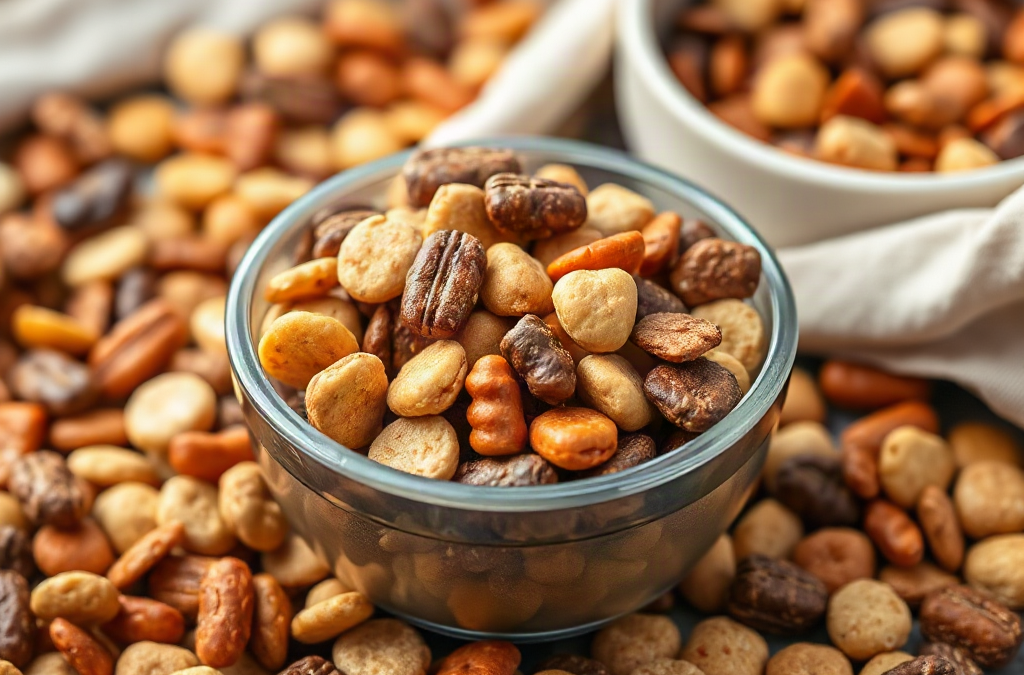
Trail mix portion control and added sugar limits work best when you measure about a small handful, check the serving size, and keep added sugar modest by comparing ingredient lists and Nutrition Facts panels. Nuts and seeds provide fat, protein, and calories in a compact volume, while chocolate, yogurt coatings, sweetened dried fruit, and syrups can raise sugar quickly. Pre-portioning mix into small containers prevents eating directly from a large bag, and pairing it with fresh fruit or plain yogurt can make a smaller amount more satisfying. People managing diabetes, dental concerns, or a medically prescribed eating pattern should use individualized advice rather than a universal limit.
Why Trail Mix Portions Become Easy to Misjudge
Trail mix is compact, energy-dense, and designed to be eaten by the handful, so visual estimates can be misleading. Nuts, seeds, coconut, and chocolate pieces occupy little space while supplying substantial calories. A bowl that looks modest may contain multiple package servings, particularly when the mix includes small pieces that are difficult to count or separate.
The first useful distinction is between portion and serving size. A serving size is the standardized amount shown on a package; your portion is what you actually choose to eat. They may match, but they do not have to. A person taking trail mix on a long hike may reasonably choose more than someone adding it to a desk snack, while either person benefits from knowing how much was poured.

Added sugar makes the portion problem harder because sweet ingredients can encourage continued snacking without making the container look fuller. Chocolate candies, honey-roasted nuts, caramel pieces, sweetened banana chips, and cranberries with added sugar may appear alongside unsweetened nuts, yet they change the mix’s sugar profile. A mix labeled “with fruit” is not automatically low in added sugar; dried fruit can contain naturally occurring sugars, added sugars, or both.
A practical starting point is to measure one planned portion into a small dish rather than eating from the bag. Compare that amount with the package serving size, then adjust for the occasion. If the mix is part of a meal or paired with another calorie-dense food, a smaller portion may make sense. If it replaces a snack during prolonged outdoor activity, a larger planned amount may be appropriate. The common mistake is treating one fixed portion as suitable for every activity, appetite, and meal context.
For more detail on trail mix portion control and added sugar limits, focus first on measurement and ingredient composition rather than relying on a handful that changes size from one day to the next.
How to Set a Practical Added Sugar Limit
Added sugar limits are easier to apply when you separate naturally occurring sugar from sugar added during processing. Plain nuts and seeds contain little or no sugar, while unsweetened dried fruit contains naturally concentrated fruit sugar. Ingredients such as cane sugar, brown sugar, corn syrup, honey, agave, molasses, glucose syrup, and confectioner’s coatings indicate that sweeteners were added.
The Nutrition Facts panel lists Added Sugars separately from total sugars on many packaged foods. That distinction matters: total sugars may include the sugar naturally present in fruit, while added sugars reflect sweeteners introduced into the product. The percentage Daily Value can help compare products, but it should not replace attention to the actual serving size. A package may contain several servings, and the listed sugar applies to one serving.
Rather than treating a single number as a universal prescription, use the label to decide how much of your overall eating pattern a trail mix portion should contribute. A mix with a small amount of added sugar may fit comfortably into a snack, whereas a heavily sweetened blend can consume much more of your daily allowance before other foods are counted. The exact choice also depends on whether the product is eaten alone, with a sweet beverage, or as part of a meal.
Ingredient order provides a quick screening tool. Ingredients are generally listed by weight, so sugar near the beginning suggests a sweeter formula. Several sweeteners appearing lower on the list can still add up. A product containing unsweetened raisins, almonds, pumpkin seeds, and a small amount of dark chocolate is different from one where sugar-coated fruit, candy, and sweetened cereal pieces dominate.
Common label mistakes include looking only at calories, assuming “natural” sweeteners do not count as added sugar, and comparing products without using the same serving amount. A better routine is to check serving size, added sugar, ingredient order, and the number of servings in the package. If the label is unclear or a health condition requires tighter carbohydrate management, a registered dietitian or clinician can help translate the label into an individualized plan.
Building a Lower-Sugar Trail Mix
A lower-sugar trail mix usually begins with unsalted or lightly salted nuts and seeds, then adds flavor through ingredients that do not depend on heavy sweetening. Almonds, walnuts, peanuts, pistachios, sunflower seeds, pumpkin seeds, and toasted soy nuts provide different textures and nutrient profiles. No single combination is mandatory; the useful principle is to make minimally sweetened ingredients the bulk of the mixture.
Dried fruit deserves a closer look because it can be nutritious and still raise total sugar quickly. Unsweetened raisins, apricots, apples, or dates contain concentrated fruit sugars because water has been removed. Smaller amounts can add chewiness and flavor without making fruit the dominant ingredient. Compare a mix with a few chopped unsweetened apricots to one built around sugar-coated cranberries; both may be described as fruit-forward, but their added sugar content can differ considerably.
Chocolate can fit, but it is often the ingredient that shifts a trail mix from lightly sweet to dessert-like. Use a measured amount of dark chocolate chips or chopped chocolate if desired, and check the added sugar on the label. Yogurt-covered pieces, candy-coated chocolate, caramel corn, and frosted cereal generally add sweetness without offering the same balance as nuts or seeds. They may be appropriate as occasional flavor components, but they should not quietly become most of the handful.
A simple homemade formula can make decisions easier:
- Base: mostly nuts and seeds for crunch and staying power.
- Fruit: a smaller amount of unsweetened dried fruit for chewiness.
- Flavor: spices such as cinnamon, cocoa, or a modest amount of unsweetened coconut.
- Sweet element: an intentionally measured portion of chocolate or another treat, if wanted.
This approach involves tradeoffs. Unsalted ingredients may taste less immediately satisfying, while heavily salted or sweetened mixes can encourage larger portions. Homemade mixing also requires attention to storage and allergies. Keep nuts and seeds in a sealed container, avoid cross-contact when sharing, and do not assume an organic label means low sugar or low calorie. Choosing a trail mix with a clear ingredient list remains more useful than judging the front-of-package claims.
A Portioning Routine That Works at Home and Away
Pre-portioning is the most reliable way to turn an abstract serving size into a repeatable habit. Use a measuring cup or kitchen scale when opening a new product, place the selected amount into small reusable containers or bags, and store the main package out of immediate reach. After several portions, the visual reference becomes more familiar, but periodic rechecking helps because different mixes have different densities and piece sizes.
Context should determine the final amount. A small portion may suit a midmorning snack alongside water or a piece of fresh fruit. A hike, long bike ride, or physically demanding day may justify more food, especially if trail mix replaces a meal component. Eating it with plain yogurt, whole fruit, or a sandwich can create a more substantial eating occasion than repeatedly grazing on mix alone. The relevant question is not whether trail mix is “healthy” in isolation, but whether the amount and composition fit the rest of the day.
A useful check-in has four steps:
- Read the package serving size and count the servings in the container.
- Measure the amount you intend to eat before beginning.
- Review added sugar and identify the main sweetened ingredients.
- Notice hunger, activity, and accompanying foods before deciding whether to adjust the portion.
Signs the routine is working include fewer unplanned refills, a portion that feels satisfying in its intended setting, and a mix whose sweetness does not dominate the snack. Signs it needs revision include eating directly from the bag, finishing several portions without noticing, or choosing a highly sweetened mix because the nuts alone feel unsatisfying. In that situation, changing the texture or pairing may work better than imposing a stricter rule. Add roasted seeds, toasted chickpeas, or a small amount of unsweetened coconut for variety, and keep a preferred sweet ingredient measured rather than forbidden.
Portion control should not become a reason to ignore genuine energy needs. People with high activity levels, children, older adults with low appetite, or anyone following a medically tailored eating plan may need different guidance. The goal is a deliberate serving that fits the occasion, not an arbitrary restriction. For a broader application, trail mix portion control and added sugar limits should be reviewed alongside the rest of the snack or meal.
Frequently Asked Questions
What is a practical portion of trail mix?
A practical portion is the amount listed as one serving on the package, often a small handful, but the best amount depends on the mix and the eating occasion. Measure it once instead of estimating from an open bag.
Does dried fruit count as added sugar?
Unsweetened dried fruit contains naturally occurring sugar concentrated by water removal, not necessarily added sugar. Check the ingredient list and Added Sugars line to distinguish plain dried fruit from sweetened fruit.
Is trail mix healthy if it contains chocolate?
Chocolate can fit into a balanced snack when it is a measured part of a mix based mostly on nuts and seeds. Compare added sugar and avoid assuming a dark chocolate or organic claim means the product is low in sugar.
How can I stop eating trail mix from the bag?
Read the serving size, portion the mix into a bowl or small container, and put the larger package away before eating. Individual portions are especially useful for work, travel, and hiking.
Should people with diabetes avoid trail mix?
Not necessarily, but carbohydrate amounts, added sugar, total portion size, and personal treatment goals matter. Unsweetened nuts and seeds with a measured amount of fruit may be easier to fit into an individualized plan than candy-heavy mixes.
Conclusion
Effective trail mix portion control combines a measured amount with a deliberate look at added sugar. Begin by checking the serving size, then compare Added Sugars and the ingredient list rather than trusting words such as natural, wholesome, or fruit-based. Build the mix mainly from nuts and seeds, use dried fruit and chocolate as measured flavor components, and portion it before hunger or convenience takes over. The right amount depends on whether the mix is a small snack, part of a meal, or fuel for sustained activity. If a sweetened blend leads to repeated handfuls, change the product or pair it with a more filling food instead of relying on willpower alone. Individual medical needs should take priority over general portion rules.
Huge Discount on the Best Certified Organic Nutrient Dense Supplement!

Additional Resources
Authoritative Sources
- Daily Servings by Calorie Level
cdn.realfood.govLimited added sugars, Smaller portions may be appropriate for individuals with lower calorie needs, Added Sugar Limits. Added Sugar Limit Grain product 3⁄4 oz ...