
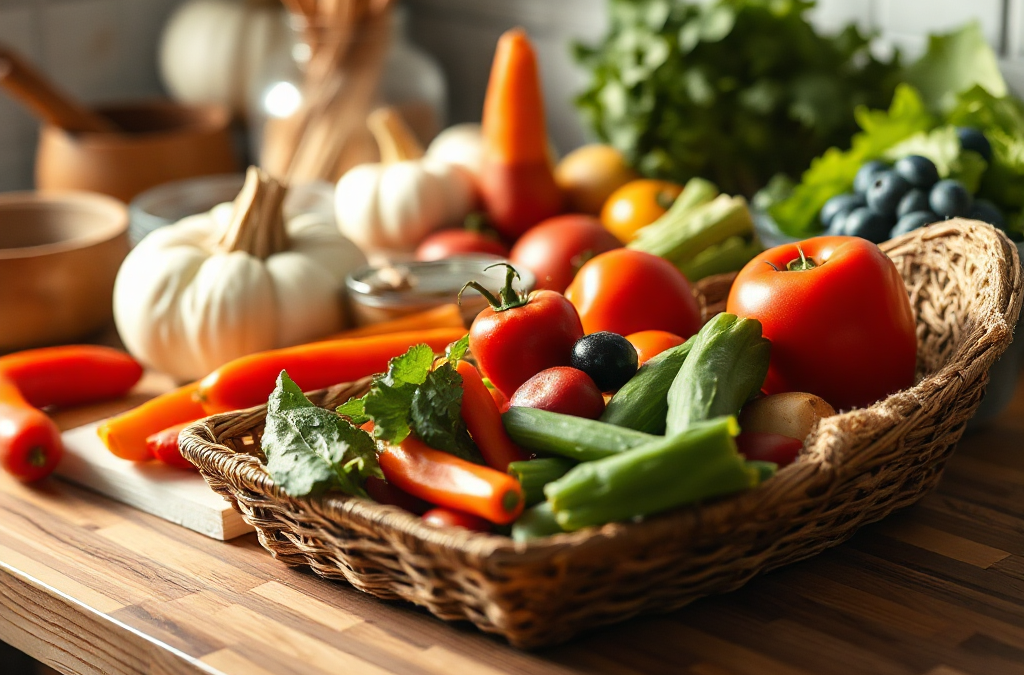
Preparing organic meals on a budget involves thoughtful ingredient selection, meal planning, and cooking methods that minimize waste. Focus on seasonal produce, buy in bulk, and utilize simple recipes that maximize flavor without excessive costs. Prioritize essential organic items and consider community-supported agriculture (CSA) options to lower expenses while enjoying fresh, organic food. This approach not only saves money but also supports local farmers and sustainable practices.
Understanding Organic Ingredients
Organic ingredients are grown without synthetic pesticides, fertilizers, or genetically modified organisms (GMOs), making them healthier choices for you and the environment. When preparing organic meals on a budget, it’s essential to understand which organic items provide the most nutritional value for your money. For instance, opting for organic fruits and vegetables that are on the Environmental Working Group’s “Dirty Dozen” list can help reduce pesticide exposure. Consider focusing on staple organic items like grains, legumes, and seasonal produce, which can often be more affordable and versatile in meal preparation.
Another key aspect is understanding the price differences among organic products. While some items may be more expensive, buying in bulk or choosing store brands can help mitigate costs. For example, purchasing organic rice or oats in larger quantities can lead to significant savings over time. Additionally, incorporating plant-based proteins such as beans and lentils can provide essential nutrients without breaking the bank.

Understanding Organic Ingredients matters because it turns prepare organic meals on a budget from a broad idea into a decision the reader can actually apply. The practical difference usually shows up in the details: how much is needed, when the choice is made, what tradeoff is acceptable, and what sign shows the approach is working. For nutrition topics, the strongest advice connects portion size, food quality, timing, and recovery instead of treating every meal as a fixed serving.
A useful way to handle this section is to compare the normal baseline with the situation that creates extra demand. If organic is the baseline concern, then meals becomes the adjustment point and budget becomes the outcome to watch. That keeps the advice specific without forcing the reader into a rigid formula that may not fit their routine, budget, tolerance, schedule, or current level of experience.
The most common mistake is changing too many variables at once. A better approach is to choose one measurable adjustment, use it consistently long enough to see a pattern, and then refine the next step based on energy, comfort, performance, safety, or reliability. This makes the guidance easier to trust because the reader can connect the recommendation to what they observe rather than guessing from a generic checklist.
The practical takeaway is to make the section actionable: identify the main constraint, choose the smallest useful change, and compare the result against the goal. When the outcome improves, the reader can keep the approach. When it does not, the next change should target the most likely bottleneck rather than repeating the same step with more effort.
Meal Planning for Budget-Friendly Organic Cooking
Effective meal planning is crucial for preparing organic meals on a budget. Start by creating a weekly meal plan that incorporates seasonal fruits and vegetables, which tend to be less expensive and more flavorful. By planning your meals around these ingredients, you can create a shopping list that minimizes impulse buys and reduces food waste.
Consider batch cooking and preparing larger portions of meals that can be stored and eaten throughout the week. This not only saves time but also allows you to make the most of your organic ingredients. For instance, cook a large pot of organic vegetable soup or chili that can be portioned out for lunches or dinners. This strategy helps in maximizing both your time and your food budget.
Meal Planning for Budget-Friendly Organic Cooking matters because it turns prepare organic meals on a budget from a broad idea into a decision the reader can actually apply. The practical difference usually shows up in the details: how much is needed, when the choice is made, what tradeoff is acceptable, and what sign shows the approach is working. For nutrition topics, the strongest advice connects portion size, food quality, timing, and recovery instead of treating every meal as a fixed serving.
A useful way to handle this section is to compare the normal baseline with the situation that creates extra demand. If organic is the baseline concern, then meals becomes the adjustment point and budget becomes the outcome to watch. That keeps the advice specific without forcing the reader into a rigid formula that may not fit their routine, budget, tolerance, schedule, or current level of experience.
The most common mistake is changing too many variables at once. A better approach is to choose one measurable adjustment, use it consistently long enough to see a pattern, and then refine the next step based on energy, comfort, performance, safety, or reliability. This makes the guidance easier to trust because the reader can connect the recommendation to what they observe rather than guessing from a generic checklist.
Cooking Techniques That Save Money
Utilizing cost-effective cooking techniques can significantly impact your overall food expenses. Methods such as steaming, roasting, and stir-frying not only preserve the nutrients in organic ingredients but also enhance their flavors without the need for expensive sauces or additives. For example, roasting seasonal vegetables in olive oil and herbs can create a delicious side dish that complements any meal.
Another money-saving cooking technique is to use leftovers creatively. Transforming leftover roasted chicken into a hearty organic salad or using excess grains in a stir-fry can help reduce waste and stretch your food budget further. Incorporating versatile cooking methods allows you to enjoy a variety of meals while keeping costs low.
Cooking Techniques That Save Money matters because it turns prepare organic meals on a budget from a broad idea into a decision the reader can actually apply. The practical difference usually shows up in the details: how much is needed, when the choice is made, what tradeoff is acceptable, and what sign shows the approach is working. For nutrition topics, the strongest advice connects portion size, food quality, timing, and recovery instead of treating every meal as a fixed serving.
A useful way to handle this section is to compare the normal baseline with the situation that creates extra demand. If organic is the baseline concern, then cooking becomes the adjustment point and meals becomes the outcome to watch. That keeps the advice specific without forcing the reader into a rigid formula that may not fit their routine, budget, tolerance, schedule, or current level of experience.
The most common mistake is changing too many variables at once. A better approach is to choose one measurable adjustment, use it consistently long enough to see a pattern, and then refine the next step based on energy, comfort, performance, safety, or reliability. This makes the guidance easier to trust because the reader can connect the recommendation to what they observe rather than guessing from a generic checklist.
Where to Shop for Affordable Organic Ingredients
Finding affordable organic ingredients requires knowing where to shop. Local farmers’ markets often offer fresh, organic produce at competitive prices, and purchasing directly from farmers can reduce costs significantly. Additionally, consider joining a community-supported agriculture (CSA) program, which provides seasonal organic produce at a lower cost than traditional grocery stores.
Discount grocery stores and online retailers often have competitive prices on organic items as well. Look for sales and promotions that can help you save money on organic products. Buying in bulk from warehouse stores can also provide significant savings, particularly for pantry staples. Lastly, keep an eye out for local co-ops or health food stores that may offer discounts for members.
Where to Shop for Affordable Organic Ingredients matters because it turns prepare organic meals on a budget from a broad idea into a decision the reader can actually apply. The practical difference usually shows up in the details: how much is needed, when the choice is made, what tradeoff is acceptable, and what sign shows the approach is working. For nutrition topics, the strongest advice connects portion size, food quality, timing, and recovery instead of treating every meal as a fixed serving.
A useful way to handle this section is to compare the normal baseline with the situation that creates extra demand. If organic is the baseline concern, then stores becomes the adjustment point and prepare becomes the outcome to watch. That keeps the advice specific without forcing the reader into a rigid formula that may not fit their routine, budget, tolerance, schedule, or current level of experience.
The most common mistake is changing too many variables at once. A better approach is to choose one measurable adjustment, use it consistently long enough to see a pattern, and then refine the next step based on energy, comfort, performance, safety, or reliability. This makes the guidance easier to trust because the reader can connect the recommendation to what they observe rather than guessing from a generic checklist.
Frequently Asked Questions
What are the best organic foods to buy on a budget?
Focus on seasonal fruits and vegetables, bulk grains, and legumes, as these tend to be more affordable and nutritious.
How can I save money while buying organic?
Plan meals around seasonal produce, buy in bulk, and shop at local farmers' markets or CSAs to save on costs.
Are organic frozen foods a good option?
Yes, organic frozen foods can be a cost-effective option, retaining nutritional value and often being cheaper than fresh organic produce.
Can I make organic meals in bulk?
Absolutely! Batch cooking organic meals can save time and reduce waste, allowing you to enjoy multiple meals from one cooking session.
What are some common mistakes when preparing organic meals?
Common mistakes include not planning meals ahead, overspending on unnecessary items, and not utilizing leftovers effectively.
Conclusion
Preparing organic meals on a budget is achievable with careful planning, smart shopping, and effective cooking techniques. Prioritize seasonal ingredients, utilize bulk purchases, and embrace meal planning to maximize your budget while enjoying the health benefits of organic foods. By following these strategies, you can create delicious, nutritious meals without overspending and support sustainable agriculture in the process.
Huge Discount on the Best Certified Organic Nutrient Dense Supplement!

Related Content
Further Reading
Authoritative Sources
- NIH Office of Dietary Supplements
ods.od.nih.govEvidence-based information on vitamins, minerals, supplements, and nutrition-related questions.
- USDA FoodData Central
fdc.nal.usda.govUSDA nutrient data for foods and ingredients used in nutrition decisions.
- Harvard T.H. Chan School of Public Health Nutrition Source
hsph.harvard.eduPublic health nutrition guidance and educational resources.