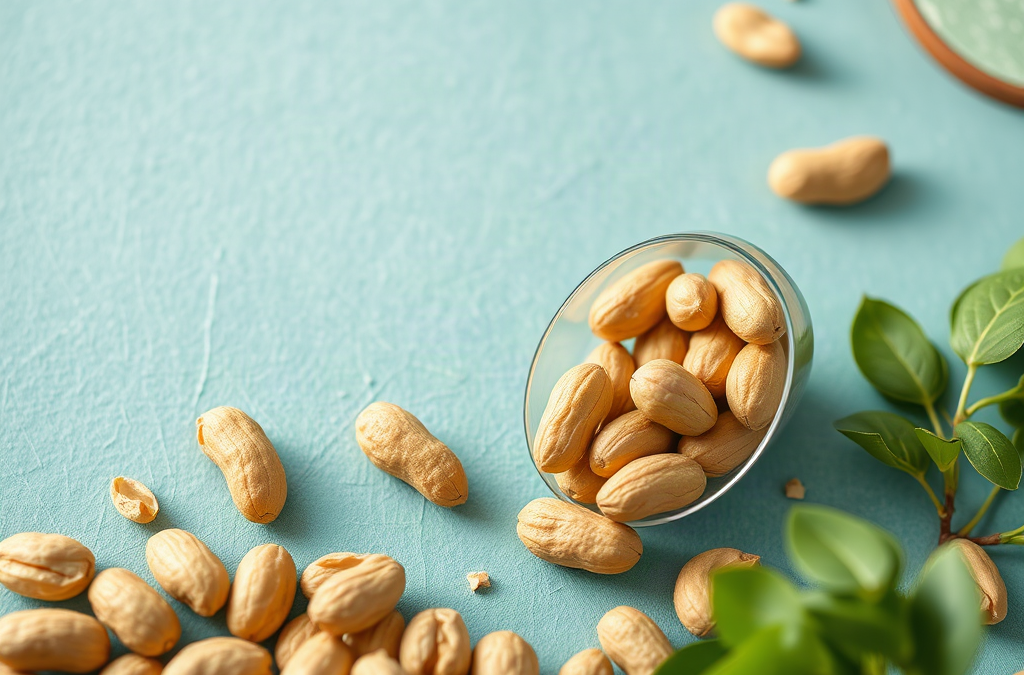
Organic peanuts make practical protein-rich snacks because they combine plant protein, unsaturated fat, fiber, and portability in a food that needs little preparation. Pairing peanuts with fruit, whole-grain crackers, yogurt, or vegetables can create a more balanced snack than eating a sweetened peanut product alone. Choose dry-roasted or raw organic peanuts with a short ingredient list, and compare serving size, added sodium, sugar, and allergy labeling before buying. Peanut snacks are energy-dense, so a measured portion is more useful than eating directly from a large container.
Why Organic Peanuts Work in Practical Snacks
Organic peanuts are useful snack ingredients because they deliver protein and fat in a compact, shelf-stable form. Their protein contributes to a more substantial snack, while fat and fiber can make the food feel more satisfying than a refined carbohydrate eaten by itself. That does not make peanuts a complete meal or a universal choice, but it explains why they fit well into packed lunches, desk drawers, travel bags, and quick breakfasts.
The word organic describes how the peanuts were produced and handled under applicable organic standards; it does not automatically mean lower calories, higher protein, or unlimited health value. A conventional peanut and an organic peanut can be nutritionally similar. The practical reasons to choose organic may relate to farming preferences, certification, ingredient expectations, or personal purchasing priorities. Nutrition decisions still depend on the product’s form, portion, and what accompanies it.
A useful comparison is a small handful of unsalted peanuts versus a flavored snack mix. The plain option gives the shopper clearer control over sodium and added sugar. The mix may add dried fruit, seeds, or cereal, but it can also contain candy pieces, sugary coatings, or more salt than expected. Neither format is automatically wrong; the better choice depends on whether the snack needs portability, stronger flavor, more carbohydrate, or tighter control of ingredients.
Peanuts also contain micronutrients and plant compounds, but broad wellness claims should not replace basic meal planning. Someone looking for a post-exercise snack may need carbohydrate alongside peanuts, while someone needing a light between-meal option may prefer a smaller portion. Use organic peanuts and practical protein-rich snacks as a building block rather than treating one ingredient as a nutritional solution.
Choosing Organic Peanuts Without Misreading the Label
The most useful label check is the ingredient list. For plain peanuts, a short list may contain only organic peanuts, or peanuts and salt. Dry-roasted products are often convenient because they need no pan or oven, while raw peanuts offer flexibility for roasting or blending. Oil-roasted varieties can have a different texture and flavor, but the added oil should be visible in the ingredient list rather than assumed to be insignificant.
Salt deserves attention because “protein-rich” says nothing about sodium. Unsalted peanuts are easier to use in sweet and savory combinations, and lightly salted peanuts may be more appealing to someone who otherwise will not eat them. Flavored varieties require closer inspection: honey-roasted, barbecue, cinnamon-coated, or chili-seasoned products may include added sugar, starches, oils, or substantial sodium. The organic seal does not remove the need to read those details.
Peanut butter requires a separate check. A simple product may contain peanuts and salt, whereas some spreads include added sugar, palm oil, or other stabilizers. Natural peanut butter can separate in the jar, so stirring and storage may be part of the tradeoff. A smoother spread may be easier for school lunches or quick toast, but texture and ingredient preferences matter more than marketing language such as “natural” or “clean.”
Storage condition is another buying factor. Choose containers with an intact seal, follow the package’s storage instructions, and avoid products with a stale, paint-like, or unusually bitter odor. Peanuts contain fat that can become rancid over time, especially when exposed to heat, air, or light. Buying a very large container is not economical if it remains open for months. A smaller package may reduce waste and preserve flavor for occasional snackers.
Peanut allergy is a non-negotiable safety issue. Anyone with a diagnosed allergy should avoid peanuts and products with uncertain cross-contact information according to their healthcare plan. Shared serving bowls and bulk bins can create uncertainty even when the peanuts themselves contain no extra ingredients.
Protein-Rich Snack Combinations That Hold Up in Real Life
Peanuts become more versatile when paired with foods that supply a different texture or nutrient profile. Fruit adds carbohydrate and moisture; plain yogurt adds another protein source; vegetables add crunch; and whole-grain foods make the snack more substantial for people facing a longer gap before the next meal. These combinations are not mandatory, but they solve a common problem: plain nuts may be too energy-dense for one person and not filling enough in volume for another.
For a portable option, pack a measured portion of organic peanuts with an apple, pear, or banana. The fruit provides an easy-to-eat carbohydrate source, while the peanuts add savory flavor and a denser component. For a refrigerator-based snack, spoon peanut butter into plain yogurt and add sliced fruit, checking the yogurt label if added sugar is a concern. The result is softer and more filling than peanuts alone, but it needs cold storage.
Other combinations suit different constraints:
- Desk snack: organic peanuts with whole-grain crackers and a piece of fruit.
- After-activity snack: peanut butter on whole-grain toast with banana slices.
- Savory option: peanuts sprinkled over sliced cucumber, edamame, or a small vegetable salad.
- Quick breakfast: oats with peanut butter, milk or a fortified alternative, and berries.
Peanut-based energy bites can be convenient, but recipes vary widely. Oats, peanut butter, ground flaxseed, and unsweetened dried fruit create a workable base, yet dates, syrups, chocolate chips, and coconut can turn a small bite into a concentrated sweet. Make small batches, refrigerate them when the recipe calls for it, and treat them as snacks rather than weight-for-weight substitutes for a balanced meal.
A common mistake is to call any snack containing peanuts “high protein” without checking the full portion. A thin spread of peanut butter on a sweet cracker may contain less protein than expected, while a large trail mix portion may provide more calories than the eater intended. Consider the time until the next meal, activity level, appetite, and access to refrigeration before selecting the combination.
Portions, Preparation, and Food-Safety Tradeoffs
Portioning matters because peanuts are compact and energy-dense. Measuring a serving into a small container gives a clearer stopping point than eating from a family-size bag. The appropriate amount varies with the rest of the day’s food and the person’s needs; a physically active adult may use peanuts differently from someone seeking a small office snack. The practical goal is deliberate serving, not rigid universal numbers.
Preparation affects convenience and flavor more than it changes the basic role of the food. Dry-roasting can intensify flavor and improve crunch, while raw peanuts can be used in homemade granola, sauces, or peanut brittle-style recipes. Homemade roasting also introduces a failure point: uneven heat can leave some nuts underdeveloped in flavor and others scorched. Stirring and watching closely near the end is more reliable than assuming a fixed time works for every oven and batch.
Peanut butter can be spread on toast, stirred into oats, blended into a smoothie, or thinned with water and seasonings for a sauce. A smoothie may be easier to consume quickly, but liquid calories can feel less satisfying than chewing whole peanuts and fruit. A sauce can make vegetables more appealing, yet added soy sauce or salty seasonings may raise sodium. Each format has a use case, and the best choice is the one that fits the person’s appetite and routine without hiding the portion.
Food handling should match the ingredients around the peanuts. Cut fruit, yogurt, and other perishable foods need appropriate cold storage and should not sit unrefrigerated for extended periods. Dry peanuts are simpler for commuting or emergency snacks. If a packed snack will stay in a warm car, choose shelf-stable components or use an insulated container with a cold pack.
Watch for signs that the approach is failing: the snack is consistently followed by hunger because it lacks volume or carbohydrate, the portion is difficult to control, or the product’s seasoning causes the eater to avoid other foods. The fix may be a different pairing, a smaller container, or plain peanuts instead of a coated variety—not necessarily eliminating peanuts altogether.
A Simple Peanut Snack Plan for Different Situations
The most workable plan begins with the setting. A snack for a long commute has different requirements from one eaten at home beside a refrigerator. Start by deciding whether the priority is portability, sustained fullness, recovery after activity, or a quick bridge between meals. Then select the peanut form and add one complementary food that addresses the missing feature.
For a no-refrigeration workday, portion organic peanuts into two small containers and pair one with fruit and the other with whole-grain crackers. At home, keep peanut butter available for toast, oats, or yogurt rather than relying on packaged bars. For children or shared households, use clearly labeled containers and review allergy procedures before bringing peanut foods into communal spaces.
A short decision checklist can prevent most avoidable mistakes:
- Read the ingredients: check for added sugar, oils, flavor coatings, and sodium.
- Match the format to the setting: dry peanuts travel better; yogurt combinations need refrigeration.
- Measure before eating: use a small jar or container instead of the open bag.
- Add the missing component: choose fruit for carbohydrate, yogurt for extra protein, or vegetables for volume.
- Review the result: adjust the portion or pairing if hunger, waste, or stale flavor keeps occurring.
Budget can influence the choice as well. A large bag may cost less per ounce, but smaller purchases can be sensible when storage is limited or consumption is occasional. Peanut butter may stretch across several snacks, while single-serve packets offer convenience at a higher packaging cost. Organic certification may also increase price; prioritize a product you can use consistently rather than buying a premium item that sits unopened.
For more ideas, compare organic peanut snack combinations with the foods already in your kitchen. A practical plan is not the one with the most elaborate recipe; it is the one that remains safe, appealing, portion-aware, and easy to repeat.
Frequently Asked Questions
Are organic peanuts higher in protein than conventional peanuts?
Not necessarily. Organic certification concerns production standards, while protein content depends mainly on the peanut and the serving size.
What is the simplest protein-rich snack using organic peanuts?
Pair a measured portion of plain organic peanuts with fruit, or spread peanut butter on whole-grain toast when refrigeration is unavailable.
Are flavored organic peanuts a healthy choice?
They can fit occasionally, but inspect added sugar, sodium, oils, and serving size because organic status does not limit those additions.
How should organic peanuts be stored?
Keep them sealed in a cool, dry place and follow the package directions. Refrigeration can be useful for longer storage, especially after opening.
Can people with peanut allergy eat peanut-based snacks?
No. People with peanut allergy should avoid peanuts and uncertain cross-contact according to their individualized medical guidance.
Conclusion
Organic peanuts earn a place in practical snack planning through convenience, protein, texture, and a long shelf life—not because the organic label makes every peanut product nutritionally equivalent. Choose plain or lightly seasoned options when you want control over sugar and sodium, inspect peanut butter ingredients, and protect freshness with sensible storage. Pair peanuts with fruit, whole grains, yogurt, or vegetables according to the gap the snack needs to fill. Measure portions before eating, especially with large bags and smooth spreads, and use cold storage for perishable combinations. People managing peanut allergy need strict avoidance and individualized guidance. A small set of well-chosen pairings can make this ingredient useful without turning it into a one-food solution.
Huge Discount on the Best Certified Organic Nutrient Dense Supplement!