
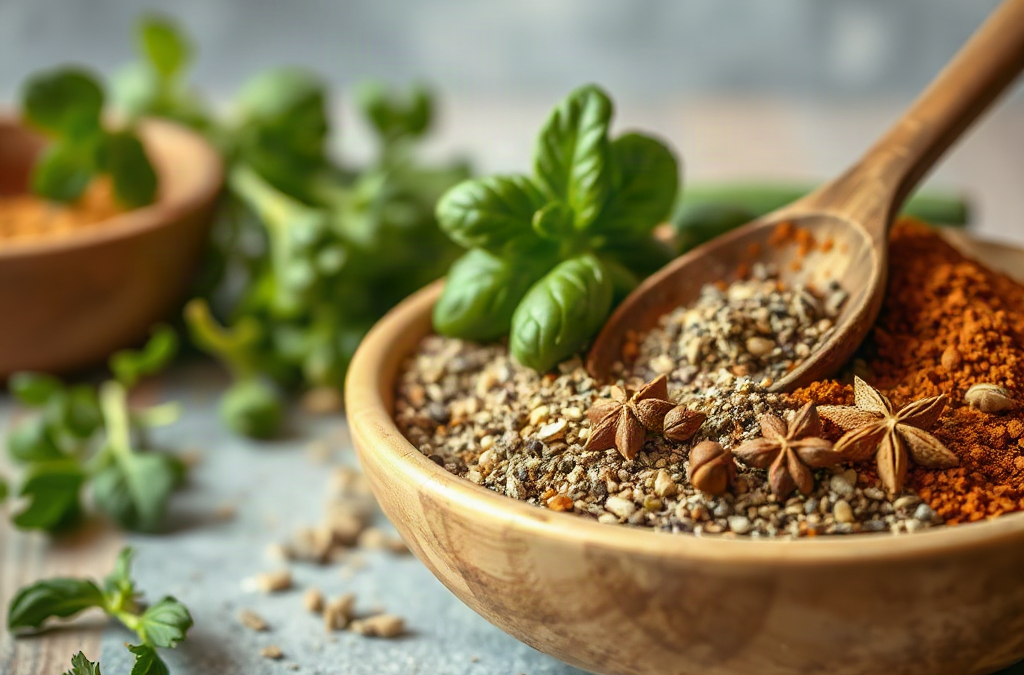
Fresh herbs and spices create nutrient-dense flavor by adding aromatic compounds, pigments, and small amounts of micronutrients without relying heavily on salt, sugar, or saturated fat. Use tender herbs such as basil and cilantro near the end of cooking, while adding sturdy herbs and whole spices earlier so heat can release their flavor. Toasting spices, crushing leaves, and briefly blooming seasonings in oil can intensify aroma, but prolonged heat may flatten delicate flavors. Pair seasonings with vegetables, legumes, whole grains, fish, eggs, or yogurt, and store them away from heat, moisture, and excess air to preserve quality.
What Herbs and Spices Contribute to a Nutritious Diet
Herbs and spices are most valuable as flavor tools that make minimally processed ingredients more appealing. Parsley can brighten lentils, cumin can give roasted carrots a deeper savory character, and cinnamon can make plain oats taste sweeter without added sugar. That influence on how food tastes may make vegetables, beans, whole grains, and other nutrient-rich staples easier to use consistently.
Fresh herbs generally come from leafy portions of plants, while spices commonly come from seeds, bark, roots, fruits, or flower parts. Both supply plant compounds responsible for their colors, aromas, and characteristic tastes. Parsley contains vitamin K and carotenoids; cilantro and basil provide pigments and aromatic compounds; paprika contributes carotenoids; and turmeric contains curcuminoids. The amount eaten in a serving is usually modest, however, so seasonings should complement rather than replace substantial sources of vegetables, fruit, protein, fiber, and essential nutrients.

The phrase “nutrient-dense flavor” can be misleading if it suggests that a teaspoon of seasoning transforms an otherwise limited diet. Its practical meaning is more grounded: herbs and spices add sensory complexity for very few calories and can reduce the need to obtain flavor primarily from salty sauces, sugary glazes, or large quantities of butter. They do not automatically make every dish healthy. A heavily salted seasoning blend or sugar-rich barbecue rub still contributes what its label lists, regardless of the herbs pictured on the package.
Whole-food context matters as well. Garlic, ginger, chile, and herbs used in normal culinary amounts may contribute useful plant compounds, but they should not be treated as cures or concentrated supplements. Research into isolated compounds does not necessarily predict the effect of an ordinary serving in dinner. Anyone managing a medical condition, taking medication, or considering concentrated herbal products should distinguish routine cooking from supplement use and seek qualified guidance where appropriate.
A reliable priority is to use seasoning to improve the foods that already carry most of the meal’s nutritional value. Try dill and lemon on salmon, oregano in a bean-and-tomato stew, or mint with peas and bulgur. A useful fresh herbs and spices for nutrient-dense flavor approach begins with the base ingredient, then chooses aromas that make its natural taste clearer rather than masking it.
How to Match Seasonings With Everyday Ingredients
Successful pairings balance the ingredient’s natural character with the strength of the seasoning. Mild foods such as eggs, yogurt, white beans, zucchini, and fish can be overwhelmed by large amounts of clove, rosemary, or smoked paprika. Earthier ingredients such as mushrooms, lentils, lamb, squash, and roasted roots can usually carry deeper, warmer seasonings.
Start by identifying whether a dish needs freshness, warmth, heat, earthiness, or a sweet aromatic note. Basil, mint, cilantro, chives, and parsley provide fresh top notes. Cumin, coriander seed, fennel seed, and black pepper contribute warmth or depth. Chile supplies heat, while cinnamon, cardamom, allspice, and nutmeg can suggest sweetness even in recipes with little or no sugar. Acidity from citrus or vinegar is not a spice, but it often makes herb flavors more distinct and prevents seasoned dishes from tasting dull.
A restrained pairing is easier to correct than a crowded one. For a tray of cauliflower and chickpeas, cumin plus coriander creates a warm base; parsley and lemon added after roasting provide contrast. Adding rosemary, cinnamon, dill, smoked paprika, and basil to the same tray would blur the flavor unless the recipe had been deliberately designed around that combination. Beginners usually get better results by choosing one dominant herb or spice, one supporting seasoning, and an acidic or fresh finishing element.
Use this compact pairing checklist when improvising:
- Leafy vegetables: garlic, chile, nutmeg, dill, or lemony herbs.
- Beans and lentils: cumin, coriander, oregano, thyme, sage, or smoked paprika.
- Whole grains: parsley, mint, turmeric, cardamom, or toasted cumin seed.
- Fish and eggs: dill, chives, tarragon, parsley, paprika, or black pepper.
- Fruit and plain dairy: cinnamon, ginger, mint, cardamom, or a small amount of nutmeg.
These are starting points, not fixed rules. Cilantro may taste unpleasantly soapy to some people, chile tolerance varies widely, and cultural food traditions use combinations more nuanced than a short chart can capture. Taste before serving and adjust in small increments. If a dish tastes harsh, more seasoning is rarely the first solution; salt may be excessive, spices may have burned, or the recipe may need acidity, moisture, or a cooling element such as plain yogurt.
For households with different preferences, season the shared base gently and place chopped herbs, chile flakes, pepper, and citrus at the table. This preserves flexibility without preparing separate meals and gives diners control over fragile aromas and heat.
Preparation Methods That Build More Flavor
Timing changes seasoning more than quantity often does. Aromatic compounds respond differently to heat, fat, water, crushing, and exposure to air. Applying every herb and spice at the beginning of cooking wastes delicate aromas, while adding every seasoning at the end can leave hard seeds raw-tasting and disconnected from the dish.
Whole cumin, coriander, fennel, and mustard seeds can be toasted briefly in a dry pan until fragrant, then cooled and ground. Toasting develops a rounder aroma, but the window between fragrant and scorched is short. Dark smoke, acrid odor, or blackened seeds indicate failure; discard them rather than mixing bitterness into the meal. Ground spices burn faster than whole ones and generally need gentler heat.
“Blooming” ground spices means stirring them briefly into warm oil before adding liquid. Fat distributes many aromatic molecules effectively, which helps cumin, paprika, turmeric, and chile flavor a pot of soup or beans more evenly. Keep the heat moderate and have the next ingredient ready. Paprika and garlic can become bitter quickly in an empty hot pan. If oil use is limited, spices can still be stirred into a moist mixture, although the aroma may be less rounded.
Sturdy herbs such as rosemary, thyme, sage, and bay tolerate longer cooking and suit braises, soups, roasted vegetables, and sauces. Tender leaves such as cilantro, basil, chives, dill, and mint retain more character when some or all are added close to serving. A tomato-and-white-bean soup, for example, can simmer with thyme, then receive parsley at the table. The first herb seasons the cooking liquid; the second restores freshness after prolonged heat.
Physical preparation matters too. Crushing dried oregano between the fingers releases aroma, grinding pepper just before use exposes fresh volatile compounds, and finely chopping rosemary prevents tough needles from dominating a bite. Basil bruises and darkens easily, so slice it shortly before serving with a sharp knife. Wash fresh herbs under cool running water, dry them thoroughly, and use clean cutting surfaces. Damp leaves dilute dressings and deteriorate faster in storage.
Salt should be evaluated separately from seasoning intensity. A dish can be highly aromatic yet appropriately moderate in sodium, especially when citrus zest, vinegar, garlic, toasted spices, or fresh herbs supply contrast. Conversely, commercial rubs, bouillon powders, and seasoning packets may contain substantial sodium even when herbs appear prominently on the label. Check the ingredient list and Nutrition Facts panel rather than assuming “herb seasoned” means low-sodium.
Signs the method is working include a distinct aroma before the first bite, recognizable layers rather than muddled heat, and a base ingredient that still tastes like itself. If the result is dusty, bitter, or flat, use fresher spices, shorten high-heat exposure, and reserve part of the herb garnish for the end. More powder will not repair stale or burned seasoning.
Buying, Storing, and Using Them Before Quality Fades
Buy herbs and spices according to how quickly your household will use them. A large container may have a lower unit price, but it is poor value if most of its aroma fades in the cabinet. Small jars or modest bulk-bin portions are more sensible for occasional ingredients such as mace, saffron, or specialty chile. Frequently used cumin, cinnamon, paprika, or black pepper may justify larger amounts.
Fresh herbs should look vibrant rather than slimy, yellowed, or badly wilted. A strong characteristic scent is useful, although not every packaged bunch can be handled before purchase. At home, remove damaged leaves and follow storage suited to the plant. Parsley and cilantro often keep well with trimmed stems in a jar containing a little water, loosely covered and refrigerated. Basil is sensitive to cold and may fare better at room temperature with its stems in water, away from direct sun. Refrigerated herbs stored in a barely damp towel inside a container need enough airflow to avoid trapped condensation.
Dried spices need protection from heat, light, moisture, and air. Keep tightly closed containers away from the stove, dishwasher steam, and sunny windows. Shaking a jar directly over a steaming pot introduces moisture and can cause clumping or deterioration; measure into a dry spoon instead. Whole spices generally retain useful aroma longer than pre-ground versions because less surface area is exposed, but they require a grinder or mortar and an extra preparation step.
Printed dates provide one quality clue, but aroma is the more practical kitchen test. Rub a small amount of a dried herb or ground spice between your fingers and smell it. A faint, papery, or dusty result means it will contribute little. Loss of aroma does not automatically mean the product is unsafe, but visible mold, insect activity, water damage, or an abnormal odor warrants disposal. Fresh herbs with slime or decay should also be discarded.
Reduce waste by planning several uses for each purchase. A bunch of cilantro can finish black beans, become part of a yogurt sauce, and garnish a grain bowl. Parsley can move from tabbouleh-style salad to eggs and soup. Extra chopped herbs can be frozen with water or oil in small portions for cooked dishes, though thawed leaves will not retain the texture needed for a fresh garnish.
An organized seasoning area makes fresh herbs and spices for nutrient-dense flavor easier to use routinely. Date newly opened jars, place frequently used seasonings within reach, and smell older containers before buying duplicates. Organic certification may matter to shoppers who prioritize particular production standards, but it does not guarantee stronger flavor or higher nutrient content. Freshness, storage, cultivar, growing conditions, and preparation all influence the final result, so assess quality rather than relying on a single label.
Frequently Asked Questions
Are Fresh Herbs More Nutritious Than Dried Herbs?
Neither form is universally more nutritious. Drying concentrates some components by weight but can reduce certain heat- or air-sensitive compounds. Choose fresh herbs for bright flavor and dried herbs for convenience, longer storage, and dishes that cook slowly.
When Should Fresh Herbs Be Added During Cooking?
Add sturdy herbs such as rosemary and thyme early enough to infuse the dish. Add basil, cilantro, chives, dill, and mint near the end or at serving to preserve their delicate aromas.
Can Herbs and Spices Replace Salt?
They can reduce dependence on salt by supplying aroma, heat, bitterness, and complexity, but they do not reproduce salt’s exact taste or technical role. Citrus, vinegar, garlic, and toasted spices can make a lower-sodium dish feel more complete.
Is Organic Seasoning More Nutrient-Dense?
Organic certification addresses production methods, not guaranteed nutrient levels or flavor strength. Freshness, variety, storage, growing conditions, and serving size all affect what a seasoning contributes.
How Can You Tell When a Dried Spice Is Too Old?
Crush or rub a small amount and smell it. If the characteristic aroma is weak, dusty, or nearly absent, replacement will usually improve cooking results. Discard any spice showing moisture damage, mold, insects, or an abnormal odor.
Conclusion
Build better flavor by matching seasoning strength to the main ingredient, using heat strategically, and preserving delicate herbs for the final stage of cooking. Keep combinations focused: one leading seasoning, a supporting note, and acidity often produce a clearer result than a crowded spice cabinet emptied into one dish. Buy quantities you can use while aromatic, protect dried seasonings from steam and heat, and plan several meals around each bunch of fresh herbs. Most importantly, treat herbs and spices as partners to vegetables, legumes, whole grains, fruit, dairy, eggs, fish, or other nourishing staples—not as substitutes for them. Choose one frequently prepared dish this week, adjust the seasoning method rather than merely increasing the amount, and note whether its aroma, balance, and appeal improve.
Huge Discount on the Best Certified Organic Nutrient Dense Supplement!

Related Content
- The Ultimate Guide to Probiotic and Prebiotic Foods: 10 Effective Tips for 2025
- The Ultimate Guide to 10 Effective Organic Superfood Blends for 2025
- The Impact of Organic Produce on Overall Health: Nutritional Benefits and Dietary Considerations
- Transform Your Metabolism with Natures Best: How Organic Nutrition Supports Metabolism
- Revive Your Health: Embrace The Whole Food Solution To Nutrient Deficiency for a Vibrant Life