
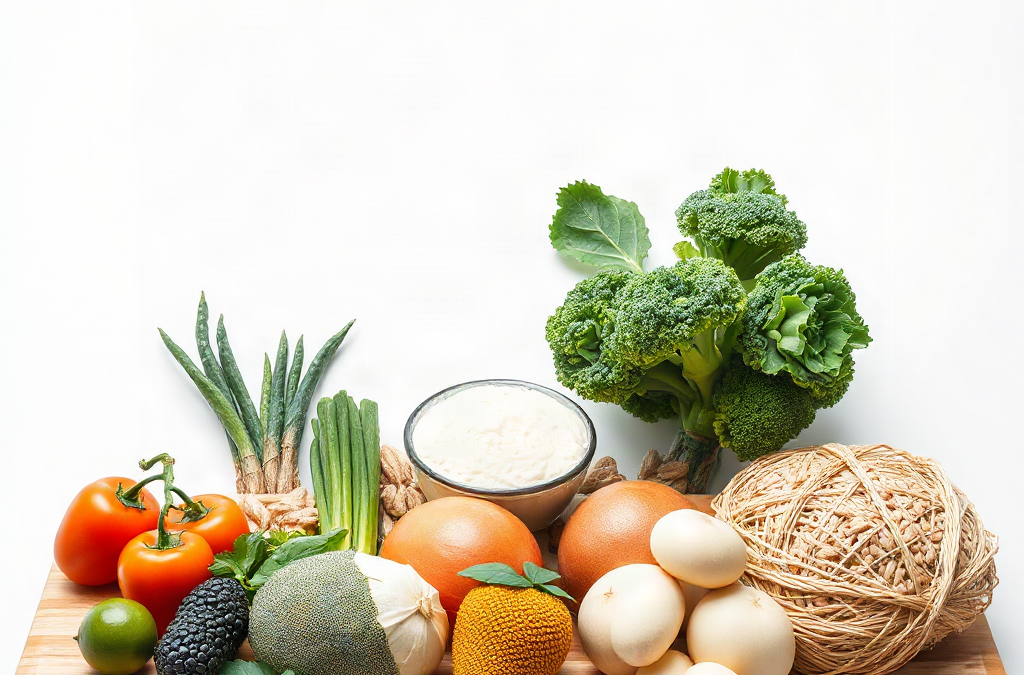
Organic nutrition for good health should prioritize a varied diet of vegetables, fruit, whole grains, legumes, nuts, seeds, and suitable protein sources rather than treating the organic label as proof of nutritional quality. Organic certification addresses production methods, while fiber, protein, unsaturated fats, vitamins, minerals, added sugar, sodium, and overall processing determine much of a food’s nutritional value. Choose organic items when they fit your budget and preferences, but do not sacrifice dietary variety or adequate intake to buy them. Compare ingredient lists, use safe food-handling practices, and build balanced meals consistently instead of relying on isolated premium products.
What Does the Organic Label Actually Mean?
An organic label describes how an agricultural product was produced and handled; it does not provide a complete assessment of its nutrient content. Standards differ by jurisdiction, but organic systems generally restrict certain synthetic inputs and establish requirements for production, recordkeeping, and certification. Those requirements can matter to shoppers who value particular farming practices, yet they should not be confused with a guarantee that every certified product is minimally processed, balanced, or appropriate for a person’s dietary needs.

The distinction becomes clear when comparing products within the same aisle. Organic plain oats supply whole-grain carbohydrate and fiber with no need for added sweeteners. An organic frosted snack made from refined flour may still contain considerable added sugar and little fiber. Both can comply with organic production rules, but they occupy very different nutritional roles. Certification answers a production question; the ingredient list and Nutrition Facts panel answer different questions about formulation and nutrient composition.
Comparisons between organic and conventionally produced versions also require perspective. Nutrient levels in plants can vary with variety, maturity, soil conditions, storage, transportation, and preparation. Production method is only one influence, and evidence does not support assuming that an organic version will always provide meaningfully more of every vitamin or mineral. A conventional orange does not become nutritionally unimportant because an organic orange is unavailable. Eating a suitable range of produce is generally a more useful priority than restricting variety based solely on certification.
Food safety remains relevant regardless of the production claim. Fresh organic produce can carry soil, microorganisms, or physical debris, so rinse it under running water before cutting or eating it. Perishable foods still require prompt refrigeration, separation from raw meat or seafood, and appropriate cooking. The organic seal does not replace safe handling, and washing does not turn spoiled produce into a safe choice.
A practical label check separates three decisions: whether the production standard matches your preferences, whether the food contributes useful nutrients, and whether the product fits the meal you intend to make. That approach prevents a common failure mode—paying more for an organic product while overlooking refined ingredients, excess sodium, added sugars, or an impractical serving size.
Which Nutritional Priorities Should Come First?
Dietary pattern matters more than the organic status of any single item. A strong foundation includes multiple plant groups, adequate protein, fiber-rich carbohydrates, sources of unsaturated fat, and enough total food to meet energy needs. Variety matters because no individual ingredient supplies every required nutrient. Leafy greens contribute folate and vitamin K, beans provide fiber and plant protein, dairy or fortified alternatives can contribute calcium, and nuts or seeds supply unsaturated fats and several minerals.
Start by correcting the largest nutritional gaps rather than replacing every pantry item at once. Someone who rarely eats vegetables gains little practical value from switching organic cookies for conventional cookies. Adding frozen spinach to pasta, beans to soup, or fruit to breakfast changes the nutrient profile more substantially. Once the basic pattern is sound, organic choices can be layered onto it according to cost, availability, environmental preferences, and taste.
Protein deserves deliberate attention because a meal can look wholesome yet provide too little of it to be satisfying. Eggs, fish, poultry, yogurt, tofu, tempeh, lentils, chickpeas, and beans are possible options, depending on dietary preferences. Plant-based meals work best when they include a recognizable protein source rather than relying on vegetables alone. For example, a bowl of brown rice and roasted vegetables becomes more nutritionally complete when lentils, tofu, or chickpeas are added.
Processing also requires nuance. Processing is not automatically harmful: freezing vegetables, pasteurizing milk, canning beans, grinding oats, and fermenting yogurt can make food safer, more convenient, or easier to store. The more useful question is what the processing adds or removes. Products dominated by refined starch, added sugar, sodium, or saturated fat may deserve a smaller role, even if every agricultural ingredient is certified organic. Conversely, frozen organic peas or canned organic beans with modest sodium can be practical staples.
Use this priority order when choices compete:
- Meet basic needs: obtain enough food, protein, and dietary variety.
- Emphasize nutrient-dense staples: select produce, legumes, whole grains, nuts, seeds, and appropriate protein sources.
- Check formulation: review added sugars, sodium, saturated fat, fiber, and the ingredient list.
- Consider certification: choose organic versions where they match your values and resources.
Signs that the pattern is working include meals that are satisfying, a wider range of plant foods, dependable protein sources, and purchases that are actually eaten. Frequent hunger, discarded produce, reliance on snack products, or a shrinking food budget indicate that the plan needs adjustment. Persistent fatigue, digestive symptoms, unintended weight change, or concerns about nutrient deficiencies warrant individual guidance from a qualified health professional rather than self-treatment through organic products.
How Do You Build Balanced Organic Meals?
Balanced meals are easier to assemble when each one has a produce component, a meaningful protein source, a fiber-rich carbohydrate when desired, and a modest source of fat. This is a flexible composition method rather than a rigid portion prescription. Appetite, activity, age, health conditions, culture, and access all affect suitable amounts, so a universal plate formula should not be treated as medical nutrition advice.
Breakfast might pair plain yogurt with oats, berries, and walnuts. A plant-based alternative could combine oatmeal, fortified soy beverage, ground flaxseed, and fruit. Lunch might include lentil soup, whole-grain bread, and a cabbage salad dressed with olive oil. Dinner could use roasted vegetables, brown rice, and tofu, fish, chicken, or beans. Any of these ingredients may be organic, but the meal’s structure remains useful when some are conventional.
Combining foods can improve practicality and enjoyment. A little fat in a meal helps carry flavor and accompanies fat-soluble nutrients found in vegetables, while beans and whole grains add fiber that slows eating and often increases fullness compared with refined snack foods. Pairing carbohydrate with protein and fat may also produce a more sustaining meal than eating a sweet product alone. These principles do not require complicated recipes or specialty powders.
A common mistake is equating a short ingredient list with complete nutrition. Olive oil has one ingredient but does not supply protein or fiber; plain rice can be useful but is not a balanced dinner by itself. Another error is adding multiple expensive “superfoods” while ordinary staples go unused. Organic lentils, carrots, oats, cabbage, peanut butter, and seasonal fruit can cover more everyday meal functions than a collection of concentrated powders.
Preparation should match the household’s actual schedule. If weeknight cooking time is limited, batch-cook a grain, prepare one protein, and keep two easy produce options available. A container of cooked quinoa, canned chickpeas, washed greens, and frozen vegetables can support several combinations without requiring a new recipe each night. Choose lower-sodium canned products when appropriate, or drain and rinse beans if sodium is a concern.
Assess the method by what happens over several weeks. A workable routine produces repeatable meals, manageable cleanup, limited waste, and enough flexibility for restaurant meals or busy days. A failing routine demands extensive preparation, depends on fragile produce, or leaves no affordable backup. Keep frozen vegetables, canned legumes, oats, nut or seed butter, and shelf-stable whole grains available so the plan does not collapse when fresh organic items run out.
How Can You Shop Within Your Budget?
A sustainable organic food budget begins with selective purchasing, not an all-or-nothing rule. Price differences vary by product, season, package size, and store. Decide which certified items matter most to your household, then protect enough money for dietary variety. Spending the entire produce allowance on a few premium items can reduce total fruit and vegetable intake, which is a poor trade when conventional options are accessible and acceptable.
Compare unit prices rather than package prices. A larger bag is economical only when the food can be stored and used before quality declines. Dry beans may cost less per serving than prepared beans but require soaking or longer cooking; canned beans cost more yet save time. Frozen produce can offer better value than fresh produce when only part of a fresh package would be eaten. The best option is the one that balances money, preparation time, storage space, and waste.
Organic versions of durable staples are often easier to manage than highly perishable purchases. Oats, brown rice, lentils, canned tomatoes, frozen vegetables, peanut butter, and seeds can wait for a planned meal. Delicate herbs or berries may spoil quickly unless they have a specific use. Before buying a large package, identify at least two meals that will use it and check available refrigerator or freezer space.
Marketing language can complicate decisions. Terms such as “natural,” “wholesome,” or “made with” do not necessarily communicate the same production requirements as a recognized organic certification. Read the full label rather than relying on package colors or farm imagery. For packaged products, compare similar serving sizes and examine the first ingredients, fiber, added sugars, sodium, and saturated fat. A cheaper conventional whole-grain product may better serve the meal than a costly organic refined product.
A simple shopping sequence keeps priorities visible:
- Plan several meals around ingredients already at home.
- List produce, protein, whole-grain, and pantry needs before optional snacks.
- Compare fresh, frozen, canned, and dried forms.
- Select organic versions where the price difference and production preference feel worthwhile.
- Store purchases promptly and move older items to the front.
Track waste for two weeks rather than guessing where money goes. If greens repeatedly wilt, buy a smaller quantity or substitute frozen spinach. If dry beans remain untouched, choose canned beans despite the higher unit cost. Budget success is visible when nutritious ingredients become meals instead of compost. Organic nutrition should expand useful choices, not create financial pressure or unnecessary food restrictions.
Conclusion
A sensible approach to organic eating keeps certification in its proper place. Use it to identify production methods that align with your preferences, then judge nutritional value through the type of food, ingredient list, nutrient profile, and role in the meal. Put reliable staples, varied produce, sufficient protein, fiber-rich carbohydrates, and practical preparation ahead of premium branding.
Begin with one week of meals rather than a complete pantry replacement. Note which ingredients are eaten, which spoil, where protein is missing, and where packaged products displace more useful options. Retain organic purchases that offer acceptable value and replace costly or wasted items with conventional, frozen, canned, or dried alternatives. Individual medical conditions, allergies, pregnancy, restrictive diets, or suspected deficiencies call for personalized advice from an appropriate healthcare professional.
Frequently Asked Questions
Is organic food always more nutritious?
No. Nutrient content varies with the food, variety, freshness, storage, and preparation. Organic certification concerns production methods, so compare the complete nutritional profile rather than assuming superiority.
Do all foods need to be organic for a healthy diet?
No. A varied eating pattern can include organic and conventional foods. Adequate produce, protein, whole grains, and other nutrient-rich staples should take priority over an all-organic rule.
Are organic packaged snacks healthy?
Certification alone does not make a snack nutritionally balanced. Check its ingredients, added sugars, sodium, saturated fat, fiber, and serving size just as you would for a conventional product.
Should organic produce be washed?
Yes. Rinse fresh produce under running water before cutting or eating it. Organic production does not remove soil, handling residue, or the possibility of microbial contamination.
Which organic foods are useful on a limited budget?
Prioritize foods you regularly use and can store, such as oats, lentils, beans, frozen vegetables, brown rice, or peanut butter. Compare unit prices and avoid bulk quantities likely to be wasted.