
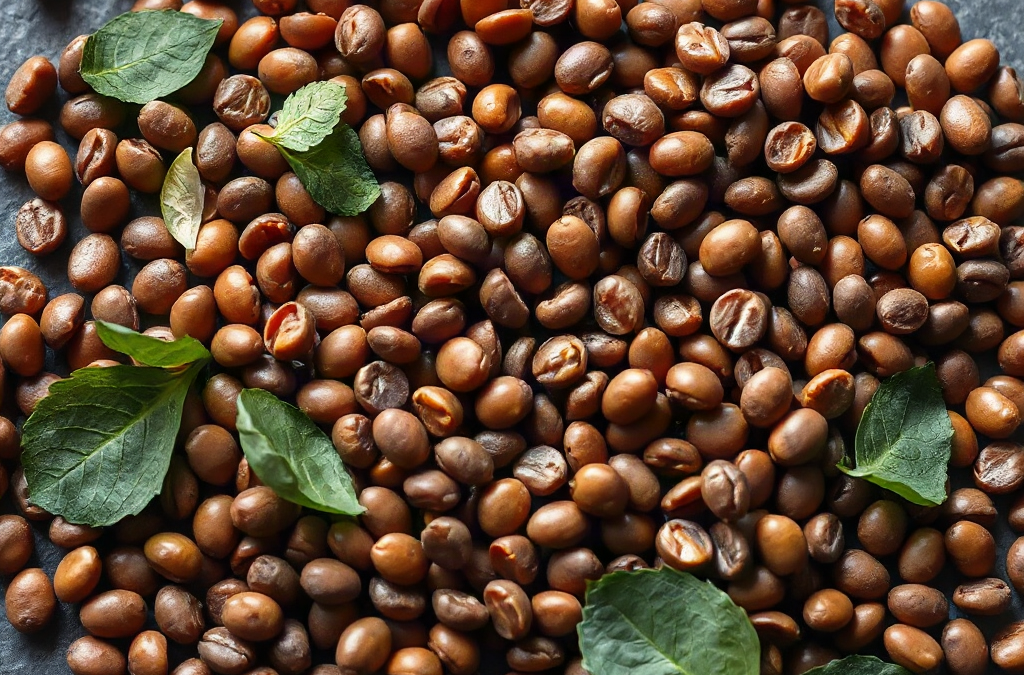
Organic lentils provide affordable nutrient density by combining plant protein, dietary fiber, folate, iron, potassium, and slow-digesting carbohydrate in one shelf-stable food. Dry lentils usually offer the lowest cost per serving, while canned lentils trade some savings for speed and convenience. Pairing them with vitamin C-rich foods such as tomatoes, peppers, or citrus may improve the usefulness of their non-heme iron. Choose certified-organic products when organic production matters to you, but compare unit prices because the label does not guarantee higher nutrient levels.
Why Do Lentils Deliver So Much Nutritional Value?
Lentils concentrate several useful nutrients into a small, inexpensive pantry ingredient. They supply plant protein and dietary fiber alongside folate, iron, potassium, magnesium, and carbohydrate. That combination makes them more nutritionally versatile than foods that contribute mainly starch or mainly protein. Their long shelf life also reduces the risk that a budget purchase will spoil before it can be used.

The practical value comes from how these components work together in a meal. Protein contributes to fullness and provides amino acids, while fiber slows digestion and adds bulk. Lentils contain complex carbohydrate rather than being a protein-only food, so they can serve as both a substantial base and a protein component. A bowl made with lentils, vegetables, and a modest amount of grain can therefore cover more nutritional roles than plain pasta or rice alone.
Lentils are not a complete replacement for every food, however. Like other legumes, they are relatively low in some essential amino acids compared with animal proteins. Eating them within a varied diet that includes grains, nuts, seeds, dairy, eggs, or other protein sources can provide a broader amino acid pattern. Those foods do not need to be combined in exact proportions at every meal for most healthy adults.
Their iron also requires context. Lentils contain non-heme iron, which the body generally absorbs less readily than heme iron from meat. Serving lentils with tomatoes, sweet peppers, broccoli, citrus, or another vitamin C source may support non-heme iron absorption. Tea and coffee consumed with an iron-focused meal may reduce absorption for some people, so those with diagnosed iron deficiency should seek individualized advice rather than assuming that a single food will correct it.
A common mistake is judging lentils only by grams of protein. Their broader value lies in the combined contribution of fiber, minerals, folate, energy, storage stability, and meal flexibility. Someone comparing a bag of lentils with a protein powder, for example, is comparing two different products: the powder may concentrate protein, but whole lentils supply intact carbohydrate and fiber while functioning as a meal ingredient.
Digestive tolerance is another realistic constraint. A large serving may cause gas or discomfort in people who rarely eat legumes because gut microbes ferment some of their carbohydrates. Starting with a smaller portion, eating lentils regularly, and increasing gradually may be easier than beginning with a large bowl. Red lentils also cook down into a soft texture that some people find easier to incorporate into soups and sauces.
Does Organic Certification Change Lentil Nutrition?
Organic certification describes how lentils were produced and handled; it should not be treated as a guarantee of greater nutrient content. Variety, soil, growing conditions, storage, age, processing, and cooking can all affect the finished food. Organic and conventionally grown lentils remain the same basic type of nutrient-dense legume, so a buyer should not assume that the more expensive package automatically supplies more protein, iron, or folate.
The organic label may still have clear value when production practices are part of the purchasing decision. In the United States, a certified-organic claim indicates compliance with federal organic standards rather than a vague marketing description. Shoppers who prioritize those production standards should look for a recognized certification statement or seal instead of relying on green packaging, the word “natural,” or an unverified farm-style image.
Budget limits change the decision. If certified-organic lentils fit the grocery allowance, dry bags bought at a reasonable unit price can provide both the desired certification and economical meals. If the organic premium reduces the amount of legumes, vegetables, fruit, or other staple foods a household can buy, conventional lentils still offer much of the same basic nutritional profile. Organic status and nutrient density answer different questions: one concerns an agricultural production system, while the other concerns the food’s nutritional contribution relative to its energy, portion, and price.
Comparison shopping should begin with the price per pound or per ounce, not the package price. A smaller bag can look cheaper at the register while costing more per unit. Bulk bins may reduce packaging costs, but only when turnover is good and the store protects the food from moisture and contamination. Packaged products provide clearer lot information and cooking directions, which some shoppers may prefer.
Inspect the ingredient list as well. Plain dry lentils should contain lentils, while canned versions may include water and salt. Prepared lentil soups, pouches, and frozen entrées can contain oils, sweeteners, refined starches, or substantial sodium. Those products may still be useful, but their price and composition should be compared with plain lentils rather than being assumed equivalent.
The weak approach is paying an organic premium while ignoring waste. Lentils stored in a dry, cool cupboard in a sealed container retain quality better than an opened bag exposed to humidity. Older lentils may take longer to soften, which can lead cooks to discard them prematurely. Date the container, rotate older stock forward, and buy an amount that matches actual household use.
Which Form Offers the Best Cost and Convenience?
Dry lentils usually provide the strongest value when time and stovetop access are available, while canned or precooked lentils can be the better practical purchase when convenience determines whether they will be eaten. Cost per package alone is misleading because dry lentils absorb water and expand during cooking. Compare the approximate cost per prepared cup or per meal, including likely waste, rather than comparing a dry bag directly with a drained can.
| Form | Main Advantage | Main Tradeoff | Best Use |
|---|---|---|---|
| Dry whole lentils | Low serving cost and firm texture | Require cooking time | Salads, soups, bowls, and batch cooking |
| Dry split red lentils | Cook quickly and thicken dishes | Do not hold a firm shape | Dal, blended soup, sauce, and curry |
| Canned lentils | Ready after draining and rinsing | Higher unit cost and possible added sodium | Fast salads, wraps, and weeknight meals |
| Seasoned pouches or soups | Minimal preparation | Highest cost and less control over ingredients | Work lunches, travel, or emergency convenience |
Dry lentils have an advantage over many dry beans because they generally do not require soaking. Sort them briefly to remove debris, rinse, and simmer in water or broth until they reach the texture required by the dish. Brown and green lentils tend to remain more intact, while red or yellow split lentils soften and break apart. Cooking time varies with type and age, so texture is a better endpoint than a rigid timer.
Canned lentils solve a different problem. A person returning home late may be far more likely to add a drained can to jarred tomato sauce than to cook from scratch. Rinsing and draining can remove some surface sodium, but anyone who must closely control sodium should compare Nutrition Facts labels and choose no-salt-added or lower-sodium options where available.
Prepared organic products deserve especially careful unit-price checks. A seasoned pouch may cost several times more per edible serving than dry lentils, yet it can still prevent a more expensive takeout purchase. Convenience has economic value when it matches a genuine constraint. The mistake is buying premium convenience products for routine use without checking whether batch-cooked lentils could provide the same function.
A useful household strategy is to keep two forms: dry lentils for planned meals and one or two cans for time-pressured days. Freeze cooked lentils in meal-sized portions if batch cooking is realistic for your schedule. Discard cooked lentils that have developed an unusual odor, visible mold, or a questionable storage history; low ingredient cost is not a reason to take a food-safety risk.
How Do You Build Nutrient-Dense Lentil Meals?
A strong lentil meal combines the legume with colorful produce, a complementary source of energy or protein when needed, and enough seasoning to make repeated use appealing. Simply adding lentils to a low-variety diet is less useful than designing meals that cover different nutrients and remain practical enough to prepare regularly.
Start with the lentil’s texture. Firm green or brown lentils suit salads and grain bowls because they remain distinct. Red lentils dissolve into curries, soups, and tomato sauces, where they add body without requiring a separate protein preparation. Black lentils work well when a firmer bite and visual contrast are wanted. Choosing the wrong variety is a common reason a recipe disappoints: split red lentils will not behave like firm salad lentils, and whole green lentils will not create the same smooth sauce.
Next, add produce with a purpose. Tomatoes, peppers, cabbage, carrots, spinach, squash, and frozen mixed vegetables all expand the range of vitamins and plant compounds in the meal. A tomato-based lentil stew pairs an iron-containing legume with vitamin C, while a lentil salad with bell pepper and lemon provides a fresh version of the same principle. Frozen vegetables are often practical for tight budgets because unused portions return to the freezer rather than spoiling in the refrigerator.
Use fats and grains according to the meal rather than by formula. Olive oil, tahini, seeds, yogurt, or avocado can contribute flavor and energy, but generous amounts may raise the cost quickly. Rice, oats, barley, whole-grain bread, or tortillas can make a lentil dish more substantial and diversify its amino acid sources. For a person with lower energy needs, extra grain may be unnecessary if the dish already contains potatoes or another starch.
A compact meal-building sequence keeps shopping focused:
- Choose the format: soup, curry, salad, bowl, taco filling, or sauce.
- Select the right lentil: firm whole lentils for structure or split lentils for thickening.
- Add two vegetables: include a vitamin C-rich choice when practical.
- Finish for balance: add a grain, fat, dairy food, egg, or other protein according to appetite and dietary needs.
- Check the final cost: expensive toppings should not erase the savings from the lentils.
For example, a pot of red lentils simmered with canned tomatoes, frozen spinach, onion, and curry spices creates several portions with minimal chopping. A firmer alternative combines green lentils with shredded cabbage, carrots, lemon, and sunflower seeds for packed lunches. Meat eaters can replace part—not necessarily all—of the ground meat in chili or pasta sauce with cooked lentils. This reduces reliance on the costliest ingredient while retaining familiar flavor and texture.
Signs the approach is working include food being eaten before it spoils, meals remaining satisfying, and preparation fitting the available time. Signs it is failing include repeated digestive discomfort, uneaten batch-cooked portions, dependence on costly prepared products, or meals that lack enough energy for the eater. Adjust portion size, variety, seasoning, and format before deciding lentils are unsuitable. People managing kidney disease, digestive disorders, food allergies, or prescribed dietary restrictions should ask a qualified clinician or dietitian how legumes fit their individual plan.
Conclusion
Lentils earn pantry space by doing several jobs at once: they provide protein, fiber, carbohydrate, folate, iron, and other minerals while remaining flexible enough for soups, salads, curries, sauces, and mixed dishes. Organic certification may align with a shopper’s production priorities, but it should be evaluated separately from nutrient content and weighed against the total food budget.
Prioritize plain dry lentils when cost per serving matters most, then keep a canned option for days when preparation time is the limiting factor. Match the variety to the desired texture, add vegetables—especially a vitamin C source when convenient—and control the cost of toppings and prepared sauces. Begin with manageable portions if legumes are new to your diet. The most useful next step is simple: compare local unit prices, choose one dry variety, and plan two distinct meals that will use the cooked batch.
Frequently Asked Questions
Are organic lentils more nutritious than conventional lentils?
Organic certification concerns production and handling standards, not guaranteed nutrient superiority. Both types can supply protein, fiber, folate, iron, and potassium; price, freshness, preparation, and the rest of the meal may matter more nutritionally.
Do dry lentils need to be soaked before cooking?
Most lentils can be cooked without soaking. Sort and rinse them first, then simmer until they reach the desired texture. Older lentils and firm whole varieties may need more time than split red lentils.
Are canned lentils still a nutrient-dense choice?
Yes. Canned lentils retain useful protein, fiber, and micronutrients while saving time. Check for added sodium, drain them, and rinse when appropriate; no-salt-added products offer more control.
How can lentils cause less digestive discomfort?
Begin with a modest portion and increase gradually as tolerated. Rinsing canned lentils, cooking dry lentils thoroughly, and eating them regularly in smaller amounts may be more comfortable than an occasional large serving.
What is the cheapest practical way to use organic lentils?
Compare unit prices on plain dry lentils, cook enough for several meals, and freeze portions you will not use promptly. Keep canned lentils for rushed days when their convenience can replace a costlier prepared meal.