
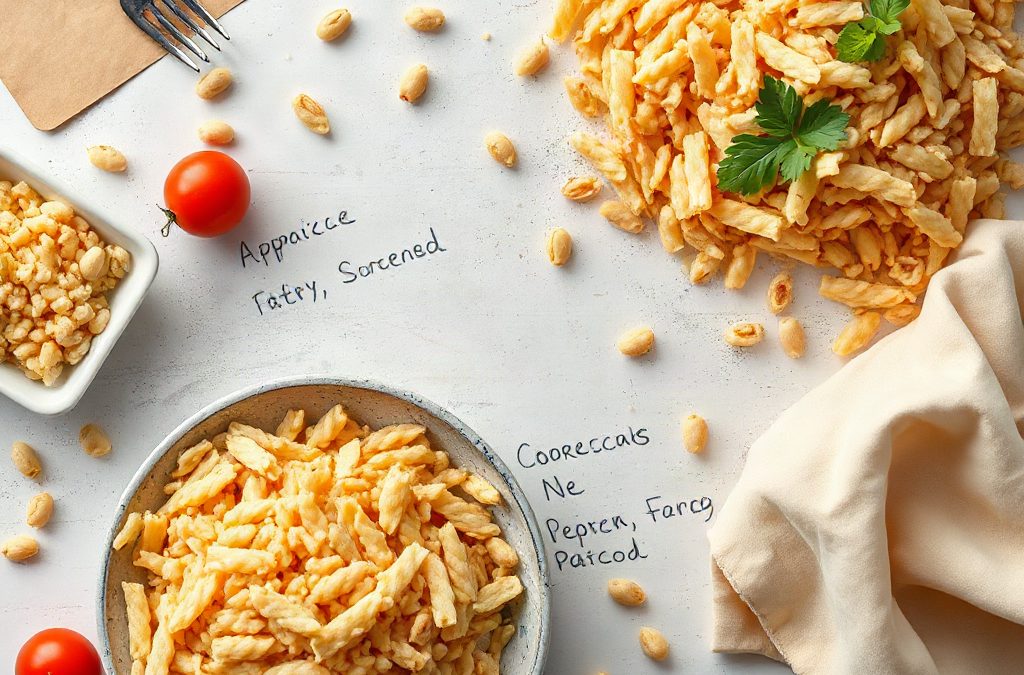
For fiber-rich meal planning, a practical farro portion is about 1/2 to 1 cup cooked per adult meal, adjusted for appetite, energy needs, and the other foods on the plate. Use the smaller amount when farro accompanies beans, vegetables, and protein; reserve the larger amount for grain bowls or active days requiring more food. Measure cooked rather than dry grain for easier consistency, and check the package because pearled, semi-pearled, and whole farro differ in cooking yield and fiber. Increase portions gradually if your usual diet is low in fiber, pair the grain with fluids, and remember that farro contains gluten.
How Much Farro Should You Serve Per Meal?
A cooked serving of roughly 1/2 to 1 cup is a useful planning range for most adult meals, but the right point within that range depends on farro’s role. A 1/2-cup portion works well as one component of a plate that also contains legumes, vegetables, and a protein food. A portion closer to 1 cup makes more sense when farro is the main base of a grain bowl or when the meal contains few other substantial carbohydrate sources.

Portion size and fiber intake are related, but doubling the grain is not necessarily the best way to make a meal more fiber-rich. Farro contributes fiber, yet its exact amount varies with the grain type and processing. Whole farro retains more of the bran, while semi-pearled and pearled products have had some or more of that outer layer removed. Package nutrition labels therefore offer better product-specific guidance than a universal fiber figure.
Consider two lunches. A bowl made with farro, roasted chickpeas, broccoli, and pumpkin seeds already draws fiber from several ingredients, so 1/2 cup of cooked farro may be enough. A simpler lunch of farro, grilled chicken, and a small amount of spinach may call for a larger grain portion for fullness, though adding more vegetables could create a more varied plate than relying on extra farro alone.
The common mistake is treating a serving range as a mandatory target. Appetite, body size, activity, health needs, and the rest of the meal all affect an appropriate amount. Children may need less, while someone with higher energy needs may want more. People following a medically prescribed eating pattern should use the portions provided by their clinician or registered dietitian rather than a general range.
A practical starting method is to serve 1/2 cup cooked, eat it with a mix of foods, and evaluate the whole meal. If hunger returns unusually soon, increase the next serving modestly or strengthen the meal with protein, vegetables, legumes, or healthy fats. If farro routinely remains uneaten or displaces produce and protein, reduce it. The useful portion is the amount that fits the complete plate, not the largest amount that can be labeled high in fiber.
Measuring Dry and Cooked Farro Without Portion Errors
Cooked measurement is the clearest method for serving farro because water absorption changes its volume and weight. A dry cup is not equivalent to a cooked cup, and using the wrong state can turn a planned side dish into several servings. Cooking yield also varies with the product, simmering time, soaking, and how thoroughly the grain is drained.
As a kitchen planning estimate, 1 cup of dry farro often produces roughly 2 1/2 to 3 cups cooked. That is a yield range rather than a guaranteed conversion. The package directions should take priority, particularly for quick-cooking, pearled, or pre-cooked products. If the cooked batch yields 3 cups, it provides six 1/2-cup portions or three 1-cup portions. If it yields less, divide the actual result rather than forcing the expected number of servings.
| Meal role | Cooked farro starting portion | Best fit |
|---|---|---|
| Small side | About 1/2 cup | Meals with beans, vegetables, and another protein or starch |
| Substantial side | About 3/4 cup | Mixed plates where farro supplies most of the grain component |
| Grain-bowl base | About 1 cup | Meals built around farro, vegetables, and protein |
For repeatable meal prep, cook one batch, drain it consistently, and measure its final volume after it has rested briefly. Divide that amount into the number of portions needed. This method is more reliable than estimating portions from dry grain after cooking because each batch may hydrate differently. A kitchen scale can improve consistency, but measuring cups are adequate for ordinary meal planning.
Another frequent error is reading the nutrition panel without checking whether the listed serving refers to dry or prepared farro. Compare the serving unit, gram weight, and preparation statement before using the fiber or calorie information. Nutrition values for a dry serving describe the grain before water is added; water increases volume but does not create additional nutrients. Conversely, prepared products may include sodium, oil, or seasonings that plain dry farro does not contain.
If precision matters because of diabetes management, digestive treatment, kidney disease, or another clinical concern, general cup ranges may be insufficient. Use the product label and seek individualized guidance from a qualified healthcare professional. For routine household planning, consistent cooked portions and attention to the complete meal are usually more useful than chasing an exact dry-to-cooked ratio.
How Do You Build a Fiber-Rich Plate With Farro?
A fiber-rich farro meal works best when the grain is paired with other plant foods rather than expected to carry the entire fiber goal. Vegetables, beans, lentils, fruit, nuts, and seeds contribute different textures and nutrient profiles. This approach also makes it possible to keep the farro portion moderate while producing a substantial meal.
Start with the intended grain portion, then add at least one generous vegetable component and a distinct protein source. For example, combine 1/2 to 3/4 cup cooked farro with lentils, roasted cauliflower, chopped parsley, and a tahini-lemon dressing. Another option is a 1-cup farro base with tomatoes, cucumber, white beans, and a small amount of feta. The first meal distributes its substance across grain, legumes, and vegetables; the second uses farro more prominently but still includes beans and produce.
Protein and fat influence how satisfying the plate feels even though they do not necessarily add fiber. Eggs, fish, poultry, tofu, yogurt-based sauces, cheese, nuts, and seeds can prevent the meal from becoming a large bowl of grain with little balance. Nuts, seeds, and many plant proteins have the added advantage of contributing some fiber. Portions should still reflect the meal’s total energy density, particularly when dressings, cheese, avocado, or nuts are included.
A useful assembly checklist keeps the focus on the whole plate:
- Set the grain role: choose side dish, mixed component, or bowl base before measuring.
- Add fiber variety: include vegetables and, when suitable, beans, lentils, seeds, or fruit.
- Include protein: select an amount appropriate to the person’s needs and preferences.
- Check flavor and texture: use acidity, herbs, and crunch so satisfaction does not depend on an oversized grain serving.
- Review the label: confirm the farro type, serving basis, fiber, sodium, and added ingredients.
The weak assumption is that any farro meal automatically qualifies as fiber-rich. A large serving of pearled farro with cheese and little produce may contain less fiber variety than a smaller serving mixed with beans and vegetables. Processing matters as well: pearling shortens cooking time but removes portions of the bran. Whole farro may offer more intact grain structure, although it generally needs more cooking time and can have a firmer texture.
Increase fiber from several foods gradually if the current diet contains little of it. A sudden jump in whole grains, legumes, and raw vegetables may cause gas or discomfort for some people. Adequate fluid intake and measured changes make it easier to judge tolerance. Fiber-rich meal planning may support digestive regularity and fullness, but it should not be treated as a treatment for a gastrointestinal condition.
When Should You Adjust the Portion?
Adjust farro portions when appetite, activity, digestive tolerance, or the meal’s composition shows that the starting amount is a poor fit. A serving chart cannot account for every person or every day. The strongest signal is the pattern across several meals: sustained satisfaction, comfortable digestion, and enough room for other nutrient-dense foods.
Someone preparing a desk lunch might find that 1/2 cup cooked farro, black beans, vegetables, and avocado is ample. The same person may prefer 1 cup in a post-hike dinner with lean protein and roasted vegetables. That is not inconsistency; the meals serve different energy demands. Likewise, a person who snacks soon after a small farro salad may need a larger meal, but the solution could be more protein or fat rather than more grain alone.
Digestive response deserves separate attention. Farro is a wheat grain and contains gluten, making it unsuitable for people with celiac disease and inappropriate for anyone directed to avoid gluten. A gluten-free grain such as certified gluten-free brown rice, quinoa, buckwheat, or sorghum may be a better meal-planning base. People with wheat allergy or persistent digestive symptoms should seek professional advice rather than testing larger or smaller farro portions on their own.
For those simply increasing fiber, move from a smaller portion to a larger one over several meals instead of making a sharp change. Signs that the adjustment is working include comfortable digestion, a meal that remains satisfying for an appropriate period, and a plate that still contains vegetables and protein. Repeated bloating, pain, major bowel changes, or worsening symptoms are reasons to pause and discuss the pattern with a healthcare professional.
Weight-management goals do not produce one universally correct serving. A smaller farro portion may reduce the meal’s energy content, but an unsatisfying lunch can lead to unplanned eating later. Conversely, labeling farro a whole grain does not make unlimited portions appropriate. Measure an initial serving, build the rest of the plate, and adjust based on consistent outcomes rather than health-halo assumptions.
The product itself can also change the decision. Seasoned pouches may simplify portioning but can include added sodium or oil. Plain dry farro offers more control and often suits batch preparation, while quick-cooking versions save time. Choose the format that supports consistent meals, then use its specific label rather than transferring values from a different farro product.
Meal Prep, Storage, and Portion Control
Batch cooking makes farro portions easier to manage when the cooked grain is divided before it disappears into mixed recipes. Once the batch is cooked and drained, measure the total yield and assign it to upcoming meals. Six half-cup containers, for example, are easier to use consistently than one large container that must be estimated at each lunch.
Keep some portions plain if the week’s meals have different flavor profiles. Plain farro can become a warm side with mushrooms, a cold salad with tomatoes and beans, or a breakfast-style bowl with fruit and nuts. Seasoning the entire batch heavily may limit those options and encourage buying another starch later. Add dressings and wet ingredients shortly before serving when possible to preserve texture.
For food safety, cool cooked farro promptly in shallow containers and refrigerate it rather than leaving a deep, warm pot on the counter. Follow current government food-storage guidance for cooked leftovers, and discard grain that shows spoilage or has been held under uncertain conditions. Freezing meal-size portions is useful when the batch will not be eaten within the recommended refrigerated storage window. Label containers with the preparation date so appearance is not the only record.
Texture is a practical quality signal, not a complete safety test. Refrigerated farro may firm as it cools; a spoonful of water during reheating can restore moisture. Sour odor, visible mold, or an unexpectedly slimy surface means the grain should be discarded, but food can be unsafe without obvious warning signs. Safe time and temperature handling matters more than tasting a questionable batch.
A common meal-prep failure is portioning only the grain and improvising everything else. That often produces convenient containers that lack vegetables or protein. Pack complete components when possible: cooked farro, roasted vegetables, beans or another protein, and a separate dressing. If storage space is limited, write a simple combination plan on the container so the grain does not become the whole meal by default.
Review the plan after one week. Leftover containers suggest the batch or individual portions were too large, while running out early may indicate larger servings or more meals were needed. Recalculate from actual cooked yield and use patterns rather than assuming every dry cup will serve the household identically.
Conclusion
Treat farro as one component of a well-built meal rather than a standalone fiber solution. Begin with a cooked portion that matches its role: smaller beside beans, vegetables, and other substantial foods; larger when it forms the base of the dish. Check the package for grain type, serving basis, and fiber because whole, semi-pearled, pearled, and prepared products are not interchangeable.
For the next batch, record the actual cooked yield, divide it into planned servings, and pair each portion with produce and protein. Adjust after observing appetite, leftovers, and digestive comfort across several meals. Increase fiber gradually, use safe storage practices, and replace farro with a gluten-free grain when medically necessary. These checks create more dependable portions than relying on a single serving number for every person and plate.
Frequently Asked Questions
Is 1 cup of cooked farro too much for one meal?
One cup can fit a meal when farro is the main grain base, especially alongside vegetables and protein. Use closer to 1/2 cup when the plate already includes beans, another starch, or several substantial side dishes.
How much dry farro should I cook per person?
Because yield varies, follow the package directions and portion the grain after cooking. As a rough planning estimate, 1 cup dry often yields about 2 1/2 to 3 cups cooked, but the product and method can change that result.
Which type of farro has the most fiber?
Whole farro generally retains more bran than semi-pearled or pearled farro. Compare nutrition labels because fiber values and labeled serving sizes differ among products.
Can farro be eaten on a gluten-free diet?
No. Farro is a form of wheat and contains gluten. People with celiac disease or instructions to avoid gluten should choose an appropriate gluten-free grain instead.
Should I measure farro before or after cooking?
Measure it dry when following a recipe, but use cooked measurements for serving and meal prep. Cooked portions account for the water absorbed and are easier to divide consistently.