
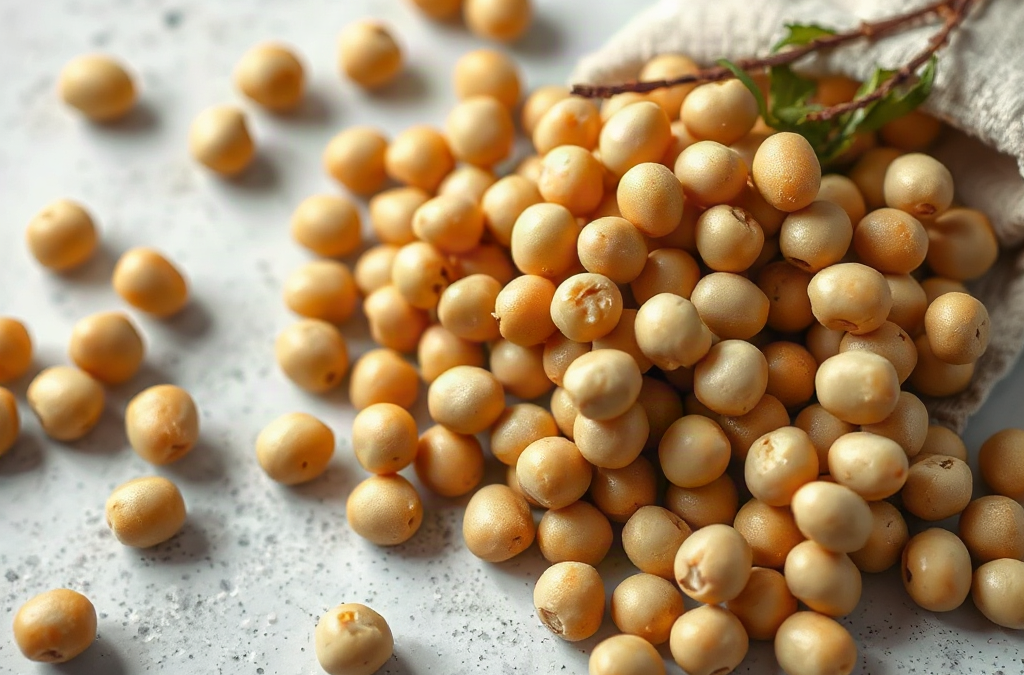
Fava beans expand plant protein variety by offering a firm, mildly earthy pulse that works in bowls, soups, spreads, and grain-based dishes without relying on lentils or chickpeas. Cooked beans contribute protein, fiber, folate, and other minerals, but they are most useful as one part of a varied diet rather than a complete nutritional substitute for every protein source. Choose dried beans for economy, frozen beans for brighter texture, or low-sodium canned beans for speed. People with glucose-6-phosphate dehydrogenase deficiency should avoid fava beans and seek individualized medical guidance because exposure can trigger a serious reaction.
Why Do Fava Beans Broaden Plant Protein Choices?
Fava beans provide a useful change in flavor, shape, and texture when familiar staples such as lentils, black beans, and chickpeas have become repetitive. Also called broad beans, they have a substantial bite when cooked carefully and a mild, grassy-to-earthy character that pairs well with lemon, garlic, herbs, tomatoes, whole grains, and roasted vegetables. That sensory difference matters because dietary variety is easier to maintain when ingredients do not all produce the same type of meal.

Like other pulses, fava beans supply plant protein alongside dietary fiber and carbohydrate. They also contribute folate and minerals, although exact amounts depend on the form, preparation, and portion. Their nutritional role is therefore broader than that of a concentrated protein product: the beans add texture and bulk while helping a meal feel more substantial. They should not be treated as a gram-for-gram replacement for meat, eggs, dairy foods, tofu, or a protein isolate, since those foods differ in protein density, amino acid profile, energy content, and micronutrients.
A practical comparison shows where favas fit. Red lentils soften into curries and soups, chickpeas hold their shape in salads, and firm tofu can become the central item on a plate. Fava beans sit between those uses. Whole beans work in warm salads and grain bowls, while peeled or well-cooked beans can be mashed into a spread. In a barley bowl, for example, favas contribute more distinct texture than red lentils and a less dense bite than roasted chickpeas.
The weak assumption is that adding one more legume automatically creates a balanced diet. Variety works at two levels: rotating among beans and rotating among broader protein groups. Soy foods, peas, lentils, nuts, seeds, whole grains, and, where included, animal-derived foods all bring different nutritional strengths. Fava beans are most valuable when they widen that rotation rather than displace every other option.
Safety also belongs in the decision. People with glucose-6-phosphate dehydrogenase deficiency, often shortened to G6PD deficiency, may experience a dangerous breakdown of red blood cells after eating fava beans. Anyone who has this condition, has been told to avoid broad beans, or is uncertain about a relevant family or medical history should obtain guidance from a qualified clinician rather than testing tolerance at home.
Should You Choose Fresh, Frozen, Dried, or Canned Fava Beans?
The best form depends on whether flavor, convenience, cost, or texture has priority. Fresh beans offer the most seasonal experience but require shelling and may need a second peeling step. Frozen beans reduce that labor while preserving a green color and tender texture. Dried beans are suited to pantry storage and batch preparation, whereas canned beans are the quickest choice for a meal assembled in minutes.
| Form | Best Use | Main Constraint |
|---|---|---|
| Fresh | Spring salads, pasta, simple side dishes | Shelling and skin removal take time |
| Frozen | Quick sautés, bowls, soups | Availability varies by store |
| Dried | Stews, purées, economical batch preparation | Soaking and simmering may be required |
| Canned | Fast lunches, salads, mashed fillings | Sodium and softness vary by brand |
Fresh favas are sold inside thick pods, so the purchased weight overstates the amount that reaches the plate. After shelling, larger beans often have a pale outer skin that can be chewy or bitter. Brief blanching followed by cooling makes that skin easier to slip off. Small, young beans may be tender enough to use without peeling, making size and maturity more informative than a rigid rule.
Frozen favas are often the sensible middle ground for a weeknight meal. They can be added near the end of a soup or warmed in a skillet with olive oil and herbs. Check whether the package contains peeled beans and whether it directs the cook to boil them first. Treat package instructions as the baseline because freezing and preliminary processing differ among products.
Dried fava beans vary more than shoppers sometimes expect. Whole dried beans may retain their skins and take longer to soften; split, peeled favas break down faster and are particularly suitable for thick soups and purées. Old stock can remain firm despite extended simmering, so a batch that never becomes tender may reflect age rather than poor technique. Salt is not necessarily the culprit, and adding acidic ingredients too early is a more common obstacle to softening.
For canned beans, compare ingredient lists and sodium values instead of assuming every can is equivalent. Draining and rinsing can remove some surface sodium and packing liquid, although it will not make all brands taste identical. A can with intact beans suits salads; a softer product is better directed toward spreads, patties, or soup thickening.
How Do You Prepare Fava Beans for Better Texture?
Good preparation begins by matching the method to the bean rather than applying one universal cooking time. Fresh and frozen favas need relatively brief heat, while dried beans require hydration and a longer simmer. Overcooking green beans dulls their color and turns their interiors pasty; undercooking dried beans leaves a chalky or hard center.
For fresh beans, remove them from the pods, blanch them briefly in boiling water, and transfer them to cold water. Pinch each larger bean to release it from its skin, then finish it in a skillet or add it to the prepared dish. This double-shelling process is labor-intensive, but it produces a smoother texture for a simple preparation such as favas with lemon, parsley, and olive oil. If the beans are destined for a rustic purée, perfect appearance matters less.
Dried favas should be sorted for debris, rinsed, and prepared according to package directions. Whole beans often benefit from soaking, while split peeled beans may cook without it. Simmering is preferable to aggressive boiling because vigorous movement can tear the skins before the centers soften. Add tomatoes, vinegar, lemon juice, or other strongly acidic ingredients after the beans are nearly tender; acidity can slow softening and leave a stew with firm beans surrounded by fully cooked vegetables.
A compact preparation check prevents most disappointing results:
- Identify the form: whole, split, peeled, fresh, frozen, or canned.
- Check tenderness early: test several beans because size can vary.
- Season in stages: build flavor during preparation, then adjust after draining or reducing.
- Delay acidic finishes: use lemon or vinegar once dried beans are tender.
- Stop at the intended texture: firm for salads, softer for soups, fully yielding for purées.
Common flavor problems usually come from insufficient seasoning rather than an inherent defect in the bean. Favas respond well to salt, aromatic herbs, alliums, chile, cumin, coriander, and bright acidic finishes. A bland batch can be folded into a tomato-based stew, mashed with roasted garlic, or combined with a strongly seasoned grain rather than discarded. Conversely, a bitter or unusually tough batch may reflect mature skins or old dried stock; longer cooking cannot reliably repair every quality problem.
Signs of success are easy to recognize: the center is creamy rather than chalky, the skin does not dominate each bite, and the seasoning reaches the bean instead of sitting only in the sauce. If beans repeatedly split before becoming tender, lower the heat. If dried beans remain hard after prolonged cooking, try fresher stock next time rather than extending the process indefinitely.
How Can Fava Beans Fit Into Balanced Meals?
Fava beans work best when the rest of the plate supplies complementary textures, vegetables, and enough total food for the occasion. A bowl made only from beans may feel monotonous, while a modest quantity combined with a grain, crisp vegetables, herbs, and a flavorful dressing creates contrast. Portion needs vary with appetite, energy requirements, and whether the beans serve as the main protein contributor or one component among several.
For a quick lunch, combine canned or thawed frozen favas with farro or brown rice, chopped cucumber, tomatoes, parsley, and a lemon-tahini dressing. The grain adds chew and additional protein, the vegetables provide freshness, and the dressing prevents the bowl from tasting dry. For dinner, stir cooked favas into a vegetable stew near the end so they retain some shape, then serve it with whole-grain bread. A peeled dried-fava purée can also replace hummus occasionally, especially when seasoned with cumin, garlic, and lemon.
Pairing legumes with grains is a practical way to diversify amino acid sources across meals, but every bite does not need to follow a rigid formula for most people eating a varied diet. Total dietary pattern matters more than forcing a precise combination at a single sitting. Someone relying heavily on plant foods should still pay attention to overall protein intake and nutrients that may need deliberate planning, such as vitamin B12, which fava beans do not provide in a dependable form.
Processed fava products require a different evaluation. Fava-based pasta, flour, snacks, and protein ingredients may increase protein relative to conventional versions, but the bean name alone does not establish nutritional quality. Check serving size, protein, fiber, sodium, added fats, and the complete ingredient list. A crunchy fava snack can be convenient, yet it may carry much more sodium and oil than plain cooked beans. Fava pasta can be useful for a higher-protein meal, but texture and ingredients differ by manufacturer.
Digestive tolerance is another practical constraint. A large portion introduced suddenly may cause gas or discomfort because legumes contain fermentable carbohydrates and fiber. Start with an amount that fits your usual legume intake, chew thoroughly, and increase gradually if tolerated. Rinsing canned beans and cooking dried beans until fully tender may improve palatability, though neither step guarantees symptom-free digestion.
The plan is working when favas make meals more varied without crowding out other protein sources or causing persistent discomfort. It is failing when every meal depends on the same bean, convenience products contribute excessive sodium, or preparation effort makes the ingredient go unused. In those cases, rotate frozen favas with lentils, tofu, edamame, chickpeas, nuts, or seeds and reserve fresh beans for occasions when the shelling time is worthwhile.
Conclusion
Fava beans earn a place in a varied protein rotation because they offer a texture and flavor distinct from more familiar pulses. Choose the form that matches the task: frozen for convenience and color, dried for economical soups or purées, canned for speed, and fresh when seasonal quality justifies the extra preparation.
Prioritize tenderness, staged seasoning, and late addition of acidic ingredients when cooking dried beans. Build meals around contrast rather than treating the beans as a complete plate, and assess packaged fava products by their full labels rather than their front-of-package claims. Begin with a familiar portion if legumes tend to cause digestive discomfort. Most importantly, treat G6PD deficiency as a firm safety limitation, not a tolerance experiment. A practical next step is to try one accessible form in a grain bowl, stew, or spread and compare its usefulness with the legumes already in your rotation.
Frequently Asked Questions
Are fava beans a complete protein?
Fava beans provide meaningful plant protein, but they should not be assumed to supply every essential amino acid in ideal proportions. Eating varied protein sources across the day is more practical than relying on favas alone.
Do canned fava beans need to be cooked?
Most canned fava beans are already cooked and can be drained, rinsed, and warmed or added directly to a cold dish. Check the label because product instructions and textures vary.
Why are the skins removed from fresh fava beans?
Larger fresh beans can have tough or bitter outer skins. Blanching and peeling them creates a smoother, sweeter result, while very young beans may be tender enough to leave intact.
Can fava beans replace lentils in a recipe?
They can replace firm lentils in some salads, bowls, and soups, but the textures are not identical. Split dried favas break down more readily and are better for thick soups or purées.
Who should avoid fava beans?
People with G6PD deficiency should avoid fava beans because they can trigger a serious reaction. Anyone with a known diagnosis or related concern should seek individualized medical advice.