
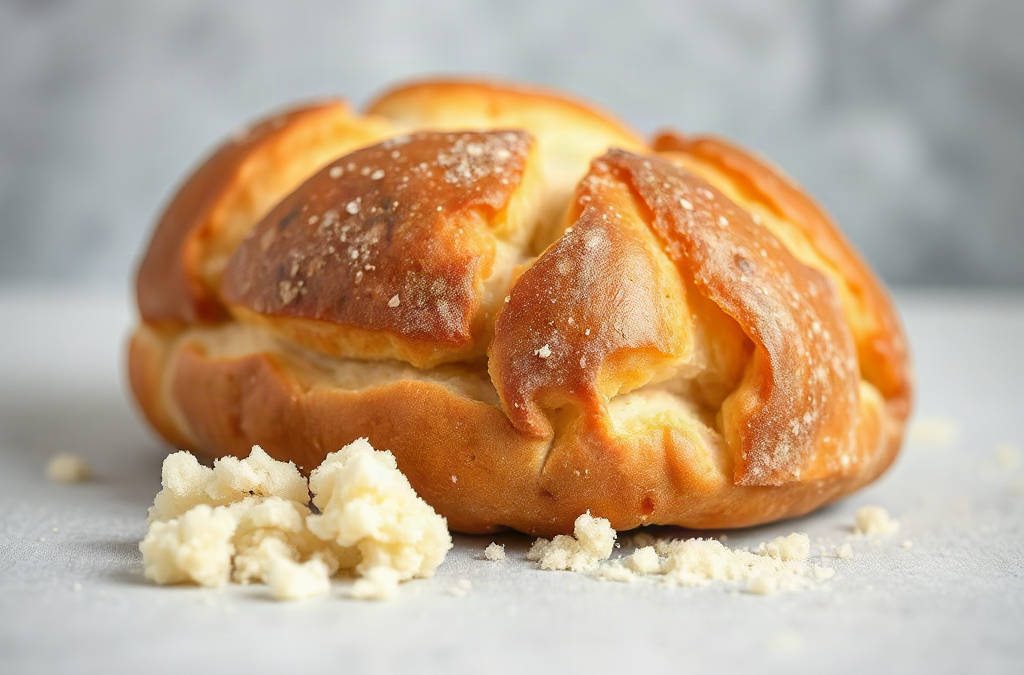
Organic yeast types for baking decisions should be chosen by format, fermentation schedule, and dough conditions rather than by the organic claim alone. Organic active dry yeast suits flexible home baking but usually benefits from hydration, while organic instant yeast mixes directly into flour and performs well in shorter or tightly scheduled rises. Fresh organic yeast can ferment effectively but is perishable and difficult to source. Check certification, expiration date, storage directions, and whether the dough contains substantial sugar or fat; those factors often affect performance more than brand, and organic status does not guarantee faster rising or better flavor.
Which Organic Yeast Formats Are Available?
Commercial baker’s yeast is sold in several physical forms, and the form determines how it should be handled. Active dry, instant, and fresh yeast may all contain strains of Saccharomyces cerevisiae, but differences in moisture, granule size, processing, and shelf stability change how conveniently they fit a recipe. A separate category, naturally leavened sourdough starter, contains yeasts and bacteria maintained in flour and water rather than a standardized dose of commercial yeast.

Organic active dry yeast consists of relatively coarse dormant granules. Many bakers hydrate it in warm liquid before mixing, particularly when following a recipe written around that method. Hydration provides an early opportunity to see whether older yeast produces visible activity, although foam alone is not a precise measurement of eventual dough performance. Active dry yeast is useful when recipe timing is flexible and when the baker prefers a distinct activation step before committing the remaining ingredients.
Organic instant yeast has finer particles and is designed to disperse readily through flour. It can generally be added with the dry ingredients, which reduces preparation time and limits the chance of using excessively hot activation water. It is often the practical choice for sandwich loaves, dinner rolls, pizza dough, and other recipes built around a predictable same-day schedule. Rapid-rise or quick-rise products may be formulated or packaged for accelerated methods, so they should not automatically be treated as interchangeable with every ordinary instant yeast in long fermentations.
Fresh yeast, also called compressed or cake yeast, contains much more moisture. Some bakers value its easy dispersal and traditional handling, but its short refrigerated life and limited availability make it less forgiving for occasional baking. An organic version may be especially hard to find. Buying a large block without a near-term baking plan can create more waste than choosing a stable dry format.
Sourdough starter offers a different fermentation system. Its mixed culture produces acidity and flavor over a longer schedule, but results depend on starter maintenance, flour, temperature, and refreshment timing. A starter is not automatically organic merely because it is homemade; the organic status of its flour and other inputs, as well as any certification claim made for a sold product, must be considered separately.
| Yeast Format | Typical Handling | Best-Fit Situation | Main Constraint |
|---|---|---|---|
| Active dry | Often hydrated before mixing | Flexible home-baking routines | Extra step and slower initial dispersion |
| Instant | Usually mixed into flour | Streamlined, scheduled recipes | Fast activity can shorten the margin for delay |
| Fresh | Crumpled or dissolved into ingredients | Frequent baking with reliable supply | Short refrigerated life |
| Sourdough starter | Fed and maintained as a live culture | Long fermentation and developed acidity | Variable strength and maintenance demands |
The common mistake is choosing by an assumed flavor hierarchy. Fermentation length, dough temperature, flour, and recipe design usually shape flavor more noticeably than the difference between dry commercial formats. Prioritize a form that matches how often you bake and how accurately you can control the schedule.
What Does Organic Mean on a Yeast Label?
An organic claim describes production and certification requirements; it does not identify the yeast’s baking format or guarantee stronger fermentation. A package may contain active dry or instant yeast and still carry an organic claim, so shoppers need to read both the certification information and the functional product description. Treat those as two different decisions: whether the sourcing standard meets your preference, and whether the yeast behaves as the recipe expects.
On products sold in the United States, meaningful organic labeling should be evaluated through the complete package rather than a green color scheme, pastoral imagery, or an isolated word in marketing copy. Look for the organic statement, certifier information where applicable, ingredient list, and any preparation instructions. Yeast products may include more than the yeast organism itself, such as ingredients used to improve handling or stability. The ingredient panel reveals those additions; the front label rarely provides enough detail.
The distinction matters when comparing two packets that appear similar. One might be certified organic instant yeast intended for direct addition to flour. Another might be conventional active dry yeast packaged in environmentally styled materials. The first addresses organic sourcing but may require a recipe adjustment if the original formula assumes active dry yeast. The second might perform perfectly in that formula while failing the shopper’s organic preference. Neither package design nor the word “natural” resolves both questions.
Organic certification also should not be interpreted as a nutritional advantage in a finished loaf. Baker’s yeast contributes to fermentation, but the quantity used is small, and the bread’s broader nutritional profile is shaped more by flour refinement, whole-grain content, portion size, sodium, added sugars, fats, seeds, and other ingredients. Yeast selection is primarily a production and sourcing decision, not a shortcut to making a bread nutritionally complete or suitable for a medical diet.
Use a compact package check before buying:
- Identity: Confirm whether the product is active dry, instant, rapid-rise, fresh, or a starter culture.
- Organic evidence: Read the formal label language and certifier details instead of relying on visual branding.
- Ingredients: Note added processing or handling ingredients and assess them against personal preferences.
- Date and package condition: Avoid damaged seals and consider whether the quantity can be used while viable.
- Storage directions: Check whether unopened and opened packages have different requirements.
A weak assumption is that the most expensive certified option must produce the best loaf. Certification, freshness, and baking suitability answer separate questions. A modestly priced organic yeast stored correctly may be a better purchase than a premium bulk package that remains open for months and gradually loses activity.
How Should Yeast Match the Dough and Schedule?
The recipe method should lead the yeast decision because fermentation speed must fit both the dough and the baker’s available time. A lean dough made mainly from flour, water, salt, and yeast presents a different environment from brioche, cinnamon-roll dough, or another formula rich in sugar, eggs, and fat. Temperature and yeast quantity matter, but increasing yeast is not a universal fix for a dough that rises slowly.
For a straightforward same-day loaf, instant yeast is often the simplest format. It distributes through the flour and begins working once moisture reaches it. The baker can judge progress by dough expansion and texture rather than waiting rigidly for a stated number of minutes. If the kitchen is cool, fermentation may take longer; placing the dough in extreme heat can damage yeast or cause the exterior to ferment differently from the center.
Active dry yeast suits a baker who wants to hydrate the granules first or is following a formula explicitly written for that product. When substituting it for instant yeast, avoid assuming that equal spoon measures and identical timing will always behave exactly alike. Product concentration and manufacturer directions can differ. Weighing ingredients when the package supplies weight-based guidance and observing the dough are more dependable than casually rounding a small volume measurement.
Enriched dough creates a stronger selection test. High concentrations of sugar compete for available water, while fat and eggs change dough structure and handling. A standard yeast may still work, but fermentation can be slower. Osmotolerant yeast is designed for sweeter dough environments, although certified organic versions may not be readily available. If a specialty product cannot be found, use a tested recipe developed for the available yeast rather than adding an arbitrary extra spoonful.
Long, cool fermentation calls for restraint. Pizza dough refrigerated overnight does not need the same fermentation intensity as rolls mixed and baked in one afternoon. Too much yeast in a long schedule can exhaust available sugars, produce excess gas before the dough is ready, or create an overproofed structure that collapses during handling. The slower method may develop more complex fermentation character, but only when yeast quantity, refrigeration, and elapsed time are coordinated.
A practical sequence keeps the choice grounded:
- Identify the yeast format named in the formula and check whether substitutions are addressed.
- Classify the dough as lean, moderately enriched, very sweet, or intended for prolonged cold fermentation.
- Choose a package size that will remain fresh under the stated storage conditions.
- Set a realistic temperature and schedule, leaving room for the dough to rise by condition rather than the clock alone.
- Record the product, room conditions, and actual rise time if the recipe will be repeated.
The signs of an appropriate match are steady expansion, a dough that retains gas, and proofing that fits the planned window without racing ahead. Sluggish movement, a sharp mismatch between the recipe’s timing and actual progress, or dough that swells and then deflates indicates that freshness, temperature, quantity, or formula compatibility needs review.
Why Does Organic Yeast Sometimes Fail?
Weak fermentation is more often caused by handling, storage, temperature, or dough composition than by organic certification. Yeast is alive but dormant in a dry package, and its viability declines with age and exposure to moisture, air, and unsuitable storage conditions. Diagnosing the process in order prevents the common response of adding more yeast without finding the actual fault.
Begin with the package. Check the date, seal, storage instructions, and how long an opened container has been exposed. A large bag may look economical, but repeated opening in a warm, humid kitchen can erase that advantage. Transfer only if the manufacturer permits it, use a clean dry utensil, close the container promptly, and label it with the opening date. Follow product-specific refrigeration or freezing guidance rather than assuming every yeast format has identical storage needs.
Next, examine liquid temperature. Very hot liquid can injure yeast, while cold ingredients may simply delay activity. Guessing by touch is unreliable because comfortable hand temperature is subjective. If the recipe or yeast maker provides a temperature range, a kitchen thermometer offers a more controlled check. Do not confuse a slower cool rise with dead yeast until enough time has passed under suitable conditions.
Direct contact with concentrated salt or sugar can also create a harsh local environment before mixing. In ordinary bread formulas, both ingredients can coexist with yeast once properly distributed, but dumping yeast onto a concentrated pile and leaving it there is avoidable. Mix according to the formula’s order, especially when using a bread machine with a delayed cycle. A delayed setup must keep yeast separated from liquid until mixing begins if the appliance instructions call for that arrangement.
Dough structure can mimic yeast failure. Excess flour produces a stiff mass that expands reluctantly, while inadequate gluten development may allow gas to escape instead of lifting the dough. Whole-grain and seed-heavy loaves often rise differently from soft white-flour dough because bran and dense inclusions alter structure and water demand. Expecting every formula to double on the same schedule can lead to unnecessary extra proofing and eventual collapse.
A controlled test is more useful than random correction. If no activity appears, verify the yeast with the package’s recommended hydration method, then review ingredient temperature and measuring accuracy. If the dough rises but later sinks, suspect overproofing, weak structure, or excessive fermentation rather than inactive yeast. If the loaf is dense despite visible expansion, examine shaping, final proof, and baking readiness.
The most misleading fix is repeatedly increasing yeast. More yeast may accelerate the early rise while narrowing the timing window and leaving the underlying issue untouched. Change one variable at a time—freshness, temperature, hydration, or schedule—and document the result. That approach distinguishes a defective process from a product that simply does not suit the formula.
Frequently Asked Questions
Is organic instant yeast the same as active dry yeast?
No. Both can be organic and may use the same yeast species, but instant yeast has finer particles and is usually mixed directly with flour. Active dry yeast has coarser granules and is often hydrated first. Follow the package and recipe when substituting.
Does organic yeast make bread rise better?
Organic certification does not by itself make yeast faster or stronger. Freshness, storage, dough temperature, yeast quantity, hydration, and the concentrations of salt, sugar, and fat have more direct effects on fermentation.
Can organic active dry yeast be added directly to flour?
Some products and recipes permit direct mixing, while others specify hydration. Check the manufacturer’s directions because granule design and recommended handling can vary. Hydration is particularly useful when you want to check an older package before mixing the dough.
Is sourdough starter automatically organic?
No. A starter’s status depends on the ingredients used to maintain it and, for a product marketed as organic, the applicable certification and labeling requirements. A wild culture made with conventional flour should not be assumed to be organic.
Which organic yeast is best for sweet dough?
A yeast intended for sugar-rich dough may offer more reliable performance, but organic specialty options can be limited. The safest practical choice is a tested sweet-dough recipe written for the yeast you can obtain rather than compensating with an untested quantity.
Conclusion
Choose yeast by function first and verify the organic claim separately. Instant yeast is convenient for direct mixing and scheduled baking, active dry yeast accommodates recipes built around hydration, fresh yeast makes sense only when supply and frequent use justify its short life, and sourdough requires an ongoing culture rather than a packet substitution.
Before purchasing, read the complete label for format, certification information, ingredients, date, and storage directions. Then match the product to the dough’s sugar and fat levels, fermentation temperature, and intended schedule. When a rise underperforms, check freshness, ingredient temperature, dough consistency, and proofing stage before increasing the yeast. Recording the product and actual rise conditions for a repeat recipe turns future baking decisions into evidence from your own kitchen rather than guesswork.