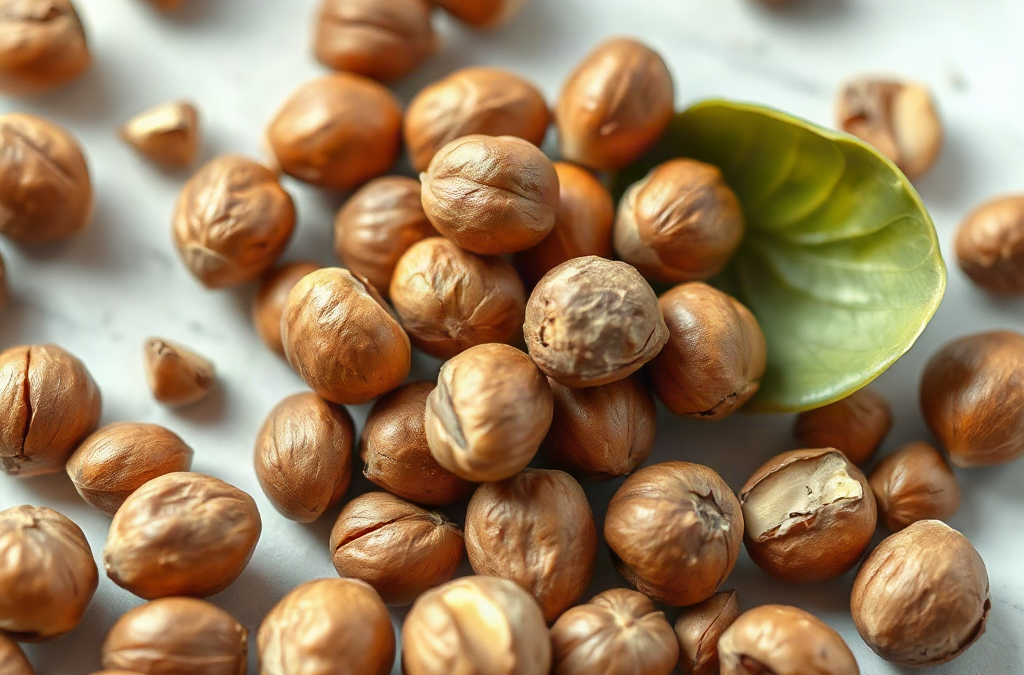
Hazelnuts provide healthy fats and improve meal balance most effectively when a modest portion is paired with protein, fiber-rich carbohydrates, and produce rather than eaten as an unlimited snack. Their predominantly unsaturated fat, fiber, vitamin E, and concentrated energy can add staying power and texture to oatmeal, yogurt, salads, and grain bowls. A practical serving is about a small handful, with the amount adjusted for appetite and the rest of the meal. Choose plain or lightly roasted nuts most often, watch added salt and sugar, and avoid hazelnuts entirely if a tree-nut allergy is present.
What Do Hazelnuts Contribute to a Balanced Meal?
Hazelnuts are best treated as the fat component of a meal, not as a complete meal by themselves. Most of their fat is unsaturated, and they also supply fiber, vitamin E, minerals, and a modest amount of plant protein. That combination makes them more nutritionally useful than a food that contributes fat alone, but it does not remove the need for vegetables, fruit, a substantial protein source, or an appropriate carbohydrate.

Fat changes how a meal feels and functions. It carries flavor, adds a crisp or creamy texture, and slows the pace at which a low-fat meal is eaten and digested. Fiber and protein contribute additional staying power. For example, plain oatmeal with berries may feel incomplete to some people; chopped hazelnuts add richness and crunch, while milk, fortified soy beverage, or Greek yogurt supplies more protein. The resulting breakfast has several complementary components rather than relying on nuts to do every job.
The energy concentration deserves equal attention. Nuts pack substantial food energy into a small volume, so pouring directly from a bag can turn a supporting ingredient into the dominant part of a snack. That is not evidence that hazelnuts are inherently fattening or unsuitable for weight management. It means portions can become disconnected from hunger when the nuts are eaten mindlessly, especially alongside other concentrated foods such as chocolate, cheese, oil, or dried fruit.
Whole hazelnuts also differ from sweetened hazelnut spreads. A spread may contain sugar and added oils, with hazelnuts representing only part of the product. It can fit into a diet, but it should not be assumed to provide the same balance as whole or minimally processed nuts. Check the ingredient list and serving information instead of relying on hazelnut imagery on the package.
A useful way to evaluate a meal is to identify what the hazelnuts add and what remains missing. If they provide the principal fat, look next for a meaningful protein source and produce. If the plate already contains avocado, oily dressing, and cheese, extra nuts may add flavor but are less necessary for balance. The common mistake is judging a single ingredient as “healthy” without considering the composition of the entire plate.
How Much Hazelnut Is Practical?
A small handful is a workable starting portion for most adults, while a tablespoon or two of chopped hazelnuts may be enough when they are used as a topping. Exact needs vary with body size, appetite, activity, dietary goals, and the other foods in the meal. Measuring once or twice can establish a visual reference, after which routine portions need not become an exercise in constant counting.
Context matters more than finding a supposedly perfect number. A person adding nuts to a light bowl of fruit and yogurt may want a more generous amount than someone scattering them over a salad already dressed with olive oil and served with salmon. Children require age-appropriate portions and preparation; whole nuts can be a choking hazard for young children, so caregivers should follow pediatric feeding guidance and use a safely prepared form when appropriate.
| Meal situation | Practical hazelnut role | What to check |
|---|---|---|
| Oatmeal or yogurt | Chopped topping for fat and texture | Add a substantial protein source if the base is low in protein |
| Salad or grain bowl | Crunchy replacement for croutons or part of the dressing oil | Avoid stacking large amounts of nuts, cheese, avocado, and oil unintentionally |
| Fruit snack | Partner for fresh fruit | Pre-portion rather than eating from a large package |
| Baked dish | Flavorful garnish or ingredient | Account for sugar, butter, or oil elsewhere in the recipe |
Signs that the amount is working are practical rather than dramatic: the meal is satisfying, the nuts do not crowd out other food groups, and the portion suits the person’s appetite. A failing approach often shows up as persistent grazing from the package, using nuts as the only protein in a demanding meal, or feeling overly full because several rich ingredients were combined without intention.
Protein is a frequent point of confusion. Hazelnuts contain some protein, but they are primarily a fat-rich food. For a main meal, eggs, fish, poultry, beans, lentils, tofu, tempeh, dairy, or a fortified soy product generally provides a more substantial protein anchor. Hazelnuts can then complement that anchor instead of replacing it.
People following a medically prescribed eating pattern, managing digestive symptoms, or adjusting energy intake for a specific health condition may need individualized portions. A registered dietitian can place nuts within the full diet rather than evaluating them in isolation. The priority for everyday use is proportion: choose enough to improve the meal, but not so much that variety disappears.
How Can You Build Better Meals With Hazelnuts?
Balanced use starts by assigning hazelnuts a clear role: they can supply richness and crunch while another food anchors protein and vegetables or fruit add volume, fiber, and range. A grain or starchy vegetable may complete the plate when energy needs and appetite call for it. This method is more reliable than sprinkling nuts onto an already complete meal simply because they carry a healthful reputation.
At breakfast, combine unsweetened oats, pear or apple, cinnamon, and chopped hazelnuts with dairy milk, fortified soy beverage, or yogurt. The nuts make the bowl richer, but the milk or yogurt does more of the protein work. At lunch, a lentil salad with leafy greens, roasted carrots, herbs, and hazelnuts uses legumes as the protein-and-carbohydrate base. A sharp vinegar dressing can balance the nuts’ richness without requiring a heavy pour of oil.
Dinner can follow the same logic. Roasted Brussels sprouts and hazelnuts pair well because the vegetables provide volume and a slight bitterness that contrasts with the sweet, toasted flavor of the nuts. Serve them with beans, tofu, fish, or poultry and a grain or potato as appropriate. The hazelnuts function as a finishing element rather than becoming the whole entrée.
For snacks, fresh fruit with plain hazelnuts is usually more balanced than nuts alone when someone wants both quick carbohydrate and longer-lasting satisfaction. An orange, apple, or grapes adds water and carbohydrate; the nuts add fat and texture. By contrast, a blend dominated by chocolate pieces, sweetened dried fruit, and salted nuts can be easy to overeat because it combines several concentrated flavors in a small volume.
A compact meal-building check can prevent the most common imbalances:
- Name the hazelnuts’ role. Use them as the main added fat or as a flavor accent.
- Choose the protein anchor. Do not assume a light sprinkle of nuts fulfills this role.
- Add produce. Include vegetables or fruit for volume, variety, and complementary nutrients.
- Assess concentrated extras. Adjust oil, cheese, chocolate, or other nuts if the meal already feels rich.
Meal balance does not require every plate to have identical proportions. A larger breakfast may need more total food than a small snack, and a highly active person may prefer extra grain or fruit. The more useful standard is whether the components work together. If hunger returns quickly, the meal may need more protein, carbohydrate, or total volume—not automatically more hazelnuts. If it feels heavy, reducing stacked fats while retaining a small amount of nuts can preserve flavor.
Choosing, Storing, and Preparing Hazelnuts
Plain raw or dry-roasted hazelnuts offer the most control over salt, sweetness, and added oil. Salted, flavored, chocolate-coated, and candied versions are different products rather than nutritionally interchangeable choices. They may still have a place as treats or garnishes, but package labels reveal whether sugar, sodium, or added fats have changed their role in the meal.
Roasting develops aroma and a deeper flavor, often allowing a smaller quantity to feel prominent. Spread the nuts in a single layer and heat them only until fragrant and lightly colored, watching closely because their fat content makes scorching possible. After cooling, rub them in a clean towel if you want to remove some of the papery skin. Complete removal is unnecessary, and leaving some skin is harmless.
Chopping changes practical use more than nutritional value. Finely chopped nuts distribute across porridge, vegetables, or salad, so each bite receives some flavor. Whole nuts are more noticeable and take longer to chew, but they are easier to overpour when served from a communal bowl. Hazelnut butter offers a smooth option for toast, sauces, and oatmeal; choose one with a short ingredient list when you want the nut itself to remain the focus.
Storage protects flavor. The natural oils in hazelnuts can become rancid with prolonged exposure to heat, light, and air. Keep a small amount in a sealed container in a cool cupboard if it will be used promptly. Refrigeration or freezing is more practical for larger packages or warm kitchens. A stale, paint-like, bitter, or otherwise unpleasant odor or taste is a reason to discard the nuts rather than disguise them in a recipe.
Buying in bulk can lower packaging and sometimes cost, but only when turnover is good and storage conditions are sound. A smaller sealed bag may be better value for an occasional user because fewer nuts are lost to staleness. Check whether bulk bins appear clean, covered, and frequently replenished. At home, label stored packages with the purchase date instead of relying on memory.
Tree-nut allergy is the most important limitation. Anyone with a diagnosed or suspected allergy should follow guidance from a qualified clinician and examine labels for ingredients and cross-contact statements. Roasting does not make an allergenic nut safe. Households serving guests should identify hazelnuts clearly, particularly in pesto, baked goods, salads, and desserts where chopped nuts may be difficult to see. The common preparation mistake is focusing only on nutrient quality while overlooking freshness, serving context, or allergy safety.
Conclusion
Hazelnuts work best as a deliberate part of the plate rather than a nutritional shortcut. Use a small handful or a lighter chopped topping to add unsaturated fat, vitamin E, flavor, and texture, then assess what the meal still needs. Protein should usually come from a more substantial source, while vegetables, fruit, grains, or legumes provide complementary volume and carbohydrate.
Start with plain raw or dry-roasted nuts, portion them before eating, and reduce competing rich ingredients when necessary. Store extra hazelnuts cold and sealed so their oils remain fresh. Compare whole nuts with sweetened spreads carefully, and treat allergy precautions as non-negotiable. For the next meal, identify the protein and produce first, then add enough hazelnut to make the combination satisfying without allowing it to dominate.
Frequently Asked Questions
Are hazelnuts a good source of healthy fat?
Hazelnuts are rich in unsaturated fat and can serve as the principal added fat in a meal or snack. They also contain fiber and vitamin E, but their concentrated energy still makes portion awareness useful.
Can hazelnuts count as the protein in a meal?
They contribute some plant protein, but hazelnuts are primarily a fat-rich food. For a main meal, pair them with beans, lentils, tofu, eggs, fish, poultry, yogurt, or another substantial protein source.
Are raw or roasted hazelnuts better?
Both can fit a balanced diet. Raw nuts have a mild flavor, while roasting intensifies aroma and crunch; choose dry-roasted or home-roasted options when you want control over oil and salt.
Is hazelnut spread equivalent to whole hazelnuts?
Not necessarily. Some spreads contain considerable added sugar and oil, so compare the ingredient list and serving information. Unsweetened hazelnut butter is closer to whole nuts than a confectionery-style spread.
What foods pair well with hazelnuts?
Hazelnuts work well with oats, yogurt, apples, pears, leafy greens, lentils, roasted carrots, Brussels sprouts, whole grains, and cocoa. Pairing them with produce and a clear protein source creates a more complete meal.