
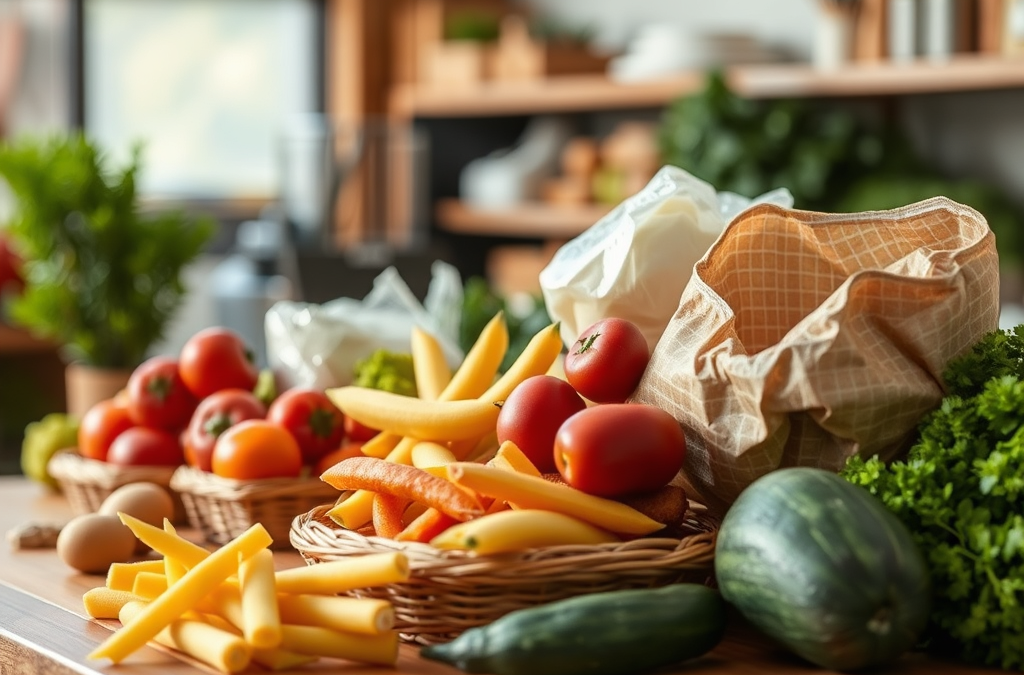
Yes, organic foods are typically less processed than regular foods. This is largely due to the stringent regulations governing organic farming, which emphasize natural ingredients and prohibit synthetic additives. As a result, organic products often retain more of their natural nutrients and flavors. For example, while conventional foods may contain preservatives and artificial ingredients, organic options usually consist of simpler, whole-food ingredients. Choosing organic can help consumers minimize their exposure to harmful chemicals, making it a healthier choice for those concerned about food quality.
Understanding Organic Food Processing
Organic foods are typically less processed than their conventional counterparts due to strict regulations governing their production. Organic farming emphasizes the use of natural substances and processes, which often leads to a reduction in the use of synthetic chemicals and additives. This means that organic foods are less likely to undergo extensive processing methods that are common in conventional food production.
The USDA defines organic foods as those produced without the use of synthetic fertilizers, pesticides, and genetically modified organisms (GMOs). As a result, organic foods tend to retain more of their natural qualities. For example, organic fruits and vegetables are grown in soil that is enriched with natural compost and organic matter, leading to better nutrient profiles. The emphasis on natural farming practices contributes to a more straightforward processing approach, often resulting in minimal intervention before reaching the consumer.
Comparing Ingredients in Organic and Conventional Foods

One significant difference between organic and conventional foods lies in their ingredient lists. Organic foods typically contain fewer artificial ingredients and preservatives. For instance, while conventional bread may include additives like calcium propionate (a preservative) and high fructose corn syrup, organic bread is more likely to consist of whole grains, yeast, and water, without unnecessary fillers.
This difference in ingredients is crucial for health-conscious consumers. By opting for organic foods, individuals can reduce their exposure to potentially harmful substances found in processed foods. Additionally, many organic products are certified to be free from artificial colors, flavors, and preservatives, allowing consumers to make more informed choices about what they eat.
Nutritional Differences Between Organic and Regular Foods
Research on the nutritional differences between organic and conventional foods often shows that organic options can be more nutritious. Studies indicate that organic produce may have higher levels of certain antioxidants and vitamin C, which are essential for health. This nutritional advantage is partly attributed to the farming practices that prioritize soil health and biodiversity.
Moreover, organic dairy and meat products tend to come from animals that are raised under more humane conditions and fed organic feed. This can lead to better omega-3 fatty acid profiles and a higher concentration of vitamins in these products. Consumers choosing organic options may benefit from not only the reduced chemical exposure but also potentially enhanced nutrient intake.
Common Misconceptions About Food Processing
There are several misconceptions surrounding the processing of organic versus conventional foods. One common belief is that all processed foods are unhealthy. While it is true that many conventional processed foods contain preservatives and additives, not all processing is detrimental. For example, some organic foods are minimally processed to enhance shelf life while still retaining their health benefits.
Another misconception is that organic foods are always fresher. While organic foods often have fewer additives, their freshness can vary based on sourcing and transportation. Consumers should consider local organic options to ensure they are receiving the freshest produce possible. Understanding these nuances can help consumers make better-informed decisions regarding their food choices.
Frequently Asked Questions
Are organic foods always healthier?
Organic foods are generally considered healthier due to lower levels of pesticides and additives, but it's essential to evaluate each product individually.
What does 'organic' mean?
'Organic' refers to food produced without synthetic fertilizers, pesticides, or GMOs, adhering to specific agricultural standards.
Do organic foods taste better?
Taste can be subjective, but many consumers report that organic produce tastes fresher and more flavorful due to better farming practices.
Are all organic foods non-processed?
No, while organic foods are often less processed, some organic items can still undergo minimal processing for preservation.
How can I identify truly organic foods?
Look for the USDA Organic seal, which indicates that the product meets strict organic standards and is verified by the USDA.
Conclusion
Choosing organic foods often means selecting options that are less processed and more aligned with natural farming practices. By understanding the differences in processing, ingredients, and nutritional value, consumers can make informed choices that align with their health goals. Prioritizing organic options can lead to a healthier diet, reduced chemical exposure, and a positive impact on the environment. As you navigate your food choices, consider the benefits of organic foods and how they fit into your lifestyle.
Huge Discount on the Best Certified Organic Nutrient Dense Supplement!



