Jun 6, 2026 | Organic Nutrition
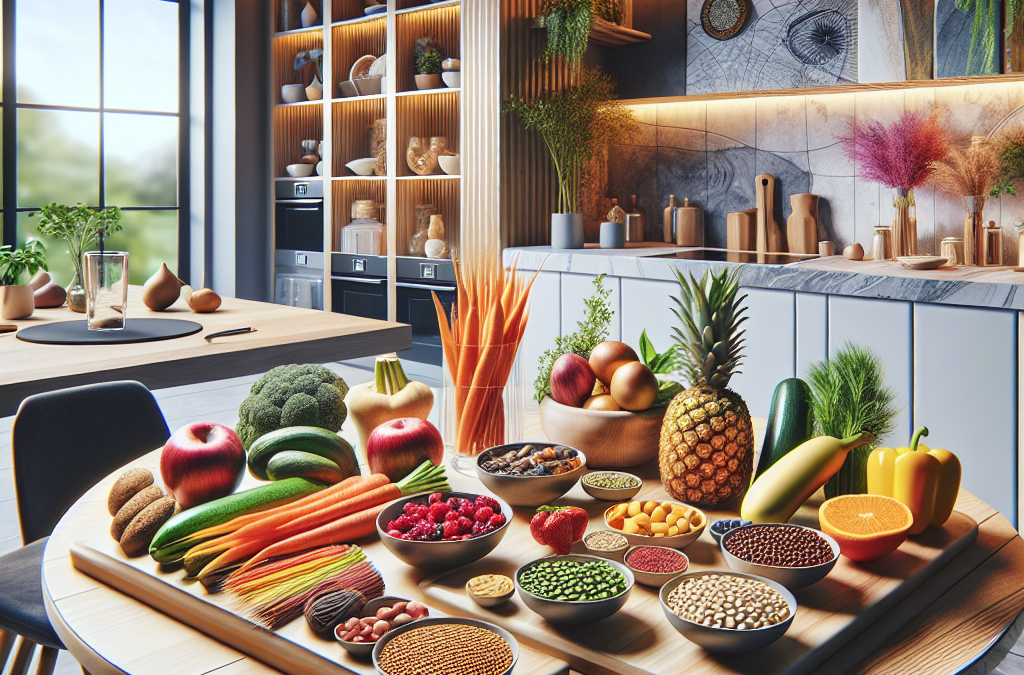
Chia Seeds: The Tiny Powerhouse Rich in Nutrients Let’s kick things off with chia seeds! These tiny seeds are packed with fiber, protein, and omega-3 fatty acids. It’s crazy to think something so small can carry such a nutritional punch. I usually toss them in...

Jun 6, 2026 | Organic Nutrition
What Does Organic Certification Mean? The Basics of Organic Certification Let’s kick things off with the basic idea. When we talk about organic certification, we are referring to a label that signifies that certain products meet strict standards set by the USDA. This...
Jun 6, 2026 | Organic Nutrition
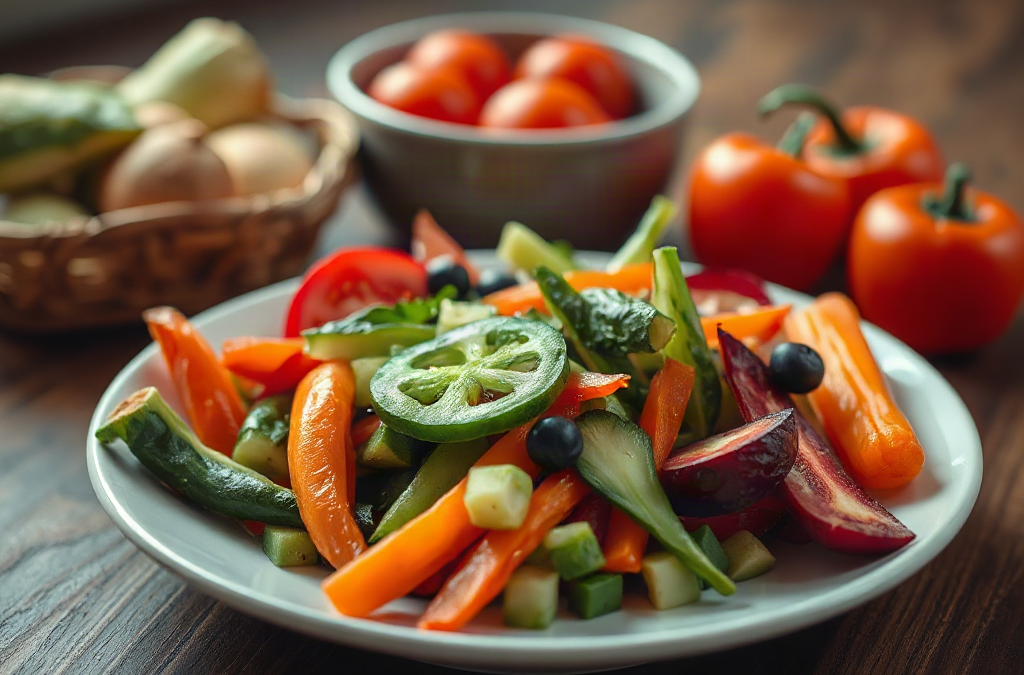
Embrace Fresh Vegetables Every Day Discover the Magic of Variety One of the best things I’ve learned is that the more colorful my plate, the better. It’s not just about aesthetics; different vegetables offer various health benefits. I’ve started to challenge myself to...
Jun 6, 2026 | Organic Nutrition
Understanding the Basics of Raw Food Eating What is Raw Food Diet? So, let’s dive into the world of raw food eating. For me, it’s all about consuming fruits, vegetables, nuts, and seeds in their natural state. I remember the first time I switched to raw; I...

Jun 6, 2026 | Organic Nutrition
Mindful Eating Habits Understanding Your Body’s Needs First off, let me tell you, listening to your body is key. I used to eat whatever was convenient, often not realizing how that affected my energy levels. It’s super important to understand when you’re...
Jun 6, 2026 | Organic Nutrition
1. Prioritize Whole Food-Based Supplements 2. Incorporate Diversity in Your Diet 3. Use Plant-Based Formulations 4. Optimize Absorption with Proper Timing 5. Combine with Natural Superfoods 6. Maintain Consistency & Routine 7. Reduce Exposure to Toxins 8. Monitor...